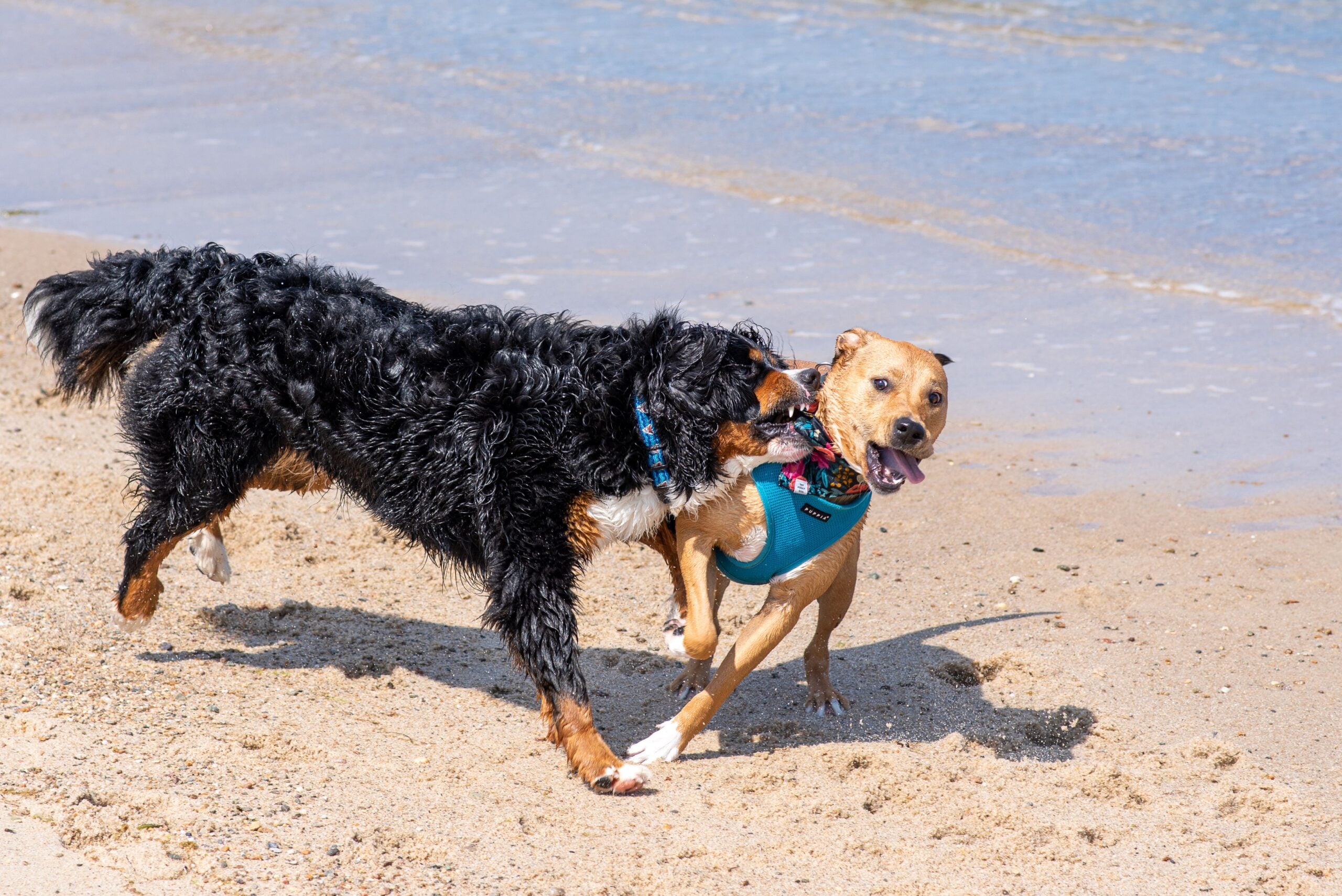


Dog bites represent a serious and growing public health concern in New York State. Understanding dog bite law euthanasia New York is increasingly important as New York City alone reports several thousand dog bite incidents annually, with data from 2015–2023 showing approximately 3,300 reported bites per year. The situation has worsened post-pandemic, with a 14% increase in reported incidents from 2018 to 2023. This upward trend mirrors national patterns, with CDC-linked data showing rising emergency department visits and fatalities related to dog attacks.
Prior results do not guarantee a similar outcome.
The legal landscape for dog bite victims in New York underwent a dramatic transformation in 2025 with the landmark Court of Appeals decision in Flanders v. Goodfellow. his ruling fundamentally expanded victim rights and significantly impacted dog bite law euthanasia New York cases by allowing negligence claims alongside traditional strict liability theories, creating one of the nation’s most victim-friendly legal environments for dog bite victims seeking compensation.
For victims injured in a dog bite accident in New York, understanding these laws is crucial for seeking justice and compensation. This knowledge helps you navigate who can sue, when liability applies, and what immediate steps protect your legal rights. If you were injured in New York, contact our dog bite attorneys at the Porter Law Group for a free, no-obligation consultation by calling 833-PORTER9.
Key Takeaways: NY Dog Bite Laws (2026)
New York’s dog bite liability framework operates on a dual-track system that significantly expanded in 2025:
Victim Rights: Any person injured by a dog attack has legal standing to pursue compensation, including dog walkers, postal carriers, delivery personnel, and owners of injured pets. You have three years from the date of the bite to file a lawsuit.
Dual Liability System: New York now offers victims two parallel paths to recovery: strict liability based on the owner’s knowledge of dangerous propensities (the traditional “one-bite rule”) and negligence based on the owner’s failure to exercise reasonable care (introduced by the 2025 Flanders decision).
Dangerous Dog Designation: When a dog has been formally adjudicated as “dangerous” under Agriculture & Markets Law § 123, owners face automatic strict liability for all medical costs, regardless of precautions taken.
Expanded Negligence Claims: Unlike most states, New York victims can now pursue compensation even when a dog has no prior history of aggression, if the owner failed to exercise reasonable care in controlling the animal.
High Settlement Values: New York leads the nation in dog bite claim costs, with an average settlement of $110,488 in 2024, reflecting the state’s victim-friendly legal environment.
Can You Sue for a Dog Bite in New York?
Under New York Agriculture and Markets Law § 123, any person who suffers injury from a dog attack possesses clear legal standing to pursue compensation. The statute explicitly covers injuries to persons, companion animals, farm animals, and domestic animals, meaning victims can file lawsuits to recover damages for their injuries.
The 2025 Flanders v. Goodfellow decision revolutionized dog bite litigation in New York by creating two distinct pathways for victims to seek compensation. This dual-track approach means you may have multiple legal theories available depending on the circumstances of your case.
When Strict Liability Applies
Strict liability in New York dog bite cases applies in two specific situations:
Dangerous Dog Designation: When a dog has been previously adjudicated as “dangerous” under § 123, the owner faces strict liability for all medical costs resulting from injuries. A “dangerous dog” designation requires clear and convincing evidence that the animal either attacked a person or animal causing physical injury or death without justification, or behaved in a manner that a reasonable person would believe poses a serious and unjustified imminent threat.
Known Vicious Propensities: Even without a formal dangerous designation, owners face strict liability if they knew or should have known their dog had vicious propensities. This is the traditional “one-bite rule,” though it doesn’t literally require a previous bite. Evidence of dangerous tendencies can include growling, snapping, aggressive posturing, complaints from neighbors, or prior incidents during training.
Under strict liability, victims can recover full compensation including medical expenses, lost wages, pain and suffering, and permanent disfigurement damages without needing to prove the owner was negligent.
When Negligence Must Be Proven
The landmark 2025 Flanders decision introduced negligence as an independent cause of action in New York dog bite cases, explicitly overruling the prior Bard v. Jahnke precedent that had barred such claims. This development means victims can now pursue compensation based on the owner’s failure to exercise reasonable care, regardless of whether the dog had any prior history of dangerous behavior.
Under the negligence standard, you must prove:
- The dog owner owed you a duty of care
- The owner breached that duty by failing to exercise reasonable care in controlling the dog
- The breach directly caused your injuries
- You suffered actual damages
This pathway proves particularly valuable when a dog has no documented history of aggression but the owner failed to maintain proper control through inadequate leashing, fencing, restraint, or supervision. Negligence claims also apply when owners violate local leash laws or fail to post adequate warnings on their property.
The ability to pursue both strict liability and negligence claims simultaneously gives New York victims strategic flexibility unavailable in most other states, significantly increasing the likelihood of successful recovery.
What are New York’s Dog Bite Laws?
One-Bite Rule vs Strict Liability in NY
New York State employs a hybrid approach combining elements of both the traditional “one-bite rule” and strict liability, though the 2025 Flanders decision significantly expanded this framework.
One-Bite Rule: Under this common law principle, a dog owner may not be held strictly liable for the first bite or attack by their dog, provided they had no prior knowledge of the dog’s aggressive tendencies. This rule doesn’t literally require a previous bite. Evidence of dangerous propensities can include aggressive displays, growling, snapping, or complaints from neighbors or delivery personnel. Once a dog has demonstrated aggressive behavior, the owner is expected to take reasonable steps to prevent future incidents, and strict liability attaches for subsequent attacks.
Strict Liability: In contrast, strict liability holds dog owners accountable for harm their dog causes regardless of the dog’s previous behavior. In New York, this applies particularly to dogs formally adjudicated as “dangerous” under § 123, where owners face automatic liability for all medical and veterinary costs resulting from attacks.
Negligence Standard: The 2025 Flanders ruling added a third dimension by allowing victims to pursue negligence claims based on the owner’s failure to exercise reasonable care, creating liability even for dogs with no history of aggression.
The key distinction between these concepts lies in what the victim must prove. Strict liability focuses on the owner’s knowledge of dangerous propensities or the dog’s dangerous designation. Negligence focuses on whether the owner exercised reasonable care in the circumstances, regardless of prior knowledge. This dual framework gives victims multiple pathways to recovery.
Comparison of Liability Standards
| Liability Type | Owner Knowledge Required | Prior Aggression Needed | Medical Costs | Pain & Suffering | Key Requirement |
|---|---|---|---|---|---|
| Dangerous Dog (Strict) | No | Yes (adjudicated) | Full coverage | Yes | Formal § 123 designation |
| One-Bite (Strict) | Yes | Yes (known to owner) | Full coverage | Yes | Proof of vicious propensities |
| Negligence | No | No | Full coverage | Yes | Failure to exercise reasonable care |
What is Considered a ‘Dangerous Dog’ in New York?
In New York State, the criteria for classifying a dog as “dangerous” are specified under Agriculture & Markets Law § 123. A dog may be deemed dangerous if it attacks or threatens to attack a person, companion animal, farm animal, or domestic animal without justification.
Under dog bite law euthanasia New York, the determination process is formal and legally rigorous. It requires a judicial hearing conducted within five days of filing a complaint, with at least two days’ notice to the owner. At this hearing, clear and convincing evidence must demonstrate that the dog either attacked causing physical injury or death, or behaved in a manner that a reasonable person would believe poses a serious and unjustified imminent threat.
The law provides specific exemptions where dogs will not be declared dangerous, including when the dog was defending persons or property against criminal activity such as murder, robbery, burglary, arson, rape, or kidnapping, or when responding to provocation, pain, or threats to itself, its offspring, or its owner.
What are the Legal Implications for the Dog and the Owner Once Classified as Dangerous?
Once a dog receives a dangerous designation under § 123, significant legal consequences follow for both the animal and its owner:
Mandatory Control Measures: The court may order neutering or spaying, microchipping, behavioral evaluations, and professional training. The dog may be required to be securely confined when on the owner’s property and muzzled when in public spaces.
Strict Liability for Medical Costs: Owners become automatically liable for all medical expenses resulting from future attacks, regardless of precautions taken or knowledge of aggressive tendencies.
Financial Requirements: Owners might need to maintain liability insurance policies specifically covering injuries their dog may cause.
Severe Penalties for Violations: In cases of serious injury or death caused by a dangerous dog, owners could face substantial criminal fines and civil damages. The court may order the dog to be euthanized if it poses an ongoing public safety threat.
Enhanced Legal Exposure: The dangerous dog designation creates a permanent record that prosecutors and civil plaintiffs can use as evidence of the owner’s knowledge and the dog’s propensities in future legal proceedings.
What are the Responsibilities and Liabilities of Dog Owners in New York?
New York law imposes several responsibilities on dog owners that directly affect their liability exposure:
Knowledge-Based Liability: Owners who knew or should have known about their dog’s aggressive tendencies face strict liability for injuries the dog causes. This knowledge can be actual (direct awareness of prior incidents) or constructive (circumstances that should have alerted a reasonable owner to dangerous propensities).
Reasonable Care Standard: Under the Flanders precedent, owners must exercise reasonable care in controlling their dogs regardless of prior behavior. This includes proper leashing, adequate fencing, compliance with local animal control ordinances, and appropriate supervision in various environments.
Violation of Local Laws: Owners become liable when their failure to comply with local leash laws, licensing requirements, or animal control regulations results in injury. Many municipalities have specific ordinances requiring dogs to be leashed in public spaces or confined to the owner’s property.
Post-Incident Reporting: Depending on local regulations, owners must report bite incidents to authorities, provide proof of current rabies vaccination, and cooperate with dangerous dog investigations. Failure to comply with these requirements can result in additional penalties and enhanced civil liability.
Medical and Veterinary Cost Coverage: Owners are responsible for covering all reasonable medical expenses for human victims and veterinary costs for injured animals when their dog causes harm, particularly when the dog has been designated as dangerous.
How are New York’s Dog Bite Laws Different from Other States?
New York’s dog bite laws differ significantly from those in other states, creating one of the nation’s most distinctive legal frameworks following the 2025 Flanders decision.
Mixed Approach with Negligence: While roughly 30 states impose pure statutory strict liability (like California, Florida, and Illinois) and about 14 states follow the traditional one-bite rule (like Texas and Virginia), New York uniquely combines strict liability, the one-bite rule, and negligence claims. The Flanders decision particularly distinguishes New York by allowing victims to pursue negligence theories regardless of prior dangerous behavior.
Dual Recovery Pathways: Most states force victims to proceed under a single liability theory. New York’s dual-track system allows simultaneous pursuit of both strict liability and negligence claims, giving victims strategic flexibility to use whichever theory best fits available evidence.
Strict Liability for Dangerous Dogs: Unlike states with pure one-bite rules, New York’s § 123 creates automatic strict liability for medical costs once a dog receives a dangerous designation. This differs from states like Georgia, which limits strict liability to specific statutory circumstances.
No-Fault Insurance Coverage: New York’s status as a “no-fault” state for dog bites means homeowners’ insurance coverage applies regardless of who was at fault in the incident, offering broader protection than many jurisdictions.
High Average Settlements: New York leads the nation with an average dog bite claim cost of $110,488 in 2024, reflecting both the severity of incidents and the state’s victim-friendly legal environment. This significantly exceeds national averages and settlement values in comparable states.
Breed-Neutral Insurance Law: New York Insurance Law § 3421 prohibits insurers from refusing coverage or charging increased premiums based solely on dog breed, making New York one of few states with explicit breed-neutral insurance requirements. However, insurers can take action for dogs formally designated as dangerous regardless of breed.
Common Defenses in NY Dog Bite Cases
Dog owners and their insurers frequently raise several defenses in New York dog bite litigation, some codified in statute and others derived from common law principles.
Trespassing
Trespassing remains a viable common law defense in New York dog bite cases. Property owners generally owe no duty to protect trespassers from dog attacks occurring on their property. If a victim was unlawfully on the owner’s property without permission or legal right when bitten, the owner may escape liability entirely.
However, the strength of this defense depends on specific circumstances. Courts consider factors such as whether the property had adequate “no trespassing” signage, whether the victim was a child who might not understand property boundaries, and whether the owner knew people regularly crossed the property. Licensed professionals like postal carriers and utility workers typically cannot be considered trespassers when performing job duties.
Provocation
Agriculture & Markets Law § 123 explicitly provides that dogs responding to provocation, torment, abuse, or assault will not be declared dangerous, and owners face reduced or eliminated liability when dogs react to such treatment.
Provocation encompasses a broad range of behaviors:
- Attempting to break up a dog fight
- Inadvertently causing pain, such as stepping on a dog’s tail or paws
- Approaching and touching an unfamiliar dog without the owner’s permission
- Using repellent spray or other defensive measures against a dog
- Entering a dog’s perceived territory without permission
- Making sudden, threatening, or aggressive movements toward the dog
- Teasing, hitting, or otherwise tormenting the animal
The provocation defense requires evidence that the victim’s actions directly triggered the dog’s aggressive response. Courts evaluate whether the victim’s conduct was sufficient to cause a reasonable dog to react defensively. Minimal or accidental contact typically won’t constitute legal provocation, while deliberate aggression or abuse will.
Assumption of Risk
Under the assumption of risk doctrine, victims who voluntarily exposed themselves to known dangers may have limited recovery options. This defense applies when the victim knowingly and voluntarily encountered a dog with obvious dangerous propensities.
Examples include professional dog handlers, veterinary staff, or animal control officers who accept inherent risks in their occupations. Similarly, someone who ignores clear warning signs about an aggressive dog or chooses to interact with a dog despite the owner’s explicit warnings may have assumed the risk.
However, assumption of risk doesn’t automatically bar recovery in New York. Courts analyze whether the victim had actual knowledge of the specific danger, voluntarily chose to encounter it, and understood the nature and extent of the risk. The defense proves less effective when owners failed to adequately warn of dangers or when victims had limited options to avoid the encounter.
Additional Defenses
Lack of Knowledge: Owners can defeat strict liability claims by demonstrating they had no actual or constructive knowledge of dangerous propensities. However, the Flanders decision made this defense less effective by allowing juries to infer knowledge from circumstantial evidence and by permitting negligence claims that don’t require prior knowledge.
Reasonable Control: Owners can defend negligence claims by showing they exercised reasonable care through proper leashing, adequate fencing, compliance with leash laws, and posted warnings.
Victim Negligence: Owners may argue the victim’s own negligence contributed to the incident, potentially reducing damages under New York’s comparative negligence principles.
What to Do After a Dog Bite in New York
Taking immediate action following a dog bite significantly impacts both medical outcomes and legal recovery prospects. Follow this protocol to protect your health and preserve your legal rights.
Step 1: Emergency Medical Response (Minutes 0-30)
Prioritize wound care immediately. Control bleeding with direct pressure using clean cloth or bandages. Once bleeding slows, thoroughly clean the wound with soap and water for several minutes to reduce infection risk. Even minor puncture wounds require professional medical evaluation, as dog bites carry high infection rates and can cause deeper tissue damage not visible externally.
Assess rabies risk. New York law requires dog owners to provide proof of current rabies vaccination. If the dog’s vaccination status is unknown or the owner cannot be located, you may need to begin post-exposure prophylaxis immediately. Rabies is nearly always fatal once symptoms appear, making prevention critical.
Document injuries before treatment. Take clear photographs of all wounds from multiple angles before medical providers clean and dress them. These photos provide crucial evidence of injury severity and may be the only record of the initial trauma.
Step 2: Official Reporting (Hours 0-24)
File with animal control immediately. Contact your local dog control officer or police department to file an official complaint. In New York City, you can report through 311, the DOHMH Animal Bite Unit, or local police. This creates official documentation and triggers the dangerous dog investigation process under § 123.
Obtain the incident report number. Request the official report number for future reference in legal proceedings and insurance claims. This number allows you to track the investigation and obtain copies of the final report.
Identify the dog and owner. Gather the owner’s full name, address, phone number, and email. Request the dog’s license number and proof of current rabies vaccination. If the owner refuses to provide information, note the dog’s physical description, collar/tag details, and the exact location of the incident.
Step 3: Evidence Preservation (Days 1-7)
Comprehensive Documentation Checklist:
- Medical records from all treatments (emergency room, follow-ups, specialists)
- Prescription records and receipts for all medications
- Photographs of injuries taken daily to document healing progression
- Photos of torn clothing, damaged property, and the incident location
- Written statements from all witnesses with their contact information
- Contact information for anyone who saw the dog’s prior aggressive behavior
- Records of lost wages and missed work due to injuries
- Documentation of transportation costs for medical appointments
- Receipts for any out-of-pocket medical expenses
- Research into prior complaints or incidents involving the same dog
Investigate prior incidents. Contact local animal control to determine if the dog has previous complaints, bite reports, or a dangerous dog designation. This information proves crucial for establishing strict liability under both the dangerous dog statute and the one-bite rule.
Preserve physical evidence. Keep damaged clothing, torn personal items, and any other physical evidence in a safe place. These items can demonstrate the attack’s severity and corroborate your account.
Step 4: Legal Consultation (Days 1-14)
Given New York’s complex dual-liability system and the three-year statute of limitations, early attorney consultation is critical. An experienced dog bite lawyer can:
- Evaluate whether the dog qualifies as dangerous under § 123 and initiate designation proceedings
- Assess the strength of strict liability claims based on the one-bite rule
- Analyze negligence claims under the Flanders precedent
- Navigate dangerous dog hearings and administrative appeals
- Negotiate with homeowners’ insurance carriers while preserving litigation options
- Calculate full damages including future medical needs and permanent impairment
- Protect you from insurance company tactics designed to minimize settlements
Most personal injury attorneys, including the Porter Law Group, work on contingency fees, meaning no upfront costs and payment only if you recover compensation.
Reach out to our experienced team for a free consultation and explore your options for compensation.
FAQs
Do doctors have to report dog bites in NY?
Yes, medical professionals in New York are required to report dog bites to local health authorities. New York State Public Health Law mandates that physicians, hospitals, and other healthcare providers report animal bites that may pose a rabies risk to the local health department or animal control authority. This requirement serves critical public health purposes by enabling authorities to verify the biting dog’s rabies vaccination status, investigate whether the dog should be designated as dangerous under § 123, and track dog bite incidents for public health surveillance.
Healthcare providers typically report dog bites within 24 hours of treatment. The report includes the victim’s information, details about the bite incident, and any information available about the dog and owner. Victims should not rely solely on healthcare providers to report the incident. You should also file your own report with local animal control and police to ensure proper documentation for potential legal claims.
What happens if I don’t report a dog bite?
Failing to report a dog bite can have significant consequences for both public health and your legal rights. From a public health perspective, unreported bites prevent authorities from verifying the dog’s rabies vaccination status, potentially exposing you to a fatal disease. Rabies requires immediate post-exposure prophylaxis if the dog’s vaccination status cannot be confirmed, and delays in reporting can delay critical medical intervention.
From a legal standpoint, failing to report undermines your ability to pursue compensation. Official reports create contemporaneous documentation of the incident that insurance companies and courts view as more credible than delayed reports. Without an official report, you’ll have difficulty proving the incident occurred, establishing the dog owner’s identity, and demonstrating the attack’s circumstances. Insurance adjusters often use lack of official reporting to question the claim’s legitimacy or argue the injuries were less severe than claimed.
Additionally, unreported bites leave dangerous dogs unidentified, allowing them to remain in the community and potentially attack again. New York’s dangerous dog designation process under § 123 depends on formal complaints and investigations. By not reporting, you may inadvertently enable future attacks that could have been prevented through mandatory control measures, training requirements, or removal of truly dangerous animals.
If you initially didn’t report a dog bite, file a report as soon as possible and explain the delay. Late reports carry less weight than immediate reporting but remain better than no documentation at all.
What is the new dog law in New York State?
The “new dog law” most commonly referenced in 2026 is the New York Court of Appeals’ landmark April 2025 decision in Flanders v. Goodfellow, which fundamentally transformed dog bite liability in the state. This decision didn’t create new legislation but rather established new common law principles that expanded victim rights significantly.
Prior to Flanders, the 2006 case Bard v. Jahnke had barred negligence claims in dog bite cases, forcing victims to proceed solely under strict liability theories requiring proof of the owner’s knowledge of dangerous propensities. The Flanders court explicitly overruled Bard, holding that barring negligence claims was “inconsistent with ordinary tort principles” and “unworkable.”
The Flanders decision established that dog bite victims can now pursue two parallel theories of liability:
Strict Liability: Traditional claims based on the owner’s knowledge of vicious propensities (one-bite rule) or the dog’s dangerous designation under § 123.
Negligence: New claims based on the owner’s failure to exercise reasonable care in controlling the dog, regardless of prior dangerous behavior or the owner’s knowledge.
This dual-track framework creates one of the nation’s most victim-friendly legal environments. Victims can now recover compensation even when a dog has no history of aggression, if the owner failed to maintain proper control through inadequate leashing, fencing, supervision, or violation of local ordinances.
For dog owners, Flanders significantly increases potential liability exposure. Owners must now exercise reasonable care in all circumstances, not just after learning of dangerous tendencies. This includes proper restraint, compliance with leash laws, adequate property fencing, and appropriate supervision based on the dog’s size, strength, and temperament.
The decision’s practical impact has been substantial. Insurance companies now evaluate claims under both liability theories, often leading to higher settlement values. Attorneys can pursue negligence claims that would have been dismissed prior to 2025, giving victims leverage in negotiations and broader options for proving liability at trial.
Talk to a New York Dog Bite Lawyer
If you or your loved ones have been affected by a dog bite incident in New York, the Porter Law Group offers the experienced legal representation you need to navigate the state’s complex dual-liability framework. The 2025 Flanders decision created new legal territory that requires attorneys familiar with both traditional strict liability principles and the expanded negligence standard.
The new standard changes the landscape for dog bite claims. What used to be a straightforward strict liability analysis now involves evaluating two parallel legal theories, and choosing the wrong strategy can cost you thousands of dollars in compensation. Insurance companies know this. They’ve already adjusted their tactics to exploit victims who don’t understand the new negligence standard or how to prove an owner’s failure to exercise reasonable care. Without an attorney who understands both the traditional one-bite rule and the new Flanders framework, you’re negotiating blind against adjusters who handle these cases every day.
Beyond the legal complexity, dog bite cases require aggressive investigation that most victims can’t conduct on their own. We dig into the dog’s history: prior complaints filed with animal control, statements from neighbors who’ve seen aggressive behavior, veterinary records showing behavioral issues. We initiate dangerous dog proceedings under § 123 that create automatic liability for medical costs and dramatically strengthen your negotiating position. When insurance companies try to deny claims based on breed exclusions or policy limits, we use New York’s breed-neutral insurance law to hold them accountable. This investigative work and legal maneuvering happens behind the scenes, but it’s what separates a $15,000 nuisance settlement from a $110,000 recovery that actually covers your medical bills, lost wages, and the permanent scarring you’ll carry for the rest of your life.
We work on contingency, which means you pay nothing unless we win your case. We offer free consultations where we’ll explain exactly how the Flanders decision affects your specific situation and what recovery you can realistically expect under both strict liability and negligence theories. From your first call through final settlement or trial, you’ll have direct access to experienced attorneys who handle every aspect of your case. From filing official reports and navigating dangerous dog hearings to negotiating with insurance carriers and representing you in court, you can be sure that everything will be planned carefully and all angles will be considered to give you the best possible outcome. From Albany, Syracuse, and Rochester, to NYC, and anywhere in the State, the Porter Law Group is ready to help you get the compensation you deserve.
Don’t Delay
New York’s three-year statute of limitations creates a firm deadline for filing lawsuits. However, waiting to pursue your claim can weaken your case significantly. Evidence fades, witnesses’ memories dim, and crucial documentation becomes harder to obtain. Early legal intervention preserves evidence, prevents insurance company tactics, and maximizes recovery potential.
Additionally, the dangerous dog designation process under § 123 requires prompt action. The formal hearing must occur within five days of filing a complaint, making immediate legal representation essential for utilizing this powerful liability tool.
For assistance with dog bite claims in New York, contact the Porter Law Group at 833-PORTER9 or email info@porterlawteam.com for a free consultation. Our experienced attorneys are ready to protect your rights and fight for the compensation you deserve under New York’s expanded liability framework.