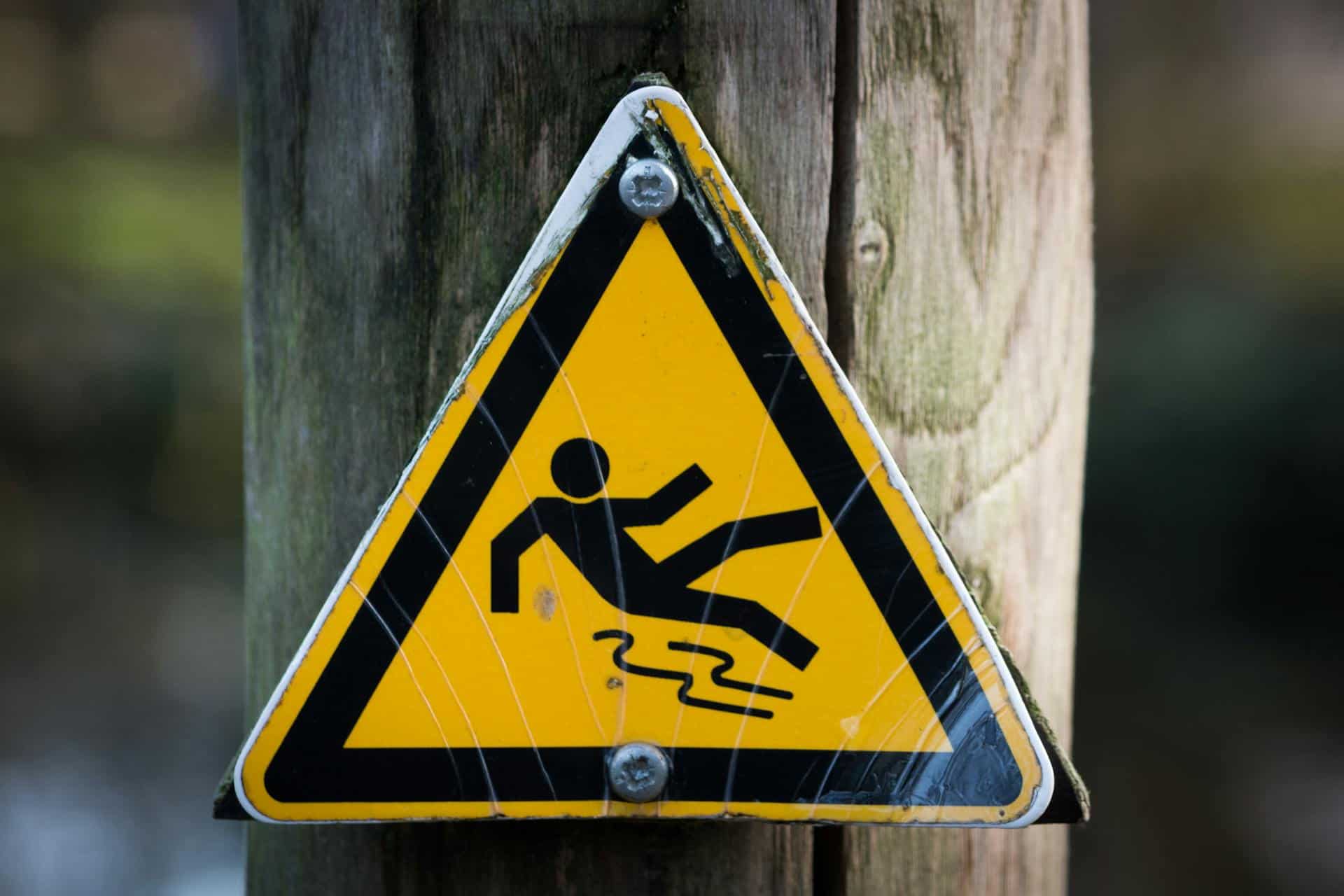


A weekend getaway or business trip can turn into a nightmare in seconds. One moment you’re walking through a hotel lobby, and the next you’re on the ground with a twisted ankle, a broken wrist, or worse. If you’ve been injured in a slip and fall at a hotel or resort, you’re probably wondering whether the property owner is responsible and what legal options you have.
The short answer is yes, you can sue a hotel or resort for a slip and fall injury in New York. But winning your case depends on proving that the property owner or operator was negligent in maintaining a safe environment and that this negligence directly caused your injuries.
Understanding your rights after a hotel accident isn’t just about knowing whether you can file a lawsuit. It’s about recognizing when someone else’s carelessness has left you with medical bills, time away from work, and pain that could have been prevented.
Can You Sue a Hotel or Resort for Your Injuries?
New York law allows injured guests to hold hotels and resorts accountable when dangerous conditions on the property cause harm. This falls under what’s called premises liability, a legal principle that requires property owners to keep their spaces reasonably safe for visitors.
Hotels and resorts aren’t expected to prevent every possible accident. But they do have a legal responsibility to identify hazards, fix them promptly, and warn guests about dangers that can’t be immediately corrected. When they fail to meet this standard, they can be held liable for resulting injuries.
The key word here is “negligence.” To succeed in a slip and fall case, you need to show that the hotel didn’t act with the level of care that a reasonable property owner would have exercised in similar circumstances. This might mean ignoring a spill for hours, failing to salt an icy walkway, or not repairing a broken step that staff members knew about.
What Makes Hotel Guests Different From Other Visitors?
Under New York law, not all visitors to a property have the same legal protections. Hotels and resorts owe their highest duty of care to paying guests because you’re on the property for the owner’s financial benefit. Legally, you’re classified as an “invitee,” which means the property owner must go beyond simply avoiding intentional harm.
For hotel guests, this elevated duty means the property must regularly inspect common areas, guest rooms, and facilities. Staff should be trained to spot potential hazards during routine rounds. When problems are discovered, whether it’s a wet floor near the pool or a loose carpet in a hallway, the hotel needs to either fix the issue quickly or clearly warn guests until repairs can be made.
This heightened standard exists because hotels actively encourage you to use their facilities. They benefit from your patronage, so they’re expected to take meaningful steps to protect you while you’re there.
Where Do Most Hotel and Resort Falls Happen?
Slip and fall accidents at hotels don’t happen randomly. Certain areas carry higher risks because of heavy foot traffic, exposure to water, or maintenance challenges.
Lobby floors are common accident sites, especially near entrances where rain, snow, or tracked-in moisture can create slippery conditions. Bathrooms present obvious slip hazards, particularly in older properties where tiles may be worn smooth or where water pools on the floor. Pool areas and fitness centers combine wet surfaces with hard flooring, creating dangerous conditions if staff don’t maintain them properly.
Restaurant and bar areas in hotels see frequent spills, and if cleaning staff don’t respond quickly, these become slip hazards. Stairways, whether grand lobby staircases or back stairs to conference rooms, can be treacherous when carpeting comes loose, edges are worn, or lighting is inadequate. Even guest room entrances and hallways pose risks when carpets are torn, thresholds are uneven, or housekeeping carts block walkways.
Outdoor areas add another layer of danger. Parking lots with potholes, walkways that aren’t properly cleared of snow and ice, and pool decks that become slick when wet all contribute to guest injuries. Research on hospitality industry injuries confirms that slips, trips, and falls are among the leading causes of harm to both hotel workers and guests, underscoring how common these hazards are in properties that don’t maintain proper safety standards.
What You Need to Prove to Win Your Case
Winning a hotel slip and fall case in New York requires establishing four specific elements. Understanding what you need to prove helps explain why some cases succeed while others don’t.
First, you must show that the hotel owed you a duty of care. As a paying guest, this duty exists automatically. The hotel invited you onto the property and took your money, creating a legal obligation to maintain reasonably safe conditions.
Second, you need to prove the hotel breached that duty. This is where many cases turn. Did the hotel create the dangerous condition, perhaps by mopping a floor without posting warning signs? Did staff know about the hazard and fail to address it? Or should they have discovered the problem through reasonable inspections and maintenance routines? If a spill has been on the floor for three hours during a busy check-in period, a court might find that the hotel should have known about it and cleaned it up.
The concept of “notice” is crucial here. You need to demonstrate either that the hotel had actual knowledge of the hazard (someone reported it, a staff member saw it) or constructive notice (the condition existed long enough that reasonable inspection procedures would have caught it). Without evidence of notice, even legitimate slip and fall claims can fail.
Third, you must establish causation. The unsafe condition needs to be what actually caused your fall and injuries. If you tripped over your own luggage rather than a defect in the property, the hotel isn’t responsible. Medical records, photos of the accident scene, and witness statements all help establish this causal link.
Finally, you need to document your damages. This includes medical bills, costs of ongoing treatment, lost wages if you couldn’t work, and compensation for pain and suffering. Falls can cause serious injuries that affect quality of life long after the accident itself, and these impacts deserve recognition in your claim.
How Long Do You Have to File a Lawsuit?
Time limits matter enormously in slip and fall cases. New York generally gives you three years from the date of your accident to file a personal injury lawsuit against a hotel or resort. This might seem like plenty of time, but it can pass more quickly than you’d expect, especially when you’re focused on recovering from your injuries.
Missing this three-year deadline, known as the statute of limitations, is often fatal to your case. Courts will typically dismiss even strong claims if they’re filed too late, regardless of how compelling your evidence might be or how severely you were injured.
The three-year rule applies to most hotels and resorts because they’re privately owned commercial properties. However, if you’re injured at a government-owned or operated facility, different and much shorter deadlines apply. For accidents on municipal or state property, you might need to file a formal Notice of Claim within 90 days and bring your lawsuit within one year and 90 days. These compressed timeframes leave little room for delay.
Even when you have the full three years, waiting too long creates practical problems. Evidence disappears. Surveillance footage gets recorded over. Witnesses forget details or become harder to locate. The hotel’s records of inspections and maintenance get harder to obtain. Your own memories of the accident fade. Starting the legal process earlier, while everything is fresh, gives you the best chance of building a strong case.
Understanding the Broader Context of Fall Injuries
Falls might seem like minor accidents, but the statistics tell a different story. According to the CDC, falls are the leading cause of injury among adults 65 and older, with about one in four older adults reporting a fall each year. Many of these falls result in serious injuries that require medical treatment, and some lead to long-term limitations on activity.
New York records thousands of fall-related deaths among older adults, making this a significant public health concern. Hotels and resorts frequently serve older travelers, making proper fall prevention even more critical in these settings.
The risk isn’t limited to older guests. Falls in hospitality settings affect workers and guests of all ages. Research into occupational injuries in hotels shows that slips, trips, and falls are among the most common causes of workplace harm in the industry. This research reinforces that systematic prevention through regular inspections, timely cleanups, and adequate lighting is essential to reducing fall risk for everyone on the property.
When hotels cut corners on maintenance or fail to implement proper safety protocols, they’re not just creating legal liability. They’re putting real people at risk of injuries that can have lasting consequences.
What Happens If the Hotel Claims You Were at Fault?
New York uses a legal principle called comparative negligence, which means fault can be divided between multiple parties. Even if you bear some responsibility for your accident, you might still recover damages as long as you weren’t 100% at fault.
For example, if a court determines that a hotel was 70% responsible for your fall (they knew about a spill and didn’t clean it up) but you were 30% at fault (you were texting and not watching where you walked), you can still recover compensation. Your award would simply be reduced by your percentage of fault.
Hotels often try to shift blame to injured guests. They might argue that you were wearing inappropriate shoes, walking too fast, or not paying attention. Sometimes these defenses have merit, but often they’re attempts to avoid responsibility for known hazards. An experienced attorney can help counter these arguments by gathering evidence that shows the property’s condition was the primary cause of your fall.
Taking Action After a Hotel Accident
If you’ve been injured in a slip and fall at a hotel or resort, certain steps can strengthen your potential case. Document everything you can. Take photos of where you fell, what caused your fall, and your injuries. Get contact information from anyone who witnessed the accident. Report the incident to hotel management and ask for a copy of the incident report.
Seek medical attention immediately, even if you think your injuries are minor. Some fall-related injuries don’t show their full severity right away, and creating a medical record that links your injuries to the accident is important for any future claim.
Keep records of all expenses related to your injury, including medical bills, pharmacy receipts, transportation costs for medical appointments, and documentation of missed work. These records form the foundation of your damages claim.
Consider consulting with a personal injury attorney who understands New York premises liability law. An attorney can evaluate whether the hotel had sufficient notice of the hazard, whether they breached their duty of care, and what your case might be worth. Many personal injury lawyers work on contingency, meaning you don’t pay unless they recover compensation for you.
Summing It Up
Hotels and resorts in New York have a legal obligation to keep their properties safe for guests. When they fail in this duty and someone gets hurt, the injured person has the right to seek compensation through a premises liability claim.
Success in these cases depends on proving that the hotel either created a dangerous condition or knew (or should have known) about it and failed to fix it or warn guests. The three-year statute of limitations means you need to act within a reasonable timeframe, and gathering strong evidence early gives you the best chance of holding the property accountable.
Falls at hotels aren’t just inconvenient accidents. They can result in serious, life-altering injuries, particularly for older adults. The law recognizes this by imposing meaningful responsibilities on property owners and providing a path for injured guests to recover damages when those responsibilities aren’t met.
If you’ve been hurt in a slip and fall at a hotel or resort, you don’t have to navigate the legal system alone. Understanding your rights is the first step toward getting the compensation you deserve for your injuries.
This article provides general information about New York premises liability law and is not legal advice. Every slip and fall case is different, and the specific facts of your situation will affect your legal options. If you’ve been injured at a hotel or resort, consult with a qualified New York personal injury attorney to discuss your specific circumstances and ensure you meet all applicable deadlines.