


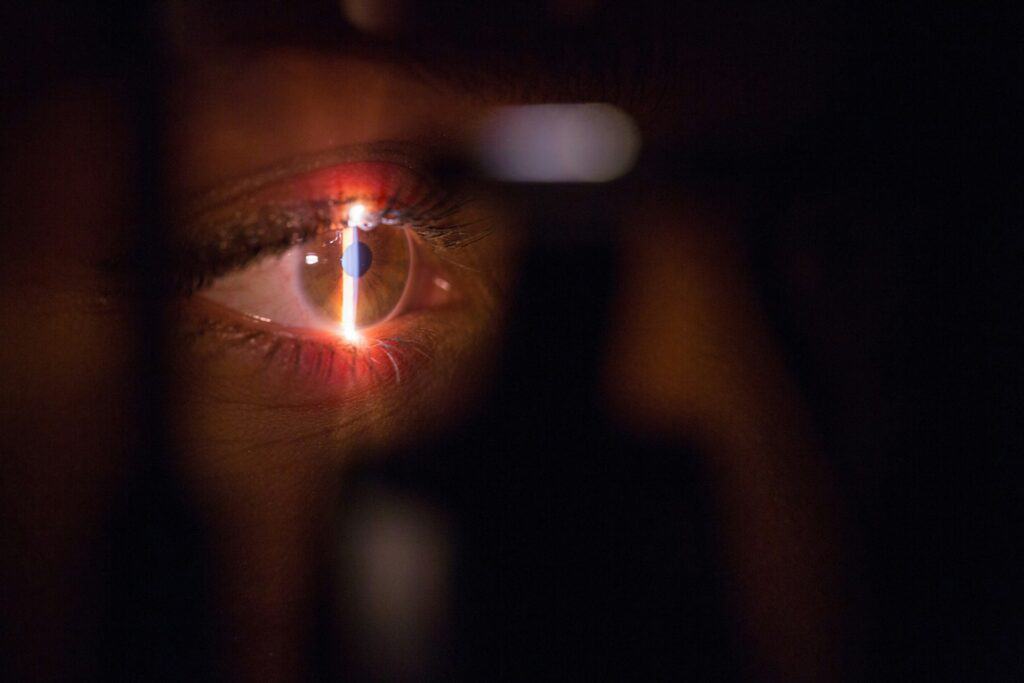

Vision loss changes everything. When an eye injury or complication strips away your ability to see clearly, read, drive, or work, the impact ripples through every part of your life. And when that harm stems from a doctor’s mistake during surgery, a missed diagnosis, or delayed treatment, the anger and confusion can feel overwhelming.
If you’ve suffered vision damage after seeing an ophthalmologist or optometrist in New York, you’re probably wondering whether you have legal grounds to hold that doctor accountable. The answer depends on whether the care you received fell below accepted medical standards and whether that substandard care directly caused your injury.
Medical malpractice cases involving eye care follow the same fundamental legal principles as other malpractice claims, but they come with their own complexities. Eye injuries often result in permanent, life-altering damage, and proving what went wrong requires specialized medical expertise. This guide walks through what it takes to bring a successful claim against an eye doctor in New York, from understanding who can be held liable to knowing the strict deadlines that govern these cases.
Can You Sue an Eye Doctor for Medical Malpractice?
Yes, you can sue an eye doctor when their negligent care causes you harm. In New York, these cases fall under medical malpractice law, which applies to both ophthalmologists (medical doctors who specialize in eye surgery and treatment) and optometrists (licensed professionals who primarily handle vision exams and prescribe corrective lenses).
The law recognizes that eye care professionals owe their patients a duty to provide competent, careful treatment that meets accepted standards in their field. When that duty is breached through negligence or error, and the patient suffers vision loss or other serious complications as a result, the injured person has the right to pursue compensation through a malpractice lawsuit.
However, not every bad outcome constitutes malpractice. Medicine involves inherent risks, and even skilled doctors cannot guarantee perfect results. To have a viable case, you must be able to prove three essential elements: that a doctor-patient relationship existed (establishing the duty of care), that the doctor departed from accepted medical practice in a way that a reasonably competent eye care professional would not have, and that this departure directly caused measurable harm such as vision loss, blindness, or other serious injury.
Who Can Be Held Liable for Eye Injuries?
Several types of licensed professionals can be sued for eye care malpractice in New York, depending on who provided your treatment and what went wrong.
Ophthalmologists are medical doctors (MD or DO) who diagnose and treat eye diseases, perform surgery, and prescribe medications. They’re trained to handle everything from routine cataract removal to complex retinal repairs and emergency trauma care. Because they’re physicians, they’re held to the same malpractice standards as other doctors. Claims against ophthalmologists often involve surgical complications during procedures like cataract surgery, LASIK, or retinal detachment repair. They can also stem from diagnostic failures, such as missing signs of glaucoma, retinal detachment, or open-globe injuries after trauma.
Optometrists hold a different license and generally focus on vision testing, prescribing glasses and contact lenses, and detecting eye diseases during routine exams. While they don’t perform surgery, they play a critical role in identifying serious conditions early. New York law treats optometrists as licensed professionals who can be held accountable for professional misconduct and malpractice. Common claims against optometrists center on failure to detect conditions like glaucoma, diabetic retinopathy, or retinal tears during exams, or failing to refer patients to an ophthalmologist when warning signs appear.
Both ophthalmologists and optometrists can be disciplined by New York’s Office of the Professions for professional misconduct, separate from any civil lawsuit. This regulatory framework establishes baseline standards for acceptable practice in eye care, and violations of these standards can serve as powerful evidence in malpractice cases.
What Counts as Malpractice in Eye Care?
Medical malpractice in eye care happens when a doctor’s treatment falls below the standard of care that a reasonably competent eye professional would provide under similar circumstances, and that substandard care causes injury. The key question is always whether the doctor did what other qualified eye doctors would have done in the same situation.
Proving a departure from the standard of care requires expert testimony from other eye care professionals who can explain what should have been done and why the defendant’s actions fell short. New York law mandates that malpractice plaintiffs present this expert evidence to establish both what the proper standard was and how the doctor deviated from it.
The types of errors that commonly form the basis of eye care malpractice claims include:
Failures in diagnosis and treatment timing. Missing or delaying the diagnosis of retinal detachment, glaucoma, or severe infections can lead to irreversible vision loss when hours or days matter. A detached retina that goes undiagnosed for too long can result in permanent blindness even if surgery is eventually performed. Similarly, failing to recognize an open-globe injury after eye trauma, or delaying treatment of post-surgical infections like endophthalmitis, can have catastrophic consequences.
Surgical errors during eye procedures. Cataract surgery, while routine, can go terribly wrong if the surgeon makes technical mistakes, uses the wrong measurements for the artificial lens, or damages surrounding structures. LASIK and other refractive surgeries carry their own risks, and errors in patient selection, procedure technique, or post-operative monitoring can leave patients with worse vision than they started with. More complex procedures involving the retina or other delicate eye structures demand extreme precision, and mistakes during these surgeries can cause complete loss of vision.
Inadequate follow-up care and failure to respond to complications. After any eye surgery, close monitoring is essential to catch and treat complications like infection, elevated eye pressure, or inflammation before they cause permanent damage. When doctors fail to see patients promptly after surgery, ignore warning symptoms, or dismiss patient concerns about worsening vision or pain, preventable harm can result.
Understanding Causation and Damages in Eye Injury Cases
Proving that a doctor made a mistake is only part of a malpractice case. You must also prove that the mistake directly caused your injury. This causation requirement means showing that, more likely than not, the harm you suffered would not have occurred if the doctor had provided proper care.
In eye care cases, establishing causation often involves demonstrating that timely diagnosis or correct treatment would have preserved vision that was instead lost due to the doctor’s negligence. For example, if a retinal detachment was visible during an eye exam but the optometrist failed to recognize it or refer you to a specialist, and you subsequently lost vision in that eye, expert testimony would need to show that prompt referral and surgical repair would have saved your sight.
The damages in ophthalmology malpractice cases are often severe and permanent. Studies of eye care malpractice lawsuits show that the majority of plaintiffs suffered injuries resulting in legal blindness or worse. Losing vision in one or both eyes affects every aspect of daily life. You may lose your ability to work, drive, read, or perform basic tasks independently. The financial impact extends beyond medical bills to include lost wages, diminished earning capacity, and the cost of assistive devices and home modifications.
Beyond economic losses, the psychological and emotional toll of vision loss is profound. Blindness or severe visual impairment can lead to depression, loss of independence, and a dramatically diminished quality of life. New York law recognizes these non-economic damages as compensable in malpractice cases, though the specific value depends on the individual circumstances of each case.
Research analyzing ophthalmology malpractice verdicts and settlements reveals that when plaintiffs prevail, awards tend to be substantial, reflecting both the severity of vision injuries and the permanent nature of the harm. In cases involving complete blindness or loss of both eyes, damages can run into the millions of dollars.
New York’s Time Limits for Filing Eye Care Malpractice Claims
If you’re considering legal action against an eye doctor, time is not on your side. New York imposes strict deadlines for filing medical malpractice lawsuits, and missing these deadlines typically means losing your right to sue forever, no matter how strong your case might be.
Under New York Civil Practice Law and Rules Section 214-a, medical malpractice actions must be commenced within two and a half years (30 months) from the date of the act or omission that caused the injury. This statute of limitations applies to malpractice claims against both ophthalmologists and optometrists.
The clock usually starts running on the date of the negligent act, not when you discover the harm. If your ophthalmologist made a surgical error during a cataract procedure on January 1st, you would generally need to file your lawsuit by July 1st two and a half years later. This rule can be harsh when injuries aren’t immediately apparent, but New York courts have consistently enforced it.
There is one important exception called the continuous treatment doctrine. When an eye doctor continues to treat you for the same condition or injury that was caused by the initial malpractice, the statute of limitations may not begin to run until that continuous course of treatment ends. For example, if your ophthalmologist causes complications during surgery but then continues providing follow-up care specifically related to those complications, the limitations period might run from your last visit rather than the surgery date. However, this doctrine has strict requirements, and courts scrutinize claims that treatment was truly “continuous” for the same condition.
Beyond the statute of limitations, New York requires that your attorney file a certificate of merit along with the malpractice complaint. This certificate, signed by the lawyer, attests that a qualified medical expert has reviewed your medical records and believes there is a reasonable basis for the malpractice claim. This requirement is meant to prevent frivolous lawsuits and ensures that cases have professional medical support before proceeding.
These time limits and procedural requirements make it essential to consult with an attorney as soon as you suspect malpractice may have occurred. Gathering medical records, finding qualified expert witnesses, and building a strong case all take time. Waiting too long can leave you scrambling to meet deadlines or, worse, finding that your right to sue has expired.
Professional Standards and Misconduct Rules for Eye Doctors in New York
New York’s licensing and professional conduct laws establish specific standards that govern how eye doctors must practice. While violations of these standards don’t automatically prove malpractice in a civil lawsuit, they provide important context for what constitutes acceptable eye care and can serve as powerful evidence when a lawsuit does go forward.
Under Article 131-A of New York’s Education Law, physicians including ophthalmologists can face professional discipline for various forms of misconduct. This includes practicing with negligence on more than one occasion, or committing gross negligence in a single instance. The law also defines professional misconduct to include practicing with incompetence or ordering excessive tests and treatments not warranted by the patient’s condition.
One ophthalmology-specific rule worth noting addresses prescription release. Under New York law, it is considered professional misconduct for an ophthalmologist to fail to provide a patient with their eyeglass or contact lens prescription upon request. The prescription must include the prescriber’s name, address, signature, and the date. While this might seem like a minor administrative matter, it reflects the state’s emphasis on patient autonomy and access to care.
The Board of Regents’ regulations on unprofessional conduct apply across many licensed professions and include provisions about exploitation of patients in connection with prescribing optical appliances or services. These rules help define the boundaries of acceptable commercial practices in eye care, particularly regarding how doctors interact with optical shops and lens manufacturers.
For optometrists, the Office of the Professions has made clear that professional misconduct charges can only be based on violations of the Education Law or the Regents Rules. This means that evaluating whether an optometrist met professional standards requires close attention to these state regulations, which form the foundation of proper optometry practice in New York.
When a doctor violates these professional conduct standards, they may face discipline ranging from fines and additional training requirements to license suspension or revocation. These regulatory proceedings run separately from malpractice lawsuits, but evidence of professional misconduct can strengthen a civil case by demonstrating that the doctor’s actions fell below established standards.
Common Types of Eye Care Malpractice Cases
Certain patterns emerge repeatedly in ophthalmology malpractice litigation, reflecting the most common and serious errors that occur in eye care. Understanding these patterns can help you recognize whether what happened to you might constitute actionable malpractice.
Retinal detachment cases represent a significant category of eye care malpractice claims. The retina is the light-sensitive tissue at the back of the eye, and when it pulls away from its normal position, permanent vision loss can occur within hours or days if not treated surgically. Patients experiencing retinal detachment often report symptoms like sudden flashes of light, floaters, or a curtain-like shadow across their vision. When an eye doctor fails to recognize these warning signs during an exam or dismisses a patient’s symptoms without proper evaluation, a detached retina can progress to the point where vision cannot be saved even with surgery. These cases often involve questions about whether the doctor performed an adequate dilated eye exam and whether they should have referred the patient to a retinal specialist immediately.
Cataract surgery complications are among the most frequently litigated ophthalmology malpractice issues. Cataract surgery is one of the most common surgical procedures performed in the United States, with hundreds of thousands done each year. While the surgery has a high success rate in skilled hands, errors can and do occur. These include using incorrect measurements for the artificial lens, damaging the lens capsule during surgery, causing retinal damage, or failing to recognize and treat post-operative complications like infection or elevated eye pressure. Studies analyzing large jury awards in ophthalmology cases found that cataract care was the most frequent source of claims, with the vast majority of injured patients suffering vision loss severe enough to meet the legal definition of blindness.
Infection and inflammation cases, particularly involving endophthalmitis, represent true medical emergencies. Endophthalmitis is a severe infection inside the eye that can develop after surgery or penetrating injuries. Without immediate aggressive treatment, the infection can destroy the eye’s internal structures and cause complete, irreversible blindness within days. Malpractice claims in this area typically focus on whether the doctor recognized the signs of infection early enough and whether they initiated appropriate treatment immediately. Sometimes these cases also involve allegations that poor surgical technique or inadequate sterile procedures allowed the infection to develop in the first place.
Ocular trauma cases, while less common than surgical complications, often result in devastating injuries and high-stakes litigation. When someone suffers eye trauma from an accident, assault, or projectile injury, immediate and expert care is critical. Open-globe injuries, where the eye wall is penetrated or ruptured, require emergency surgical repair. Malpractice claims in this area frequently allege that emergency room doctors or initial treating physicians failed to recognize the severity of the injury, delayed getting an ophthalmologist involved, or didn’t perform adequate imaging and examination to assess the full extent of the damage. A missed open-globe injury can lead to infection, sympathetic ophthalmia (where the uninjured eye becomes inflamed and damaged), or complete loss of the eye.
Glaucoma diagnosis and management failures form another category of eye care malpractice. Glaucoma is a group of eye diseases that damage the optic nerve, usually due to elevated pressure inside the eye. If left untreated, glaucoma causes progressive, irreversible vision loss and eventual blindness. The disease typically progresses slowly and without symptoms in its early stages, making regular screening during eye exams essential. When optometrists or ophthalmologists fail to check eye pressure, fail to recognize risk factors, or fail to follow up on borderline findings, patients can lose significant vision that proper treatment would have preserved. These cases often center on whether the doctor met the standard of care for glaucoma screening and whether timely diagnosis and treatment would have prevented the vision loss.
Why Strong Expert Testimony Matters in Eye Injury Cases
New York law requires expert medical testimony to prove malpractice in essentially all cases involving specialized medical care like ophthalmology. This means you cannot simply tell your story and expect a jury to determine that the doctor made a mistake. Instead, you must present testimony from qualified eye care professionals who can explain the relevant standard of care and how the defendant deviated from it.
The expert’s role is to educate the judge and jury about technical medical issues that lay people cannot be expected to understand. In an eye injury case, your expert witness might need to explain the anatomy of the eye, how a particular surgical procedure should be performed, what symptoms should have alerted the doctor to a specific condition, or what the appropriate timeline for treatment should have been. The expert reviews all the medical records, imaging studies, surgical notes, and other documentation, then provides an opinion on whether the defendant’s care met acceptable standards.
Finding the right expert witness is crucial. The expert must have appropriate credentials and experience in the relevant area of ophthalmology. A general ophthalmologist might not be the best expert for a complex retinal surgery case, just as a comprehensive optometrist might not be qualified to opine on the technical details of LASIK surgery. The expert’s qualifications will be challenged by the defense, so having someone with strong credentials and relevant clinical experience is essential.
The defense will also present its own expert witnesses who will testify that the care provided met the standard and that nothing the doctor did caused your injury. Many eye care malpractice cases ultimately turn on the battle of the experts, with each side presenting conflicting testimony about what should have been done and whether the doctor’s actions were reasonable under the circumstances.
New York courts have repeatedly held that when a defendant presents competent evidence showing no departure from accepted practice and no causal connection between the care and the injury, the burden shifts to the plaintiff to submit evidence raising a triable issue of fact. If the plaintiff’s expert testimony is too vague, speculative, or based on faulty assumptions, courts can dismiss the case before it ever reaches a jury. This makes the quality and persuasiveness of your expert’s testimony absolutely critical to the success of your case.
What Research Tells Us About Eye Care Malpractice
Medical literature analyzing ophthalmology malpractice provides valuable insights into how these cases arise and what factors influence their outcomes. While every case is unique, certain patterns appear consistently across studies of eye care litigation.
Research examining closed malpractice claims against ophthalmologists reveals that the most frequently alleged errors involve diagnostic failures and treatment delays. Failing to diagnose conditions like retinal detachment, glaucoma, and eye infections ranks among the most common sources of claims. Surgical complications, particularly involving cataract procedures, also appear frequently in the data.
One striking finding across multiple studies is the severity of injuries in ophthalmology malpractice cases. When researchers analyzed cases that resulted in substantial jury awards, they found that the overwhelming majority of plaintiffs had suffered injuries resulting in legal blindness or worse. This reflects both the vulnerability of the eye to permanent damage and the high stakes involved when errors occur.
In cases involving ocular trauma, studies show that most malpractice claims alleged insufficient intervention, meaning the doctor failed to recognize the severity of the injury or failed to take appropriate action quickly enough. Open-globe injuries, in particular, require immediate expert care, and delays in diagnosis or treatment can be catastrophic. When plaintiffs succeeded in these trauma cases, average jury awards were substantial, reflecting the permanent and severe nature of vision loss.
Research has also identified factors beyond the medical error itself that influence litigation outcomes. Poor or incomplete documentation makes it harder for doctors to defend their care and easier for plaintiffs to argue that corners were cut. Problems with informed consent, where patients weren’t adequately warned of risks before surgery, can strengthen malpractice claims even when the surgery itself was performed competently. Failure to see patients promptly when complications arise, or failure to follow specialist recommendations, appear repeatedly in the litigation record as factors that contribute to both patient harm and liability exposure.
Perhaps most importantly, studies emphasize that good medical care and good documentation go hand in hand. The same careful attention to detail that helps prevent medical errors also creates a clear record of what was done and why. Conversely, rushed exams, incomplete follow-up, and poor communication with patients increase both the risk of harm and the risk of litigation when harm occurs.
What to Do If You’ve Suffered an Eye Injury from Medical Care
If you believe an eye doctor’s negligence caused your vision loss or other serious injury, the first step is to secure proper medical care. If you’re still being treated by the doctor you believe made the error, consider getting a second opinion from another ophthalmologist. They can assess your current condition, explain what happened to the extent they can determine it, and provide appropriate treatment for any ongoing problems.
Next, obtain copies of all your medical records related to your eye care. This includes office visit notes, surgical reports, test results, imaging studies, and any correspondence between your doctors. You have a legal right to these records, and they will be essential if you decide to pursue a malpractice claim. The more complete the record you can compile, the better an attorney can evaluate whether you have a viable case.
Reach out to an experienced medical malpractice attorney as soon as possible. These cases are highly technical and require substantial resources to pursue properly. An attorney who regularly handles malpractice claims will know how to obtain and review medical records, find qualified expert witnesses, and navigate the complex procedural requirements that New York imposes on malpractice litigation.
During an initial consultation, the attorney will want to understand what happened, review your medical records, and assess the extent of your injuries. Be prepared to describe your symptoms, what you were told by your doctors, and how the injury has affected your life. The attorney will also discuss the statute of limitations and whether your case can be filed within the required timeframe.
Keep in mind that malpractice attorneys typically work on a contingency fee basis, meaning they only get paid if you recover compensation. This arrangement makes it possible to pursue these cases without having to pay large upfront legal fees. However, it also means attorneys are selective about which cases they take, since they’re investing significant time and money with no guarantee of payment. If an attorney declines your case, it doesn’t necessarily mean you weren’t harmed by negligence. It might mean the case would be too difficult to prove, the damages are too low to justify the cost of litigation, or the statute of limitations has expired.
Talk With a New York Personal Injury Lawyer at the Porter Law Group. Free, no-obligation, confidential.
Summing It Up
Losing your vision or suffering serious eye injuries from medical negligence is a devastating experience that can fundamentally alter your life. When that harm results from an eye doctor’s failure to meet basic standards of care, New York law gives you the right to seek accountability and compensation through a medical malpractice lawsuit.
These cases are complex and demanding, requiring expert medical testimony, thorough documentation, and an attorney with the resources and experience to take on defendants who are typically backed by powerful insurance companies and legal teams. The strict deadlines that govern medical malpractice claims mean you cannot afford to wait indefinitely before taking action.
If you’ve suffered vision loss, blindness, or other serious complications after eye surgery or treatment, consulting with a malpractice attorney is the best way to understand your legal options and protect your rights. The conversation is confidential, and there’s no obligation to file a lawsuit just because you seek legal advice. But getting that advice sooner rather than later ensures you don’t lose the opportunity to hold negligent doctors accountable and obtain compensation for the harm they’ve caused.
Your vision is irreplaceable, and when medical errors rob you of it, the consequences last a lifetime. Understanding your legal rights is the first step toward getting the justice and compensation you deserve.