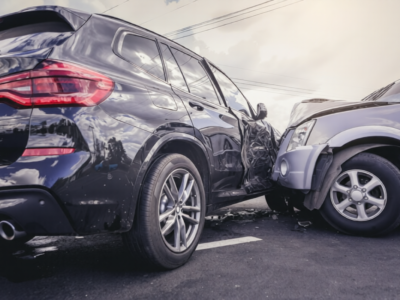



Getting hit by a drunk driver changes everything in an instant. You’re dealing with injuries, medical bills that are piling up, time off work, and the overwhelming stress of recovery. And then there’s the question that starts nagging at you: if the bar kept serving this person when they were clearly drunk, shouldn’t they be held responsible too?
The short answer is yes. New York has specific laws that allow you to sue a bar, restaurant, or nightclub that illegally served alcohol to someone who later caused a drunk driving accident. These are called “dram shop” laws, and they exist because establishments that profit from selling alcohol have a responsibility to avoid sending dangerously intoxicated people out onto the roads.
But understanding exactly when and how you can hold a bar accountable involves some important legal details. This article breaks down everything you need to know about suing a bar for overserving in New York, from what the law actually says to what evidence you’ll need to prove your case.
Can You Sue a Bar That Overserved a Drunk Driver in New York?
Yes, you can sue a bar in New York if it unlawfully served alcohol to someone who then injured you in a drunk driving crash. The legal foundation for this comes from New York’s General Obligations Law § 11-101, commonly known as the dram shop law.
This law gives injured people the right to sue any person or business that unlawfully sold alcohol to an intoxicated person or helped them obtain it, when that unlawful sale caused or contributed to the intoxication that led to your injury. You can recover both actual damages (medical bills, lost wages, pain and suffering) and exemplary damages, which are similar to punitive damages meant to punish the bar for reckless behavior.
The key word here is “unlawfully.” Not every sale of alcohol creates liability. The bar has to have broken specific rules about who they can and cannot serve. That’s where things get more detailed.
When Is Serving Alcohol Actually Illegal Under New York Law?
New York’s Alcoholic Beverage Control Law § 65 spells out exactly when it’s illegal for a bar to serve someone alcohol. A sale becomes unlawful when the establishment serves or gives alcohol to any of these three categories of people:
Anyone under 21 years old, regardless of how sober they appear. If the bar served a minor who later crashed into you, that sale was automatically illegal.
Any person who is visibly intoxicated. This means someone who’s showing clear signs of being drunk, like slurred speech, stumbling, aggression, or an inability to focus. The bartender or server doesn’t need to be a medical expert, but they do need to recognize when someone has had too much.
Any habitual drunkard who the seller knows to be one. This is less common in practice but covers situations where a bar knowingly continues serving someone they recognize as having a serious drinking problem.
The “visibly intoxicated” standard is where most drunk driving cases focus. If witnesses saw the driver stumbling around the bar, if security had to intervene, or if the person was clearly slurring their words while ordering another round, that’s evidence the bar should have stopped serving them. When they didn’t, and that person got behind the wheel and caused a crash, the bar can be held liable.
It’s worth noting that New York law actually protects bartenders and servers who refuse to serve someone. If a bartender cuts off a visibly drunk patron or refuses to serve someone underage, they cannot be held civilly or criminally liable for that refusal. The law wants to encourage responsible service, not punish it.
What Do You Actually Have to Prove in a Dram Shop Case?
Winning a lawsuit against a bar requires proving several specific elements. Just knowing the drunk driver had been at that bar earlier isn’t enough. You need to build a case that connects the dots between the bar’s illegal service and your injuries.
First, you have to show you were injured by an intoxicated person or because of that person’s intoxication. In a drunk driving crash, this is usually straightforward. The police report, DWI charges, and blood alcohol content (BAC) results establish that the driver was drunk and caused the accident.
Second, you need proof that the bar unlawfully sold alcohol to that person. This is often the trickiest part. You’ll need evidence showing either that the driver was visibly intoxicated when the bar continued serving them, or that the driver was under 21 and the bar served them anyway. This might come from witness statements from other patrons or bar staff, surveillance video from inside the establishment, or testimony about how much the person drank and their condition at the time.
Third, you have to prove causation. The alcohol the bar served must have caused or contributed to the driver’s intoxication at the time of the crash. If someone had two beers at the bar but then went somewhere else and drank a bottle of whiskey before driving, the bar’s contribution might not be significant enough to establish liability. Expert witnesses, often toxicologists, can help calculate how much the person’s BAC would have been based on what they consumed at each location.
Finally, New York courts require that the sale be directly to the intoxicated person. If a sober person buys a round of drinks for their group and hands one to an already drunk friend, the bar generally isn’t liable for overserving even if that drunk friend later drives and causes a crash. The bar has to have directly served the intoxicated driver themselves.
Special Rules When the Drunk Driver Was Under 21
New York has a separate statute, General Obligations Law § 11-100, specifically for cases involving minors under 21. This law applies when someone is injured because a person under 21 became intoxicated or impaired by alcohol.
Under this statute, you can sue anyone who knowingly caused that minor’s intoxication by unlawfully furnishing alcohol to them or helping them get it, as long as the person who provided the alcohol knew or should have reasonably known the person was underage.
In practice, this means if a bar served alcohol to someone under 21 who then caused a drunk driving accident, you can sue under both the regular dram shop law and the minor-specific statute. The minor statute can sometimes be easier to prove because you don’t necessarily have to show the young person appeared visibly drunk at the time of service. The mere fact that the bar served someone underage is enough to establish the unlawful sale.
This dual approach recognizes that serving minors is inherently dangerous because younger people often have less tolerance for alcohol and less experience recognizing their own impairment.
Who Can Be Sued and Who Can Sue?
The law allows “any person” who unlawfully sold or helped procure alcohol to be sued. In the context of drunk driving accidents, this primarily means bars, restaurants, nightclubs, taverns, and any other licensed establishments that served the drunk driver. The business entity itself is typically the defendant, though in some cases individual employees who made the decision to continue serving could also be named.
Social hosts can also be sued under these laws if they knowingly provided alcohol to a visibly intoxicated guest or a minor at a private party. However, commercial establishments like bars are far more common defendants in drunk driving cases because they’re in the business of serving alcohol and are expected to maintain higher standards of responsibility.
As for who can sue, the law is fairly broad. Anyone injured “in person, property, means of support, or otherwise” by an intoxicated person can bring a claim. This includes drivers and passengers in other vehicles, pedestrians, bicyclists, and even property owners whose buildings were damaged in a crash. Family members can also sue if their loved one was killed in the accident, both for their own loss of support and companionship and for the deceased’s pain and suffering before death.
Why Suing the Bar Matters Alongside Suing the Driver
You might wonder why you’d bother suing the bar when you can already sue the drunk driver who actually caused the crash. There are several important practical reasons.
First, insurance coverage is often much better. Most individual auto insurance policies have relatively low liability limits. A drunk driver might have $100,000 or $250,000 in coverage, but if your medical bills are $400,000 and you’ve lost a year of wages, that won’t come close to covering your losses. Bars and restaurants typically carry substantial liquor liability insurance with much higher limits, sometimes $1 million or more. Adding the bar as a defendant can dramatically increase the available compensation.
Second, drunk drivers often don’t have significant personal assets beyond their insurance. Even if you win a judgment against them personally, there may be nothing to collect. Bars are businesses with ongoing revenue and assets that can satisfy larger judgments.
Third, holding establishments accountable sends a message to the entire hospitality industry about the importance of responsible alcohol service. When bars face real financial consequences for overserving, they’re more likely to train staff properly and cut people off when necessary.
The bar and the drunk driver are both responsible for what happened to you. The driver chose to get behind the wheel, but the bar chose to keep serving someone who was clearly too drunk to drive safely. Both decisions contributed directly to your injuries.
What Evidence Do You Need to Build Your Case?
Building a strong dram shop case requires gathering the right evidence early. The challenge is that much of what you need is in the bar’s possession, and they’re not going to hand it over voluntarily.
The police report from the accident is critical. It will document the driver’s condition at the scene, including any field sobriety tests, breathalyzer results, and blood alcohol content. High BAC numbers strengthen your case because they show the person was severely intoxicated, which makes it more likely they were visibly drunk when they left the bar.
Witness statements can be powerful. If other patrons or bar employees are willing to describe how drunk the driver appeared while still being served, that testimony directly supports your claim. Sometimes even friends who were with the drunk driver will admit in depositions that the person was clearly wasted but the bar kept serving them anyway.
Surveillance video from inside the bar is often the strongest evidence. Most establishments have cameras throughout the premises. Video showing the driver stumbling, spilling drinks, or having trouble standing, combined with footage of staff continuing to serve them, can be nearly impossible for the bar to explain away. Your attorney will need to request this footage quickly though, because many systems only keep recordings for 30 to 90 days before recording over them.
Credit card and bar tab records show exactly how much alcohol was purchased and over what time period. If the records show someone bought eight drinks in two hours, that helps establish they were likely visibly intoxicated, especially when combined with other evidence about their behavior.
Expert witnesses play an important role. A toxicologist can work backwards from the driver’s BAC at the time of arrest to estimate what their BAC would have been when they left the bar. This helps prove that the alcohol served there contributed to their impairment. Former bartenders or hospitality industry experts can testify about standard practices for recognizing intoxication and when service should have been refused.
How Long Do You Have to File a Lawsuit?
Time limits matter in any legal case, and dram shop claims are no exception. In New York, a lawsuit under the dram shop law is treated as a personal injury claim, which means you generally have three years from the date of the accident to file.
Three years might sound like a long time, but it’s not. You’re likely focused on recovering from your injuries, going through medical treatment, and dealing with insurance companies. Memories fade. Witnesses move away. Video footage gets erased. The sooner you consult with an attorney who handles dram shop cases, the better chance you have of preserving crucial evidence.
There are some exceptions to the three-year rule that can shorten or extend the deadline. If the injured person is a minor, the clock might not start until they turn 18. If you’re suing a government entity (say, if the drunk driver was leaving a government-operated facility that served alcohol), special notice requirements and shorter deadlines might apply. Don’t assume you know exactly how much time you have without talking to an attorney.
What Happens After You File the Lawsuit?
Once your attorney files the lawsuit, the process moves through several stages. The bar and its insurance company will hire their own lawyers to defend the case. They’ll likely argue that their staff didn’t realize the driver was drunk, that the driver was served responsibly, or that most of the drinking happened somewhere else.
Both sides will go through discovery, where you exchange documents and take depositions of witnesses. Your attorney will depose bartenders, servers, security staff, and managers who were working that night. The bar’s attorneys will depose you, any witnesses to the accident, and possibly your medical providers.
Many dram shop cases settle before trial. Once the bar sees strong evidence that their staff overserved the driver, continuing to fight becomes expensive and risky. Their insurance company may decide settling is the smarter financial move. Settlement negotiations might happen at mediation, where both sides meet with a neutral third party to try to reach an agreement.
If the case doesn’t settle, it goes to trial where a jury will decide whether the bar unlawfully served the drunk driver and, if so, how much compensation you should receive. Trials are unpredictable, but when the evidence is strong, juries often return substantial verdicts against bars that kept serving obviously drunk patrons who then hurt innocent people.
Talk With a New York Personal Injury Lawyer at the Porter Law Group. Free, no-obligation, confidential.
Understanding Your Options After a Drunk Driving Accident
Being injured by a drunk driver is traumatic and unfair. You didn’t do anything wrong, yet you’re the one dealing with pain, medical procedures, financial stress, and an uncertain future. When a bar played a role by continuing to serve someone who was clearly too drunk to drive, you have legal options beyond just going after the driver.
New York’s dram shop laws exist because the legislature recognized that businesses profiting from alcohol sales have a responsibility to the community. When they fail in that responsibility and someone gets hurt, they should be held accountable. These lawsuits aren’t just about getting compensation for your injuries, though that matters tremendously. They’re also about changing behavior and making roads safer for everyone.
If you’ve been injured by a drunk driver, talking to an attorney who understands dram shop law can help you understand the full scope of your options. Every case is different, and the specific facts of what happened at the bar that night will determine whether you have a viable claim. But you deserve to know whether the establishment that sent that drunk driver out into the world can be held responsible for what happened to you.