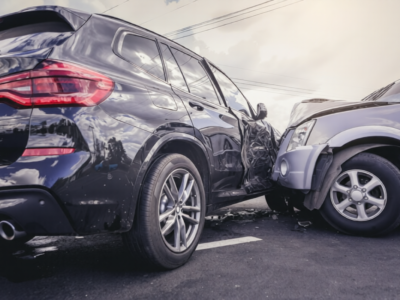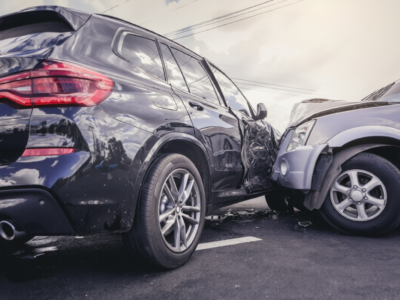




When another driver falls asleep at the wheel and crashes into you, the aftermath can be devastating. Beyond the immediate physical injuries and property damage, you’re left dealing with medical bills, lost wages, and the emotional toll of an accident that should never have happened. If you’ve been hurt in a crash caused by a drowsy driver, you have legal rights, and understanding them is the first step toward getting the compensation you deserve.
Can You Sue a Driver Who Fell Asleep at the Wheel?
Yes, you can absolutely sue a driver who caused an accident by falling asleep. Under New York law, drowsy driving is considered negligent behavior because every driver has a legal duty to operate their vehicle safely. When someone gets behind the wheel knowing they’re too tired to drive safely, or when they ignore obvious signs of fatigue, they breach that duty. If their drowsiness causes a crash that injures you, they can be held legally and financially responsible.
This liability applies whether you suffered minor injuries or catastrophic harm. It also extends to wrongful death lawsuits when drowsy driving accidents result in fatalities, giving families the right to seek justice and compensation for their unimaginable loss.
Understanding Negligence in Drowsy Driving Cases
To successfully sue for a drowsy driving accident in New York, you need to prove negligence. This means establishing four essential elements that connect the driver’s fatigue to your injuries.
First, the driver had a duty of care. Every person who operates a motor vehicle has a legal obligation to do so with reasonable caution and attention. This isn’t a special rule for drivers; it’s a fundamental responsibility we all share when we get behind the wheel.
Second, the driver breached that duty. This happens when someone drives without getting adequate rest or continues driving despite recognizing that fatigue has impaired their judgment and reaction time. As adults, we understand when exhaustion has slowed us down enough to affect our abilities. Choosing to drive in that condition violates the duty of care because it’s reasonable to expect that fatigue could diminish driving ability enough to cause a crash.
Third, the breach must have directly or indirectly caused the accident. The driver’s drowsiness needs to be the reason the crash occurred, whether they actually fell asleep or were simply too tired to react appropriately to road conditions.
Fourth, the crash must have caused you actual harm. This includes physical injuries, property damage, medical expenses, lost income, pain and suffering, and other losses that resulted from the accident.
The reasonable person standard guides how courts evaluate these cases. Essentially, judges and juries ask whether a typical, prudent person in similar circumstances would have acted differently to prevent the injury. If a reasonable person would have recognized they were too tired to drive safely and would have pulled over or found another way home, then the drowsy driver failed to meet their duty of care.
What Makes Drowsy Driving So Dangerous?
Understanding why drowsy driving is considered negligent requires recognizing just how severely fatigue impairs driving ability. According to the Centers for Disease Control and Prevention, drowsiness affects your driving skills even if you manage to stay awake. It slows your reaction time, makes you less attentive to your surroundings, and seriously impairs your decision-making abilities.
The science is stark. Research shows that being awake for 17 hours produces impairment similar to having a blood alcohol concentration of 0.05%. Think about that for a moment. Someone who’s been up since 6 a.m. and is driving home at 11 p.m. may be as impaired as someone who’s been drinking. Yet there’s no breathalyzer for fatigue, no roadside test that definitively proves someone was too tired to drive.
This makes drowsy driving particularly insidious. Drivers often don’t recognize how impaired they’ve become until it’s too late. Fatigue dulls the very mental faculties needed to assess whether you’re fit to drive. You might think you’re managing fine when you’re actually seconds away from nodding off or missing a critical hazard in the road.
The Scope of the Drowsy Driving Problem
Drowsy driving causes far more accidents than most people realize. The National Highway Traffic Safety Administration estimates that in 2017 alone, 91,000 police-reported crashes involved drowsy drivers. These crashes led to an estimated 50,000 injuries and nearly 800 deaths. But experts widely agree these numbers likely underestimate the true problem.
More recent research by the AAA Foundation for Traffic Safety paints an even grimmer picture. Their analysis estimated that 17.6% of all fatal crashes between 2017 and 2021 involved a drowsy driver. That’s nearly one in five fatal crashes. Over that five-year period, drowsy driving claimed an estimated 29,834 lives. Another AAA study suggests that approximately 328,000 drowsy driving crashes occur annually, more than three times the number reflected in police reports, with 109,000 resulting in injuries and about 6,400 proving fatal.
What makes these crashes especially tragic is how often they could have been prevented. A CDC study found that 4.2% of adults across 19 states and the District of Columbia reported having fallen asleep while driving at least once in the previous month. That might sound like a small percentage, but it represents millions of people taking an enormous risk with their own lives and the lives of everyone else on the road.
The same study revealed that adults who slept six hours or less per day, who snored, or who unintentionally fell asleep during the day reported drowsy driving more frequently than others. Men were more likely to report drowsy driving than women, and the prevalence decreased with age, from over 4.9% among adults aged 18 to 44 down to 1.7% among those 65 and older.
How Drowsy Driving Crashes Differ from Other Accidents
Drowsy driving crashes tend to be more severe than other types of accidents. When someone falls asleep at the wheel, there’s often no attempt to brake or swerve. The vehicle continues at full speed until impact, whether that means crashing into another car, hitting a pedestrian, or veering off the road entirely. These single-vehicle crashes where the driver simply drifts off the road are common, but drowsy drivers also cause a disproportionate number of rear-end and head-on collisions.
The lack of defensive action means these crashes often result in more serious injuries and fatalities. When a driver sees danger coming, they instinctively brake or turn the wheel, even if those actions aren’t enough to prevent a collision entirely. But when someone is asleep, there’s no last-second attempt to minimize the impact. The full force of the collision is often unavoidable for everyone involved.
Can Drowsy Driving Be Considered Reckless Driving in New York?
Under New York Vehicle and Traffic Law Section 1212, reckless driving is defined as driving any motor vehicle in a manner that unreasonably interferes with the free and proper use of public highways or parking lots, or that unreasonably endangers other users. Reckless driving is a misdemeanor offense, which means it carries criminal penalties beyond traffic violations.
Drowsy driving can absolutely be charged under this statute if the lack of sleep or rest results in unsafe operation, significant traffic violations, or a collision. Prosecutors look at the totality of circumstances to prove that the driver knew or should have known they were too tired to drive safely. Did they just finish a long shift? Had they been awake for 24 hours straight? Were they on medication known to cause drowsiness? All of these factors help establish whether the driver’s behavior crossed the line from ordinary negligence into reckless disregard for others’ safety.
New York police officers receive training to identify signs of driver fatigue. They may stop drivers based on observable patterns like swerving, drifting across lane markers, delayed reactions, or other hazardous maneuvers. If an officer observes these behaviors, it can lead to charges even before an accident occurs.
What Are the Criminal Penalties for Causing an Accident While Drowsy?
The penalties for fatigue-related crashes in New York vary depending on the outcome. Operating a vehicle while fatigued without causing injury can result in a traffic infraction or reckless driving charge carrying fines up to $300, five points on your driver’s license, and possible jail time up to 30 days.
When drowsy driving causes injury, the consequences become much more severe. Misdemeanor or felony charges can bring fines up to $5,000, imprisonment up to seven years, and a one-year license revocation if convicted of vehicular assault. These criminal penalties operate separately from any civil lawsuit you might file, and a criminal conviction can actually strengthen your civil case by establishing that the driver’s behavior was negligent or reckless.
Who Is Most at Risk for Drowsy Driving?
Certain groups face higher risks of driving while fatigued:
Commercial drivers who spend long hours on the road, especially truck drivers operating under tight delivery schedules, are particularly vulnerable.
People who work night shifts or extended shifts struggle to maintain normal sleep patterns, and the disruption can lead to severe fatigue during commute times.
Drivers with untreated sleep disorders like sleep apnea may not get restorative sleep even when they spend adequate time in bed. They wake up tired and stay tired throughout the day, sometimes without realizing how impaired they’ve become.
Anyone taking sedating medications, whether prescription drugs for anxiety or depression, over-the-counter sleep aids, or certain allergy medications, may experience drowsiness that impairs driving ability.
But you don’t need to fit into a high-risk category to drive drowsy. Anyone who doesn’t get adequate sleep is at risk. In our busy, demanding world, many people routinely shortchange their sleep to meet work deadlines, care for family members, or simply fit in all the activities they’ve committed to. Every time someone gets behind the wheel exhausted, they’re gambling with their own life and the lives of everyone else on the road.
How Do You Prove Someone Was Too Tired to Drive?
This is where drowsy driving cases become challenging. Unlike drunk driving, there’s no breathalyzer for fatigue, no blood test that definitively shows someone was too tired to drive safely. This means building a strong case requires gathering circumstantial evidence that tells the story of what happened and why.
The crash scene itself often provides important clues. The absence of skid marks suggests the driver never hit the brakes, a strong indicator they may have been asleep or severely inattentive. The nature of the collision matters too. Did the vehicle drift across the center line into oncoming traffic? Did it run off the road for no apparent reason? These patterns are consistent with drowsy driving.
Witness testimony can be invaluable. Other drivers may have noticed the at-fault driver weaving between lanes, driving unusually slowly, or drifting onto the shoulder in the moments before the crash. Sometimes witnesses see the actual moment when a driver’s head drops or the vehicle suddenly veers off course.
Statements from the driver themselves carry significant weight. In the immediate aftermath of a crash, before they’ve had time to think about legal consequences, drivers often admit to being tired or acknowledge they fell asleep. These admissions can be documented in police reports or recorded by witnesses.
Work records and sleep history help establish context. If the driver had just finished a 16-hour shift or was working their third consecutive night shift, this demonstrates they likely hadn’t gotten adequate rest. Cell phone records can show whether they were texting or on calls throughout the night when they should have been sleeping. For commercial drivers, electronic logging devices and onboard tracking systems reveal how many hours they’d been driving without rest breaks.
Medical records sometimes come into play. If the driver has a diagnosed sleep disorder that wasn’t being properly treated, or if they were taking medications known to cause drowsiness, this information helps establish that they should have known they weren’t fit to drive.
What Compensation Can You Recover After a Drowsy Driving Accident?
When you file a personal injury claim in New York after being hurt by a drowsy driver, you can seek compensation for all the losses their negligence caused. This includes economic damages like medical expenses, from emergency room treatment through surgeries, physical therapy, medications, and any ongoing care you’ll need. It covers rehabilitation costs, medical equipment, and modifications to your home if you’ve been left with disabilities that require accommodation.
Lost income represents another major category. If your injuries prevented you from working, you’re entitled to compensation for those lost wages. If you can’t return to your previous job or can only work part-time because of lasting limitations, you can seek damages for lost earning capacity.
Non-economic damages address the ways your life has been diminished that don’t come with price tags. Pain and suffering compensation recognizes the physical discomfort and emotional distress you’ve endured. If you’ve been left with permanent disabilities, you can seek damages for how those disabilities affect your quality of life. Courts may also award compensation for emotional distress, loss of enjoyment of life, and in cases where a loved one was killed, loss of companionship and consortium.
When a driver’s behavior was particularly egregious, showing a reckless disregard for others’ safety, courts sometimes award punitive damages designed to punish the wrongdoer and deter similar conduct in the future. While these are less common in drowsy driving cases than in drunk driving cases, they’re not impossible when the facts demonstrate truly reckless behavior.
Taking Action After a Drowsy Driving Accident
The period immediately following a serious accident is overwhelming. You’re dealing with injuries, insurance companies, medical appointments, and the financial stress of mounting bills and lost income. It’s easy to feel powerless, especially when the accident resulted from something as preventable as someone choosing to drive when they knew they were too tired.
Understanding your legal rights doesn’t erase what happened, but it does give you a path forward. Holding a drowsy driver accountable through a personal injury lawsuit serves multiple purposes. It provides the financial compensation you need to cover your losses and move forward with your life. It ensures the driver faces consequences for their negligent choice. And it sends a broader message that drowsy driving is serious, dangerous, and carries real legal repercussions.
The legal process can feel daunting, particularly when you’re still recovering from your injuries. Working with an experienced personal injury attorney who understands New York law and has handled drowsy driving cases gives you someone in your corner who knows how to gather the evidence, build a compelling case, and fight for maximum compensation. They can handle negotiations with insurance companies, who often try to minimize payouts or deny claims altogether, and take your case to trial if a fair settlement can’t be reached.
Talk With a New York Personal Injury Lawyer at the Porter Law Group. Free, no-obligation, confidential.
Summing It Up
Drowsy driving is not a minor mistake or an unavoidable accident. It’s a choice, and when that choice results in someone else getting hurt, the law recognizes it as negligence. You have the right to hold that driver accountable, to seek full compensation for everything you’ve lost, and to ensure they face real consequences for putting others at risk.
Every case is different, with unique circumstances that affect both liability and damages. If you’ve been injured by a drowsy driver, speaking with a qualified personal injury attorney about your specific situation is the best way to understand your options and take the first step toward justice.