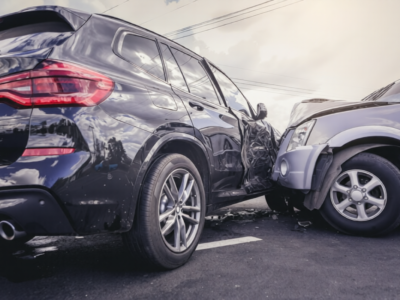

Getting hit by someone making a left turn can feel especially frustrating. You had the right of way, you were driving straight through an intersection, and suddenly someone turned directly into your path. The damage is done, you’re hurt, and now you’re trying to figure out what comes next.
In New York, the answer to whether you can sue isn’t as straightforward as “yes, they hit you, so you can take them to court.” The state’s no-fault insurance system creates specific rules about when you’re allowed to file a lawsuit after any car accident, including left-turn crashes. Understanding these rules matters because they determine what kind of compensation you can pursue and when.
How New York’s No-Fault Insurance System Works
New York requires all drivers to carry Personal Injury Protection coverage, commonly called PIP. When you’re injured in a car accident, your own insurance company pays for your medical bills and a portion of your lost wages, regardless of who caused the crash. This is what “no-fault” means. You file a claim with your own insurer first, not with the other driver’s insurance.
Your PIP coverage provides up to $50,000 in benefits. This includes all reasonable and necessary medical treatment, 80% of your lost earnings, up to $25 per day for other expenses related to the accident (like hiring help around the house), and a $2,000 death benefit. You need to file your no-fault claim within 30 days of the accident.
The trade-off for this guaranteed coverage is that New York limits your ability to sue the at-fault driver. You can’t just file a lawsuit because someone else caused your injuries. You have to meet specific legal thresholds first.
Can You Sue After a Left-Turn Accident in New York?
Yes, but only under certain conditions. New York Insurance Law allows you to sue for pain and suffering and other non-economic damages if you meet one of two requirements.
First, you can sue if your basic economic losses exceed $50,000. This means your medical bills and lost wages have gone beyond what your PIP coverage pays. For many people injured in car accidents, this threshold is difficult to reach unless the injuries are particularly serious.
Second, and more commonly, you can sue if you suffered what New York law defines as a “serious injury.” This is the path most people take when they want to pursue a lawsuit after a car accident.
What Counts as a Serious Injury Under New York Law?
New York Insurance Law Section 5102(d) provides a specific definition of serious injury. It’s not subjective. Your injury must fall into one of these categories:
Death, dismemberment, significant disfigurement, or a fracture (any broken bone). These are relatively straightforward. If you broke your leg, fractured your wrist, or suffered a broken rib in the crash, you’ve met the serious injury threshold.
The law also includes permanent loss of use of a body organ, member, function, or system. This covers injuries like losing your vision, hearing, or the use of a limb. Permanent consequential limitation of use of a body organ or member is similar but applies when you haven’t completely lost function but have lasting, significant limitations.
Significant limitation of use of a body function or system is broader and applies to injuries that substantially limit your ability to use part of your body, even if not permanently. This might include a severe back injury that prevents you from performing normal activities.
Finally, there’s a category called the 90/180 rule, which is for injuries that aren’t permanent but are still serious enough to meet the threshold. If you have a medically determined injury that prevents you from performing substantially all of your usual daily activities for at least 90 out of the first 180 days after the accident, you qualify. This recognizes that some injuries, while they may eventually heal, are severe enough in the short term to justify a lawsuit.
Meeting the serious injury threshold requires medical documentation. Your doctors need to clearly show the extent of your injuries, how they limit your abilities, and how long these limitations lasted or will last.
Why Left-Turn Accidents Are Different
Left-turn crashes are among the most dangerous types of intersection accidents. According to the National Highway Traffic Safety Administration, 22.2% of all car accidents involve a vehicle making a left turn. More than half of all crossing-path accidents happen during or right after a left turn, compared to less than 6% involving right turns.
The reason these crashes are so dangerous has to do with physics and vehicle design. When a car making a left turn gets hit by oncoming traffic, the impact usually strikes the side of the turning vehicle. These T-bone collisions hit areas of the car with far less structural protection than the front or rear. Side-impact crashes often result in traumatic brain injuries, spinal cord damage, broken bones, and other catastrophic harm.
The Insurance Institute for Highway Safety found that left-turn crashes are three times more likely to result in fatalities than right-turn accidents. Research published in medical journals has identified factors that make left-turn crashes even more severe, including alcohol involvement, disregard for traffic signals, nighttime driving, high speed limits, and head-on collisions.
Who Is at Fault in a Left-Turn Accident?
New York Vehicle and Traffic Law Section 1141 is clear about who has the right of way. The law states that any driver making a left turn must yield to oncoming vehicles that are already in the intersection or close enough to create an immediate hazard.
This creates what lawyers call a rebuttable presumption of negligence against the driver making the left turn. In plain terms, if you were driving straight and someone turned left into you, the law presumes they were at fault. They had a legal duty to wait until it was safe to turn, and they didn’t.
That presumption can be rebutted, which means the left-turning driver can try to prove they weren’t actually at fault. Maybe you were speeding excessively. Maybe you ran a red light. Maybe you were driving recklessly. But they have to prove these things. The starting point is that they failed to yield when they should have.
Common causes of left-turn accidents include drivers who simply fail to see oncoming traffic, misjudge the speed or distance of approaching vehicles, become distracted, try to beat a yellow light, or make assumptions about what other drivers will do. The NHTSA reports that false assumptions about other drivers’ actions are responsible for approximately 8.4% of left-turn crashes.
How Does Comparative Negligence Affect Your Case?
Even if the other driver was mostly at fault, you might share some responsibility for the accident. New York follows what’s called pure comparative negligence. This means you can still recover compensation even if you were partially at fault, but your recovery is reduced by your percentage of fault.
If you’re found to be 30% responsible for the accident (maybe you were slightly over the speed limit or not paying full attention), you can still sue and recover 70% of your damages. If you’re 60% at fault, you get 40% of your damages. You can recover something as long as you’re not 100% at fault.
This is important to understand because insurance companies will try to assign you as much fault as possible to reduce what they have to pay. They might argue you could have seen the other car turning and avoided the crash. They might claim you were distracted. They might say you were driving too fast for conditions.
Comparative negligence only comes into play after you’ve met the serious injury threshold or exceeded your PIP coverage limits. You still have to clear that hurdle first before questions of shared fault matter in a lawsuit.
What Compensation Can You Seek in a Lawsuit?
If you meet the serious injury threshold and can file a lawsuit, you’re pursuing compensation for non-economic damages. This is primarily pain and suffering, but it also includes loss of enjoyment of life, emotional distress, and loss of consortium (the impact on your relationship with your spouse).
These damages are meant to compensate you for the ways the injury has affected your life beyond just the financial costs. Chronic pain that interferes with your daily activities. The inability to play with your kids or participate in hobbies you once loved. The emotional toll of dealing with a serious injury and recovery. The strain on your marriage or family relationships.
You’re also seeking economic damages beyond what PIP covers. If your medical bills exceed $50,000, you can sue for the excess. If you’ve lost wages beyond the 80% that PIP covers, you can claim those. If the accident has left you unable to work in the future, you can seek compensation for future lost earnings.
Property damage to your vehicle is handled separately and isn’t subject to the no-fault system. You can always pursue a claim for damage to your car directly against the at-fault driver’s insurance.
The Reality of Left-Turn Accident Cases
Most car accident cases in New York, including left-turn crashes, settle before trial. Insurance companies know when they’re facing liability, especially in left-turn accidents where the law presumes the turning driver was at fault. But settlements don’t happen automatically.
You need to prove you suffered a serious injury as defined by New York law. This requires comprehensive medical documentation showing the extent of your injuries, the treatment you received, how the injuries limit your activities, and the expected long-term impact. Your doctors’ records, diagnostic tests, physical therapy notes, and expert medical opinions all become crucial evidence.
You also need to prove the other driver’s negligence caused your injuries. In a left-turn accident, this is often straightforward based on the police report, witness statements, and physical evidence from the scene. But insurance companies will look for any reason to deny or minimize your claim.
The strength of your case affects settlement negotiations. If you have clear evidence of a serious injury and clear liability, you’re in a much stronger position. If there are questions about whether your injury meets the serious injury threshold, or if there’s evidence you share some fault, settlements become more complicated.
When Should You Consider Legal Help?
If your injuries from a left-turn accident are minor and you’ve recovered fully, you probably don’t need an attorney. Your PIP coverage should handle your medical bills and most of your lost wages, and you can move on.
But if you’re facing ongoing medical treatment, persistent pain, limitations on your activities, significant time off work, or uncertainty about whether you’ll fully recover, the stakes are different. These situations likely involve a serious injury under New York law, which means you have the right to sue for additional compensation.
Having an attorney makes a difference in these cases. Insurance companies have teams of lawyers and adjusters working to minimize what they pay. They know the law, they know how to challenge serious injury claims, and they know how to use comparative negligence to reduce settlements. You’re facing that system alone if you try to handle the case yourself.
An experienced attorney knows how to document a serious injury claim, knows what medical evidence you need, knows how to respond to insurance company tactics, and knows the value of your case. They handle negotiations so you can focus on recovery. And if a fair settlement isn’t possible, they can take your case to trial.
Talk With a New York Personal Injury Lawyer at the Porter Law Group. Free, no-obligation, confidential.
Understanding Your Rights After Getting Hit
Getting hit by a driver making a left turn can turn your life upside down. The physical pain, the medical appointments, the time off work, the financial stress, and the uncertainty about recovery all take their toll. Understanding your legal rights doesn’t make the injury go away, but it does give you a path forward.
New York’s no-fault system provides immediate benefits through your own insurance, which helps with medical bills and lost wages while you focus on getting better. If your injuries are serious enough under the legal definition, you have the right to pursue additional compensation through a lawsuit. That compensation can cover pain and suffering, future medical needs, lost earning capacity, and the other ways a serious injury impacts your life.
The law presumes the left-turning driver was at fault, which works in your favor. But insurance companies will still look for ways to deny or reduce your claim. Having strong medical documentation, understanding the serious injury threshold, and knowing how comparative negligence might affect your case all matter.
You don’t have to figure this out alone. If you’re dealing with serious injuries from a left-turn accident, talking with a personal injury attorney who handles these cases in New York can help you understand your options and make informed decisions about what to do next.