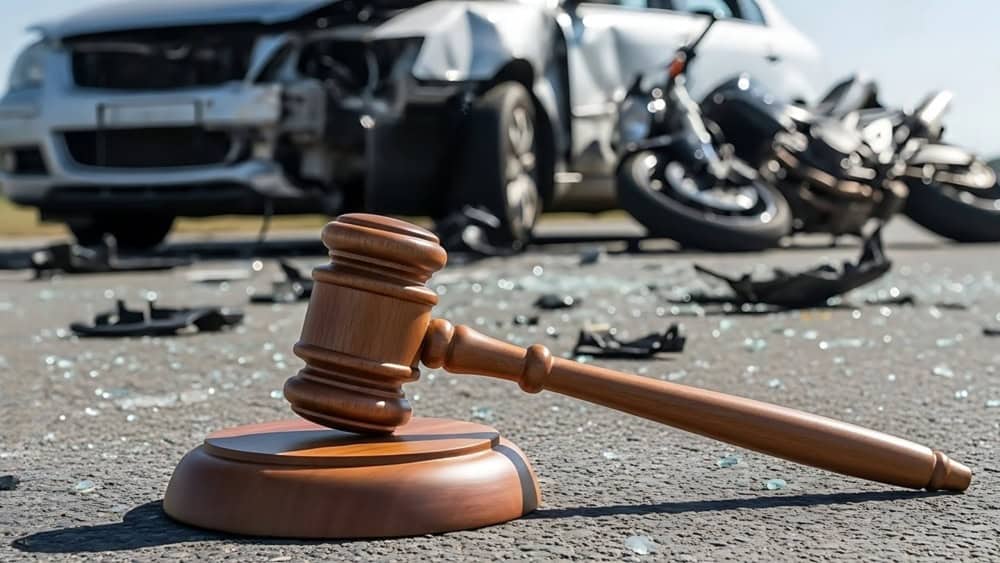




Getting hit by a driver who speeds off leaves you dealing with physical injuries, a damaged vehicle, and the frustrating reality that the person responsible has disappeared. In New York City, where thousands of vehicles crowd every street and intersection, hit-and-run accidents happen more often than most people realize. The question isn’t just whether you need a lawyer, but whether trying to handle the aftermath alone puts you at risk of losing compensation you’re entitled to.
Prior results do not guarantee a similar outcome.
The short answer is often yes. Most hit-and-run victims benefit significantly from legal representation, especially when injuries are involved. These cases come with unique complications that don’t exist in typical car accidents. You’re not just proving what happened; you’re often trying to identify who did it while racing against strict deadlines that can eliminate your right to recover certain benefits at all.
What Makes Hit and Run Cases Different from Regular Accidents
When another driver stays at the scene of an accident, you exchange insurance information, file a claim, and move forward with a relatively straightforward process. Hit-and-run cases flip that process entirely. The at-fault driver has vanished, taking their insurance information with them. You might not have a license plate number, a clear description of the vehicle, or any witnesses who saw what happened.
This creates immediate problems. Your insurance company needs information to process claims. Law enforcement needs leads to investigate. Without an identifiable defendant, filing a lawsuit becomes difficult until someone is located. Meanwhile, your medical bills are piling up, you might be missing work, and your car needs repairs you can’t afford.
The evidence you need exists somewhere, but finding it requires resources most accident victims don’t have. Surveillance cameras from nearby businesses, traffic cameras, doorbell cameras from residential buildings, and red-light cameras all potentially captured the incident. Tracking down this footage before it’s automatically deleted requires knowing where to look and how to request it quickly. Accident reconstruction experts can analyze skid marks, debris patterns, and damage to determine the type of vehicle involved and how the collision occurred.
These investigative steps cost money and require expertise. Insurance companies have teams of adjusters and investigators working to minimize what they pay out. Going up against that infrastructure alone, while recovering from injuries and managing the stress of an accident, puts you at a serious disadvantage.
What the Law Requires After a Hit and Run in New York
New York’s Vehicle and Traffic Law Section 600 makes it illegal for any driver involved in an accident to leave without stopping. The law requires drivers to exchange contact and insurance information and provide assistance if anyone is injured. This requirement applies even if the driver didn’t cause the accident. Simply being involved creates a legal obligation to stop.
When a hit-and-run involves only property damage, it’s classified as a traffic infraction. The penalties include fines, potential license suspension, and in some cases jail time for repeat offenses. When the accident causes injury or death, the charges escalate to criminal offenses ranging from a Class A misdemeanor to a Class D felony, depending on the severity of injuries and whether the driver was intoxicated.
Drivers involved in accidents must also file an accident report with the New York Department of Motor Vehicles within 10 days. Failing to file this report is a misdemeanor that can result in license suspension, regardless of who caused the accident.
For victims, the law creates certain obligations too. If the accident results in injuries or property damage exceeding $1,000, you must report it to police. This isn’t just about following the law. The police report becomes crucial evidence for insurance claims and any potential lawsuit. Without an official report documenting what happened, insurance companies often deny claims or argue that the accident wasn’t as serious as you claim.
Can You Sue After a Hit and Run Accident
Yes, you can sue after a hit-and-run accident in New York, but your ability to do so depends heavily on whether the at-fault driver is ever identified. If police locate the driver who hit you, you can file a personal injury lawsuit against them just like any other car accident case. You’ll need to prove they caused the accident and that your injuries resulted from their actions.
The complication comes when the driver is never found. You cannot sue someone whose identity is unknown. This is where insurance coverage becomes critical, and where many hit-and-run victims discover gaps in their protection they didn’t know existed.
New York follows what’s called a “serious injury threshold” for car accident lawsuits. Under Insurance Law Section 5102(d), you can only sue for pain and suffering if your injuries meet specific criteria. These include:
- Death;
- Dismemberment;
- Significant disfigurement;
- A fracture;
- Loss of a fetus;
- Permanent loss of use of a body organ, member, function or system;
- Permanent consequential limitation of use of a body organ or member;
- Significant limitation of use of a body function or system.
The 2026 reforms removed a former category, the 90/180-day rule for non-permanent injuries, for lawsuits commenced on or after May 26, 2026. Lawsuits commenced before that date are still evaluated under the prior definition.
If your injuries meet this threshold and the driver is identified, you can pursue compensation for medical expenses, lost wages, property damage, pain and suffering, and other damages. But if the driver is never found, your options shift entirely to insurance coverage.
How New York’s No-Fault Insurance System Affects Your Case
New York operates under a no-fault insurance system, which fundamentally changes how car accident claims work. Regardless of who caused the accident, your own insurance company covers your initial medical expenses and lost wages through Personal Injury Protection coverage, commonly called PIP or no-fault benefits.
This system exists to reduce litigation and speed up compensation for accident victims. Instead of waiting to prove fault and negotiate with another driver’s insurer, you file a claim with your own insurance company. PIP coverage pays for reasonable and necessary medical treatment, 80% of lost earnings up to policy limits, and other expenses like transportation to medical appointments.
The catch is timing. You must file Form NF-2 with your insurance company within 30 days of the accident. This deadline is absolute. Missing it forfeits your right to no-fault benefits entirely, leaving you personally responsible for medical bills and lost income. Insurance companies don’t typically send reminders or extend deadlines out of courtesy. If you’re in the hospital recovering from serious injuries and miss this deadline, you lose coverage.
The no-fault system also limits when you can step outside it to sue for additional damages. You can only file a lawsuit for pain and suffering if your injuries meet the serious injury threshold. This prevents lawsuits over minor injuries while preserving the right to seek full compensation for significant harm.
Understanding these rules matters because insurance companies often try to minimize what they pay, even under your own policy. They might dispute whether your medical treatment was necessary, argue that your injuries weren’t caused by the accident, or claim you didn’t file paperwork correctly. Having a lawyer ensures your no-fault claim is filed properly and that your insurance company doesn’t wrongfully deny benefits you’re entitled to receive.
What Happens When the Driver Is Never Found
Many hit-and-run drivers are never identified. They might have fled down side streets before witnesses could get a plate number, or the accident happened in an area without surveillance cameras. When this occurs, you need alternative sources of compensation.
Uninsured motorist coverage, often abbreviated as UM or UIM for underinsured motorist coverage, exists specifically for situations where the at-fault driver either has no insurance or cannot be identified. If you have this coverage on your own auto insurance policy, you can file a claim against it for a hit-and-run accident.
Many New Yorkers don’t realize they have this coverage or don’t understand what it covers. UM/UIM coverage can compensate you for injuries, pain and suffering, and other damages beyond what no-fault benefits provide. The coverage limits depend on what you purchased when you bought your policy, but it can be substantial.
If you don’t have applicable uninsured motorist coverage, or if your coverage isn’t enough, New York provides a safety net called the Motor Vehicle Accident Indemnification Corporation, or MVAIC. This is a state fund specifically designed to compensate victims of hit-and-run accidents and accidents involving uninsured drivers.
MVAIC functions as a last-resort insurer. You can file a claim with MVAIC if you were injured by an unidentified driver, the at-fault driver had no insurance, or the insurance company became insolvent. However, MVAIC claims are notoriously complex. The eligibility requirements are strict, the filing process is complicated, and the deadlines are unforgiving.
To qualify for MVAIC compensation, you must have filed a police report, you must prove your injuries resulted from the accident, and you must demonstrate that no other insurance coverage is available. MVAIC also caps compensation at $25,000 for property damage and $50,000 per person for bodily injury, with a $100,000 limit per accident. These amounts often fall short of covering serious injuries.
Filing a MVAIC claim without legal representation frequently results in denial. The application requires extensive documentation, legal arguments about coverage, and proof that you’ve exhausted all other options. MVAIC and insurers often dispute claims based on technical requirements, especially notice and eligibility.
The Deadlines You Cannot Afford to Miss
Hit-and-run cases involve multiple deadlines, each with serious consequences if missed. These aren’t flexible guidelines; they’re hard cutoffs that eliminate your legal rights.
The 30-day deadline for filing your no-fault insurance claim is perhaps the most critical. From the date of the accident, you have exactly 30 days to submit Form NF-2 to your insurance company. There are no extensions for being hospitalized, not understanding the requirement, or dealing with other accident-related issues. Miss this deadline and your insurance company will deny coverage for all medical expenses and lost wages that would have been covered.
For personal injury lawsuits, New York gives you three years from the date of the accident to file a case in court. This might seem like plenty of time, but it’s not as generous as it appears. Evidence disappears, witnesses’ memories fade, and surveillance footage gets deleted. The longer you wait, the harder it becomes to build a strong case.
The three-year deadline also shortens dramatically if a government vehicle was involved. If you were hit by a city bus, sanitation truck, or any vehicle owned by a municipal, county, or state government entity, you must file a notice of claim within 90 days. This notice is a prerequisite to filing a lawsuit. Without it, you cannot sue a government entity regardless of how strong your case is.
If you’re filing a MVAIC claim, separate deadlines apply. You must file within two years of the accident, but you also need to demonstrate that you’ve exhausted other coverage options first. This often means waiting for insurance claims to be denied before MVAIC will consider your application, which can create timing complications.
Police reports have their own deadlines. New York law requires reporting accidents that cause injury or property damage exceeding $1,000. While the law technically requires reporting within 24 hours, the practical reality is that you should call 911 immediately after a hit-and-run. The police report created at the scene becomes crucial evidence for every claim and lawsuit that follows.
Drivers involved in accidents must file a DMV report within 10 days, though this obligation primarily affects the at-fault driver. Still, understanding this requirement matters because it can affect how your case develops if the driver is eventually identified.
What a Lawyer Actually Does in Hit and Run Cases
The value of legal representation in hit-and-run cases goes beyond just filing paperwork. Lawyers bring resources and expertise that directly impact whether you recover compensation.
Investigation is often the first critical step. Lawyers can hire private investigators to canvass the accident scene, contact businesses and residences for surveillance footage, and interview witnesses. They work with accident reconstruction experts who can analyze the physical evidence to determine what type of vehicle was involved, how fast it was traveling, and the sequence of events leading to the collision.
This investigative work often identifies the at-fault driver when police investigations have stalled. Law enforcement agencies prioritize cases based on severity and available leads. A hit-and-run with minor injuries might receive limited investigation resources. Private investigators working for your attorney focus exclusively on your case, following leads that police might not have time to pursue.
Lawyers also handle all communication and negotiation with insurance companies. This matters more than most people realize. Insurance adjusters are trained to minimize payouts. They’ll ask questions designed to get you to say things that undermine your claim. They’ll make settlement offers that sound reasonable but fall far short of what your case is actually worth. They’ll dispute the severity of your injuries, argue that your medical treatment was excessive, or claim you were partially at fault for the accident.
Having a lawyer means these conversations happen between legal professionals who understand the tactics being used. Your attorney knows what your case is worth based on similar cases, jury verdicts, and settlement trends. They won’t accept lowball offers or let the insurance company pressure you into settling before you’ve finished medical treatment and understand the full extent of your injuries.
The legal complexity of no-fault claims, MVAIC applications, and uninsured motorist coverage creates numerous opportunities for mistakes that cost you compensation. Lawyers ensure forms are filed correctly and on time. They gather the medical documentation needed to prove your injuries. They make legal arguments about coverage and liability that insurance companies cannot simply dismiss.
If your case goes to court, whether for a lawsuit against an identified driver or to appeal an insurance denial, you need someone who understands courtroom procedure, rules of evidence, and how to present a case to a jury. Most personal injury victims have never been involved in litigation. Trying to represent yourself against experienced defense attorneys and insurance company lawyers puts you at a severe disadvantage.
Lawyers also identify all potential sources of compensation. In some hit-and-run cases, the at-fault driver isn’t the only party who might be liable. If the driver was working at the time of the accident, their employer might be responsible. If the vehicle was owned by someone else, the owner might face liability for allowing an irresponsible driver to use their car. These additional defendants can provide insurance coverage and assets to compensate you even if the actual driver has limited resources.
When Do You Absolutely Need Legal Representation?
While every hit-and-run victim benefits from at least consulting with a lawyer, certain situations make legal representation essential rather than just helpful.
If you suffered serious injuries that required hospitalization, surgery, or ongoing medical treatment, you should strongly consider a lawyer. These cases involve substantial medical expenses, significant lost income, and potentially permanent impacts on your quality of life. The compensation at stake is high enough that insurance companies will fight hard to minimize what they pay. You need someone equally committed to fighting for full compensation.
When the at-fault driver cannot be identified, navigating uninsured motorist claims and MVAIC applications without legal help often results in denied claims or inadequate settlements. The technical requirements are too complex and the insurance companies too experienced at finding reasons to deny coverage.
If your insurance company denies your no-fault claim or disputes the medical treatment you received, you need legal representation to appeal the denial and fight for the benefits you’re entitled to under your policy.
Cases involving pedestrians or cyclists hit by vehicles that fled the scene are particularly serious. These accidents often cause severe injuries because pedestrians and cyclists have no protection in a collision. The medical expenses and long-term impacts justify the cost of legal representation.
If any government vehicle was involved, you must consult with a lawyer immediately because of the 90-day notice requirement. Missing this deadline eliminates your right to compensation entirely, regardless of how strong your case is.
When the accident resulted in permanent injuries, disability, or disfigurement, the stakes are too high to handle alone. These cases involve complex calculations of future medical expenses, lost earning capacity, and pain and suffering that will continue for years or decades. Insurance companies will dispute these projections and try to minimize long-term impacts. You need expert witnesses, economic testimony, and legal arguments that only an experienced attorney can provide.
Steps to Take Right Now If You’ve Been in a Hit and Run
The actions you take immediately after a hit-and-run accident directly impact your ability to recover compensation. Even if you’re reading this days or weeks after the accident, these steps still matter.
Get medical attention as soon as possible if you haven’t already. Even injuries that seem minor can be serious. Head trauma, internal injuries, and soft tissue damage don’t always cause immediate pain but can have serious health consequences. From a legal standpoint, delaying medical treatment gives insurance companies an argument that your injuries weren’t serious or weren’t caused by the accident. The medical records created when you first seek treatment become crucial evidence linking your injuries to the accident.
If you haven’t filed a police report, do so immediately. Call the non-emergency police number if you’re past the immediate aftermath of the accident. The police report documents what happened and creates an official record that you were the victim of a hit-and-run. Insurance companies require this report for claims, and MVAIC won’t consider an application without it.
Gather any evidence you still have access to. Take photos of your injuries as they develop and heal. Photograph any vehicle damage. Write down everything you remember about the accident while the details are fresh, including the time, location, weather conditions, traffic patterns, and any description of the vehicle that hit you. If you remember businesses or residences near the accident scene that might have cameras, write down their addresses.
Contact any witnesses who saw the accident and get their contact information. If you didn’t get this information at the scene, return to the location and ask around. Post on neighborhood social media groups asking if anyone saw the accident or has camera footage.
Notify your insurance company about the accident, but be careful about giving recorded statements or signing releases before talking to a lawyer. You must report the accident to preserve your rights under your policy, but insurance adjusters will ask questions designed to minimize your claim. A simple statement that you were involved in a hit-and-run accident on a specific date and that you’re seeking medical treatment is sufficient until you’ve consulted with an attorney.
Don’t post about the accident on social media. Insurance companies regularly search for and monitor social media accounts of accident victims. Photos or comments that contradict your injury claims will be used against you. Even innocent posts can be taken out of context to argue that you’re not as injured as you claim.
Keep detailed records of everything related to the accident. Save all medical bills, receipts for prescriptions, documentation of missed work, and records of any other expenses caused by the accident. Keep a journal documenting your pain levels, limitations on your activities, and how the injuries affect your daily life. This documentation becomes evidence of your damages.
Consult with a personal injury lawyer as soon as possible. Most offer free consultations where they’ll evaluate your case, explain your options, and advise you on next steps. You’re not obligated to hire them after the consultation, but you’ll have much better information about your legal rights and the strength of your case. Given the strict deadlines involved in hit-and-run cases, waiting to consult with a lawyer can eliminate options that would have been available if you’d acted sooner.
Get a free case review from an experienced personal injury attorney.
Summing It Up
Hit-and-run accidents leave victims facing medical bills, lost wages, and property damage while the person responsible has disappeared. The question of whether you need a lawyer isn’t really about whether legal representation would help, but whether trying to navigate the complex insurance claims, strict deadlines, and investigation requirements on your own puts your recovery at risk.
The honest answer is that most hit-and-run victims benefit significantly from legal representation, especially when injuries are serious, when the driver cannot be identified, or when insurance companies dispute claims. The resources lawyers bring to investigating these cases, the expertise they provide in dealing with insurance companies, and their knowledge of the technical requirements for various types of claims directly impact how much compensation you ultimately receive.
New York’s 30-day deadline for no-fault benefits, the three-year statute of limitations for lawsuits (or 90 days for government vehicles), and the complex requirements for MVAIC claims create numerous opportunities for mistakes that cost you compensation you’re entitled to. The contingency fee structure means you can access legal representation without upfront costs, and you only pay if your lawyer recovers compensation for you.
If you’ve been the victim of a hit-and-run accident in New York City, the most important step is acting quickly. Seek medical attention, file a police report, notify your insurance company, and consult with a personal injury lawyer who can evaluate your specific situation and advise you on the best path forward. The decisions you make in the days and weeks after the accident will determine whether you receive full compensation for your injuries or end up bearing the financial burden of someone else’s decision to flee the scene.