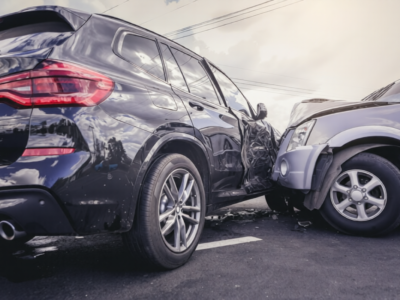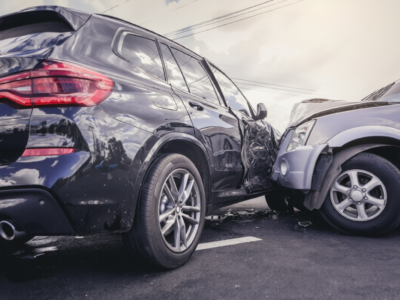


When most people think about the cost of a car accident, they imagine the crumpled bumper, the tow truck bill, and maybe some medical expenses. But the real financial impact of a collision extends far beyond what you see in those first few hours. The hidden costs can accumulate for months or even years after the accident, affecting your finances, your health, and your quality of life in ways you might not anticipate until the bills start arriving.
Prior results do not guarantee a similar outcome.
Understanding these hidden costs matters because they directly affect your ability to recover compensation after an accident. Many accident victims settle their claims too quickly, only to discover later that they’re stuck paying for expenses they didn’t even know to expect. Whether you’re dealing with the aftermath of a recent collision or trying to understand what compensation you might be entitled to, knowing the full scope of accident costs helps you make informed decisions about your case.
The Real Financial Impact of Car Accidents
The numbers tell a sobering story. Car accidents cost the United States approximately $417 billion annually when you account for all the direct and indirect expenses. That breaks down to about $130 billion in lost productivity, $141 billion in property damage, $38 billion in medical costs, and another $108 billion in other related expenses. These aren’t just statistics. They represent real people struggling with unexpected bills, lost paychecks, and financial stress that compounds the physical and emotional trauma of being in an accident.
In New York specifically, traffic crashes create economic ripples that touch nearly everyone who drives. Roadway deficiencies alone cost New York drivers $40.3 billion yearly, a figure that has increased 44% since 2022. The average New York driver pays about $718 annually in extra vehicle operating costs just from dealing with poor road conditions that contribute to accidents and vehicle wear. These costs don’t even include what happens when you’re actually in a collision.
Medical Bills That Keep Coming
The emergency room visit and initial treatment represent just the beginning of medical expenses after a car accident. What catches most people off guard are the ongoing costs that emerge weeks or months later. Physical therapy sessions can stretch on for months. Specialist appointments pile up. Medications, medical equipment, and follow-up imaging all add to the total.
For serious injuries like traumatic brain injuries or spinal damage, the medical costs can continue for years. Rehabilitation isn’t a one-time expense. It’s an ongoing process that requires consistent treatment, and each session comes with its own bill. Some injuries require modifications to your home or vehicle, assistive devices, or long-term care that wasn’t part of the initial treatment plan.
The national medical costs from car crashes form a significant portion of that $417 billion total economic impact. Alcohol-related crashes alone generate $123.3 billion in costs, while speeding-related accidents contribute another $46 billion. Between 2019 and 2024, New York saw 6,529 traffic fatalities, averaging about 1,088 deaths each year. Behind each of these statistics are families facing catastrophic medical expenses, and for every fatality, there are many more serious injuries requiring extensive medical intervention.
Even seemingly minor accidents can lead to unexpected medical costs. That stiff neck that seemed manageable at first might develop into chronic pain requiring ongoing treatment. Soft tissue injuries often don’t show their full extent immediately, and by the time you realize you need additional care, you may have already settled your insurance claim.
The Wages You Lose While Recovering
Missing work after an accident creates an immediate financial strain that many people don’t fully anticipate. Even if your injuries seem relatively minor, recovery time means lost wages. Nationally, lost productivity accounts for approximately $130 billion of the annual costs from car accidents. That’s not just corporate productivity metrics. It’s people missing paychecks, using up sick days, and falling behind on bills because they physically cannot work.
The impact goes beyond your regular paycheck. If you’re self-employed or work on commission, the lost income can be even more severe. You’re not just losing wages for the time you’re physically unable to work. You might lose clients, miss important business opportunities, or fall behind on projects that affect your future earning potential. Household productivity losses matter too. If your injuries prevent you from taking care of your children, maintaining your home, or handling daily tasks, you may need to pay someone else to do these things.
New York’s economic analysis of traffic crashes explicitly includes both work and household productivity losses in its calculations. The average New York driver also loses significant time to traffic congestion caused by accidents. In the Albany-Schenectady-Troy area, drivers lose about 43 hours annually to congestion, costing them $940. In Buffalo-Niagara Falls, it’s 45 hours and $1,193. Even in smaller urban areas like Binghamton, drivers lose 33 hours and $594 each year. When you’re involved in an accident, you’re not just a victim of the collision. You become part of the congestion problem that costs other drivers time and money too.
How Your Insurance Rates Will Change
One of the most frustrating hidden costs of a car accident is watching your insurance premiums climb, sometimes for years after the collision. Even if the accident wasn’t your fault, your rates might increase depending on your insurance company’s policies and how they assess risk.
New York operates under a no-fault insurance system, which means your own insurance covers your medical expenses regardless of who caused the accident. While this system has benefits, it also means that drivers in no-fault states like New York typically pay about 13% more for insurance than drivers in traditional fault-based states. The higher claim risk built into the no-fault system affects everyone’s premiums.
As of 2025, full-coverage auto insurance in New York averages $3,019 annually, which actually represents a 13% decrease from previous years but still ranks among the highest in the nation. For minimum coverage, drivers can expect to pay at least $3,672 annually with the cheapest provider, Plymouth Rock. If you’re looking for full coverage, AAA Insurance offers the lowest rates at $4,617 annually. Young drivers face even steeper costs, with full coverage for ages 16-25 starting at $7,408 annually through SAFECO.
Your driving record directly impacts what you pay. A driver with a clean record pays an average of $2,890 annually for insurance in New York. One incident on your record bumps that to $3,397. If you have three or more incidents, you’re looking at $5,052 annually. These increases persist for years, turning a single accident into an ongoing financial burden that affects your monthly budget long after your vehicle has been repaired.
New York requires specific minimum coverage amounts: $25,000 for bodily injury per person, $50,000 per accident, $50,000 in personal injury protection (PIP), and $10,000 for property damage. Meeting these minimums doesn’t come cheap, and any accident that triggers a claim can push your rates even higher at renewal time.
Legal Expenses and Court Costs
Navigating the aftermath of a car accident often requires legal assistance, and those services come with costs. Legal fees and court expenses form part of the broader economic impact of crashes, falling into that $108 billion “other” category in the national cost breakdown.
In New York’s no-fault system, your personal injury protection coverage handles initial medical expenses, but it has limits. When your injuries are serious enough to exceed the no-fault threshold, you may need to file a lawsuit to recover full compensation for your damages. This means hiring an attorney, potentially going to court, and dealing with all the associated costs of litigation.
The legal process itself can be time-consuming and stressful. Court filings, depositions, expert witnesses, and other aspects of building a personal injury case all require resources. While many personal injury attorneys work on a contingency basis, meaning they only get paid if you win your case, there are still costs involved in pursuing your claim. Some expenses might need to be paid upfront or reimbursed from your settlement.
New York’s economic analysis of traffic crashes explicitly includes legal and court costs as part of the total impact. These expenses represent not just individual cases but the broader system of accident-related litigation that affects insurance costs, court resources, and the overall economic burden of crashes.
Property Damage Beyond the Obvious
The visible damage to your vehicle tells only part of the story. Repair costs for accident damage in New York can range from $100 for minor fixes to over $7,500 for major collisions. But hidden property costs extend well beyond the body shop estimate.
Diminished value represents a significant hidden cost that many accident victims don’t consider. Even after your vehicle has been perfectly repaired, its resale value drops simply because it has an accident on its history. When you eventually sell or trade in that vehicle, you’ll receive less money than you would have if the accident had never occurred. This loss can amount to thousands of dollars depending on the severity of the accident and the vehicle’s value.
Towing and storage fees accumulate quickly after an accident. If your vehicle isn’t drivable, you’ll need it towed to a repair shop or storage facility, and those costs add up daily. Rental car expenses during repairs create another unexpected burden, especially if the repair process takes longer than anticipated or if there are disputes with the insurance company about coverage.
New York drivers also face elevated vehicle operating costs due to poor road conditions that contribute to accidents. About 45% of major roads in the state are in poor or mediocre condition, costing drivers $8.8 billion statewide in extra vehicle expenses. These rough roads accelerate wear on your tires, suspension, and other components, creating maintenance costs that compound over time.
Nationally, property damage from car accidents totals approximately $141 billion annually. That figure encompasses not just vehicle repairs but also damage to infrastructure, personal property inside vehicles, and other physical losses that result from collisions.
Time Lost to Traffic and Delays
The time you lose sitting in traffic caused by accidents represents a hidden cost that’s easy to overlook but adds up significantly over time. Emergency response to accidents creates delays that ripple through traffic patterns, affecting not just those involved in the collision but everyone else on the road.
In New York, the time lost to congestion varies by region but affects drivers everywhere. In the Albany-Schenectady-Troy area, drivers lose an average of 43 hours annually to traffic congestion, wasting about 18 gallons of fuel in the process. That translates to roughly $940 per driver each year. Buffalo-Niagara Falls sees similar time losses at 45 hours annually, though fuel waste is lower at 6 gallons, costing drivers about $1,193. Even in smaller urban areas like Binghamton, drivers lose 33 hours and 7 gallons of fuel annually, costing $594.
These numbers represent more than just inconvenience. They’re hours you could have spent working, with family, or doing anything else. The fuel wasted sitting in traffic is money burned with nothing to show for it. When you’re involved in an accident, you contribute to these delays for other drivers, and the economic impact spreads far beyond the immediate parties involved in the collision.
Emergency services costs also factor into the total economic impact of crashes. Police response, ambulance services, fire departments, and other emergency personnel all represent public resources that must be deployed to accident scenes. These costs get distributed across the community through taxes and insurance rates, making every accident a shared economic burden.
The Statistics Behind New York Accidents
Understanding the scope of car accidents in New York helps contextualize the hidden costs involved. Between 2019 and 2024, New York recorded 6,529 total traffic fatalities. The numbers peaked in 2022 with 1,175 deaths, reflecting a troubling trend that has since improved slightly but remains concerning.
The fatality rate per 100 million vehicle miles traveled (VMT) rose from 0.80 in 2014 to 1.08 in 2021, then declined to 0.92 in 2024. While the recent decline offers some hope, the overall trend shows increased danger on New York roads compared to a decade ago. Roadway features contribute to about one-third of these fatalities, highlighting how infrastructure deficiencies play a role in crash severity and costs.
The economic impact varies by location within New York. Urban areas with higher traffic density tend to see greater congestion costs, while rural areas might face different challenges related to emergency response times and road conditions. The $40.3 billion annual cost from roadway deficiencies alone demonstrates how infrastructure problems compound the hidden costs of accidents for all drivers, whether they’re ever in a collision or not.
What This Means for Your Accident Claim
Understanding hidden costs matters because they directly affect the compensation you should seek after an accident. Insurance companies often try to settle claims quickly, sometimes before the full extent of damages becomes clear. When you don’t account for future medical expenses, ongoing wage losses, diminished vehicle value, and other hidden costs, you risk accepting a settlement that doesn’t fully compensate you for your losses.
New York’s no-fault system covers basic medical expenses and lost wages up to certain limits, but serious injuries often exceed these thresholds. Once your damages surpass the no-fault limits, you have the right to pursue additional compensation through a personal injury claim. This is where understanding the full scope of your costs becomes critical.
Future medical expenses require careful calculation. If your injuries will need ongoing treatment, you should factor those costs into your claim now rather than hoping to recover them later. Lost earning capacity matters too. If your injuries prevent you from returning to your previous job or limit your ability to advance in your career, those future wage losses represent real damages you should be compensated for.
The insurance premium increases you’ll face for years after the accident represent another category of damages that’s often overlooked. While you may not be able to recover these costs directly in every case, they’re part of the total financial impact you should consider when evaluating settlement offers.
Can You Sue for These Hidden Costs?
Many people wonder whether they can recover compensation for costs beyond immediate medical bills and vehicle repairs. The answer depends on the specifics of your case and the severity of your injuries.
In New York’s no-fault system, your personal injury protection coverage handles initial expenses up to the policy limits. However, when your injuries meet certain thresholds, defined as “serious injury” under New York law, you can step outside the no-fault system and file a lawsuit against the at-fault driver.
Serious injuries include:
- Death;
- Dismemberment;
- Significant disfigurement;
- A fracture;
- Loss of a fetus;
- Permanent loss of use of a body organ, member, function or system;
- Permanent consequential limitation of use of a body organ or member;
- Significant limitation of use of a body function or system.
The 2026 reforms removed a former category, the 90/180-day rule for non-permanent injuries, for lawsuits commenced on or after May 26, 2026. Lawsuits commenced before that date are still evaluated under the prior definition.
If your case meets the serious injury threshold, you can pursue compensation for economic damages like medical expenses, lost wages, and property damage, as well as non-economic damages like pain and suffering. This is where many of the hidden costs come into play. Future medical expenses, lost earning capacity, diminished quality of life, and other long-term impacts become part of your damage calculation.
Even costs that seem indirect, like the time you’ve lost to medical appointments or the household help you’ve needed during recovery, can factor into your compensation. The key is documenting everything thoroughly and working with an attorney who understands how to value these hidden costs accurately.
Talk to our experienced car accident lawyers and know all your legal options for recovery in a free, no-obligation consultation.
Summing It Up
The true cost of a car accident extends far beyond the initial damage you can see. Medical expenses continue for months or years. Lost wages affect your immediate finances and potentially your long-term earning capacity. Insurance premiums climb and stay elevated for years. Property damage includes not just repairs but diminished value and elevated operating costs. Legal expenses, congestion costs, and time losses all add to the total impact.
In New York, where traffic crashes contribute $40.3 billion annually in costs from roadway deficiencies alone, and where the average driver faces elevated insurance rates due to the no-fault system, understanding these hidden costs becomes even more critical. Between 2019 and 2024, over 6,500 people died in New York traffic accidents, and countless more suffered serious injuries that created ongoing financial burdens.
If you’ve been in a car accident, don’t settle your claim based only on the costs you can see right now. Hidden expenses will emerge, and once you’ve accepted a settlement, you typically cannot go back for more compensation later. Take time to understand the full scope of your damages, consult with professionals who can help you calculate future costs, and make sure any settlement offer accounts for both the obvious and hidden financial impacts of your accident. The decisions you make in the weeks after a collision will affect your financial situation for years to come, so it’s worth taking the time to get them right. Reach out to the Porter Law Group for a free consultation and know your options. Call 833-PORTER9 or email info@porterlawteam.com to get started.