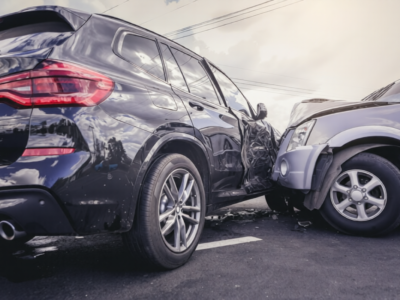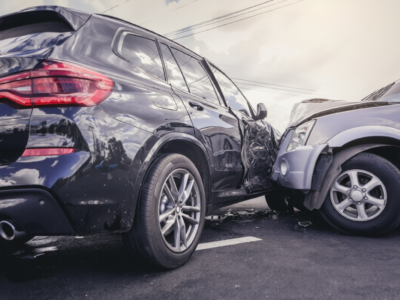

When a driver causes a car accident, the assumption is usually that someone made a mistake. Maybe they were speeding, distracted, or failed to yield. But what happens when a driver loses control of their vehicle because of something completely outside their control, like a sudden heart attack or stroke? This is where the sudden medical emergency defense comes into play.
This legal defense can completely change the outcome of a personal injury lawsuit. Understanding how it works, when it applies, and what it means for your case is critical if you’ve been injured in an accident where the other driver claims they had a medical emergency.
Prior results do not guarantee a similar outcome.
How the Sudden Medical Emergency Defense Works
The sudden medical emergency defense is a legal doctrine that can excuse a driver from liability in a negligence case if they lost control of their vehicle due to an unforeseeable medical event that suddenly incapacitated them. The key word here is “unforeseeable.” This defense doesn’t apply just because someone had a medical issue while driving. The medical event must have been truly sudden, without warning, and must have made it physically impossible for the driver to control the vehicle.
If a driver with no history of heart problems suddenly has a massive heart attack while driving and loses consciousness, causing an accident, they may not be held liable. The law recognizes that no amount of reasonable care could have prevented that accident. However, if that same driver had been experiencing chest pain and dizziness for weeks and chose to ignore it, the defense likely fails.
This defense applies specifically to internal medical events, not external hazards. It’s different from the broader sudden emergency doctrine, which might apply when a driver swerves to avoid a deer or reacts to another unexpected road hazard.
What Must Be Proven for This Defense to Succeed
For a driver to successfully use the sudden medical emergency defense, they need to prove several specific elements. Courts don’t take this defense lightly, and the burden of proof falls on the driver claiming the medical emergency.
First, the medical condition must have arisen suddenly and without prior warning. A driver can’t claim this defense if they had symptoms beforehand that should have alerted them to a potential problem.
Second, the medical event must have rendered the driver physically unable to control the vehicle. Feeling dizzy or unwell isn’t enough. The driver must have been truly incapacitated.
Third, the driver must have exercised reasonable care before the onset of the medical emergency. If they were already driving recklessly, speeding, or driving while distracted, the defense fails.
Finally, the emergency cannot have been created by the driver themselves. If the medical event resulted from something like intoxication or deliberately ignoring serious symptoms, the defense doesn’t apply.
Medical evidence plays a crucial role here. Defendants need hospital records, emergency room reports, and medical testimony proving that the event was sudden and that they had no prior diagnosis or symptoms that would have warned them of the condition.
Can You Sue After an Accident Involving a Medical Emergency Defense
Yes, you can still file a lawsuit after an accident where the other driver claims they had a medical emergency. Just because a driver raises this defense doesn’t mean it will succeed. In fact, New York courts apply very strict standards when evaluating these claims.
Your ability to recover damages depends on whether the driver can actually prove all the elements of the defense. If you or your attorney can show that the driver had prior symptoms, was negligent before the medical event occurred, or created the emergency through their own actions, the defense fails and the driver can be held liable.
Even in cases where the medical emergency defense might seem plausible, there are often facts that undermine it. Maybe the driver was speeding before they lost consciousness. Maybe they felt unwell earlier that day but decided to drive anyway. Maybe they had been prescribed medication that warned against operating vehicles. These details matter enormously.
How New York Courts Handle This Defense
New York courts recognize the sudden medical emergency defense, but they scrutinize it carefully. The state’s legal system doesn’t want drivers who were negligent to escape liability simply by claiming they had a medical issue.
The principle is simple: you can’t create or contribute to a dangerous situation and then claim you shouldn’t be held accountable because of an emergency. New York courts look at the full picture. They examine what the driver was doing before the medical event occurred. If there was any negligence beforehand, even if a medical emergency did happen, the defense may not succeed.
The sudden medical emergency defense is not written into any specific New York statute. Instead, it’s a common law defense that has developed through court decisions over time. This means that how courts apply it can vary based on the specific facts of each case, but the core principles remain consistent.
What Makes This Different from Other Sudden Emergency Situations
The sudden medical emergency defense is distinct from the general sudden emergency doctrine, though they share some similarities. Understanding the difference matters because it affects how courts evaluate these cases.
The sudden medical emergency defense deals specifically with internal medical events like heart attacks, strokes, seizures, or sudden loss of consciousness. These are conditions that arise from within the driver’s body. The general sudden emergency doctrine, on the other hand, applies to external hazards. This might include a deer running into the road, another vehicle suddenly swerving into your lane, or a tire blowout.
The key difference is foreseeability. For a sudden medical emergency defense to work, the medical event must have been completely unforeseeable. If a driver had any prior symptoms or medical history that should have warned them, the defense fails. With external emergencies, courts look at whether the hazard itself was predictable. For example, if you’re driving in a rural area known for deer crossings at dusk, hitting a deer might not qualify as a truly sudden emergency because it’s a foreseeable risk.
The burden of proof is also slightly different. For a medical emergency, the defendant needs medical evidence proving the sudden onset of the condition. For an external emergency, the defendant needs to show that their reaction was reasonable and that they weren’t negligent before the emergency occurred.
New York courts are strict about both types of emergency defenses. Simply losing control of a vehicle isn’t enough. The driver must prove that the emergency was genuine, sudden, and that they weren’t at fault beforehand.
Common Ways This Defense Fails
Despite what might seem like a straightforward defense, the sudden medical emergency defense fails more often than it succeeds. There are several common reasons why:
The most frequent reason is prior symptoms or medical history. If a driver had been experiencing warning signs like chest pain, dizziness, numbness, or any other symptoms related to the condition that caused the emergency, the defense typically fails. Courts reason that a responsible driver would have recognized these symptoms and chosen not to drive or would have sought medical attention.
Another common failure point is pre-existing negligence. If the driver was speeding, texting, driving aggressively, or otherwise being careless before the medical event occurred, courts will often find that this negligence contributed to the accident. Even if a medical emergency did happen, the driver’s prior negligence defeats the defense.
Lack of medical evidence is also a major problem for defendants trying to use this defense. Without solid medical documentation proving that the event was sudden and unforeseeable, courts are unlikely to accept the defense. Hospital records, diagnostic tests, and expert medical testimony are essential.
Some drivers try to use this defense when the medical condition was actually predictable or manageable. For example, a diabetic who fails to monitor their blood sugar and then has a hypoglycemic episode while driving cannot successfully claim this defense. The condition was foreseeable and manageable with proper care.
Finally, if a driver had any opportunity to safely stop the vehicle before losing control but failed to do so, the defense may not work. Courts expect drivers who feel unwell to pull over safely rather than continue driving and risk an accident.
How This Defense Affects Your Personal Injury Claim
If you’ve been injured in an accident and the other driver is claiming they had a sudden medical emergency, you might worry that this means you can’t recover compensation. That’s not necessarily true.
Your personal injury claim will depend on whether the defense actually holds up under scrutiny. Your attorney will investigate the driver’s medical history, obtain medical records, look at the driver’s actions before the accident, and gather evidence that might contradict the claimed emergency.
In New York, the state’s no-fault insurance system adds another layer of complexity. Under New York’s no-fault law, your own insurance typically covers your medical expenses and lost wages up to certain limits, regardless of who caused the accident. However, if your injuries are serious enough, you can step outside the no-fault system and sue the at-fault driver for additional damages like pain and suffering.
The sudden medical emergency defense can affect this. If the driver successfully proves the defense, they may not be held liable, which could limit your ability to recover damages beyond what no-fault insurance provides. However, if the defense fails, you can pursue a full personal injury claim.
New York law defines serious injury in specific ways. It includes:
- Death;
- Dismemberment;
- Significant disfigurement;
- A fracture;
- Loss of a fetus;
- Permanent loss of use of a body organ, member, function or system;
- Permanent consequential limitation of use of a body organ or member;
- Significant limitation of use of a body function or system.
The 2026 reforms removed a former category, the 90/180-day rule for non-permanent injuries, for lawsuits commenced on or after May 26, 2026. Lawsuits commenced before that date are still evaluated under the prior definition.
If your injuries meet these thresholds, you have a stronger case for pursuing damages beyond no-fault coverage, even if the other driver claims a medical emergency.
What Evidence Undermines This Defense
When a driver claims they had a sudden medical emergency, there are several types of evidence that can effectively challenge that claim.
Medical records are the most powerful tool. If records show that the driver had previous diagnoses, test results indicating a condition, or prior symptoms, this directly contradicts the claim that the emergency was sudden and unforeseeable. Prescription records can also be revealing. If a driver was taking medication for a heart condition, for example, they can’t credibly claim that a heart attack was completely unexpected.
Witness statements matter too. If witnesses saw the driver behaving erratically before the accident, this suggests the medical issue wasn’t as sudden as claimed. Maybe the driver was weaving between lanes, driving unusually slowly, or showing other signs of impairment before the crash.
The driver’s own statements can be used against them. If they told police, paramedics, or hospital staff that they had been feeling unwell before the accident, this admission defeats the defense. Even casual comments like “I knew I should have pulled over” or “I wasn’t feeling right” can be crucial.
Expert medical testimony can also undermine the defense. A medical expert might testify that based on the type of medical event that occurred, the driver would have experienced warning symptoms beforehand. For instance, most strokes don’t happen instantaneously. There are often preceding symptoms like sudden severe headache, confusion, or weakness. An expert can explain that the driver should have recognized these signs.
Traffic camera footage, dashcam videos, and accident reconstruction can show what the driver was doing before losing control. If this evidence reveals that the driver was speeding, tailgating, or driving aggressively, it proves that negligence contributed to the accident regardless of whether a medical emergency occurred.
Phone records can be particularly damaging. If the driver was using their phone at the time of or just before the accident, this shows distraction and negligence that defeats the sudden medical emergency defense.
What You Should Do If You’re Injured in This Type of Accident
If you’ve been injured in an accident where the other driver claims they had a medical emergency, taking the right steps can protect your ability to recover compensation.
First, seek medical attention immediately, even if you don’t think you’re seriously injured. Some injuries don’t show symptoms right away, and having medical records from immediately after the accident is crucial for your claim.
Document everything you can about the accident. Take photos of the scene, the vehicles, your injuries, and anything else relevant. Get contact information from witnesses. Write down everything you remember about what happened, including what the other driver said at the scene.
Report the accident to the police and make sure an official accident report is filed. This report will be important evidence, especially if the other driver made statements about not feeling well or having a medical issue.
Don’t give recorded statements to insurance companies without speaking to an attorney first. Insurance adjusters may try to get you to say things that could hurt your claim later. They might also try to get you to accept that the driver had a legitimate medical emergency before all the facts are known.
Contact an experienced personal injury attorney as soon as possible. These cases involving the sudden medical emergency defense are complex and require thorough investigation. An attorney can immediately begin gathering medical records, interviewing witnesses, and building a case to challenge the defense if appropriate.
Keep detailed records of all your medical treatment, expenses, and how the injuries have affected your life. This documentation will be essential if your case goes forward.
Don’t assume that because the other driver claims a medical emergency, you have no case. Many of these claims don’t hold up under scrutiny, and you may have a strong claim for compensation.
Talk to our experienced personal injury lawyers and know all your legal options for recovery in a free, no-obligation consultation.
Summing It Up
The sudden medical emergency defense can be a legitimate reason why a driver isn’t held liable for an accident, but only in very specific circumstances. The medical event must have been truly sudden, completely unforeseeable, and must have made it physically impossible for the driver to control the vehicle. The driver must also have been driving responsibly before the emergency occurred.
New York courts apply strict standards to this defense because they recognize that allowing it too easily would let negligent drivers escape responsibility. Prior symptoms, pre-existing medical conditions, negligent driving before the emergency, and lack of solid medical evidence all undermine this defense.
If you’ve been injured in an accident where the other driver is claiming a medical emergency, don’t assume you can’t recover compensation. These claims often fail when properly investigated. Medical records, witness statements, expert testimony, and evidence of the driver’s actions before the accident can all challenge the defense.
The most important thing you can do is consult with an experienced personal injury attorney who can investigate the circumstances of your accident, gather evidence, and determine whether the sudden medical emergency defense actually applies.
At the Porter Law Group, we thoroughly investigate these claims to ensure that injured people get the compensation they deserve. The fact that a driver had a medical issue doesn’t automatically mean they weren’t negligent, and it doesn’t mean you don’t have a valid claim. Fill out our online form for a free consultation and know your options. You can also call 833-PORTER9 or email info@porterlawteam.com to get started.