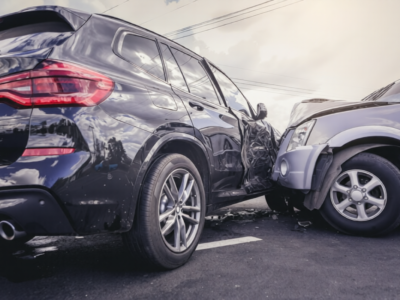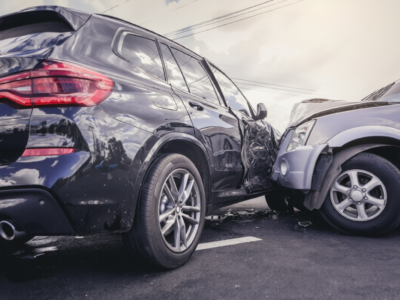



New York City recorded 205 traffic deaths in 2025, making it the safest year on record since record-keeping began in 1910. While that represents real progress, it still means roughly four New Yorkers lost their lives in traffic crashes every single week. Behind each number is a family dealing with sudden loss, medical expenses, funeral costs, and the overwhelming question of what comes next. The data reveals patterns that help explain not just the scope of the problem, but also where responsibility often lies when these crashes occur.
Prior results do not guarantee a similar outcome.
What the Most Recent Numbers Tell Us
The 205 traffic fatalities in 2025 represented a 19% drop from the previous year’s 253 deaths. That marked the largest single-year decrease in more than two decades. To put this in perspective, the city hadn’t seen fatality numbers this low in over a century, when streets looked entirely different and far fewer vehicles existed.
Just two years earlier, in 2023, the city recorded 259 traffic deaths. The year-to-year fluctuations matter because they show both progress and setbacks. The 2023 numbers included a particularly troubling spike in cyclist deaths, reaching the highest level since the city launched its Vision Zero traffic safety initiative in 2014.
These aren’t abstract statistics. Each represents someone who left home one day and never made it back. A parent walking their child to school. Someone biking to work. A driver running a routine errand. The circumstances vary, but the devastating impact on families remains constant.
Who Gets Killed in New York City Traffic Crashes?
The 205 people who died in 2025 traffic crashes broke down into distinct categories that reveal which road users face the greatest danger. Pedestrians accounted for 111 of those deaths, more than half the total. Motorists made up 73 fatalities, while 21 people on bicycles, including e-bikes, lost their lives.
These proportions matter for understanding risk. Pedestrians consistently represent the largest share of traffic deaths despite being among the most vulnerable road users with no protective vehicle around them. The high pedestrian death toll reflects both the density of foot traffic in New York City and the severity of vehicle-pedestrian collisions.
The 2023 figures showed similar patterns but with some notable differences. That year saw 104 pedestrian deaths, 126 motorist deaths, and 29 cyclist fatalities. The jump in cyclist deaths that year raised serious concerns about the safety of bike infrastructure and the growing popularity of e-bikes without corresponding safety improvements.
Seniors and school-age children face particular vulnerability as pedestrians. Data shows that most pedestrian accidents involving these groups happen at crosswalks where they have the legal right of way. This means they were doing everything right, following traffic rules, and still got hit.
Does Your Borough Make a Difference?
Where you live, work, and travel in New York City significantly affects your traffic safety risk. The 2025 improvements weren’t evenly distributed across the five boroughs.
The Bronx saw the most dramatic improvement, with fatalities dropping 39% from 2024 levels. That translated to 21 lives saved. Queens experienced a 23% reduction, preventing 17 deaths. Brooklyn and Manhattan saw smaller decreases, while Staten Island actually recorded one additional fatality compared to the previous year.
These geographic differences often reflect where safety infrastructure gets prioritized and implemented. Neighborhoods that received comprehensive street redesigns, protected bike lanes, raised crosswalks, and other physical changes saw measurable improvements. Areas where planned safety projects stalled or got delayed continued experiencing preventable deaths.
The disparity raises questions about equity and resource allocation. Communities that have historically received less investment in street safety infrastructure continue paying the price in lives lost. When someone dies on a street that had a safety redesign planned but delayed, that death becomes even harder for families to accept.
What Role Do Unlicensed Drivers Play?
One of the most troubling trends in recent years involves unlicensed drivers. Between 2021 and 2024, drivers without valid licenses caused 284 of the 1,059 total traffic fatalities during that period. That’s more than one in four deaths, 27% of the total.
This represents a dramatic shift from earlier years. In 2019, unlicensed drivers accounted for only 16% of fatalities, or 35 of 221 deaths. By 2021, that proportion had jumped to 29%. The increase coincided with the pandemic period and has remained elevated since.
When an unlicensed driver kills or seriously injures someone, it adds layers of complexity to the aftermath. These drivers often lack insurance, making it harder for victims and families to recover compensation for medical bills, lost income, and other damages. The fact that someone was driving illegally in the first place often indicates other risky behaviors, like ignoring traffic laws or driving a vehicle they shouldn’t be operating.
For families who lose someone to an unlicensed driver, the anger and frustration compounds the grief. The crash was preventable not just because of how it happened, but because the driver shouldn’t have been on the road at all.
Can You Sue After a Fatal Traffic Accident?
When someone dies in a traffic crash, certain family members can file a wrongful death lawsuit against the responsible party. New York law allows the personal representative of the deceased person’s estate to bring these claims on behalf of surviving family members.
Wrongful death cases seek compensation for what the family has lost, including the deceased person’s expected future earnings, the value of services they provided to the household, funeral and burial expenses, and the loss of companionship and guidance. These cases are separate from any criminal charges the driver might face.
The right to sue exists regardless of whether the at-fault driver was licensed or insured, though recovering compensation becomes more complicated when they lack insurance coverage. In cases involving unlicensed or uninsured drivers, other potential sources of compensation might include your own insurance policy’s uninsured motorist coverage or claims against other parties who share responsibility.
Time limits apply to these cases. New York generally requires wrongful death lawsuits to be filed within two years of the death, though some circumstances can extend or shorten that deadline. Waiting too long can mean losing the right to pursue compensation entirely.
How Street Design Affects Who Lives and Dies
The data clearly shows that physical changes to streets save lives. Areas where comprehensive safety projects were completed saw measurable reductions in deaths and serious injuries, while streets where planned improvements stalled remained dangerous.
One stark example involves Third Avenue in Sunset Park. Between 2024 and 2025, 11 New Yorkers were killed or seriously injured along a 2.4-mile stretch after a planned street redesign got delayed. Meanwhile, nearby Fourth Avenue saw pedestrian injuries drop 29% after its safety redesign was finished.
These infrastructure improvements include features like protected bike lanes that physically separate cyclists from car traffic, raised crosswalks that make pedestrians more visible and force drivers to slow down, speed cameras operating 24/7 rather than just during limited hours, and narrowed traffic lanes that naturally reduce vehicle speeds.
The connection between infrastructure and fatalities matters for understanding liability. When a crash happens on a street with known safety problems, where improvements were planned or recommended but not implemented, questions arise about whether the city shares responsibility for failing to address hazardous conditions.
What Happens When Speed Cameras and Safety Measures Work?
The expansion of 24/7 speed camera enforcement contributed significantly to the 2025 fatality reduction. These cameras operate automatically, issuing tickets to vehicles exceeding the speed limit without requiring police presence. The data shows they change driver behavior over time as people learn they can’t speed without consequences.
Speed directly correlates with crash severity. A pedestrian struck by a vehicle traveling 20 mph has about a 10% chance of dying. At 30 mph, that risk jumps to 40%. At 40 mph, it reaches 80%. Even small reductions in average speeds translate to lives saved.
Beyond speed cameras, other measures that proved effective include:
- Physical barriers protecting bike lanes from vehicle intrusion reduce cyclist fatalities by preventing the most common types of deadly collisions.
- Pedestrian safety islands in the middle of wide streets give people a refuge while crossing and reduce the distance they’re exposed to traffic.
- Leading pedestrian intervals give people walking a head start at intersections before vehicles get a green light, making them more visible to turning drivers.
These improvements work, but they require sustained investment and political will to implement broadly. The uneven distribution of safety infrastructure across neighborhoods means some communities remain far more dangerous than others.
What About E-Bikes and Delivery Workers?
The rise of e-bikes, particularly among delivery workers, has added complexity to traffic safety discussions. E-bikes can travel faster than traditional bicycles, sometimes approaching vehicle speeds, yet they often use the same infrastructure as regular bikes or even sidewalks.
The 21 bicycle fatalities in 2025 included e-bike riders, though specific breakdowns between traditional and electric bikes aren’t always tracked separately. What’s clear is that delivery workers, who spend hours daily navigating traffic on bikes, face disproportionate risk. Many are immigrants working for app-based companies under pressure to complete deliveries quickly, creating incentives for risky riding.
When an e-bike rider gets killed or seriously injured, determining liability can be complicated. Was the rider an employee or independent contractor? Did they have proper safety equipment? Was the bike legally operated? Did a vehicle driver cause the crash through negligence? These questions affect what legal options exist for the injured rider or their family.
Why Do Pedestrians Keep Dying at Crosswalks?
One of the most frustrating patterns in the data is that many pedestrian deaths, particularly among seniors and children, happen at crosswalks where they have the right of way. These victims were doing exactly what they were supposed to do, crossing at designated locations, yet they still got hit.
This typically happens when drivers fail to yield, often because they’re distracted, speeding, or misjudge whether they have time to turn before the pedestrian reaches their path. Left turns at intersections are particularly deadly, as drivers focus on oncoming traffic rather than people crossing the street they’re turning onto.
For families who lose someone this way, the injustice feels especially acute. Their loved one followed the rules and still died because a driver didn’t. In these cases, liability is usually clear, though that doesn’t make the loss any easier to bear.
New York law requires drivers to yield to pedestrians in crosswalks. When they don’t and someone gets hurt or killed, that failure to yield provides a strong foundation for injury or wrongful death claims. Evidence from traffic cameras, witnesses, and accident reconstruction can establish exactly what happened and who was at fault.
How Insurance Complications Affect Crash Victims
The high percentage of crashes caused by unlicensed drivers creates significant insurance complications for victims and families. Many unlicensed drivers also lack insurance, either because they couldn’t legally obtain it or simply chose not to carry coverage.
When an uninsured driver causes a fatal crash, the family can’t pursue compensation from the driver’s insurance company because no policy exists. This leaves them dependent on their own insurance coverage or the possibility of collecting directly from the driver, who often has limited assets.
Uninsured motorist coverage, which you purchase as part of your own auto insurance policy, is designed to address exactly this situation. It provides compensation when someone without insurance injures or kills you. The coverage amounts vary based on what limits you selected when buying the policy.
Even when the at-fault driver has insurance, coverage limits might not fully compensate for the losses from a fatal crash. New York requires minimum liability coverage of just $25,000 per person for bodily injury, which rarely covers the full value of a wrongful death claim. Drivers who carry only minimum coverage leave victims and families to cover the difference themselves or pursue additional compensation through other means.
What the Trends Mean for Future Safety
The 2025 numbers represent genuine progress, but they also highlight how much work remains. Even in the safest year in over a century, more than 200 families experienced the sudden, violent loss of someone they loved in a preventable crash.
The data shows what works:
- Physical infrastructure changes
- Automated enforcement
- Sustained investment in safety measures
The challenge is implementing these solutions comprehensively rather than piecemeal, and ensuring that all neighborhoods benefit equally rather than leaving some communities with dangerous streets while others get safer.
The increase in crashes caused by unlicensed drivers demands attention. Enforcement matters, but so does understanding why more people are driving without licenses and whether barriers to obtaining licenses contribute to the problem.
For individuals and families affected by traffic crashes, the statistics provide context but don’t capture the personal devastation. The legal system offers mechanisms for accountability and compensation, but no lawsuit brings someone back or fully repairs what’s been broken.
Talk to our experienced personal injury lawyers and know all your legal options for recovery in a free, no-obligation consultation.
Summing It Up
New York City recorded 205 traffic deaths in 2025, the lowest number in more than a century but still representing four deaths every week. Pedestrians accounted for more than half of those fatalities, with seniors and children particularly vulnerable even when crossing at marked crosswalks where they had the right of way.
Unlicensed drivers caused more than one in four traffic deaths between 2021 and 2024, a dramatic increase from earlier years that creates complications for victims trying to recover compensation. The data clearly shows that physical street improvements and automated enforcement reduce fatalities, but these safety measures haven’t been implemented evenly across all neighborhoods.
When someone dies in a traffic crash, New York law allows certain family members to pursue wrongful death claims against the responsible party. These cases seek compensation for financial losses and the immeasurable loss of companionship and guidance. Time limits apply, generally requiring lawsuits to be filed within two years of the death.
Understanding the scope of traffic fatalities, who they affect most, and what factors contribute to them provides important context for anyone dealing with the aftermath of a serious crash. The numbers tell us these tragedies are preventable, that we know what works to reduce them, and that accountability matters both for individual cases and broader safety improvements. If you’ve lost a loved one in a traffic accident, get legal help immediately. Fill out our online form for a free consultation and know your options. You can also call 833-PORTER9 or email info@porterlawteam.com to get started.