


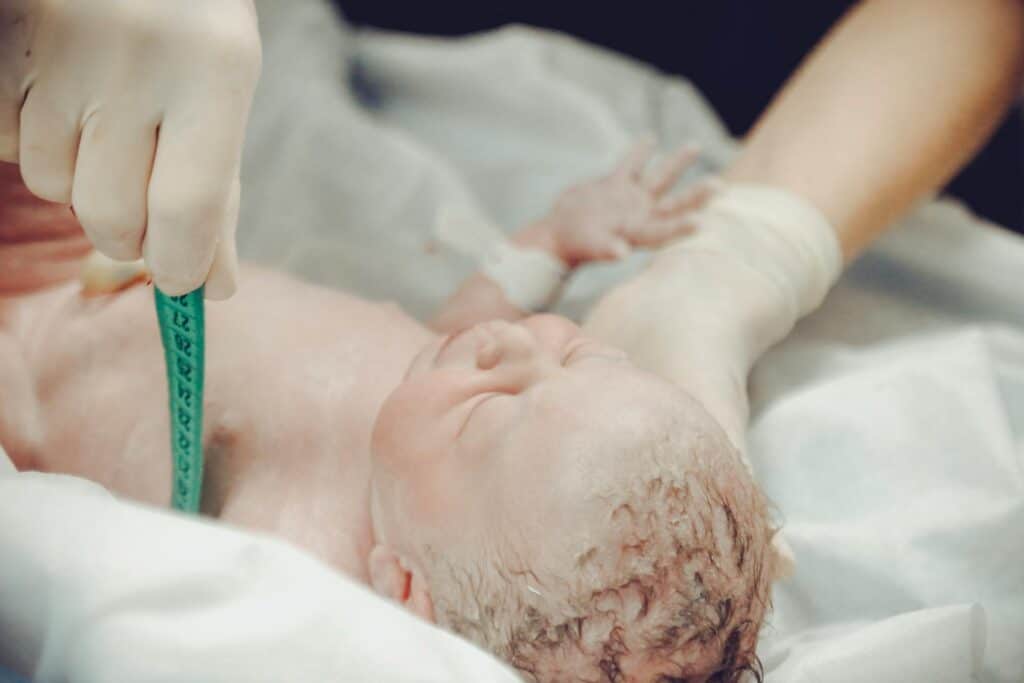

Few diagnoses are as overwhelming for a family as cerebral palsy. When your child receives this diagnosis, the questions come fast and they come hard. How did this happen? Could it have been prevented? And if someone’s negligence played a role, what can your family actually do about it? This article is designed to help you work through those questions in a clear, honest way, so you can figure out whether you may have grounds to pursue legal action.
It’s important to say upfront that not every case of cerebral palsy is the result of medical error. Some cases are tied to unavoidable factors like extreme prematurity or genetic conditions. But a significant number of CP diagnoses are linked to events during pregnancy, labor, or the hours after birth, and in some of those cases, medical providers failed to meet the standard of care. Understanding the difference is what this article is all about.
Prior results do not guarantee a similar outcome.
Quick Checklist: Signs Your Child’s CP May Have Involved Medical Negligence
Before diving into the details, use this as a starting point. You don’t need to check every box, but if several of these apply to your situation, it’s worth speaking with an attorney.
- Your child has a confirmed cerebral palsy diagnosis from a neurologist or specialist
- Medical records show signs of fetal distress during labor (abnormal heart rate patterns, emergency interventions)
- There was a delayed C-section after clear warning signs appeared
- Your baby was diagnosed with HIE (hypoxic-ischemic encephalopathy) or neonatal encephalopathy at or shortly after birth
- Forceps or a vacuum were used during delivery
- Pregnancy complications like severe preeclampsia or placental problems were present and may not have been properly managed
- Resuscitation was required at birth, or your baby had seizures shortly after delivery
- The alleged negligent event occurred within the last 10 years
What Cerebral Palsy Actually Is
Cerebral palsy is not a single condition. It’s a group of permanent disorders affecting movement, muscle tone, and posture, caused by damage to the developing brain. That damage is non-progressive, meaning it doesn’t worsen over time the way a degenerative disease would, but its effects are lifelong. Many children with CP also experience epilepsy, intellectual disabilities, vision or hearing impairment, and challenges with communication.
The damage that causes CP can happen before birth, during labor and delivery, or in the early days after birth. In many cases, no single definitive cause is ever identified. That’s part of what makes these situations so difficult for families, because the uncertainty can last for years before anyone even thinks to ask whether something went wrong.
What CP is not is a legal conclusion. A cerebral palsy diagnosis tells you about your child’s neurological condition. It doesn’t automatically tell you whether a doctor, nurse, or hospital did anything wrong. That’s a separate question, and answering it requires looking carefully at the medical decisions made throughout your pregnancy and delivery.
What Causes CP and When Does Birth Injury Become a Factor
Several well-established risk factors are associated with CP. Premature birth, low birth weight, multiple pregnancies, certain maternal infections, and complications like preeclampsia all appear on that list. In many of these situations, the outcome is tragic but not the result of anyone’s negligence.
However, one of the most significant causes of CP linked to birth injury is hypoxic-ischemic encephalopathy, commonly called HIE. HIE is brain damage caused by a lack of oxygen or blood flow to a baby’s brain before, during, or shortly after birth. The National Institute of Neurological Disorders and Stroke identifies umbilical cord and placental problems, labor complications that restrict blood flow to the infant, maternal infections, and severe prematurity as events that can lead to HIE and, in turn, CP.
When a baby’s heart rate showed signs of distress on the monitor for an extended period, when a C-section was delayed, or when warning signs went unaddressed, those are the moments where the question of negligence becomes relevant. A history of fetal distress, emergency delivery, an HIE diagnosis, or neonatal encephalopathy doesn’t prove malpractice on its own, but it does signal that a closer look is warranted.
How Medical Standards Apply to Your Delivery Room
One of the most important concepts in any cerebral palsy lawsuit is the standard of care. In medicine, that means what a reasonably competent provider would have done under the same circumstances. In obstetrics, those standards are largely shaped by guidelines from the American College of Obstetricians and Gynecologists, known as ACOG.
ACOG has detailed clinical guidelines on intrapartum fetal heart rate monitoring, which is the continuous tracking of a baby’s heart rate during labor. These guidelines use a category system (I, II, and III) to classify heart rate patterns. A Category III tracing indicates a concerning pattern that requires immediate action, including resuscitative measures and, if the pattern doesn’t improve, expedited delivery. Providers are expected to recognize and respond to these patterns in a timely manner.
When labor and delivery nurses or OBs fail to identify a concerning heart rate pattern, delayed calling for a C-section, or didn’t follow protocols for managing a high-risk labor, those gaps in care can form the basis of a malpractice claim. The standard isn’t perfection. It’s whether the provider’s decisions fell below what the medical community would reasonably expect.
What Types of Errors Actually Lead to CP Malpractice Claims
There are several distinct categories of error that come up repeatedly in birth injury litigation. Understanding which one applies to your situation helps clarify whether you have a viable claim.
During pregnancy, failures to diagnose or treat conditions like severe preeclampsia or placental abnormalities can increase the risk of fetal brain injury. If a provider noticed warning signs and didn’t act on them, or missed them entirely when they should have caught them, that can constitute a departure from accepted practice. The same applies to inadequate monitoring of fetal growth or placental function in a high-risk pregnancy.
During labor and delivery, the most common errors involve fetal heart rate monitoring, the decision about when to perform a C-section, and the use of delivery tools like forceps or a vacuum. Imagine a scenario where a baby’s heart rate showed a Category II or III pattern for several hours, the nursing staff documented concern but didn’t escalate to the physician, and the C-section was performed more than an hour after it should have been. In that situation, a medical expert reviewing the records might conclude that the delay caused or contributed to the baby’s brain injury.
After birth, negligence can also play a role. If a baby shows signs of HIE and providers are slow to initiate therapeutic hypothermia (a treatment that cools the baby’s body temperature to reduce brain damage), that delay can worsen outcomes. Failure to recognize signs of neonatal encephalopathy or seizures in the hours after birth is another area where negligent care can contribute to the severity of CP.
The Four Things You Need to Prove in a New York CP Case
New York medical malpractice law follows a standard negligence framework, and a CP birth injury case has to satisfy four specific elements. Missing any one of them can significantly impact your ability to recover.
The first is duty of care. When a hospital or physician accepts you as a patient, they take on a legal obligation to provide care consistent with accepted medical standards. That duty exists from the moment you’re admitted for labor and delivery.
The second is breach, meaning a departure from accepted practice. This is where your attorney and expert witnesses examine what your providers did and compare it against what the medical community would expect. Breach is typically proven through the testimony of obstetricians, neonatologists, and other specialists who can speak to what the standard required and where the providers fell short.
Third is causation. You have to show that the provider’s failure more likely than not caused the brain injury that led to CP. This is often the most contested element in these cases, because the defense will argue that the CP was caused by prematurity, a congenital condition, or some other factor outside anyone’s control. Your medical experts have to tie the specific errors to the specific injury.
Fourth is damages. In CP cases, these are extensive. They typically include past and future medical costs, physical and occupational therapy, assistive technology, special education, personal care assistance, home modifications, and lost earning capacity over the child’s lifetime. Life-care planners and economic experts are brought in to project these costs, which is one reason CP birth injury cases are often high-value and require significant litigation resources.
How Long Do You Have to File in New York
This is one of the most critical questions in any cerebral palsy lawsuit, and the answer is more nuanced than people expect. New York’s general statute of limitations for medical malpractice is two and a half years from the date of the negligent act or from the end of continuous treatment for the same condition, under CPLR 214-a.
Because the injured person is a minor, New York provides an “infancy toll” under CPLR 208, which extends the filing deadline. However, for medical malpractice specifically, the legislature capped that extension at 10 years from the date the malpractice occurred. In most CP birth injury cases, the malpractice occurred during labor and delivery, which means the 10-year clock started running at birth.
Here’s why that matters practically: if your child was born in 2016 and the negligence occurred during delivery, the deadline to file could be as early as 2026, even though your child is still only 9 or 10 years old. The infancy toll does not protect families indefinitely. Missing that 10-year window means losing the right to sue entirely, regardless of how strong the case might be. If you’re uncertain about where you stand on timing, talking to an attorney sooner rather than later is essential.
Why Expert Testimony Is the Backbone of These Cases
CP birth injury litigation is not something that gets resolved based on a single piece of evidence or a straightforward timeline. These cases are built on layers of expert opinion, and the quality of those experts often determines the outcome.
On the medical side, you typically need an OB-GYN or maternal-fetal medicine specialist to address the standard of care for labor and delivery decisions. A neonatologist may weigh in on what happened in the hours after birth. A pediatric neurologist can speak to the cause of the brain injury and its connection to the events during delivery. Each expert is addressing a different piece of the puzzle, and their opinions have to fit together coherently to make the case.
On the damages side, a life-care planner will build out a detailed projection of what your child will need over their lifetime, including therapies, equipment, housing modifications, and personal care. An economist then translates those projections into present-day dollar amounts. The reason CP cases often result in significant verdicts and settlements is precisely because of how clearly these experts can quantify what a lifetime of care actually costs.
The Long-Term Reality of CP and Why It Matters Legally
Cerebral palsy exists on a wide spectrum. Some children have relatively mild motor impairments and live largely independent lives. Others have severe quadriplegia with profound cognitive disability and require around-the-clock care. Most fall somewhere in between, and the medical needs tend to evolve and, in some respects, compound over time.
Many children with CP develop secondary complications, including epilepsy, hip displacement, scoliosis, feeding difficulties, chronic respiratory issues, and musculoskeletal problems that require surgery. These aren’t just medical challenges. Each one carries a cost, and in a malpractice case, those costs belong in the damages calculation.
For families navigating this, thorough and early documentation of your child’s condition matters more than most people realize. Therapy records, school evaluations, medical equipment needs, and any assessments from specialists all feed into the life-care plan that an expert will eventually use. The more complete that picture is, the more accurately the damages can be quantified.
Talk to our experienced birth injury lawyers and know all your legal options for recovery in a free, no-obligation consultation.
Summing It Up
If your child has been diagnosed with cerebral palsy and you have questions about what happened during your pregnancy or delivery, you’re not alone and you’re not wrong to ask. The legal question of whether negligence played a role is separate from the medical diagnosis, but the two are deeply connected. Understanding how the standard of care works, what errors tend to arise in these cases, and how New York’s statutes of limitations apply gives you a real foundation for making an informed decision.
A cerebral palsy birth injury case is not something to navigate without experienced legal help. The medical complexity, the expert requirements, and the tight deadlines all demand attorneys who handle these cases regularly.
At the Porter Law Group, we represent families throughout New York in birth injury and medical malpractice claims, and we’re here to help you understand whether you have a case worth pursuing. There’s no cost to speak with us, and the sooner you start asking questions, the more options you’ll have. You can fill out our online form for a free consultation and know your options. You can also call 833-PORTER9 or email info@porterlawteam.com to get started.