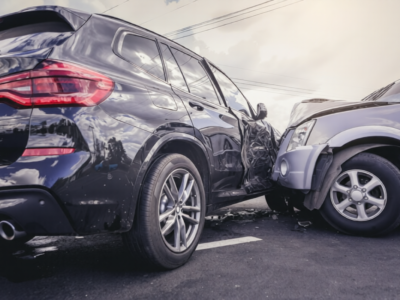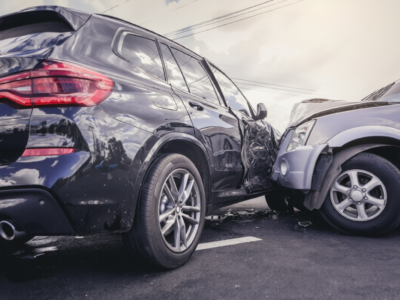


You’re driving through a tight parking garage at LaGuardia, focused on finding your level, when you hear the scrape of metal against your passenger side. Or you’re merging onto the Long Island Expressway during rush hour when a truck clips your driver’s side door as it changes lanes. These sideswipe accidents happen more often than most drivers expect, and they can cause significant injuries even when they seem minor at first.
Prior results do not guarantee a similar outcome.
A sideswipe accident occurs when the side of one vehicle makes contact with the side of another vehicle. Unlike rear-end collisions or head-on crashes, sideswipes typically happen during lane changes, merging maneuvers, or when vehicles are navigating tight spaces. The lateral force involved in these collisions can cause serious harm to drivers and passengers, particularly because the sides of vehicles offer less protection than the front or rear crumple zones.
Where Sideswipe Accidents Happen Most Often
Multi-level parking garages at airports like LaGuardia see frequent sideswipes as drivers navigate tight ramps, concrete columns, and confusing layouts while trying to follow GPS directions that may not account for the garage’s actual layout. Terminal B’s Level 2 parking area has become particularly notorious for these incidents.
Major highways and expressways throughout the state also experience their share of sideswipe crashes. In Queens alone, roads like Northern Boulevard, Queens Boulevard, the Long Island Expressway, and the Van Wyck Expressway experienced numerous sideswipe accidents in 2024, contributing to the borough’s 74 traffic deaths that year, the highest of any New York City borough. The combination of heavy traffic, aggressive lane changes, and vehicles of vastly different sizes creates constant risk.
Urban streets present their own challenges. Narrow roadways designed decades ago now accommodate delivery trucks, rideshare vehicles, personal cars, and cyclists all competing for limited space. When a large truck attempts to navigate a turn on a street barely wide enough for two vehicles to pass, sideswipe collisions become almost inevitable.
What Actually Causes These Crashes
Distracted driving ranks among the leading causes of sideswipe accidents. When drivers glance down at their phones to check navigation apps, respond to messages, or adjust music, they drift out of their lanes without realizing it. This becomes especially dangerous in tight spaces like parking garages or during highway merging, where there’s little room for error.
Blind spots create another major risk factor. Every vehicle has areas around it that mirrors don’t fully cover, but larger vehicles like trucks, SUVs, and commercial vehicles have extensive no-zones where entire cars can disappear from view. When a truck driver changes lanes on the highway without seeing a vehicle in their blind spot, a sideswipe collision often results. Motorcyclists face particular danger because their smaller profile makes them even harder to spot.
Unfamiliarity with roadways contributes significantly to sideswipe accidents, particularly involving rideshare drivers. A driver picking up passengers at an airport they rarely visit may rely heavily on GPS guidance that doesn’t account for recent terminal changes or construction. They make last-minute lane changes or turns based on delayed app directions, cutting off other vehicles in the process.
The physical infrastructure itself sometimes sets drivers up for failure. Airport parking garages with poor lighting, confusing signage, and tight turning radii force drivers to make difficult maneuvers in spaces that leave no margin for error. Highway on-ramps that are too short force aggressive merging. Streets that haven’t been widened to accommodate modern vehicle sizes create constant near-misses that sometimes become actual collisions.
The Injuries These Accidents Cause
Many people assume that sideswipe accidents cause only minor damage because they don’t involve the high-speed, direct impacts of head-on or rear-end crashes. This assumption can be dangerous. The lateral forces in a sideswipe collision affect the body differently than frontal impacts, and the injuries can be serious.
Soft tissue injuries are common, including whiplash and muscle strains as the body jerks sideways during impact. These injuries may not produce immediate symptoms, leading victims to decline medical treatment at the scene only to experience severe pain and limited mobility days later.
Fractures occur frequently in sideswipe accidents, particularly to arms, shoulders, and ribs on the impact side. When another vehicle strikes your driver’s side door, your left arm and shoulder absorb significant force. The same applies to passengers on whichever side takes the hit.
Head injuries and concussions happen when the impact causes occupants to strike their heads against windows, door frames, or each other. Even with airbags deploying, the sideways motion can cause traumatic brain injuries that have lasting effects on cognitive function, memory, and emotional regulation.
In more severe sideswipe accidents, especially those involving trucks or motorcycles, victims can suffer spinal cord damage, internal injuries, or even fatalities. Motorcyclists face exponentially higher risks because they lack the protective shell of a vehicle cabin. A sideswipe that might dent a car’s door can throw a motorcyclist from their bike into traffic or roadside barriers.
The delayed onset of symptoms makes immediate medical evaluation critical after any sideswipe accident, even if you feel fine at the scene. Adrenaline can mask pain and injury in the immediate aftermath of a crash. What seems like a minor fender-bender can involve injuries that worsen over hours or days without proper treatment.
Can You Sue After a Sideswipe Accident
New York’s no-fault insurance system complicates the question of whether you can sue after a sideswipe accident. The state requires all drivers to carry Personal Injury Protection coverage, which pays for your medical expenses and lost wages up to policy limits regardless of who caused the accident. This system is designed to get injured people the care they need quickly without waiting for fault determinations.
However, no-fault coverage has limits. It typically won’t cover all your medical expenses if you suffered serious injuries, and it doesn’t compensate you for pain and suffering, emotional distress, or reduced quality of life. To step outside the no-fault system and pursue a lawsuit against the at-fault driver, you must meet New York’s “serious injury” threshold defined in Insurance Law Section 5102(d).
The law defines serious injury as:
- Death;
- Dismemberment;
- Significant disfigurement;
- A fracture;
- Loss of a fetus;
- Permanent loss of use of a body organ, member, function or system;
- Permanent consequential limitation of use of a body organ or member;
- Significant limitation of use of a body function or system; or
- An injury/impairment that hinders a person from usual daily activities for at least 90 days (within the first 180 days following the accident).
If your injuries meet this threshold, you can file a lawsuit seeking compensation for economic damages beyond no-fault limits and non-economic damages like pain and suffering. The at-fault driver’s liability insurance would cover these damages, though you may need to pursue additional compensation if their coverage proves insufficient for your losses.
Who Can Be Held Responsible
Determining liability in a sideswipe accident often proves more complex than in other collision types. New York follows a comparative negligence system under Vehicle and Traffic Law Section 1104, which means multiple parties can share fault for an accident, and your compensation is reduced by your percentage of fault.
The other driver bears liability if they changed lanes without checking blind spots, merged unsafely, drifted out of their lane due to distraction, or violated other traffic laws. Gathering evidence like witness statements, traffic camera footage, and police reports becomes essential to establishing their negligence.
In accidents involving rideshare vehicles like Uber or Lyft, the liability picture becomes more complicated. If the rideshare driver caused the accident while carrying a passenger or en route to pick up a passenger after accepting a trip, higher commercial coverage of $1.25 million or more typically applies. If they were simply logged into the app waiting for a trip request, different coverage limits apply. Third-party victims of rideshare accidents often have an easier time pursuing claims because they don’t need to meet the serious injury threshold that applies to the rideshare driver’s own no-fault claims.
Commercial truck drivers and their employers can be held liable when sideswipe accidents result from blind spot failures, improper lane changes, or wide turns that encroach on adjacent lanes. Federal Motor Carrier Safety Administration regulations govern commercial drivers, and violations of these rules can establish negligence. The trucking company itself may bear liability for inadequate driver training, poor vehicle maintenance, or pressure on drivers to meet unrealistic schedules that encourage unsafe driving.
Property owners and government entities sometimes share liability for sideswipe accidents when poor design or maintenance contributes to the crash. If inadequate lighting, missing signage, poorly designed ramps, or other infrastructure defects at a parking garage or roadway made an accident more likely, the Port Authority, airport operator, or other responsible entity might be liable. These claims involve different procedures and shorter notice requirements than standard personal injury cases, so prompt legal consultation matters.
What Evidence You Need to Protect Your Claim
If you’re physically able, document everything at the scene. Take photographs of vehicle damage from multiple angles, road conditions, traffic signs, lighting conditions, and anything else that might have contributed to the accident. Get contact information from witnesses who saw what happened. Their independent accounts often prove crucial when the other driver disputes fault.
Always file a police report, even if the other driver suggests handling things privately or claims the damage is too minor to involve law enforcement. The police report creates an official record of the accident, documents the officer’s observations about fault and contributing factors, and provides information about all parties involved. Insurance companies and courts give significant weight to these reports.
Seek medical attention immediately, even if you don’t think you’re seriously hurt. Tell the medical providers about every symptom you’re experiencing, no matter how minor it seems. This medical documentation links your injuries directly to the accident and establishes the severity of your condition. Gaps in treatment or delayed medical care give insurance companies ammunition to argue that your injuries aren’t serious or weren’t caused by the accident.
Keep detailed records of everything related to the accident and your injuries. Save all medical bills, prescription receipts, and documentation of other expenses. Track every day you miss work or can’t perform normal activities. Document how your injuries affect your daily life, relationships, and emotional wellbeing. This evidence supports both economic and non-economic damage claims.
How New York’s Three-Year Deadline Affects Your Case
New York’s statute of limitations gives you three years from the date of a sideswipe accident to file a personal injury lawsuit under CPLR Section 214. This might seem like plenty of time, but waiting too long creates serious problems for your case.
Evidence disappears as time passes. Witnesses move away or forget crucial details. Surveillance footage gets recorded over. Vehicle damage gets repaired, eliminating physical evidence. Your own memories of the accident become less clear and detailed. Starting the legal process early preserves evidence while it’s still available and accurate.
Insurance companies become more skeptical of claims filed long after an accident. They question why you waited if your injuries were really serious. They argue that other events in the intervening months or years caused your problems rather than the accident. Building a strong case requires time to gather evidence, consult experts, and develop legal strategies, so starting early gives your attorney the best chance to maximize your recovery.
Some situations have even shorter deadlines. Claims against government entities like the Port Authority or city agencies require filing a notice of claim within 90 days of the accident. Missing this deadline can eliminate your right to compensation entirely, regardless of how strong your case might be. This makes immediate legal consultation essential if government negligence might have contributed to your accident.
What Drivers Can Do to Avoid These Crashes
Preventing sideswipe accidents starts with eliminating distractions. Put your phone away completely while driving. Set your GPS before you start moving. If you need to check directions or take a call, pull over safely first. Even a two-second glance away from the road is enough time to drift into another lane or miss a vehicle entering your blind spot.
Check your blind spots thoroughly before every lane change or merge. Don’t rely solely on mirrors. Turn your head to look over your shoulder and verify that the space you’re moving into is actually clear. This takes an extra second but prevents countless accidents.
Use your turn signals well before you intend to change lanes or turn. Signals tell other drivers what you’re planning to do, giving them time to adjust their own driving accordingly. Last-second lane changes without signaling are a recipe for sideswipe collisions.
Maintain awareness of the vehicles around you, particularly large trucks with extensive blind spots. If you can’t see the truck driver in their mirrors, they can’t see you. Avoid lingering in these no-zones alongside trucks. Either pass them completely or drop back to a position where you’re clearly visible.
Give yourself extra space and time when navigating unfamiliar areas like airport parking garages or new roadways. Slow down, stay alert, and don’t make rushed decisions about lane changes or turns. Getting somewhere a minute later is better than being involved in an accident.
Talk to our experienced personal injury lawyers and know all your legal options for recovery in a free, no-obligation consultation.
Summing It Up
Sideswipe accidents might not generate the same attention as dramatic head-on collisions or multi-car pileups, but they cause real injuries and significant disruption to people’s lives. The lateral forces involved can produce soft tissue damage, fractures, head injuries, and in serious cases involving trucks or motorcycles, catastrophic harm or death.
New York’s no-fault insurance system provides initial coverage for medical expenses and lost wages regardless of who caused your sideswipe accident, but it doesn’t compensate you for pain and suffering or cover all economic losses from serious injuries. If your injuries meet the state’s serious injury threshold, you have the right to pursue a lawsuit against the at-fault driver for full compensation.
Protecting that right requires taking action immediately after an accident. Document everything at the scene if you’re able. File a police report. Seek medical attention right away even if you feel fine. Keep detailed records of all expenses and impacts on your life. Consult with an attorney experienced in New York motor vehicle accidents before giving statements to insurance companies or accepting settlement offers.
The three-year statute of limitations might seem generous, but evidence preservation, thorough case development, and shorter deadlines for certain claims make early action essential. If a sideswipe accident has disrupted your life, understanding your rights and options helps you make informed decisions about your recovery and your future.
If you believe you may have a claim, the Porter Law Group is available to evaluate your situation and walk you through your options. Reach out to us today. Fill out our online form for a free consultation and know your options. You can also call 833-PORTER9 or email info@porterlawteam.com to get started.