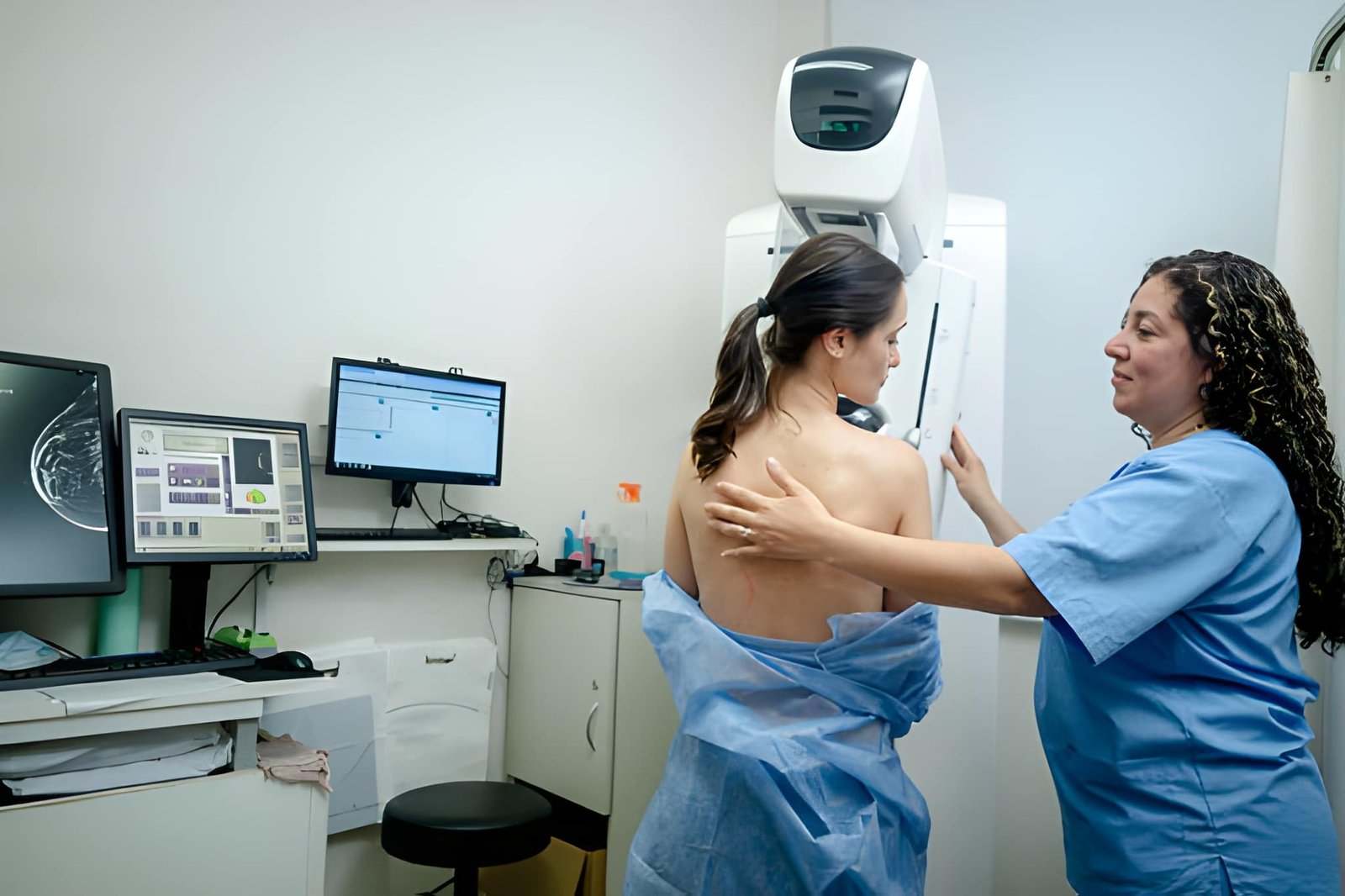




For the roughly 240,000 women diagnosed with breast cancer each year in the United States, timing matters enormously. When a doctor misses the signs of breast cancer or delays ordering the right tests, the consequences can be severe. The difference between early-stage cancer and advanced disease can mean the difference between a lumpectomy and a mastectomy, between limited treatment and aggressive chemotherapy, and between survival odds over 99 percent and a five-year survival rate of just 33 percent.
Prior results do not guarantee a similar outcome.
New York sees more medical malpractice payouts than any other state, with $729.58 million reported in 2025 alone. Many of those cases involve breast cancer that went undiagnosed or misdiagnosed, giving the disease time to progress unchecked. If this has happened to you or someone you love, understanding your legal rights is an important first step.
What Counts as Medical Malpractice in a Breast Cancer Case?
Medical malpractice occurs when a healthcare provider fails to meet the standard of care that a reasonably competent professional would provide under similar circumstances. In breast cancer cases, that standard applies to primary care physicians, radiologists, pathologists, and surgeons alike.
When you report a lump to your doctor, they have a duty to take it seriously, perform a thorough exam, and order appropriate imaging like a mammogram or ultrasound. Dismissing your symptoms or telling you to “keep an eye on it” without follow-up can fall short of that standard.
Radiologists carry their own responsibilities. They must carefully review imaging for suspicious findings, compare current studies with previous ones, and clearly communicate results to referring physicians. Overlooking a visible mass, misclassifying a suspicious finding as benign, or failing to recommend follow-up testing can all constitute a breach of professional duty.
That said, not every missed diagnosis is malpractice. Some cancers present with genuinely subtle findings, and reasonable professionals can sometimes interpret complex imaging differently. Legal liability comes into play when a provider’s actions deviate significantly from what a competent professional should have done.
To illustrate: A 42-year-old woman found a marble-sized lump in her breast and went to her doctor. A mammogram was ordered, revealing fluid within the mass. The radiologist misinterpreted it as a benign cyst. Even so, the primary care physician still had an independent duty to pursue further evaluation when the lump kept growing and the patient’s symptoms worsened. Eight months passed. The lump grew to the size of a golf ball. The physician performed no breast exam and ordered no additional imaging. More than a year after the initial visit, the patient was finally diagnosed with Stage III breast cancer, requiring partial mastectomy and aggressive chemotherapy. Multiple providers each had a separate opportunity to catch it earlier, and each failed.
What Do You Have to Prove to Win a Breast Cancer Malpractice Case?
New York law requires proving four elements to establish medical malpractice.
Duty of care means showing that a doctor-patient relationship existed. This is typically straightforward because it is documented through office visits, imaging orders, and medical records. The moment a physician agrees to evaluate your symptoms, they owe you a duty of care. This also applies to radiologists interpreting your mammogram, pathologists analyzing your biopsy, and any other provider involved in your care.
Breach of duty means demonstrating that the provider failed to meet the standard of care. This might include failing to order appropriate tests, misreading imaging results, or not following up on abnormal findings. Proving this typically requires expert testimony. Jurors and judges cannot independently assess whether a clinical decision fell below accepted standards, so your attorney will need qualified medical experts to review your records and explain what should have been done differently.
Causation is often the most contested element. You must show that the provider’s breach directly caused your harm. Defendants frequently argue that earlier diagnosis would not have changed the outcome. However, you do not need to prove a guarantee of survival. You need to show that the delay resulted in meaningful harm, such as cancer progressing to a more advanced stage, loss of less invasive treatment options, or a significantly reduced survival probability. If you were diagnosed with Stage III cancer when early detection would likely have found Stage I disease, that shift in prognosis establishes causation. The difference in five-year survival rates between early-stage and distant metastatic breast cancer is stark: above 99 percent for localized disease versus 33 percent for advanced disease.
Damages means showing that you suffered actual, quantifiable harm. This covers a wide range of losses, which are discussed in detail below.
How Does Breast Cancer Get Missed? The Most Common Failures
Breast cancer diagnostic failures tend to happen at several distinct points in the process.
Failure to order appropriate tests is one of the most common causes of delayed diagnosis. When you report a palpable lump, nipple discharge, breast pain, or skin changes, the standard of care requires appropriate imaging or specialist evaluation. A physician who dismisses those concerns without ordering a mammogram or ultrasound is falling below that standard. This matters because early detection often means treatment at a localized stage, where survival rates exceed 99 percent.
Misinterpretation of imaging is the second major failure. Studies show that abnormalities were retrospectively identifiable in up to 75 percent of mammograms where cancer was subsequently diagnosed. Common errors include failing to see the abnormality at all, misclassifying a suspicious finding as benign, and failing to recommend follow-up testing when uncertainty exists. The case described earlier, where a radiologist called a fluid-filled mass a simple cyst, is a classic example. Breast-related imaging claims occur at the highest rate of any organ-specific misdiagnosis category, at 4.13 per 1,000 person-years, reflecting how often radiology errors contribute to delayed diagnosis.
Failure to communicate results is the third major point of failure. A radiologist may flag a significant finding but use vague language that fails to convey urgency. Results may be documented but never reach the treating physician due to system breakdowns. In one documented case, a physician mailed results confirming abnormal lymph nodes with instructions to make an appointment within a week, without any indication of the potential seriousness. When communication breaks down, the delay grows longer and the cancer continues to progress.
Dismissing patient-reported symptoms is a persistent problem, particularly for younger patients. Women in their 30s and 40s are sometimes told a lump is probably benign fibrocystic change or that they are too young for cancer, without appropriate testing to rule out malignancy. Patients often detect the earliest signs themselves. When providers minimize those concerns without investigation, they breach their duty of care.
Incomplete physical examination also leads to missed diagnoses. A complete breast evaluation includes visual inspection, palpation of tissue, and assessment of lymph nodes in the underarm and collarbone area. In the case described above, the physician failed to perform any breast examination over eight months, even as the patient reported a lump that kept growing.
Failure to compare prior imaging is another underrecognized error. Radiologists are expected to review previous studies alongside current ones to identify changes over time. Failing to make that comparison can result in missed evidence of tumor growth, particularly when findings have evolved gradually.
How Big a Role Does Radiologist Error Play?
Radiologists hold a critical position in breast cancer detection. Their interpretations determine the trajectory of care, since referring physicians rely on radiology reports to decide whether further testing or specialist referral is needed.
Diagnostic errors occur at a rate of 3 to 5 percent in real-time interpretation. However, retrospective reviews consistently show that abnormalities were identifiable in a much higher percentage of cases where cancer was later diagnosed, suggesting many misses are preventable.
Common categories of radiologist error include observer error (failing to perceive an abnormality that is visible on the images), comparison errors (not reviewing prior studies to identify interval changes), communication failures (using ambiguous language or failing to convey urgency), and misclassification of findings (correctly seeing a lesion but calling it benign).
Proving radiologist error requires compelling expert testimony. Approximately 70 percent of radiology malpractice cases that go to trial are decided in favor of the radiologist, which underscores how difficult these cases can be without experienced legal and medical support. Courts recognize that radiologic interpretation involves professional judgment, but when an interpretation falls significantly outside the range of reasonable practice, expert testimony can establish that deviation.
Can You Sue If Your Breast Cancer Was Diagnosed Late, Not Missed Entirely?
Yes. New York law recognizes delayed diagnosis as a form of medical malpractice even when cancer was eventually found. The question is whether the delay resulted from negligence and caused you harm by allowing the disease to advance further than it would have with timely detection.
To succeed, you need to show that providers had enough information to warrant earlier diagnosis and failed to act on it appropriately, and that earlier diagnosis would have meant less advanced disease and better treatment options. If expert testimony establishes that earlier detection would have made no difference in your outcome, causation cannot be proven and the claim will not succeed even if negligence occurred.
New York is particularly favorable for malpractice plaintiffs in one important way: unlike many states, New York imposes no statutory cap on compensation in medical malpractice cases. Juries can award whatever amount fairly compensates for the full extent of harm suffered. This is a significant reason why New York consistently leads the country in total malpractice payouts.
How Long Do You Have to File a Lawsuit in New York?
New York imposes strict deadlines on medical malpractice claims. Missing these deadlines eliminates your right to recover compensation entirely, regardless of how strong your case might be.
The general statute of limitations for medical malpractice in New York is two years and six months from the date of the negligent act or omission. This is codified in New York Civil Practice Law and Rules Section 214-a. The clock typically starts when the negligent act occurred, such as when a radiologist misread your mammogram or when your doctor failed to order appropriate tests, not necessarily when you were eventually diagnosed.
The “continuous treatment doctrine” can extend this deadline in certain situations. If you continued receiving treatment from the same healthcare provider for the same condition, the statute of limitations may not begin running until that treatment ends. However, this doctrine does not apply in all circumstances, particularly when there are significant gaps in care or when treatment was for unrelated conditions.
For patients under 18, the statute of limitations generally does not begin running until they turn 18, though the continuous treatment doctrine may still apply in some situations.
For wrongful death claims, the deadline is different. When delayed diagnosis results in death, surviving family members have two years from the date of death, not from the original malpractice, to file a wrongful death lawsuit. This distinction can matter significantly when death occurs years after the initial negligent act.
Because these rules are complex and the consequences of missing a deadline are severe, speaking with an attorney as soon as you suspect negligence is essential.
What Compensation Can You Recover?
New York law allows recovery for the full range of harm caused by a delayed or missed breast cancer diagnosis.
Medical expenses include the cost of more aggressive treatment made necessary by the delay, such as mastectomy instead of lumpectomy, extensive chemotherapy, radiation, reconstructive surgery, and ongoing monitoring. Future medical costs are also recoverable, calculated as a present value by expert witnesses.
Lost wages cover income lost during treatment and recovery. Extended, aggressive treatment often requires significant time away from work. Documentation from your employer about salary, missed days, and lost benefits supports this portion of your claim.
Loss of earning capacity applies when you are unable to return to your previous work or can only work in a reduced capacity. Economic experts calculate the difference between what you would have earned absent the injury and what you can realistically earn now.
Pain and suffering compensates for the physical and emotional toll of more invasive treatment. Mastectomy is more painful and involves a longer recovery than lumpectomy. More intensive chemotherapy causes more severe side effects. The anxiety of facing a worse prognosis, fear of recurrence, and depression are all factors that New York juries have recognized with substantial awards.
Disfigurement and permanent injury are compensable separately from general pain and suffering. Permanent scarring from mastectomy, lymphedema from extensive lymph node removal, and lasting physical changes from treatment affect daily life, self-image, and relationships in ways the law recognizes as independently compensable.
Loss of consortium gives your spouse a separate claim for the impact your injuries have had on your marriage, including loss of companionship, affection, and household services.
Wrongful death damages are available to surviving family members when delayed diagnosis results in death. These include lost financial support, loss of services and guidance, and funeral and burial expenses. The estate may also recover for the decedent’s pain and suffering between the time of the injury and death.
Because New York imposes no cap on malpractice damages, the full scope of your losses can be presented to a jury without artificial limits cutting into your recovery.
How Long Does a Breast Cancer Malpractice Case Take?
These cases are complex, and resolving them takes time. Most medical malpractice cases take two to four years from filing to resolution, with more complicated cases potentially taking longer.
Before a case can even be filed, your attorney must obtain and review your complete medical records, retain qualified experts to analyze those records, and file a certificate of merit certifying that a qualified physician has reviewed the case and believes it has merit. This pre-filing work typically takes several months.
Once filed, the case moves through formal discovery, where both sides exchange information and take depositions. Depositions of the defendant providers, medical experts on both sides, and you as the plaintiff are all part of this process. Court scheduling and motions practice add additional time.
Many cases settle before trial, often after discovery is complete and both sides have a clear picture of the evidence. Settlement negotiations may happen through mediation or direct negotiation between attorneys. Cases that go to trial typically last one to three weeks, and appeals can add another year or more to the timeline.
These timelines reflect the complexity of presenting medical evidence fairly and thoroughly, not unnecessary delay. Moving too quickly would risk building a weaker case.
How Important Are Medical Experts to Your Case?
Medical experts are essential. New York courts require qualified expert testimony to establish what the standard of care required, how the defendant’s conduct fell short of it, and how that failure caused your harm. Without credible expert support, a malpractice case cannot succeed.
New York requires a certificate of merit for all medical malpractice claims. This is a formal requirement that is absolutely essential for every case. Without it, your filing will be dismissed. It is issued by a qualified medical expert who has experience in the particular medical incident (e.g., oncologist for breast cancer).
Your attorney will retain experts in the relevant specialties, whether radiology, oncology, primary care, or pathology, depending on where the failures occurred. These experts will review your records, explain what should have been done differently, and be prepared to testify. Defense attorneys will retain their own experts to argue the opposite, which is why the quality and qualifications of your experts matter so much.
Given that approximately 70 percent of radiology malpractice trials are decided in favor of the radiologist, having the right expert voices on your side is not optional. It is the foundation of the case.
Talk to our experienced personal injury lawyers and know all your legal options for recovery in a free, no-obligation consultation.
Get Legal Help for Your Breast Cancer Lawsuit
If you believe a delayed or missed breast cancer diagnosis has affected your health or the health of someone you love, speaking with an experienced New York medical malpractice attorney is the most important step you can take. The time limits are strict, the legal requirements are demanding, and the stakes are too high to navigate alone.
Reach out to the experienced cancer attorneys at the Porter Law Group today. We offer free, no-obligation consultations, and work on a contingency fee basis. That means no up front costs, and no fees if we do not win or secure a favorable settlement. Fill out our online form for a free consultation and know your options. You can also call 833-PORTER9 or email info@porterlawteam.com to get started.