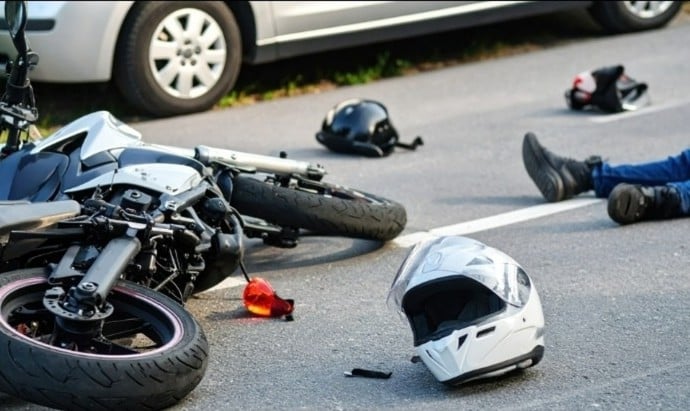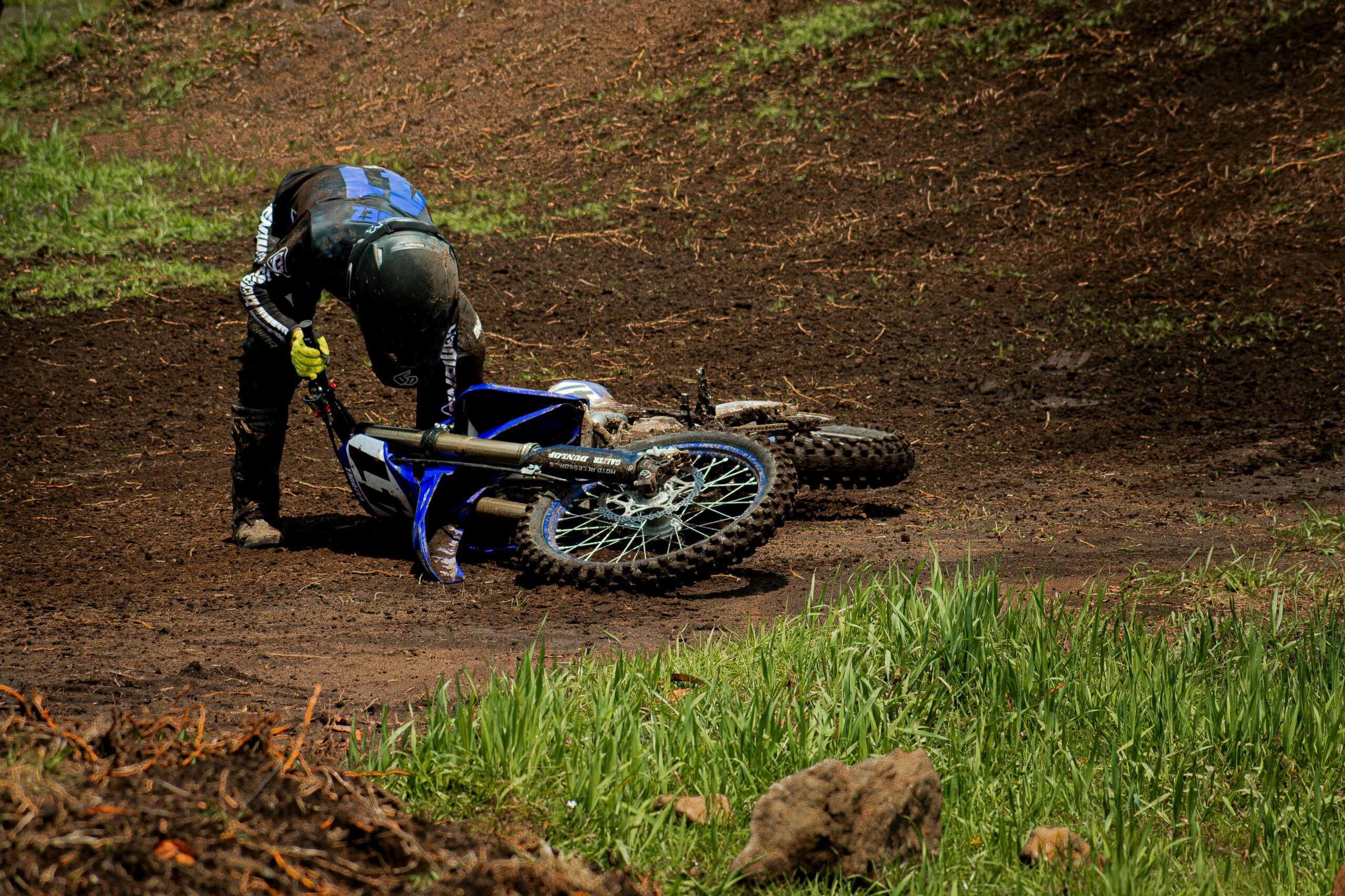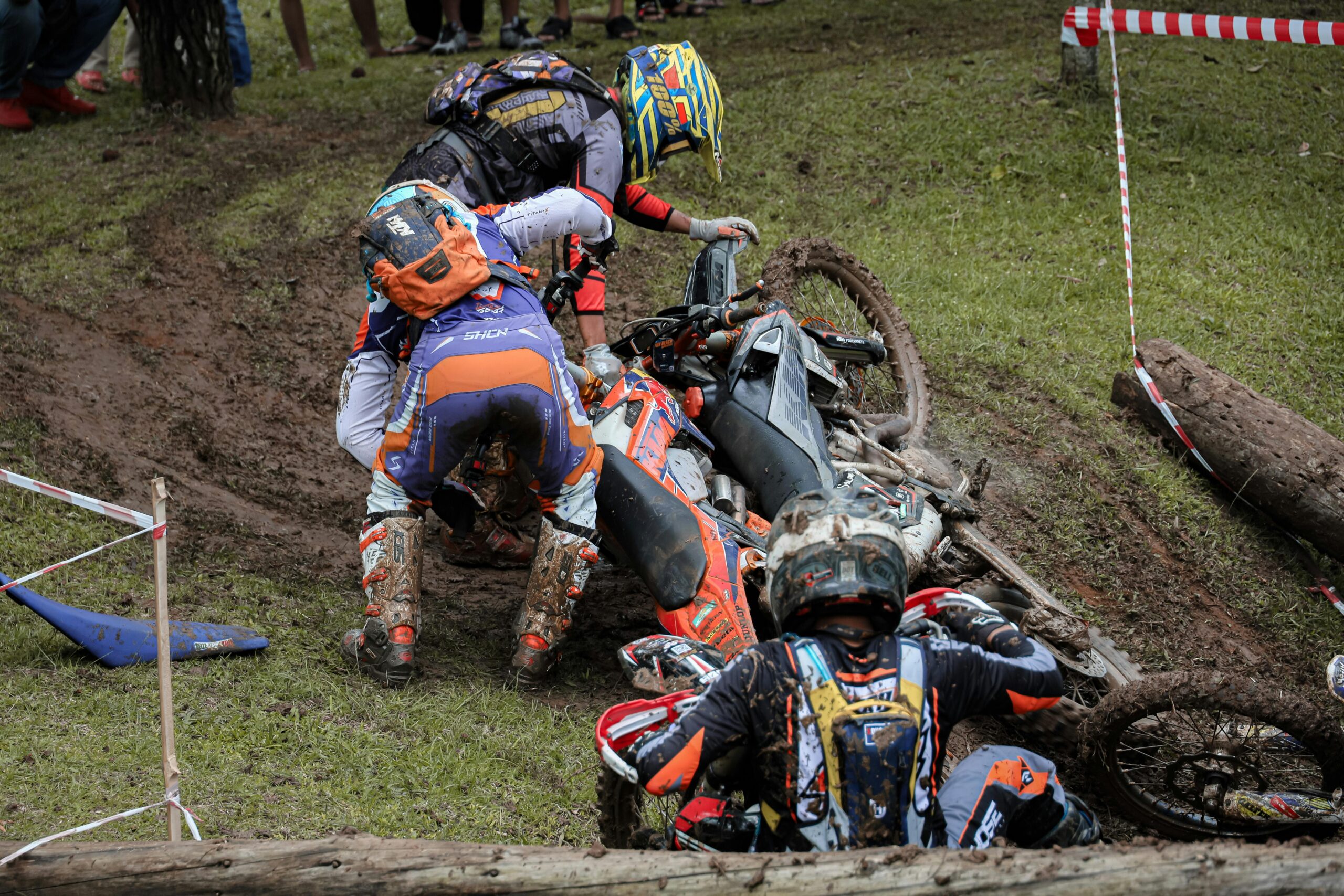




Riding a motorcycle through New York is risky. Whether you’re navigating Manhattan’s congested streets, cruising along upstate highways, or commuting through suburban areas, the vulnerability of motorcycle riders creates dangers that car occupants rarely face. Recent data shows that motorcyclists are approximately 29 times more likely to die in crashes per mile traveled compared to people in cars, and New York State ranks as the fourth-leading state in the nation for registered motorcycles. This combination of high ridership and elevated risk creates a serious public safety concern across the state.
Prior results do not guarantee a similar outcome.
The statistics tell a sobering story. While New York City achieved its safest year since 1910 in 2025 with 205 total traffic deaths, motorcycle fatalities moved in the opposite direction. Year-to-date figures through February 2026 showed 70 motorcycle fatalities in New York City alone, compared to 58 during the same period in 2025. That represents a 20.69 percent increase, even as other vehicle categories saw improvements. This upward trend demands attention from riders, other drivers, and anyone concerned about road safety in New York.
What Do the 2025 Numbers Tell Us About Motorcycle Safety in New York?
The most recent traffic data available through early 2026 provides crucial insight into where motorcycle safety stands right now. New York City recorded 11,603 total collisions year-to-date in 2026, resulting in 4,422 injury collisions and 5,967 total injuries across all vehicle types. Within these broader statistics, motorcycles represented a disproportionate share of fatalities relative to their presence on the road.
The increase in motorcycle deaths stands in sharp contrast to improvements in other areas. While motorist fatalities decreased by 32 percent from 2024 to 2025, saving approximately 34 lives, and cyclist fatalities remained relatively stable at 21 deaths during the year, motorcycle-specific safety initiatives have not kept pace with broader traffic safety improvements. The Vision Zero initiative has achieved measurable success in protecting pedestrians and general vehicle occupants, but motorcycle riders have not benefited equally from these efforts.
Nationally, the picture looks similarly concerning. In 2023, the most recent year with comprehensive data available, 6,335 motorcycle riders and passengers were killed in fatal crashes, representing 15 percent of all traffic fatalities despite motorcycles constituting only 3 percent of registered vehicles. The fatality rate per 100,000 registered motorcycles was 66.57, dramatically exceeding rates for passenger vehicles. New York specifically recorded 201 motorcycle fatalities in 2023, placing it among the states with the highest absolute numbers of motorcycle deaths.
Injuries tell an equally important part of the story. Over 82,000 motorcyclists were injured nationally in 2023, meaning injuries occur roughly thirteen times more frequently than fatalities. The injury rate per 100,000 registered motorcycles in 2023 was 868. These injuries often result in permanent disability, disfigurement, and long-term consequences far exceeding those associated with passenger vehicle accidents. Research suggests that motorcycle accidents are twice as likely to result in severe injuries compared to car accidents.
The types of injuries survivors face include head trauma, neck injuries, spinal cord injuries, severe road rash and scarring, fractured limbs, and paralysis. These are not minor accidents that people walk away from. They represent life-altering events that affect victims, their families, and their ability to work and live independently.
Why Do Motorcycles Get Hit by Cars Turning Left?
Left-turn collisions at intersections are among the most significant contributors to motorcycle accidents. Research examining fatal two-vehicle motorcycle crashes indicates that 41 percent involve the other vehicle making a left turn in front of the motorcycle. In these scenarios, the car driver commonly misjudges the motorcycle’s speed or fails to see the rider entirely, leading to catastrophic collisions that often prove fatal or result in severe trauma.
The motorcycle, traveling straight or overtaking, is directly struck by a vehicle turning perpendicular across its path, leaving the rider with minimal opportunity to avoid impact. These collisions are particularly prevalent at intersections during daylight hours, suggesting that visibility issues and driver attentiveness to motorcycles’ presence remain fundamental problems despite the vehicles’ use of headlights.
Insurance estimates indicate that motorcyclists face 27 times the chance of serious injury or death on the road compared to automobile drivers, with a substantial portion of these accidents representing the clear fault of other drivers. More than 90 percent of motorcycle accidents involve other vehicles rather than single-vehicle incidents.
The small visual profile of motorcycles makes them easily overlooked in drivers’ peripheral vision. Research has documented that even careful drivers scanning for vehicles may miss motorcycles at intersections due to their narrow frontal profile. This phenomenon, sometimes termed “failure to see” crashes, represents not negligence by riders but rather a fundamental limitation in human perception when scanning for larger vehicle profiles. Drivers trained to look for cars and trucks may literally not process the presence of a motorcycle, even when looking directly at it.
For motorcycle riders, this means defensive riding becomes essential. Assuming that drivers at intersections do not see you, positioning yourself for maximum visibility, reducing speed when approaching intersections, and preparing for evasive action can help compensate for other drivers’ perceptual limitations.
For car and truck drivers, the message is equally clear: actively look for motorcycles, especially when turning left, and give motorcycles the same consideration and space you would give any other vehicle.
How Does Speed Contribute to Motorcycle Crashes?
Speeding emerges consistently as a major contributing factor in fatal motorcycle crashes, appearing more frequently in motorcycle accidents than in passenger vehicle crashes. National data from 2023 indicates that 36 percent of all motorcycle rider fatalities involved speeding, a higher percentage than for drivers of passenger cars or trucks. When examining specific circumstances, the data becomes even more concerning: among riders involved in fatal crashes overall, 33 percent were speeding.
For young riders, the problem is particularly acute. Thirty-seven percent of male drivers aged 15 to 20 involved in fatal traffic crashes were cited for speeding, representing the highest rate among all age groups. The critical distinction in motorcycle crashes is that speed affects not only crash likelihood but also crash severity, and the physics of motorcycle operation means that the margins for error are substantially smaller at higher velocities.
The issue with speeding in motorcycle crashes extends beyond simple excess speed over posted limits. Much unsafe speed in motorcycle riding involves traveling faster than conditions permit, rather than merely exceeding posted limits. Riders may enter corners or navigate turns in conditions where their speed far exceeds what their experience level, tire conditions, or visibility allows, resulting in loss of control.
This distinction matters because it suggests that education and behavioral change regarding speed appropriateness may be more impactful than enforcement of posted speed limits alone. A rider traveling at the posted speed limit but entering a curve too fast for the road’s camber or their skill level faces just as much danger as someone exceeding the limit on a straight road.
Speed becomes particularly problematic when combined with other risk factors. Research examining drivers aged 21 to 24, who represent the highest percentage of alcohol-impaired drivers involved in fatal crashes, found that 52 percent were speeding and 41 percent of those speeding drivers had alcohol in their system. The compounding effects of multiple risk factors create exponentially higher danger.
For riders, understanding the limits of both your machine and your abilities becomes critical. The posted speed limit represents the maximum safe speed under ideal conditions for an average driver. Rain, reduced visibility, unfamiliar roads, fatigue, or any other factor that diminishes your capacity to respond should prompt you to reduce speed accordingly. The few seconds saved by riding faster never justify the catastrophic consequences of losing control.
What Role Does Alcohol Play in Motorcycle Accidents?
Alcohol impairment represents another dominant factor in fatal motorcycle crashes, appearing with even greater frequency in motorcycle incidents than in passenger vehicle accidents. Data shows that 25 percent of motorcycle riders killed in crashes were alcohol-impaired, a figure substantially exceeding the 15 to 20 percent prevalence in passenger vehicles. The problem becomes more acute when examining single-vehicle motorcycle crashes, where 37 percent of riders killed were impaired.
On weekend nights, the situation is particularly severe, with more than half of riders killed in single-vehicle crashes being impaired. This suggests that a substantial portion of fatal motorcycle accidents involve riders choosing to operate their vehicles after consuming alcohol, despite the dramatically heightened risks.
The mechanisms through which alcohol impairment increases motorcycle crash risk differ from those in passenger vehicles. Alcohol does not simply slow reaction time; it fundamentally alters judgment and perception. Riders under the influence experience dulled early warning signals that normally indicate when to reduce speed, create space, or exercise caution. Risky decisions feel reasonable to the impaired rider, and the increased demands of motorcycle operation, which require constant active steering and balance correction, become impossible to execute reliably.
Operating a motorcycle requires continuous micro-adjustments that passenger vehicle operation does not demand. You must actively balance the machine, coordinate clutch and throttle, manage braking between front and rear wheels, and maintain awareness of road conditions that might not affect a car. Alcohol impairs all of these functions simultaneously.
The fact that riders make the choice to operate motorcycles while impaired, rather than the impairment occurring unexpectedly during operation, points to inadequate awareness of risk and insufficient consequences for this dangerous behavior. Unlike some accident causes that involve split-second decisions or unavoidable circumstances, choosing to ride impaired represents a preventable decision made before the rider ever starts the engine.
For anyone who rides, the message is straightforward: if you have been drinking, do not ride. The elevated risks that already exist for motorcyclists become insurmountable when combined with alcohol impairment. Arrange alternative transportation, wait until you are completely sober, or simply do not put yourself in situations where you might be tempted to ride after drinking.
Why Does Riding Without a License Increase Accident Risk?
A factor that receives less public attention but emerges prominently in crash statistics is the role of inadequate licensing and operator experience. Data examining motorcycle fatalities reveals that more than one-third, approximately 34 percent, of people killed in motorcycle accidents in 2023 did not have valid licenses at the time of their deaths, compared to only 15 percent for drivers who died in passenger vehicles.
This substantially higher rate of unlicensed operation in fatal motorcycle crashes suggests either that motorcycle riding attracts individuals without formal training or that the absence of formal licensing requirements correlates with other risk factors. Additionally, riders involved in fatal crashes show higher rates of prior convictions for speeding, driving under the influence, or license suspension compared to car drivers, indicating that operator behavior patterns extend beyond riding to encompass broader disregard for traffic safety.
The connection between formal training and crash reduction has been extensively documented. New York State requires riders under 18 to complete a state-approved motorcycle safety course, and for adults, while not mandatory, completion of the Basic Rider Course (BRC) provides substantial benefits. The BRC, based on Motorcycle Safety Foundation curriculum, includes classroom instruction and hands-on riding practice covering fundamental handling, braking, swerving, and low-speed maneuvering.
Upon completion, riders receive a certificate that waives the DMV road test and often qualifies them for insurance discounts. Despite these incentives, significant portions of New York’s motorcycle population operate with minimal formal training.
Operating a motorcycle without proper training means lacking fundamental skills that experienced riders take for granted. Emergency braking techniques differ substantially between motorcycles and cars. Proper cornering requires countersteering, a technique that feels counterintuitive but becomes essential at higher speeds. Understanding weight transfer, traction limits, and how to respond when the bike begins to slide requires instruction and practice.
Riders who learn informally from friends or simply teach themselves miss critical safety information that formal courses provide. They may develop bad habits that work adequately in normal conditions but fail catastrophically in emergencies. The statistics bear this out: riders without proper licensing die at rates more than twice as high as properly licensed riders.
For anyone considering riding a motorcycle in New York, completing a formal safety course should be considered non-negotiable, regardless of whether state law requires it for your age group. The skills learned in these courses have been proven to save lives, and the modest investment of time and money pales in comparison to the consequences of inadequate preparation.
Do Helmets Actually Save Lives in Motorcycle Crashes?
While helmets represent one of the most effective safety interventions available, a substantial portion of motorcycle fatalities involve unhelmeted riders. In 2016, 41 percent of motorcyclists killed in crashes were not wearing helmets. The implications of this statistic are profound: helmets saved an estimated 1,859 motorcyclists’ lives in that year, yet another 802 lives could have been saved if everyone had been wearing helmets.
These are not deaths that occurred despite helmet use; they are preventable deaths resulting from the absence of this basic safety device. The deaths did not occur because crashes were too severe for helmets to provide protection; rather, heads took impacts that helmets could have mitigated, and riders died from injuries that helmets were specifically designed to prevent.
New York State law requires Department of Transportation (DOT)-approved helmets for all motorcycle riders, placing the state among only 20 states and Washington D.C. that maintain universal helmet laws. However, enforcement of this requirement varies across jurisdictions, and compliance rates in some regions fall below optimal levels.
The Centers for Disease Control and Prevention identifies universal helmet laws as an effective way for states to save lives and reduce costs related to motorcycle crash injuries. Despite this clear evidence, only 18 states and Washington D.C. required all motorcyclists to wear helmets in 2023, while 29 states required helmets only for riders under 18, and three states had no helmet law requirements whatsoever.
The pattern of injuries in fatal motorcycle crashes shows that intracranial hemorrhages occur in approximately 84.5 percent of deaths, predominantly involving subdural and subarachnoid hemorrhages, injuries that helmet use could mitigate. When a rider’s head strikes pavement, a vehicle, or another object, the helmet absorbs and distributes impact forces that would otherwise fracture the skull and damage brain tissue.
Beyond helmets, comprehensive protective equipment represents a critical gap in many riders’ safety practices. The full suite of protective gear includes DOT or ECE-certified helmets, armored jackets with impact protection at shoulders and elbows, reinforced riding pants with knee and hip protectors, gloves with rigid knuckle protection, and boots covering the ankles.
Research indicates that proper protective equipment substantially reduces injury severity even in crashes that cannot be prevented. Road rash and abrasion injuries, common in motorcycle accidents, require protective clothing to prevent the severe scarring and tissue damage that characterize motorcycle-accident injuries. In crashes where riders survive the initial impact, protective gear often determines whether they face months of painful skin grafts and reconstructive surgery or walk away with bruises and equipment damage.
For riders, wearing a helmet should be as automatic as starting the engine. Beyond the legal requirement, the evidence overwhelmingly demonstrates that helmets work. They do not prevent all deaths or all injuries, but they dramatically reduce the severity of head trauma in crashes. Choosing to ride without a helmet in New York means breaking the law and accepting substantially higher risks of death or permanent brain injury.
Which Riders Face the Highest Risk of Accidents?
Young riders represent a particularly vulnerable population in motorcycle accidents. National data shows that: 67 percent of drivers under age 21 involved in fatal crashes were speeding, substantially exceeding rates for older age groups. For drivers aged 21 to 24, the highest percentage of alcohol-impaired drivers involved in fatal crashes, 52 percent were speeding and 41 percent of those speeding drivers had alcohol in their system.
The combination of youthful risk-taking behavior, inexperience, and the inherent demands of motorcycle operation creates a high-risk scenario. New York State requires younger riders to complete safety courses and imposes stricter licensing conditions on riders under certain ages, recognizing that this population needs additional protection and oversight.
The psychology of young riders contributes to elevated risk. Research on adolescent brain development shows that the prefrontal cortex, responsible for risk assessment and impulse control, does not fully mature until the mid-twenties. This means that young riders may intellectually understand risks but struggle to translate that understanding into cautious behavior in the moment. The thrill of riding, peer pressure, and overconfidence in developing skills combine to create dangerous situations.
Older riders face different but equally significant risks. While they may exercise better judgment regarding speed and alcohol, age-related declines in vision, reaction time, and physical flexibility can compromise their ability to respond to emergencies. Additionally, older riders who return to motorcycling after years away often overestimate their retained skills and underestimate how much the riding environment has changed.
Riders with previous traffic violations represent another high-risk group. Data shows that riders involved in fatal crashes have higher rates of prior convictions for speeding, driving under the influence, or license suspension compared to car drivers. This pattern suggests that risky behavior on motorcycles often reflects broader patterns of disregard for traffic safety rather than isolated incidents.
Gender differences also appear in crash statistics, though these reflect behavioral patterns rather than inherent capability differences. Male riders account for the vast majority of motorcycle fatalities, and male riders show higher rates of speeding, alcohol impairment, and helmet non-use compared to female riders. These behavioral differences, rather than differences in riding ability, drive the gender disparity in crash outcomes.
Can You Sue After a Motorcycle Accident in New York?
Yes. This is one of the few advantages motorcycle riders have under New York law.
Normally, in a motor vehicle accident, the no-fault system kicks in. This means that unless you suffer a serious injury as defined by law, you can only recover from your insurance provider, and cannot sue the at-fault party.
However, because motorcycles are not considered motor vehicles under the no-fault system, motorcycle riders who were injured in road accidents can immediately sue the at-fault party. The downside is that there is no guaranteed immediate compensation, unless you have some separate insurance. But the benefit is that you can fully recover compensation, both economic, and non-economic damages.
New York follows a pure comparative negligence rule, which means that even if you bear some responsibility for the accident, you can still recover damages reduced by your percentage of fault. If you were 30 percent at fault and the other driver was 70 percent at fault, you can recover 70 percent of your total damages. However, insurance companies often exaggerate your degree of fault to reduce their liability, making it essential to have legal representation that can effectively counter these arguments.
What Should You Do Immediately After a Motorcycle Accident?
The actions you take immediately after a motorcycle accident can significantly affect both your physical recovery and your legal rights. Even if you feel shocked, injured, or overwhelmed, following certain steps protects your interests.
First, seek medical attention immediately, even if you do not think you are seriously injured. Adrenaline and shock can mask pain and symptoms that become apparent hours or days later. Some serious injuries, including internal bleeding, traumatic brain injuries, and spinal damage, may not produce immediate symptoms. Getting prompt medical evaluation creates documentation of your injuries and their connection to the accident.
If you are physically able, document the accident scene. Take photographs of vehicle positions, damage to your motorcycle and the other vehicle, road conditions, traffic signs and signals, skid marks, and your visible injuries. Get contact information from witnesses who saw the accident occur. Their statements may prove crucial if the other driver later disputes fault.
Report the accident to police, even if it seems minor. New York law requires reporting accidents that result in injury, death, or property damage exceeding $1,000. The police report creates an official record of the accident and often includes the officer’s assessment of fault based on physical evidence and witness statements.
Exchange information with the other driver, including names, contact information, insurance details, driver’s license numbers, and vehicle registration information. However, do not discuss fault or apologize at the scene. Statements like “I’m sorry” or “I didn’t see you” can be construed as admissions of liability that hurt your claim later.
Notify your insurance company about the accident promptly, as your policy likely requires timely reporting. However, be cautious about giving recorded statements or signing releases before consulting with an attorney. Insurance adjusters may use your statements to minimize your claim or deny coverage.
Preserve evidence related to the accident and your injuries. Keep damaged riding gear, as it demonstrates impact severity. Maintain records of all medical treatment, including emergency room visits, follow-up appointments, prescriptions, and therapy sessions. Document how your injuries affect your daily life, including activities you can no longer perform, work you have missed, and pain you experience.
Avoid discussing the accident on social media. Do not make tiktoks or instagram posts about the injury. You’d think making light of a bad situation can somehow improve things, but insurance companies and defense attorneys routinely monitor claimants’ social media accounts looking for posts that contradict injury claims. A photo of you smiling, or a video of you dancing at the accident scene might be used to argue that you are not really suffering, even though the photo captures a single moment followed by months of pain and difficulty.
Talk to our experienced personal injury lawyers and know all your legal options for recovery in a free, no-obligation consultation.
Get Immediate Legal Help
Things move quickly after a motorcycle accident. Evidence can disappear, witnesses can become difficult to reach, and recovery and treatment can take up most of your time. If you want to secure the best compensation possible, get immediate legal help from experienced motorcycle accident lawyers.
The Porter Law Group has spent decades helping accident victims throughout New York State recover compensation from the at-fault parties. We help injured motorcyclists get the most for their recovery and future needs in cases of permanent disability. Whether through favorable court decisions or well-negotiated settlements, our experienced motorcycle accident lawyers know the ins and outs of New York’s library of regulations, and can help you salvage the most from a tragic crash.
Fill out our online form for a free consultation and know your options. You can also call 833-PORTER9 or email info@porterlawteam.com to get started.