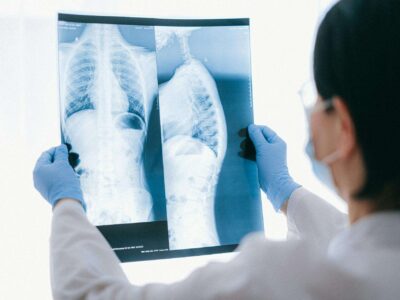



Losing someone you love to lung cancer is devastating. When that cancer stems from asbestos exposure, the grief often comes with anger and questions about how this could have been prevented. Your loved one may have worked in construction, served in the military, or spent years in a shipyard, never knowing that microscopic fibers were damaging their lungs. Now you’re left sorting through medical records, funeral arrangements, and the overwhelming realization that someone else’s negligence contributed to this loss.
Prior results do not guarantee a similar outcome.
Understanding the connection between asbestos and lung cancer matters because it opens pathways to compensation and accountability. More than 34,000 people die from asbestos-related lung cancer in the United States every year, representing roughly 27% of all lung cancer deaths. In New York alone, approximately 14,200 people were diagnosed with lung cancer in 2024, making it the fourth-highest state for cases nationwide. Many of these diagnoses trace back to decades of asbestos use in buildings, ships, and industrial sites across the state.
This isn’t about replacing what you’ve lost. Nothing can do that. But pursuing legal action can ease financial burdens, hold responsible parties accountable, and sometimes provide a sense of closure during an impossibly difficult time.
How Does Asbestos Actually Cause Lung Cancer
Asbestos functions as an independent carcinogen, meaning it can cause cancer on its own without needing other factors. When someone inhales asbestos fibers, those microscopic particles lodge deep in lung tissue. The body cannot break them down or expel them effectively. Over years and decades, these fibers cause chronic inflammation and cellular damage that can eventually trigger cancerous growth.
The danger multiplies dramatically for smokers. Someone who smokes and was exposed to asbestos faces nearly 100 times the lung cancer risk compared to a person who smokes but was never exposed to asbestos. This doesn’t mean asbestos only affects smokers. Non-smokers exposed to asbestos develop lung cancer too, though at somewhat lower rates. The key point is that asbestos acts as its own threat, separate from tobacco.
Lung cancer remains the leading cause of cancer death in the United States, with over 230,000 new cases projected for 2026. While smoking causes 80 to 90 percent of lung cancer cases overall, asbestos accounts for 87% of all asbestos-related deaths annually. That staggering figure reflects decades of widespread industrial use before regulations tightened.
Symptoms often appear late, after the cancer has already spread. Persistent coughing, bloody mucus, chest pain, and shortness of breath are common warning signs. By the time these symptoms prompt medical attention, treatment options may be limited. The American Cancer Society now recommends annual low-dose CT screenings for people aged 50 to 80 with a heavy smoking history or documented asbestos exposure, yet only about 16% of high-risk individuals actually get screened. That low screening rate means many cases go undetected until advanced stages.
What Jobs and Locations in New York Created the Highest Exposure Risks
New York has a particularly heavy burden of asbestos-related disease because of its industrial history. More than 6,460 job sites across the state have been linked to asbestos exposure. Construction workers, electricians, plumbers, shipyard workers, and insulation installers faced some of the highest risks. Asbestos was used extensively in buildings constructed before the 1980s, especially in fireproofing materials, pipe insulation, floor tiles, and ceiling materials.
The World Trade Center attacks created another wave of exposure. First responders, recovery workers, and people who lived or worked near Ground Zero inhaled asbestos fibers released when the towers collapsed. Over 4,190 mesothelioma diagnoses, a cancer of the lung lining almost exclusively caused by asbestos, have been reported in New York. Mesothelioma and lung cancer from asbestos exposure often appear decades after the initial contact with fibers, making it difficult for families to immediately connect a diagnosis with past work conditions.
Military veterans face elevated risks as well. Asbestos was used widely in Navy ships, military buildings, and equipment until the 1980s. Veterans diagnosed with service-related lung cancer may qualify for VA disability benefits, which can provide over $3,930 monthly for a 100% disability rating, plus comprehensive healthcare coverage.
Secondary exposure also occurs. Family members who washed work clothes covered in asbestos dust or lived with someone who brought fibers home on their clothing have developed lung cancer and mesothelioma. This type of exposure is harder to document but equally valid in legal claims.
Can You Sue for Lung Cancer Caused by Asbestos Exposure
Yes. Families can file wrongful death claims against companies, manufacturers, or other parties responsible for the asbestos exposure that led to lung cancer. These claims seek compensation for medical expenses, lost income, funeral costs, and the loss of companionship and support. Asbestos-related claims make up about 40% of all asbestos lawsuit filings, with roughly 1,600 new cases filed in 2024.
The legal basis for these claims rests on negligence and liability. Companies that manufactured asbestos products, employers who failed to protect workers, or property owners who didn’t warn about asbestos hazards can all be held accountable. Many of these companies knew about the dangers of asbestos for decades but continued using it anyway, prioritizing profits over worker safety.
Wrongful death claims differ slightly from personal injury claims. In a personal injury case, the injured person files the lawsuit themselves. In a wrongful death case, a family member or estate representative files on behalf of the deceased. New York law allows specific family members to bring these claims, typically starting with a surviving spouse, then children, then parents or siblings depending on the family structure.
Proving the case requires establishing that asbestos exposure caused or significantly contributed to the lung cancer. This can be challenging because lung cancer has multiple potential causes, especially if your loved one smoked. However, medical experts can review pathology reports, work history, and exposure timelines to provide opinions about causation. Courts recognize that asbestos can be a substantial factor even when other risk factors exist.
What Compensation Is Actually Available for Families
Settlement amounts vary widely based on the strength of evidence, the extent of exposure, and the defendants involved. Average settlements for asbestos-related lung cancer range from $100,000 to $400,000, though jury verdicts sometimes exceed $1 million. Examples include:
In New York, one electrician’s family recovered $1 million for asbestos-related lung cancer.
A California plumber and his wife received $1.6 million after both developed lung cancer from exposure.
An Arizona steel worker’s family secured $825,000.
A North Carolina patient with stage 4 lung cancer obtained $809,000 after proving the asbestos link.
These figures represent real outcomes, not guarantees. Each case depends on specific facts. Factors that influence compensation include the severity of the illness, how long the person suffered, their age and earning capacity, the degree of the defendant’s negligence, and whether multiple companies share liability.
Beyond lawsuits, over $30 billion remains available in asbestos trust funds as of 2026. These trusts were established by bankrupt asbestos companies to compensate victims without requiring families to sue companies that no longer exist. Filing a trust claim can be faster than litigation and doesn’t prevent families from also pursuing lawsuits against solvent companies. Many families receive compensation from multiple trusts and settlements combined.
Veterans have a separate pathway through the Department of Veterans Affairs. VA benefits for service-related lung cancer can provide substantial monthly payments plus healthcare. These benefits don’t require proving fault or filing a lawsuit, only establishing that the exposure occurred during military service and contributed to the cancer.
How Long Do You Have to File a Claim in New York
Time limits matter significantly in these cases. New York generally gives families one to three years from the date of death to file wrongful death claims, though the specific deadline can depend on when the connection between asbestos and the lung cancer became clear. This is called the discovery rule, which starts the clock when you reasonably should have known that asbestos caused the cancer, not necessarily when the person first got sick.
These deadlines are strict. Missing the statute of limitations usually means losing the right to seek compensation entirely, regardless of how strong the case might be. Courts rarely grant extensions except in very limited circumstances. This makes early consultation with an attorney critical, even while you’re still grieving and handling immediate family matters.
Recent federal court decisions between 2024 and 2026 have extended some timelines using the “each exposure” theory, which treats each instance of asbestos exposure as a separate potential claim trigger. Courts have also updated causation standards to make it somewhat easier to prove asbestos contributed to lung cancer even when other risk factors existed. These developments help families, but they also add complexity that makes legal guidance essential.
The discovery rule can work in your favor if your loved one’s doctors didn’t initially identify asbestos as a contributing factor. If the asbestos connection only became clear after reviewing medical records following death, the statute of limitations might start from that later discovery date rather than the death date itself. However, this requires careful documentation and legal argument.
What Evidence Do You Need to Build a Strong Case
Medical records form the foundation of any asbestos lung cancer claim. You’ll need the death certificate, autopsy results (if performed), pathology reports from biopsies, imaging studies like CT scans or X-rays, and treatment records. These documents help establish the diagnosis and account for other potential causes.
Proof of asbestos exposure comes next. Work history is crucial. Employment records, union membership documents, job site photographs, and testimony from coworkers can all demonstrate that your loved one worked around asbestos. Military service records serve the same purpose for veterans. Even if your loved one changed jobs frequently or worked for companies that no longer exist, investigators and attorneys experienced in asbestos cases often can piece together exposure history.
Secondary exposure cases require different evidence. If your loved one never worked directly with asbestos but lived with someone who did, you’ll need to show that person’s work history and explain the household exposure. Testimony about washing work clothes, physical contact with dusty clothing, or living conditions can support these claims.
Expert testimony typically determines whether the case succeeds. Oncologists, pulmonologists, and occupational medicine specialists review the medical evidence and exposure history to provide opinions about whether asbestos caused or contributed to the lung cancer. These experts can distinguish asbestos-related lung cancer from smoking-related cancer based on tumor location, cell type, and other factors. Their testimony addresses the causation question that defendants almost always challenge.
Gathering this evidence takes time and often requires help. Medical records departments, former employers, government agencies, and military archives all have different procedures and response times. Starting this process early, even before deciding whether to file a claim, prevents delays later.
What About Smoking and Other Risk Factors
Defendants in asbestos cases almost always point to smoking when the deceased person had a smoking history. Their argument is simple: smoking causes lung cancer, so how can you prove asbestos did? This defense strategy aims to shift blame away from asbestos exposure and onto the victim’s personal choices.
The legal answer is that asbestos doesn’t need to be the only cause. It just needs to be a substantial contributing factor. New York law, like most states, recognizes that multiple factors can combine to cause an injury or illness. Even if smoking increased lung cancer risk, asbestos exposure can still be legally responsible if it materially contributed to the disease.
Medical science supports this approach. The nearly 100-fold increase in lung cancer risk for smokers exposed to asbestos compared to smokers without exposure demonstrates that asbestos adds independent risk beyond smoking alone. Expert witnesses explain this synergistic effect to juries, showing that the cancer likely wouldn’t have developed when it did, or at all, without the asbestos exposure.
Other risk factors like radon exposure, air pollution, or family history of cancer can also complicate cases. These don’t automatically defeat a claim; they require detailed expert analysis to apportion responsibility and demonstrate asbestos’s role. Experienced attorneys know how to address these defenses and present evidence that isolates asbestos as a key factor.
Some families worry that acknowledging smoking or other risk factors will hurt their case. Honesty actually strengthens credibility. Trying to hide or minimize other risk factors usually backfires when defendants uncover the truth during investigation. Medical experts can account for multiple risk factors while still establishing asbestos liability.
Are Asbestos Trust Claims Different from Lawsuits
Yes, and many families pursue both simultaneously. Asbestos trust claims involve filing paperwork with trusts established by bankrupt asbestos companies. These trusts operate under predetermined payment schedules based on diagnosis type, exposure evidence, and other factors. The process is generally faster and less adversarial than litigation because there’s no trial and no need to prove fault against a specific defendant.
Over $30 billion sits in these trusts as of 2026, reserved specifically for asbestos victims and their families. Hundreds of trusts exist, each representing a different bankrupt company. A single person might have been exposed to products from multiple companies, making them eligible to file claims with multiple trusts. Each trust has its own claim form, evidence requirements, and payment percentages.
Trust claims typically pay less than lawsuit settlements or verdicts, but they offer certainty and speed. Payments might range from a few thousand dollars to over $100,000 depending on the trust and the strength of the claim. Families often receive trust payments while simultaneously pursuing lawsuits against companies that haven’t gone bankrupt.
Lawsuits target solvent companies that manufactured asbestos products, employed the deceased person, or owned properties where exposure occurred. These cases can result in larger recoveries but take longer and involve more uncertainty. Defendants fight hard, cases can take years to resolve, and outcomes depend on jury decisions or negotiated settlements.
A common strategy is to identify all potential sources of compensation, file trust claims for bankrupt companies, and file lawsuits against solvent defendants. This maximizes total recovery and doesn’t require choosing one path over the other. Attorneys experienced in asbestos litigation manage both processes simultaneously.
What Resources Exist Specifically for New York Families
New York offers several resources for families dealing with asbestos-related lung cancer:
New York State Department of Health: Maintains data on asbestos exposure sites and can provide information about known contamination locations.
Mount Sinai Hospital (New York City): Known for asbestos research dating to Dr. Irving Selikoff’s work in the 1960s; continues research and treatment and can provide medical expertise for causation analysis or second opinions.
World Trade Center Health Program: Provides medical monitoring and treatment for people exposed to toxins, including asbestos, during and after the 9/11 attacks; can also provide documentation useful for legal claims.
American Cancer Society: Offers grief resources, support groups, and information about lung cancer.
Legal aid organizations and bar associations: Can provide referrals to attorneys who specialize in asbestos litigation. Many asbestos attorneys work on contingency, meaning no upfront fees and payment only if compensation is recovered.
What Happens During the Legal Process
Consultation: An attorney reviews medical records, exposure history, and other evidence to assess viability.
Investigation: The attorney gathers additional records, identifies potential defendants, and consults medical experts.
Filing: The complaint names defendants, describes the exposure, explains causation, and requests compensation.
Response and Discovery: Defendants respond (often denying liability). Discovery can be lengthy and includes document exchange, depositions, and expert analysis.
Settlement Negotiations: Many cases settle before trial. Negotiations occur throughout the process.
Trial: If settlement fails, a jury hears the case and decides liability and damages.
Appeals: Either side can appeal, which can extend the timeline.
Defendants commonly raise defenses such as statute of limitations, lack of causation, or contributory negligence from smoking. Plaintiff attorneys prepare to rebut these defenses with medical experts and exposure evidence.
Throughout the process, attorneys handle the legal work while keeping families informed of major developments. The goal is to pursue justice and compensation without adding to the emotional burden families already carry.
Learn about all your legal options and what damages you can recover from an experienced personal injury attorney.
Summing It Up
Losing someone to lung cancer caused by asbestos exposure is a tragedy that often could have been prevented. Companies knew about asbestos dangers for decades but continued using it, prioritizing profits over worker and family safety. Now you’re left with grief, medical bills, and questions about what comes next.
Legal claims can’t undo what happened, but they can provide financial compensation for medical expenses, lost income, and the immense loss your family has suffered. They also hold negligent companies accountable and sometimes prevent future exposures by forcing industries to change practices.
Time matters. Statutes of limitations in New York generally give families one to three years from the date of death to file wrongful death claims. Gathering evidence, consulting experts, and building a strong case takes time, so starting the process early protects your rights even if you’re not ready to make final decisions.
You have options: lawsuits against solvent companies, claims against asbestos trust funds, and VA benefits for veterans are all potential pathways to compensation. Many families pursue multiple avenues simultaneously to maximize recovery.
The legal process can seem overwhelming, especially while grieving. Experienced asbestos attorneys handle the complex work, usually on contingency so there are no upfront costs. They gather evidence, consult medical experts, negotiate with defendants, and, if necessary, present your case to a jury.
Your loved one deserved better than to develop lung cancer from workplace asbestos exposure. While nothing can bring them back, pursuing legal action can ease financial burdens, provide a sense of justice, and ensure their suffering wasn’t ignored. You don’t have to navigate this alone. Resources exist, legal help is available, and families across New York have successfully held asbestos companies accountable for the harm they caused.