

After a motorcycle accident, your first steps are to move to safety, call 911, check for injuries, document the scene, and seek medical attention within 24 hours, even if you feel fine. These actions protect your health and preserve your legal rights. Missing any one of them can reduce or permanently eliminate your ability to recover compensation. This complete guide walks you through every phase: what to do immediately at the scene, what to expect in the days and weeks that follow, what mistakes to avoid, how to handle minor accidents, what actually happens legally and physically after a crash, and how to achieve a full physical and emotional recovery.
Prior results do not guarantee a similar outcome.
What To Do After a Motorcycle Accident: Step-by-Step Guide
The 10 steps below cover everything you must do after a motorcycle accident to protect your safety, legal rights, and insurance claim. Follow them in order if you are physically able.
Step 1: Move to Safety and Call 911
Call 911 immediately after a motorcycle accident, even when injuries seem minor, because a police report is required for any insurance claim or lawsuit. Move yourself and your motorcycle out of traffic only if it is safe to do so. Do not remove your helmet unless absolutely necessary since moving after a crash can worsen spinal or neck injuries. Leaving the scene before police arrive can result in criminal charges. In New York, this is codified under Vehicle and Traffic Law Section 600.
Step 2: Check Yourself and Others for Injuries
Check yourself for injuries before helping others, because adrenaline frequently masks serious pain. Do not assume you are unhurt simply because you feel functional. Check other drivers, injured motorcycle passengers, and pedestrians for injuries and render reasonable aid without moving critically injured persons. Request an ambulance even when injuries appear minor, as internal bleeding, traumatic brain injuries (TBI), and spinal injuries may not be immediately apparent at the scene.
Step 3: Document the Scene Thoroughly
Photograph everything at the accident scene: your motorcycle, all vehicles involved, skid marks, road conditions, traffic signs, signals, and any visible injuries. Take wide-angle shots and close-up shots from multiple angles, and include timestamps. Record a short video narrating what happened while your memory is fresh. Note weather conditions, lighting, and the exact time of day. This documentation is often decisive in contested insurance claims and litigation.
Step 4: Exchange Information and Gather Witnesses
Collect the other driver’s full name, address, phone number, driver’s license number, license plate, and insurance information. Get contact details from all witnesses present. Bystander accounts are extremely valuable in legal proceedings. Do not apologize or admit fault at the scene, and do not discuss who caused the accident with anyone except police. Even a casual apology can be used against you legally.
Step 5: Seek Medical Attention Within 24 Hours
Get medical care within 24 hours of the accident, even if you feel no pain. Delayed treatment is one of the most common reasons insurance companies deny claims. Tell every medical professional that your injuries resulted from a motorcycle accident. This creates a formal medical record connecting your injuries to the crash. Common injuries that may not be immediately apparent include road rash infections, TBI symptoms (headaches, confusion, memory problems), spinal disc herniation, internal bleeding, and soft tissue damage.
Step 6: File a Police Report
Under New York Vehicle and Traffic Law Section 605, the operator of any vehicle involved in an accident resulting in injury or property damage over $1,000 must file a written accident report with the DMV within 10 days using form MV-104. If your accident occurred in New York City, police will typically respond and file a Police Accident Report (MV-104A). Request the accident report number at the scene. If police did not respond, visit your local precinct to create an official record as soon as possible.
Step 7: Notify Your Insurance Company
Notify your motorcycle insurance company promptly after the accident, as most policies require notification within 30 days. You are generally required to cooperate with your own insurer but are not required to give a recorded statement before speaking with an attorney. If you have Medical Payments (MedPay) coverage, file that claim immediately. MedPay limits typically range from $1,000 to $10,000 and can cover immediate expenses while your main claim is being resolved.
Step 8: Document All Damages and Expenses
Begin collecting records immediately and continue throughout your recovery. Keep all emergency room records, physician notes, imaging results, physical therapy records, mental health records, and every bill and receipt related to treatment. Maintain pay stubs and employer letters documenting lost wages. Keep estimates and invoices for motorcycle repair or replacement. Keep a daily journal describing how injuries affect your daily life, work, and relationships. This journal is powerful evidence when calculating pain and suffering damages.
Step 9: Do Not Give Recorded Statements to the Other Driver’s Insurer
You are not legally required to give a recorded statement to the at-fault driver’s insurance company. Politely decline any such request until you have spoken with an attorney. Do not accept any settlement offer without fully understanding the extent of your injuries and future medical costs. Early settlement offers are almost always far below your actual damages. Do not sign any release or authorization forms without legal review, as doing so permanently waives your right to additional compensation.
Step 10: Consult a Motorcycle Accident Attorney
Consulting an experienced personal injury attorney is strongly recommended after any motorcycle accident involving injuries, disputed fault, an uninsured driver, or a government entity. Most New York motorcycle accident attorneys work on a contingency fee basis, meaning you pay nothing unless you win. In New York, contingency fees typically range from 25% to 33% of the recovery. Initial consultations are almost always free and carry no obligation.
What To Expect After a Motorcycle Accident
After a motorcycle accident, expect a recovery process that spans weeks to months, involving medical treatment, insurance negotiations, and potential legal proceedings. Most personal injury cases settle within 12 to 18 months, though complex cases can take 2 to 3 years. Understanding what lies ahead helps you prepare and make informed decisions at every stage.
What To Expect Medically
Common motorcycle accident injuries range from road rash and bone fractures to traumatic brain injuries and spinal cord damage. Some injuries, including TBI symptoms and soft tissue damage, may not appear until days after the crash. Attend every follow-up appointment and specialist referral because gaps in treatment are used by insurance companies to argue your injuries are not serious. Follow all prescribed physical therapy, medication, and activity restrictions precisely. The road to physical recovery is one of the most important processes after a motorcycle crash.
What To Expect Legally
New York motorcyclists face a unique legal landscape because motorcycles are expressly excluded from New York’s no-fault insurance system under New York Insurance Law Article 51. Unlike car accident victims, motorcyclists cannot claim Personal Injury Protection (PIP) benefits from their own policy. To recover medical expenses and lost wages, a motorcyclist must typically prove another party was at fault. Uninsured Motorist (UM) and Underinsured Motorist (UIM) coverage become critically important when the at-fault driver is uninsured. The statute of limitations for a personal injury lawsuit against a private individual is 3 years from the date of the accident under CPLR Section 214. Claims involving New York City or NYC agencies require a Notice of Claim filed within 90 days.
What To Expect Emotionally
Many motorcycle accident survivors experience anxiety, post-traumatic stress disorder (PTSD), depression, or fear of riding again. These are recognized medical conditions, not weaknesses. Seek treatment for psychological injuries just as you would for physical ones because insurance companies are required to account for emotional distress in settlement calculations. Document any mental health treatment and connect it to the accident for your records. According to the National Highway Traffic Safety Administration (NHTSA), motorcyclists are disproportionately represented in traffic fatalities, which reflects the significant physical and psychological severity of these crashes.
The NHTSA reports that motorcyclists are about 24 times more likely than passenger car occupants to die in a crash per vehicle mile traveled. This sobering statistic underscores why thorough documentation, proper medical care, and experienced legal representation are not optional.
What Not To Do After a Motorcycle Accident
Avoiding these common mistakes after a motorcycle accident is just as important as taking the right steps. Each error below has directly cost accident victims thousands of dollars, or eliminated their legal claims entirely.
• Do not leave the accident scene before police arrive. This can result in criminal charges and destroys your credibility.
• Do not fail to call 911 or obtain a police report. Without a report, insurance companies have grounds to dispute that the accident happened.
• Do not delay medical treatment or miss follow-up appointments. Even a 48-hour gap in care gives insurers grounds to argue your injuries were not serious.
• Do not admit fault or apologize at the scene. Even a casual ‘I’m sorry’ can be introduced as evidence against you.
• Do not give a recorded statement to the at-fault driver’s insurer without attorney guidance.
• Do not accept the first settlement offer. Early offers are almost always significantly below your full damages, especially before you know your long-term medical needs.
• Do not sign any release without legal review. A signed release permanently ends your right to additional compensation.
• Do not post anything about the accident, your injuries, or your daily activities on social media. Insurers routinely monitor social media to minimize claims.
• Do not miss the 90-day Notice of Claim deadline if a government entity or vehicle was involved in your accident.
• Do not assume your motorcycle insurance covers you like auto insurance. The no-fault exclusion for motorcycles in New York is a critical distinction.
• Do not ignore psychological injuries. PTSD and anxiety after a crash are real conditions that can be compensated.
What To Do After a Minor Motorcycle Accident
After a minor motorcycle accident, take the same core steps as in a serious accident: call police, exchange information, document the scene, and seek medical evaluation within 24 hours. What feels minor immediately after a crash may prove more serious once adrenaline fades. Road rash, soft tissue injuries, and early-stage TBI symptoms are routinely underestimated at the scene.
Why Even Minor Accidents Require Prompt Action
Insurance companies use delays in reporting and treatment to argue that injuries from a minor accident are not connected to the crash. Even in low-speed collisions, motorcyclists can sustain whiplash, ligament tears, and hairline fractures that are not apparent without imaging. File a police report, get a medical evaluation, and notify your insurer even when the damage appears cosmetic. This creates the paper trail needed if symptoms worsen in the days following the accident.
Property Damage After a Minor Accident
File a property damage claim with the at-fault driver’s insurer for motorcycle repair or replacement. Obtain at least two independent repair estimates and do not feel obligated to use the insurer’s preferred repair shop. If your motorcycle is totaled, research comparable models to establish fair market value before accepting any settlement. You may also be entitled to rental vehicle compensation or transportation costs while your motorcycle is being repaired.
What Happens in a Motorcycle Accident
In a motorcycle accident, the rider absorbs the full force of the impact directly, without the structural protection of a vehicle frame, airbags, or seatbelts. This is why motorcyclists are approximately 24 times more likely than passenger car occupants to die in a crash per vehicle mile traveled, according to NHTSA data. Understanding the physical and legal sequence of events helps you respond effectively.
What Happens Physically in a Motorcycle Crash
During a collision, a motorcyclist is typically thrown from the bike and makes contact with the road, another vehicle, or a fixed object. The most frequent injury mechanisms include high-speed road rash, crush injuries from the bike landing on the rider, rotational brain injuries from helmet impact, hyperextension of the neck and spine, and blunt force trauma to the extremities. Internal injuries can occur without any external signs. Understanding the most common causes of motorcycle accidents helps riders and attorneys build a stronger case. The severity of injuries depends on speed, road surface, protective gear worn, and point of impact.
What Happens Legally After a Motorcycle Accident
Legally, a motorcycle accident triggers a fault-based claims process in New York because motorcyclists are excluded from no-fault insurance. The injured motorcyclist must demonstrate that another party’s negligence caused the accident and the resulting injuries.
Your share of fault can reduce the compensation you recover after a motorcycle accident. New York’s 2026 rule in CPLR 1411(b), which bars recovery when your fault is greater than the combined fault of the parties you sue, applies to personal injury cases covered by its no-fault motor vehicle law (Insurance Law Article 51) and commenced on or after May 26, 2026. Whether a particular motorcycle crash claim is one of those cases depends on the parties and the insurance involved, which a lawyer can review.
All parties’ insurers will investigate the accident, gather evidence, and attempt to assign fault. Having your own documentation from the scene is essential to countering any disputed version of events.
What Compensation Is Available
Compensation available after a motorcycle accident in New York includes economic damages (past and future medical expenses, lost wages, loss of future earning capacity, motorcycle repair or replacement, and out-of-pocket expenses) and non-economic damages (pain and suffering, emotional distress, loss of enjoyment of life, loss of consortium, and permanent disfigurement or scarring).
In cases involving extreme recklessness such as drunk driving, New York courts may also award punitive damages. There is generally no statutory cap on damages in New York personal injury cases, and the narrow $100,000 limit in Insurance Law 5104(d) for certain at-fault drivers generally does not apply to motorcycle riders, because Insurance Law 5102(f) treats motorcycles differently from other motor vehicles.
How To Recover From a Motorcycle Accident
Recovery from a motorcycle accident requires attention to three areas: physical rehabilitation, emotional healing, and legal resolution. Research published by the Centers for Disease Control and Prevention (CDC) shows that motorcycle crash injuries are among the most severe and costly of all traffic injuries, with median hospital costs for hospitalized riders significantly higher than for other vehicle occupants.
The CDC’s injury data on motorcycle crashes confirms that motorcyclists face longer recovery timelines than most other road users, making comprehensive care especially important.
How To Recover Physically After a Motorcycle Accident
Physical recovery begins with following all prescribed medical treatment without gaps. Attend every specialist appointment, complete the full course of physical therapy, and do not return to normal activity before your physician authorizes it. Keep a symptom journal tracking your pain levels, functional limitations, sleep quality, and ability to perform daily tasks. This record serves as evidence in your legal claim and helps your medical team refine your treatment. Recovery timelines vary widely: road rash and minor fractures may heal within weeks, while spinal injuries or TBI can require months to years of rehabilitation.
How To Recover Emotionally After a Motorcycle Accident
Emotional recovery after a motorcycle accident is a recognized medical process that often requires professional support. Symptoms of PTSD, generalized anxiety, and depression are common among crash survivors and can emerge weeks after the physical injuries begin to heal. Seek evaluation from a licensed mental health professional as soon as these symptoms appear. Document all mental health treatment and connect it clearly to the accident in your medical records. Many accident survivors also benefit from peer support groups or structured therapy focused on trauma recovery.
What Is the Timeline for Recovery After a Motorcycle Accident?
Recovery timelines depend heavily on injury severity. Minor injuries such as road rash and sprains typically resolve within 4 to 12 weeks with proper treatment. Moderate injuries including fractures and moderate TBI may require 3 to 6 months of recovery. Severe injuries including spinal cord damage, major fractures requiring surgery, or severe TBI can result in rehabilitation that spans 1 to 3 years or longer. In legal terms, it is important to reach maximum medical improvement (MMI) before settling your claim, because once you accept a settlement and sign a release, you cannot return for additional compensation, regardless of how your condition develops.
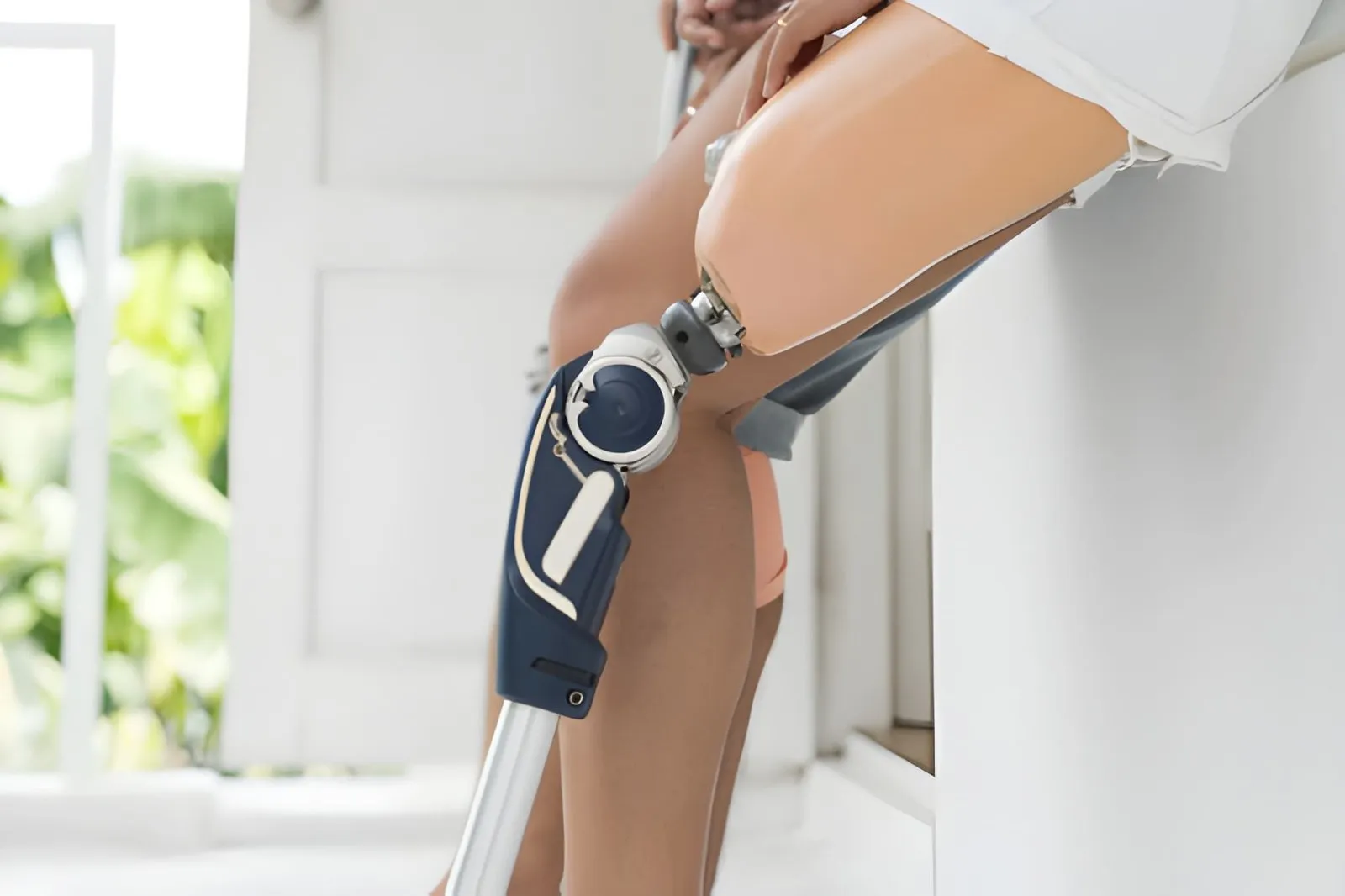
Get a free consultation to discuss your amputation injury, your legal options, and the compensation you may be entitled to pursue.
Frequently Asked Questions About Motorcycle Accidents
How long do I have to file a lawsuit after a motorcycle accident?
You have 3 years from the date of a motorcycle accident to file a personal injury lawsuit against a private individual or company in New York under CPLR Section 214. However, this statute of limitations deadline is significantly shorter when government entities are involved. Claims against New York City, NYC agencies, the MTA, or the Port Authority require a Notice of Claim filed within 90 days of the accident. Missing the 90-day government deadline typically bars your lawsuit permanently, regardless of how strong your case is.
How much is a motorcycle accident settlement worth?
Motorcycle accident settlements in New York vary widely based on injury severity, liability, and insurance coverage. Minor injury cases with clear liability may settle in the range of $15,000 to $50,000. Moderate injuries requiring surgery or extended treatment commonly settle between $100,000 and $500,000. Catastrophic injuries involving permanent disability, spinal cord damage, or severe TBI can result in settlements exceeding $1 million. The value of your case depends on medical expenses, lost wages, future earning capacity, pain and suffering, and the degree of fault assigned to each party. Unlike car accident victims who must satisfy the serious injury threshold, motorcyclists in New York can pursue non-economic damages regardless of injury severity.
Should I accept the first settlement offer from the insurance company?
No. The first settlement offer from an insurance company is almost always far below the true value of your claim. Insurance adjusters are trained to close claims quickly and at minimal cost. Before accepting any offer, make sure you have reached maximum medical improvement, have a complete picture of your future medical costs, understand the full extent of your lost wages and earning capacity, and have consulted with an attorney. Once you accept a settlement and sign a release, you permanently waive the right to seek additional compensation, even if your injuries worsen.
Do motorcycles have no-fault insurance in New York?
No. Motorcycles are expressly excluded from New York’s no-fault insurance system under New York Insurance Law Article 51. This means motorcyclists cannot claim Personal Injury Protection (PIP) benefits from their own motorcycle insurance policy. To recover medical costs and lost wages, a New York motorcyclist must typically prove that another party was at fault. If the at-fault driver is uninsured, your own Uninsured Motorist (UM) coverage becomes the primary source of compensation, which is why carrying robust UM coverage is especially important for motorcyclists in New York.
What happens if the driver who hit me is uninsured?
If the at-fault driver is uninsured or underinsured, your own Uninsured Motorist (UM) or Underinsured Motorist (UIM) coverage is your primary resource. File a claim with your own insurer under those coverages as soon as possible. In New York, most motorcycle policies require a UM claim to be filed within 90 days of the accident, so prompt action is critical. An experienced motorcycle accident attorney can help you navigate UM and UIM claims, which often involve arbitration rather than a standard lawsuit.
Can I still recover compensation if I was partially at fault?
You may be able to. Your compensation is reduced proportionally by your percentage of fault. For example, if you were found 25% at fault and your total damages were $200,000, the award would be reduced to $150,000. This rule makes it important to gather thorough documentation at the scene, since every percentage point of attributed fault directly reduces your recovery.
How much does a motorcycle accident attorney cost?
Most motorcycle accident attorneys in New York work on a contingency fee basis, meaning you pay nothing upfront and no attorney fees unless you win or settle your case. Contingency fees in New York personal injury cases are court-regulated and typically range from 25% to 33% of the recovery. Initial consultations are almost always free. This fee structure means any rider, regardless of financial situation, can access experienced legal representation after a motorcycle accident.
Final Notes: Protecting Your Rights After a Motorcycle Accident
Motorcycle accidents often result in the most serious and costly injuries of any vehicle crash category. The steps you take in the first 24 to 48 hours after the accident create the foundation for your medical recovery and your legal case. Document everything. Seek medical care immediately. Understand the no-fault exclusion that applies specifically to motorcyclists in New York. Consult an attorney before giving any recorded statements or accepting any settlement offers.
For comprehensive legal support after a motorcycle accident in New York, visit porterprotects.com. Porter Law provides experienced personal injury representation on a contingency fee basis, with free initial consultations for all motorcycle accident cases.
This article is for general informational purposes only and does not constitute legal advice. Every case is different, and the information here may not apply to your specific situation. Please consult a licensed New York attorney to discuss the facts of your case.