In New York, reporting a dog bite is not optional. It is a legal requirement under public health law, and failing to do it can create problems both medically and legally down the line.
This article walks through what you are actually supposed to do after a dog bite: the medical steps, who needs to be notified, how doctors and hospitals fit into that process, and what animal control and police are actually responsible for.
Whether you were bitten yesterday or you are trying to understand what comes next after getting treated, this is the practical breakdown most resources do not give you.l.
Prior results do not guarantee a similar outcome.
Why Does Reporting a Dog Bite Actually Matter?
According to the CDC, rabies in humans is almost always fatal once symptoms appear but it is entirely preventable with timely post-exposure care.
Reporting a bite triggers the public health process that determines whether you need post-exposure prophylaxis (PEP), which is the vaccine series that prevents rabies from developing after an exposure.
That determination cannot happen if the bite goes unreported.
Beyond the medical stakes, reporting creates an official record. That record matters for your insurance claim if you need one. It matters for any legal action you pursue later.
And in New York, it is what puts in motion the dangerous dog assessment process under Agriculture and Markets Law § 123, the law that can result in confinement requirements or other restrictions on a dog with a history of attacks.
Without a report, none of that happens.
What Should You Do First After a Dog Bite?
Before you call anyone, address the wound. The CDC recommends washing any bite thoroughly with soap and water for at least 15 minutes.
After that, your next move is medical care. Do not take a wait-and-see approach with a bite that broke the skin.
Dog bites carry a real risk of bacterial infection even when the animal is vaccinated and otherwise healthy.
A healthcare provider needs to examine the wound, assess whether you need a tetanus booster, and — most importantly — evaluate the rabies risk based on the animal, its vaccination history, and the circumstances of the bite.
If the dog poses an ongoing immediate danger to you or anyone else, call 911 before anything else.
Do Doctors Have to Report Dog Bites?
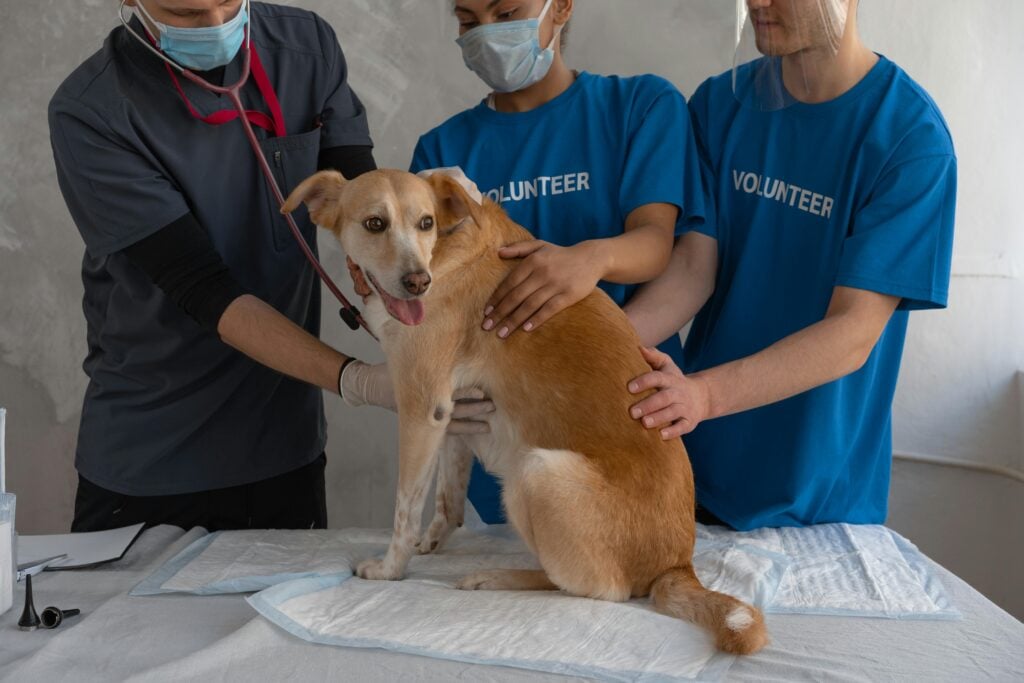
Yes, in most states, and New York is no exception. Healthcare providers are not just treating your wound when you come in after a dog bite — they are also participants in the public health reporting system. In New York, medical providers who treat animal bites are expected to notify local health authorities as part of the state’s rabies control program. Ontario County’s health department states clearly that all animal bites should be examined and treated by a healthcare professional, and that the medical provider will consult with the health department about rabies vaccine decisions.
So yes — doctors, urgent care centers, and hospitals do report dog bites. If you go to an emergency room or urgent care after a bite, that report will typically be filed on your behalf. That does not mean you are off the hook for reporting yourself; in New York City specifically, the obligation to report within 24 hours applies to the victim as well, not just the treating provider. More on that below.
As for vets — a veterinarian treating your dog after a bite incident involving your own animal is in a different position than a physician treating a human victim, but many states have guidance or requirements for vets as well, particularly where rabies exposure is a concern. In New York, the public health focus is on ensuring that biting animals are identified and monitored, so any professional with relevant knowledge may be expected to cooperate with health authorities in that process.
The situation varies by state. Several states, including Florida, California, Texas, Maryland, Virginia, Illinois, Pennsylvania, and Wisconsin, have their own mandatory reporting frameworks for healthcare providers, though the specifics differ on who must report, to whom, and within what timeframe. If you were bitten outside New York, contact the local or county health department directly to find out the rules in that jurisdiction.
Who Do You Report a Dog Bite To in New York?
The answer depends on where in New York you are.
In New York City, the New York City Health Code requires that all animal bites be reported within 24 hours. This applies to bites from any animal, including household pets. You can report online through the NYC Health Department or by calling 311. If the dog presents an immediate danger, call 911 — that is separate from the health department reporting process. NYC Health’s Veterinary Public Health Services then follows up with both the owner and the person bitten to assess rabies risk and coordinate next steps.
Outside of New York City, the reporting process runs through your county health department rather than a centralized city system. Ulster County’s Health Department states that all animal bites must be reported per New York Public Health Law, with each case evaluated to determine whether rabies treatment is needed. Ontario County similarly notes that all animal bites and potential rabies exposures must be reported to the county health department, with phone lines and online forms available around the clock.
If you are not sure which county agency to contact, search for your county name plus “health department animal bite report” — most New York counties have dedicated pages for this.
Here is a quick reference for the reporting process depending on where you are:
| Location | Who to Contact | How | Timeframe |
| New York City | NYC Health Department | Online or call 311 | Within 24 hours |
| Outside NYC (New York State) | County Health Department | Phone or online form | As soon as possible |
| Other U.S. states | Local/county health department | Varies by state | Varies; many require prompt reporting |
What Happens After You File a Report?
Once a bite is reported in New York, public health staff take over the process of evaluating risk and monitoring the animal. According to Ontario County’s guidance, the standard protocol requires the dog’s owner to confine the animal at home for 10 days, even if the dog is current on its rabies vaccination. Public health staff verify that the dog was healthy at the time of the bite and monitor for any signs of illness during that period.
If the dog cannot be located, identified, or monitored — which happens more often than people expect in bite incidents involving strays or unfamiliar animals — the bitten person will likely need a full rabies PEP series. This typically involves an initial dose of human rabies immune globulin plus a series of vaccine doses administered over several weeks, usually through an emergency department.
Some counties in New York cover the cost of rabies vaccine for bite victims when administered through the health department. Ontario County’s materials indicate this is available in their jurisdiction. If cost is a concern, ask your county health department whether they administer or subsidize the vaccine.
What Does Animal Control Do When a Dog Bites Someone?
Animal control and health departments handle different pieces of the response. Health departments focus on rabies risk, vaccine decisions, and public health follow-up. Animal control focuses on the animal itself.
When a dog bite is reported to animal control — either directly or because police or health departments involve them — their role typically includes locating and restraining a stray or dangerous dog, verifying the animal’s vaccination records, enforcing local animal ordinances, and in some cases initiating the process under New York’s dangerous dog law.
The New York State Bar Association explains that Agriculture and Markets Law § 123 gives courts the authority to order confinement, evaluation, or euthanasia of a dog found dangerous after a formal complaint and hearing. That process begins with a report. Without one, animal control has no mechanism to investigate, and a dog that has bitten before continues to pose a risk to others.
In New York City, 311 handles routing for both health department reporting and animal control coordination. In other parts of the state, your local police department or town animal control officer is usually the first call for an animal that needs to be contained or removed from a situation.
When Should You Call the Police After a Dog Bite?
Not every dog bite warrants a police response, but some clearly do. Call 911 immediately if the dog is still actively threatening people, if the injuries are severe, or if there is any indication the bite was intentional — meaning someone directed a dog to attack another person.
In New York City, NYC Health and 311 guidance draws a clear line: 311 for bite reporting, 911 for immediate threats. That distinction is practical — the health department cannot send someone to restrain an aggressive dog, and calling 311 in an active emergency wastes critical time.
A police report can also matter for your legal case. It creates a contemporaneous record of the incident, identifies the parties involved, and in serious cases can lead to charges against an owner who knew their dog was dangerous and allowed the situation to develop anyway. If the dog belongs to someone you know, having a police report on file can also help clarify liability when insurance companies or attorneys get involved later.
Does It Matter If Your Own Dog Bites You?
Legally, this is a different situation. Personal injury claims generally involve harm caused by someone else’s negligence, so if your own dog bites you, you cannot sue yourself. However, the public health reporting obligation may still apply — in New York, the requirement to report is about rabies control, not about fault or liability. If your dog bites you and breaks the skin, the responsible step is still to contact your county health department (or 311 in NYC) to begin the rabies risk assessment process.
Whether you choose to report a bite from your own vaccinated dog to public health authorities is ultimately your decision in practice, but understanding that the legal obligation exists regardless of who the dog belongs to is important. The 10-day quarantine monitoring requirement under New York’s rabies control protocols applies to owned dogs as well.
How Reporting a Dog Bite Connects to Your Legal Rights
The connection between reporting and legal recovery is direct. A report filed with the health department, animal control, or police creates a contemporaneous record of what happened, when it happened, and who was involved. In a personal injury claim, that documentation is foundational.
New York’s general statute of limitations for personal injury claims is three years from the date of the incident under CPLR § 214. That clock begins running from the date of the bite, not the date you decided to pursue a claim. Reporting promptly, getting medical records in order, and preserving the evidence from the scene — photographs, witness information, the owner’s contact details — all strengthen any case that follows.
There is also the dangerous dog process to consider. If the dog that bit you had prior incidents that were never reported, those went into a vacuum. Your report may be what finally establishes a pattern that protects the next person.change deliberately and without creating gaps in representation.
Get clear information on reporting procedures, medical care, and the documentation that may support a future claim.
Frequently Asked Questions About Reporting Dog Bites
Do doctors have to report dog bites in New York?
Yes. Healthcare providers in New York are expected to report animal bites and potential rabies exposures to local health authorities as part of the state’s rabies control program. When you are treated at a hospital or urgent care in New York after a dog bite, that provider will typically notify the health department. In New York City, the bitten person also has an independent 24-hour reporting obligation under the NYC Health Code.
Do hospitals report dog bites to police?
Not automatically in most cases. Hospitals and urgent care centers generally report to public health authorities for rabies control purposes, not to law enforcement. Police become involved when the bite involves serious injury, an immediate threat, or suspected criminal conduct. If you want a police report filed, you typically need to request one directly by calling 911 or going to your local precinct.
Does urgent care report dog bites?
Yes, urgent care providers in New York are part of the public health reporting system for animal bites. If you go to an urgent care center after a dog bite, the provider should notify the appropriate health authority. However, you should not assume this was done — follow up with your county health department or NYC 311 to confirm the report is on file.
Do vets have to report dog bites?
In New York, the public health reporting framework focuses primarily on healthcare providers treating human victims. Veterinarians may be expected to cooperate with health authorities when a biting animal is being evaluated or quarantined, but the primary reporting obligation for a human bite victim runs through the treating physician or the victim themselves. If you bring a dog in after it has bitten someone, the vet may alert health authorities depending on the circumstances.
What does animal control do when a dog bites someone?
Animal control’s primary responsibilities involve the animal: locating and restraining it, verifying vaccination records, enforcing local ordinances, and potentially initiating a dangerous dog proceeding under Agriculture and Markets Law § 123. They work alongside health departments, who handle the human side of the rabies risk assessment.
Should I call the police if a dog bites me?
Call 911 immediately if the dog is still dangerous, the injuries are serious, or you believe the attack was intentional. For incidents where the immediate threat has passed, you can file a report directly with your local police department. Having a police report can be valuable for any insurance claim or legal proceeding that follows, even if it is not legally required in every bite situation.
What happens if a police dog bites you?
Bites from law enforcement animals raise distinct legal questions. If a police dog bites you in the course of a lawful arrest and the force used was proportionate to the situation, the legal analysis is different from a typical dog bite claim. However, if the use of a police dog was excessive or unjustified, a civil rights claim may be available in addition to a personal injury claim. These cases involve procedural requirements, including potentially filing a Notice of Claim against the government entity, which in New York must typically be done within 90 days of the incident. Speaking with an attorney quickly is essential.
Do you have to report a dog bite from your own dog?
The public health obligation to report exists regardless of whose dog was involved — it is about rabies control, not fault. In practice, reporting a bite from your own vaccinated dog to public health authorities triggers a 10-day monitoring process. Whether you have a legal obligation to report in your specific situation depends on your jurisdiction, but the responsible and legally prudent step is to contact your local health department to ask.
Who do I call if a dog bites me and I do not know who owns it?
In New York City, call 311 to report the bite and provide what information you can about the dog’s description and location. If the dog is still in the area, call 911 so animal control or police can try to locate it. Outside of New York City, contact your county health department and local animal control. If the dog cannot be found or identified, the health department will guide you through the rabies risk assessment, which may include beginning PEP out of caution.
Summing It Up
A dog bite is a medical event first — wash the wound, get evaluated, assess the rabies risk. But it is also a public health and legal event with specific reporting requirements that most people are not told about at the time it happens. In New York, failing to report is not just a procedural gap; it can leave a dangerous animal in circulation and weaken any legal claim you might have later.
If the bite caused serious injuries, the legal picture becomes more complex quickly. Porter Law Group handles personal injury cases throughout New York on a contingency fee basis — no upfront costs, and no fees unless compensation is recovered. Contact us for a free consultation to understand what your options are.