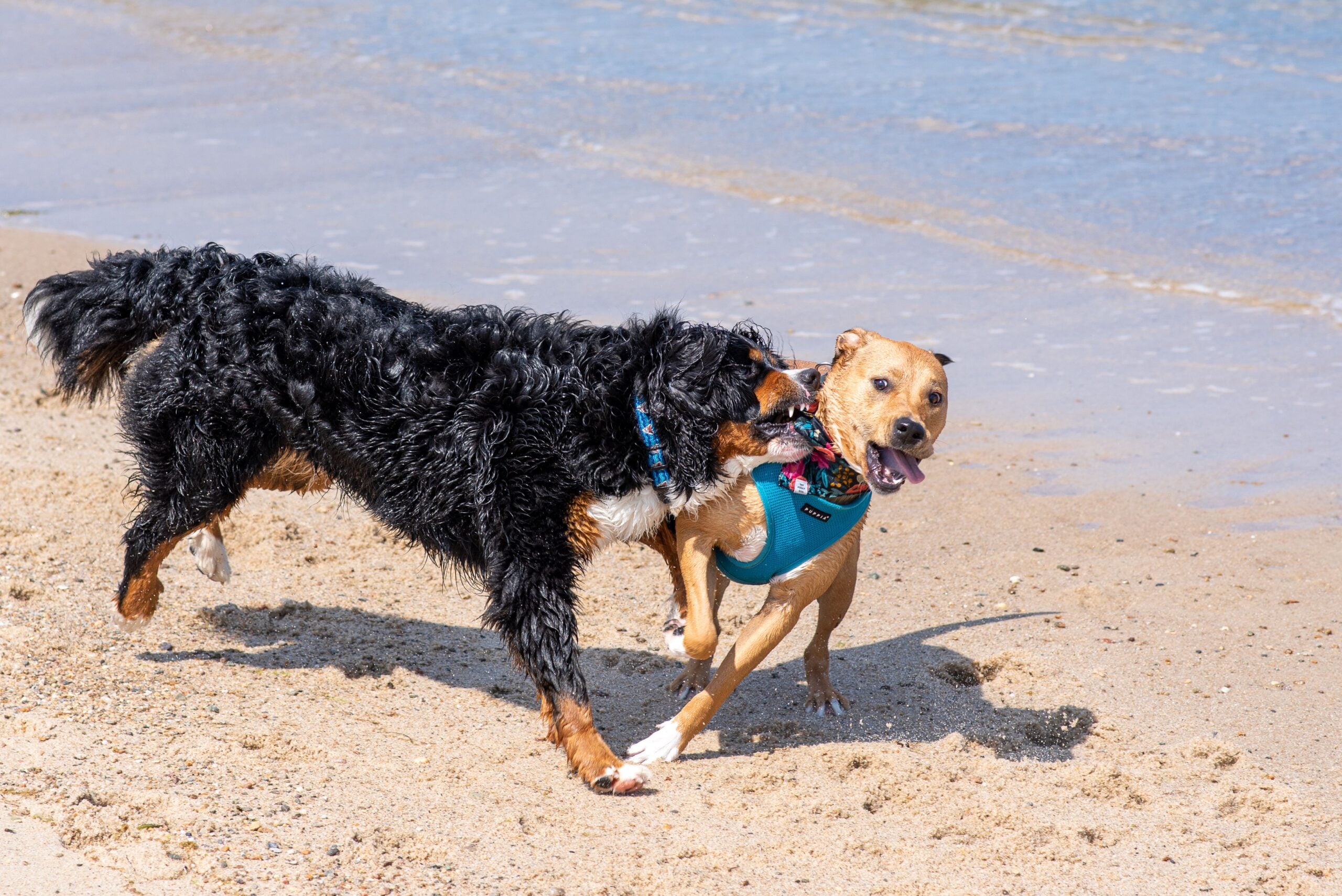



Dog bites cost U.S. insurers approximately $1.6 billion in 2024, across 22,658 claims a nearly 19% increase from the year before and 48% higher than a decade ago. The average payout per claim, reached roughly $69,272 in 2024, up about 86% over ten years. These are not fringe numbers. Dog bites are one of the most common and costly liability events that homeowners face, and most people have no idea how their policy actually handles them until something goes wrong.
The short answer is yes, homeowners and renters insurance policies typically cover dog bite liability. But “typically” carries real weight here. Coverage depends heavily on your specific policy language, your dog’s history, where the bite occurred, and, if you’re in New York, a set of state-specific rules that affect how insurers are allowed to treat you as a policyholder.
Prior results do not guarantee a similar outcome.
How Does Homeowners Insurance Actually Cover a Dog Bite?
Dog bite coverage does not come from the property protection portion of your homeowners policy. It comes from the personal liability section, sometimes labeled “Coverage E” in standard policy forms. This is the part of your policy that responds when you are legally responsible for bodily injury or property damage to someone else.
According to the Insurance Information Institute, most standard homeowners and renters policies cover dog bite liability up to the policy’s liability limit. That coverage typically pays two things: the injured person’s damages (medical bills, lost wages, pain and suffering, up to the policy cap) and your legal defense costs if the claim results in a lawsuit. Defense costs are often covered in addition to the liability limit rather than drawn from it, but this varies by policy, always check your declarations page.
Renters insurance works the same way. If you rent your home or apartment and your dog bites someone, your renters policy’s personal liability section is where coverage would come from, not any policy your landlord carries.
What Are the Typical Coverage Limits?
Standard homeowners and renters policies generally provide between $100,000 and $300,000 in personal liability coverage, according to the Insurance Information Institute. That sounds like a substantial amount, but given that the average dog bite claim now exceeds $69,000 and serious injuries involving surgery, scarring, or nerve damage can push settlements far higher, that limit can be exhausted more quickly than policyholders expect.
For dog owners who want additional protection, a personal umbrella policy is worth understanding. Umbrella policies typically provide an additional $1 million to $10 million in liability coverage that kicks in once the underlying homeowners or renters policy limit is exhausted. The Insurance Information Institute specifically identifies umbrella coverage as a meaningful layer of protection in high-exposure situations, and a dog bite that causes serious injury to a child or results in permanent scarring is exactly the kind of event where that additional coverage becomes relevant.
Does Homeowners Insurance Cover Dog Bites That Happen Off Your Property?
This is one of the most common questions dog owners ask, and the general answer is yes, with an important caveat. Most homeowners and renters liability policies follow you beyond your property lines. A bite that happens at a park, on a sidewalk, or at a friend’s home is often still covered under your personal liability section, subject to the same limits and exclusions that apply at home.
The Northwest Insurance Council confirms that homeowners and renters policies typically cover dog bite liability regardless of where the incident occurs, but emphasizes that coverage is always subject to the specific terms of your policy. That qualifier matters. Some policies restrict off-premises coverage in ways that are not obvious from a quick read. Before assuming your coverage travels with you and your dog, review your policy’s liability section carefully or ask your insurer directly.
What Exclusions Can Limit or Eliminate Coverage?
This is where the gap between “typically covered” and “actually covered” opens up. Several categories of exclusions can reduce or eliminate a dog bite claim, and they appear more often than most policyholders realize.
Prior bite or attack history is one of the most significant. A New York Department of Financial Services opinion reviewed a homeowners policy form that excluded coverage for any dog with a prior history of biting or attacking people, property, or other animals, documented through insurance claims or public safety records. If your dog has bitten before, your insurer may already have grounds to deny a future claim, or may have quietly added an exclusion to your policy at renewal.
Dangerous dog designations carry similar consequences. If a court has formally designated your dog as dangerous under New York’s Agriculture and Markets Law, insurers can and do use that finding as a basis for coverage restrictions or premium increases.
Intentional acts are excluded under virtually every liability policy. If the insured directed the dog to attack someone, no coverage applies. This is a standard principle across all personal liability insurance, not specific to dog bites.
Business use is another gap worth knowing. If a dog is used in connection with a business, as a guard dog for a commercial property, for example, standard homeowners liability coverage may not apply. Business-related liability typically requires a separate commercial policy or endorsement.
The New York Department of Financial Services consumer guide also advises that any incident involving your dog should be reported to your insurer promptly, even if it seems minor. Failing to report in a timely way can itself become a basis for a coverage dispute later.
What Are New York’s Special Rules for Dog Owners and Insurers?
New York has a statute that most dog owners and even many insurance buyers do not know exists. New York Insurance Law § 3421 prohibits insurers from refusing to issue or renew a homeowners policy, canceling a policy, raising premiums, or restricting coverage solely because a policyholder owns or harbors a dog of a specific breed or breed mix.
In practical terms, this means a New York insurer generally cannot deny or limit your coverage just because you own a pit bull, a Rottweiler, or any other breed that some carriers treat as high-risk. Breed alone is not sufficient grounds for an adverse underwriting decision in this state.
That protection has real limits, though. Section 3421 specifically permits insurers to take underwriting action based on an individual dog’s status as a “dangerous dog” under Agriculture and Markets Law § 123, provided the decision is grounded in sound actuarial principles tied to actual or anticipated loss experience. In other words, if a court has determined your specific dog is legally dangerous, your insurer has more latitude to act — even in New York.
The distinction is meaningful. Blanket breed discrimination is restricted. Individualized underwriting based on a dog’s documented behavior and legal history is not. New York dog owners with breeds that are commonly profiled by insurers have real statutory protection, but that protection does not extend to dogs that have already been adjudicated as dangerous under state law.
Legislative activity in this area continues. Bills including A9284A and S7416A have sought to extend or clarify these anti-discrimination protections to renters policies and other liability coverage types, reflecting ongoing concern that the protections under § 3421 do not reach all policyholders equally.
What Happens to Your Coverage After a Dog Bite Claim?
Filing a dog bite claim does not just resolve the immediate incident. It can have lasting effects on your policy and your insurability. According to the Insurance Information Institute, some insurers will raise premiums or exclude a specific dog from future coverage after a single bite incident. In more serious cases, a carrier may choose not to renew the policy at all.
This is not a hypothetical risk. Given that dog bite claims have risen nearly 50% over the past decade and average payouts have nearly doubled, insurers are applying tighter scrutiny to policies that have produced prior claims. For New York policyholders, § 3421 offers some protection against breed-based discrimination after a claim, but it does not prevent an insurer from responding to the individual dog’s documented history.
The practical takeaway is that a dog bite claim changes your relationship with your insurer in ways that extend beyond the current claim. Understanding that before an incident, not after, puts you in a better position to evaluate your coverage, your limits, and whether an umbrella policy makes sense.
What Should You Do Immediately If Your Dog Bites Someone?
The steps you take in the hours following an incident affect both the medical outcome for the person bitten and the integrity of any insurance claim that follows.
The injured person should receive medical attention promptly. In New York City, animal bites must be reported within 24 hours to NYC Health or via 311. Outside the five boroughs, county health departments handle bite reports. These reports trigger rabies risk assessments and create an official record.
As the dog owner, you should report the incident to your insurer as soon as possible. The New York DFS consumer guide specifically advises notifying your insurer of any occurrence that may result in a claim, even before you know whether the injured person intends to file one. Timely notice is a standard condition in most liability policies, and failing to give it can complicate your claim later.
Document everything you can: photographs of the scene, contact information for any witnesses, veterinary records showing your dog’s vaccination status, and any communications with the injured party. These details matter if the incident leads to a legal claim.
Questions to Ask Your Insurer Before Something Happens
Most people review their insurance policy only after something goes wrong. These are the questions worth asking now:
- Does my policy cover dog bites, and are there any dog-specific exclusions or endorsements attached to my policy?
- Does coverage apply if the bite occurs away from my home?
- What is my personal liability limit, and would an umbrella policy make sense given that limit?
- Would a prior bite incident or a dangerous dog designation affect my coverage or premiums at renewal?
- If I get a new dog, do I need to notify you, and does breed affect my coverage under New York law?
Getting clear answers to these questions in writing, before an incident occurs, is the most effective way to avoid gaps in coverage when you need it most.at the circumstances do not support a dangerous dog finding. Having documentation of your dog’s training history, vaccination records, and the specific circumstances of the bite can all matter at that stage.vacuum. Your report may be what finally establishes a pattern that protects the next person.change deliberately and without creating gaps in representation.
Review homeowners insurance coverage for dog bites, policy limitations, and important exclusions before an incident leads to unexpected costs.
Frequently Asked Questions About Dog Bites and Homeowners Insurance
Does homeowners insurance cover dog bites?
Yes, in most cases. Standard homeowners and renters policies cover dog bite liability through the personal liability section of the policy. Coverage typically includes damages paid to the injured person and legal defense costs, up to the policy’s liability limit. However, coverage is subject to the specific terms, conditions, and exclusions in your individual policy. Certain dogs, certain circumstances, and certain types of conduct can fall outside coverage.
Are dog bites covered by homeowners insurance if they happen off my property?
Generally yes. Most personal liability coverage under homeowners and renters policies applies both on and off your property, meaning a bite at a park or a neighbor’s home is often covered under the same terms as one that occurs at your house. Policy language varies, so confirm with your insurer whether off-premises incidents are explicitly covered under your specific policy.
Does homeowners insurance cover dog bites by another dog?
Typically no. Your homeowners policy covers your liability as the dog owner, it does not function as first-party coverage for injuries your dog sustains. If your dog is bitten by someone else’s dog, the other owner’s liability coverage might respond, depending on the circumstances and their policy terms. Your own policy’s medical payments coverage might cover some of your initial costs depending on how it’s structured, but this varies by policy.
What is the typical coverage limit for a dog bite claim?
Most standard policies provide $100,000 to $300,000 in personal liability coverage. Given that the average dog bite claim exceeded $69,000 in 2024 according to Insurance Information Institute data, serious injuries can approach or exceed standard limits. An umbrella policy can extend that coverage to $1 million or more.
Can an insurer in New York deny coverage because of my dog’s breed?
Generally no. Under New York Insurance Law § 3421, insurers are prohibited from refusing coverage, canceling policies, or restricting coverage solely based on breed. However, insurers can take action based on an individual dog’s legally documented dangerous behavior under Agriculture and Markets Law § 123. Breed alone is not sufficient grounds for denial, but a dog’s individual history is.
What happens to my insurance after my dog bites someone?
After a dog bite claim, your insurer may raise your premiums, add a dog-specific exclusion to your policy, or choose not to renew your coverage at all. These are underwriting decisions made at the insurer’s discretion, subject to applicable state law. In New York, breed-based restrictions remain limited under § 3421, but individual behavior history carries significant weight in the underwriting process.
Should I report a dog bite to my insurer even if the injured person doesn’t plan to file a claim?
Yes. The New York DFS consumer guide advises reporting any incident that could potentially result in a claim, even before one is formally made. Most liability policies include a notice condition requiring prompt reporting. Failing to notify your insurer in time can complicate or jeopardize coverage if a claim is filed later.
Does USAA or State Farm homeowners insurance cover dog bites?
Both USAA and State Farm offer homeowners policies that generally include personal liability coverage for dog bites, consistent with standard industry practice. However, both carriers have their own underwriting guidelines regarding specific dogs, prior bite history, and breed considerations in states where breed-based underwriting is permitted. Coverage terms vary by policy and state, so the only reliable way to confirm your coverage is to review your specific policy documents or contact your insurer directly.
Summing It Up
Homeowners and renters insurance typically covers dog bite liability, but the word “typically” does a lot of work. Coverage limits, prior bite exclusions, dangerous dog designations, and off-premises questions all create real-world gaps that can leave an owner exposed at exactly the wrong moment. In New York, Insurance Law § 3421 provides meaningful protection against breed-based discrimination — but it does not guarantee coverage regardless of circumstances.
If you or someone you know was seriously injured in a dog bite incident and the owner’s insurance company is disputing coverage, minimizing the claim, or offering a settlement that does not reflect the full extent of the injuries, speaking with a personal injury lawyer is a practical next step. Porter Law Group handles personal injury cases throughout New York on a contingency fee basis, meaning no upfront fees and no legal costs unless compensation is recovered. Contact us for a free consultation.