
When most people picture a spinal cord injury, they picture paralysis and loss of movement below the injury site. That’s part of the reality, but not all of it.
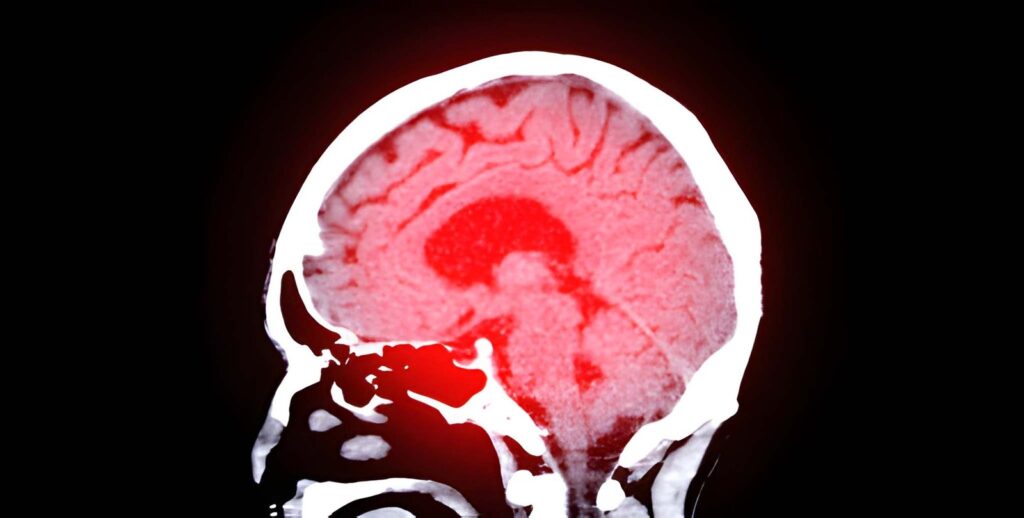
A spinal cord injury doesn’t just affect the spine. It triggers changes in how the brain itself functions, including memory, mood, sleep, and pain processing, changes that can last a lifetime.
If you or someone you love suffered a spinal cord injury in an accident, understanding these brain-related effects matters, because they’re not a minor side note.
They’re a central part of what the injury actually costs someone, and under New York law, that cost is compensable.
Prior results do not guarantee a similar outcome.
How Are the Spinal Cord and Brain Connected?
The brain and spinal cord together make up the central nervous system, and they function as one integrated unit rather than two separate parts.
The brain sends signals down through the spinal cord to control movement, sensation, and vital functions like breathing and heart rate.
The spinal cord sends information back up to the brain about what the body is feeling.
When a spinal cord injury occurs, that two-way communication breaks down at the injury site. The brain stops receiving normal sensory input from parts of the body and loses the ability to send movement commands below the injury level.
But the brain doesn’t just sit passively with this loss of input. It begins actively reorganizing itself, a process called neuroplasticity, and that reorganization can either help recovery or create entirely new problems with thinking, mood, and pain.
Is a Spinal Cord Injury the Same as a Brain Injury?
No, but the two are closely related and often occur together. A spinal cord injury damages the bundle of nerves running through the spine, disrupting communication between the brain and body below the injury level.
A traumatic brain injury damages the brain itself, directly affecting how it processes information from the start.
The distinction matters because many spinal cord injuries happen in the same accidents that cause a traumatic brain injury, including car crashes, falls from height, and sports injuries.
A brain injury sustained alongside a spinal cord injury can go undiagnosed in the chaos of treating a catastrophic spinal injury, particularly when it’s mild.
But even without a separate, diagnosable brain injury, research shows a spinal cord injury on its own changes brain structure and function over time, through inflammation, disrupted sensory input, and the brain’s own attempts to adapt.
Does a Spinal Cord Injury Cause Inflammation and Changes in the Brain?
Yes. When the spinal cord is injured, the body launches an inflammatory response at the injury site, a normal part of how the body responds to trauma. But in a spinal cord injury, this inflammation doesn’t stay local.
Inflammatory molecules called cytokines and chemokines spread through the central nervous system, including into brain tissue.
Brain imaging studies have documented activation of immune cells called microglia in brain regions like the thalamus and cortex in people with spinal cord injuries, and these activated immune cells can persist for years after the initial injury.
This ongoing neuroinflammation contributes to what researchers call secondary neurodegeneration. Brain scans of people living with spinal cord injuries show progressive loss of both white matter, the brain’s communication cables, and gray matter, where neurons are located, in regions involved in movement planning, sensory processing, pain perception, and emotional regulation.
More advanced imaging using MR spectroscopy, which measures the brain’s own chemical makeup, has detected shifts in brain metabolites after SCI as well, suggesting that biochemical changes can show up before, or alongside, the structural damage visible on a standard scan.
In practical terms, a spinal cord injury sets off a process that continues to affect the brain long after the initial trauma, which is why it requires long-term neurological monitoring, not just treatment that stops once the spine has stabilized.
How Does the Brain Rewire Itself After a Spinal Cord Injury?
The brain’s motor and sensory cortex each contain a map of the body, with different regions controlling different body parts.
When a spinal cord injury cuts off communication with parts of the body, these brain maps don’t go dormant. They reorganize, and neighboring brain regions can take over territory that used to process signals from paralyzed areas.
This reorganization starts sooner than most people would expect. Research has documented measurable changes in cortical activity within hours of a spinal cord injury, suggesting the brain begins re-mapping itself almost immediately after it loses input from below the injury, long before any conscious adaptation or rehabilitation begins.
Human neuroimaging studies confirm this reorganization continues over the long term, showing altered activation patterns in the motor cortex, somatosensory cortex, cerebellum, and parietal lobes during movement and even during motor imagery, when someone simply imagines moving a paralyzed limb.
This reorganization, known as neuroplasticity, can be adaptive. Physical therapy and rehabilitation work partly by encouraging beneficial rewiring, training the brain to use new pathways or compensatory strategies.
But it can also be maladaptive. Brain reorganization contributes significantly to neuropathic pain after spinal cord injury.
Can a Spinal Cord Injury Affect Memory and Thinking?
Yes, and this is one of the most under-recognized effects of spinal cord injury.
A 2022 meta-analysis published in the journal Neurology found that adults with SCI show measurably reduced cognitive functioning compared to able-bodied individuals, with the clearest deficits in attention and executive function, and separate research estimates the relative risk of cognitive impairment in people with SCI at roughly 13 times higher than in the general population, with impairment affecting up to 60 percent of individuals depending on how it’s measured (Neurology, American Academy of Neurology).
Several factors combine to cause this. Some spinal cord injuries occur alongside an undiagnosed mild traumatic brain injury from the same accident.
The same neuroinflammation affecting other brain regions also affects the prefrontal cortex, which governs executive function, and the hippocampus, which is essential for forming new memories.
High cervical injuries can impair breathing badly enough to require ventilatory support, and even short of that, the sleep apnea and shallow breathing common in these injuries can cause repeated dips in blood oxygen that contribute to the same kind of low-oxygen brain stress seen in other hypoxic conditions.
Chronic pain, sleep disruption, depression, and the cognitive side effects of certain pain medications and muscle relaxants all add to the burden.
The result is that someone can survive a spinal cord injury with their brain physically undamaged at first, and still struggle to think clearly months or years later because of the cascading effects of living with the injury.
Why Are Depression and Anxiety So Common After a Spinal Cord Injury?
Depression affects roughly 22 percent of people living with a spinal cord injury, according to a meta-analysis of the available research, compared to about 6 to 7 percent in the general population (National Institutes of Health), and the suicide rate in this population is estimated to run as high as five times the rate seen in the general population.
The reasons are both psychological and biological.
Psychologically, a spinal cord injury represents a catastrophic and sudden loss of independence, physical ability, and often employment and social role, and depression is a natural response to that scale of change.
Biologically, chronic pain alters activity in the amygdala, hippocampus, and prefrontal cortex, the same brain regions that regulate mood. Inflammatory molecules that spread through the central nervous system interfere with serotonin and dopamine signaling, the exact systems targeted by antidepressant medications.
And chronic sleep disruption, which is nearly universal after a spinal cord injury due to pain, bladder issues, or sleep apnea, is on its own enough to trigger or worsen depression.
Beyond depression and anxiety, families and treating clinicians commonly report social withdrawal, irritability, reduced impulse control, and noticeable changes in appetite or motivation.
These aren’t separate problems so much as different expressions of the same underlying disruption to the brain’s mood and reward circuits, and like depression itself, they deserve clinical attention rather than being written off as an understandable reaction to a hard situation.
Can PTSD Develop From the Accident That Caused a Spinal Cord Injury?
Yes, and estimates of how often this happens vary fairly widely across studies, from about 12 percent to 36 percent of people with a spinal cord injury.
Many spinal cord injuries result from traumatic events such as car crashes, violent assaults, or catastrophic falls, and these experiences can cause post-traumatic stress disorder independent of the physical injury itself.
When PTSD occurs alongside a spinal cord injury, research shows the combination leads to worse pain, more severe depression, and greater difficulty participating in rehabilitation.
The hyperarousal of PTSD can amplify pain perception, and the avoidance symptoms can make someone reluctant to engage in physical therapy or use assistive devices that remind them of the injury.
Screening for PTSD should be routine after a spinal cord injury, though it often isn’t, and many people don’t recognize their symptoms as PTSD or hesitate to bring up a mental health concern on top of an already overwhelming medical situation.
Why Does a Spinal Cord Injury Cause Severe Chronic Pain?
Neuropathic pain is one of the most debilitating and least understood consequences of spinal cord injury, and it’s extremely common. A pooled analysis of the available research puts the overall prevalence at roughly 53 percent often described as a burning, stabbing, electric, or crushing sensation.
What makes this pain particularly frustrating is that it often occurs in areas with reduced or absent normal sensation.
Someone may feel nothing when touched on a paralyzed leg, yet experience constant, severe pain in that same leg, because the pain isn’t coming from the leg at all. It’s coming from a damaged nervous system, including changes in the brain.
Neurons in the spinal cord and brain become hyperexcitable, a process called central sensitization, firing spontaneously or treating normal signals as painful.
Brain regions involved in pain processing, including the thalamus and anterior cingulate cortex, show abnormal activity, and the brain’s own descending pain control system, which normally dampens pain signals, becomes less effective.
Standard pain medications often don’t work well for this type of pain, because it isn’t caused by tissue damage or inflammation. It’s caused by malfunctioning circuits in the central nervous system itself.
How Does Autonomic Dysfunction After a Spinal Cord Injury Affect the Brain?
Spinal cord injuries at higher levels, particularly cervical and upper thoracic injuries, disrupt the autonomic nervous system, which controls automatic functions like heart rate, blood pressure, and temperature regulation. This has direct consequences for brain health.
Orthostatic hypotension is common, where blood pressure drops dangerously when sitting up or standing, reducing blood flow to the brain and causing dizziness, confusion, or loss of consciousness.
Autonomic dysreflexia is a medical emergency that can occur in people with injuries at T6 or above, where a stimulus below the injury level, such as a full bladder or a pressure sore, triggers a sudden, uncontrolled spike in blood pressure that can reach stroke-level ranges within minutes.
Left untreated, it can cause seizures, stroke, or death. High-level injuries can also impair breathing and lead to sleep apnea, causing repeated drops in blood oxygen overnight that damage sensitive brain regions and worsen both cognitive function and mood over time.
Does a Spinal Cord Injury Increase the Risk of Cognitive Decline Later in Life?
Emerging research suggests it does. People living with a spinal cord injury may face a greater risk of cognitive decline as they age compared to people without one, driven by persistent neuroinflammation, reduced ability to exercise, and an accumulation of vascular risk factors like diabetes and cardiovascular disease, all of which are known contributors to dementia risk in the general population.
The research in this area is still developing, but the implication is clear: someone living with a spinal cord injury needs long-term neurological monitoring, not just orthopedic and rehabilitation follow-up, for the rest of their life.
What Treatment Can Help the Brain After a Spinal Cord Injury?
Comprehensive spinal cord injury rehabilitation increasingly addresses the brain directly, not just physical recovery:
Neuropsychological therapy to address cognitive and emotional issues, including memory strategies, attention training, and executive function skills
Psychotherapy, particularly cognitive behavioral therapy, to treat depression, anxiety, and PTSD
Multidisciplinary pain management, sometimes including antidepressants or anticonvulsants that specifically modulate how the brain processes pain
Sleep treatment, including CPAP for sleep apnea and addressing pain or bladder issues that disrupt sleep, which can meaningfully improve both cognitive function and mood
Emerging interventions, including brain-computer interfaces designed to bypass damaged spinal pathways and non-invasive brain stimulation techniques being studied for neuropathic pain and motor recovery
When Is a Spinal Cord Injury Caused by Someone Else’s Negligence?
An estimated 18,421 new traumatic spinal cord injuries occur in the United States each year, according to the National Spinal Cord Injury Statistical Center at the University of Alabama at Birmingham, the country’s leading research body on SCI outcomes.
Motor vehicle crashes are the leading cause at 38 percent of new cases, followed by falls at 32 percent, acts of violence at 15 percent, and sports or recreational activities at 8 percent (NSCISC).
A spinal cord injury caused by another party’s carelessness can support a personal injury or medical malpractice claim. Common scenarios include:
Car accidents, where a distracted, speeding, or impaired driver causes a high-force collision
Falls, including a fall caused by a property owner’s failure to maintain safe conditions
Workplace accidents, such as a fall from height or a struck-by incident on a construction site or in a warehouse
Medical malpractice, including a surgical error, an anesthesia complication, or a delayed diagnosis of a spinal condition
If you or a family member may have been harmed by a doctor's error in New York, the team at Porter Law Group can review the medical records and your options at no cost.
What Should You Document If You’re Noticing These Changes?
If you or someone you love has a spinal cord injury and is showing signs of memory problems, depression, chronic pain, or personality changes, a few habits protect both health and any potential legal claim.
Ask your medical team for referrals to neuropsychology, psychiatry, or pain specialists rather than assuming these symptoms are just part of “being upset about being paralyzed”
Keep a record of memory lapses, mood changes, sleep problems, and pain patterns, including what seems to trigger or worsen them
Be honest with treating doctors about cognitive and emotional symptoms, since medical records documenting these changes create the timeline a legal claim relies on
Save records of all treatments, therapies, and medications related to both the physical and brain-related effects of the injury
Summing It Up
A spinal cord injury reaches far beyond paralysis. It changes how the brain processes pain, regulates mood, forms memories, and manages the body’s basic functions, through inflammation, disrupted sensory input, and the brain’s own attempts to adapt to catastrophic change.
Those effects are not imagined, and they are not simply “part of being paralyzed.” They’re measurable, documented, and when caused by someone else’s negligence, compensable under New York law.
Porter Law Group builds spinal cord injury cases with the neurologists, neuropsychologists, and pain specialists who can document exactly how the injury has affected the brain, not just the spine, and translate that into a claim that reflects the true scope of what was lost.
If you or someone you love is living with a spinal cord injury caused by another party’s negligence, we can review what happened and explain your options.
Frequently Asked Questions
Can a spinal cord injury cause brain damage even if the head was never hit?
Yes. Inflammation that begins at the spinal injury site spreads through the central nervous system and reaches the brain, and imaging studies show measurable loss of both gray and white matter in brain regions involved in movement, sensation, and emotion, even without any direct blow to the head.
How common are memory and concentration problems after a spinal cord injury?
Very common. Research estimates that people with a spinal cord injury face roughly 13 times the risk of cognitive impairment compared to the general population, with impairment affecting up to 60 percent of individuals in some studies, most often in attention and executive function.
Is depression after a spinal cord injury just an emotional reaction, or is something physical happening too?
Both. The emotional toll of a sudden, catastrophic loss of independence is real, but depression after SCI also has a measurable biological basis. Chronic pain and inflammation directly disrupt the brain regions and neurotransmitter systems that regulate mood, which is part of why depression affects an estimated 22 percent of people with SCI, roughly three to four times the general population rate
Why does someone with a spinal cord injury feel severe pain in a part of the body that has no feeling?
Because the pain isn’t coming from the numb body part. It’s coming from a damaged and hyperexcitable nervous system, including scrambled sensory maps in the brain itself, a phenomenon called central sensitization. This is why standard pain medications, which target tissue damage or inflammation, often don’t work well for this type of pain.
Do I need a lawyer if my loved one’s memory or mood changed after a spinal cord injury, even though the paralysis is the more obvious injury?
Often, yes. Insurance companies tend to focus settlement offers on the physical injury and undervalue the brain-related effects, since they’re harder to see and require specialized documentation, including neuropsychological testing, to prove. An attorney experienced in spinal cord injury cases can help make sure those effects are documented and factored into the value of a claim.
Prior results do not guarantee a similar outcome.
Contact Porter Law Group Phone: 833-PORTER9 Email: info@porterlawteam.com