
Crucible Industries, located in Syracuse, New York, is a renowned manufacturer of high-performance specialty steels. The company has a rich history dating back to 1876 when it was founded as the Crucible Steel Company of America, playing a significant role in the industrial development of the region.
Throughout its long operational history, Crucible Industries has been a major employer in Syracuse, known for its innovative metallurgical processes and high-quality products. However, like many industrial facilities of its era, the use of asbestos-containing materials in its operations was common, potentially exposing workers to harmful asbestos fibers.
Exposure to asbestos can lead to severe health conditions, including mesothelioma, lung cancer, and asbestosis. Other less common but equally devastating diseases linked to asbestos exposure include ovarian cancer, laryngeal cancer, renal (kidney) cancer, and Chronic Obstructive Pulmonary Disease (COPD).
Settlement
Jury Verdict
Settlement
Settlement
The lawyers at the Porter Law Group have decades of experience representing individuals and families whose lives have been devastated by catastrophic injuries. We have obtained some of the largest settlements and verdicts in courts throughout the State of New York. We are a state-wide firm that handles cases with a hometown feel.
Our clients come to us looking for guidance and answers. With seasoned trial lawyers, the Porter Law Group has the resources necessary to help you navigate the most complex cases, against goliath insurance companies that will stop at nothing to prevent you from receiving the compensation you deserve.
You only get one chance to hire the best lawyer for you and your family. Hire the lawyers most recommended by former clients and local attorneys, and the firm that obtains superior results.
When you or a loved one's life has been devastated by a serious personal injury in Syracuse, don't hire a lawyer without calling the Porter Law Group to learn why so many of our clients are thankful they trusted us with their case in their time of need.
If you or a loved one worked at Crucible Industries and have been diagnosed with an asbestos-related illness, you may be entitled to compensation. The Porter Law Group has extensive experience in handling complex personal injury cases. We understand the challenges faced by individuals and families affected by these devastating diseases and are committed to fighting for your rights.
Don't let the statute of limitations prevent you from seeking justice. Reach out to the Porter Law Group today for expert legal guidance. We work on a contingency fee basis, meaning you don't pay unless we win your case. To learn more about our track record of success, view the results we've achieved for previous clients throughout the State.
Occupational data on the steel industry show that asbestos-containing gaskets, brakes, protective cloth, refractory materials, insulation, and hot top products were widely used in steel mills from at least the 1940s through the late 20th century. Workers at Crucible Steel in Syracuse who worked around high-heat steelmaking processes and steam systems were potentially exposed to these harmful materials.
Roles with higher asbestos exposure risk at Crucible Industries include:
Melters, Furnace Operators, Casters, and Foundry Laborers: These workers operated near electric-arc or open-hearth furnaces, ladles, and hot tops lined or shielded with asbestos-containing refractories and cloth. The intense heat and handling of these materials created opportunities for asbestos fiber release.
Maintenance and Repair Crews: Workers who removed and replaced insulation, gaskets, and packing on boilers, turbines, pumps, and steam/condensate piping throughout the plant faced regular exposure. Maintenance activities often disturbed asbestos-containing materials, releasing dangerous fibers into the air.
Pipefitters, Electricians, Millwrights, and Other Trades: These skilled workers cut, scraped, or re-sealed asbestos-containing materials during routine shutdowns and rebuilds. Their work frequently involved direct contact with asbestos insulation and gaskets.
Construction and Demolition Workers: Those involved in plant expansions or renovations often disturbed asbestos-containing fireproofing, wallboard, and ceiling materials. Demolition work, in particular, could release large quantities of asbestos fibers.
A 2023 review of asbestos use in the steel industry confirms that, although asbestos was not needed for most steelmaking operations, it was commonly used in specific high-temperature and sealing applications. Industrial hygiene reports compiled for U.S. steel mills identified recurring asbestos-containing materials that were present in complex facilities like Crucible Industries.
Equipment and Pipe Insulation: Asbestos-containing insulation was widely used on steam and hot-water pipes, boilers, and process lines throughout the facility. Block insulation on boiler shells and associated equipment was standard practice for decades.
Boilers and Turbines: Asbestos block and blanket insulation protected boilers from heat loss, while asbestos-containing gaskets sealed flanged joints. Steam turbines and related machinery also featured asbestos insulation and gaskets throughout their systems.
Gaskets and Packing: Asbestos-containing sheet gasket material and packing were essential for sealing pumps, valves, flanges, manways, and other joints in pressurized systems. These materials were routinely cut, installed, and replaced by maintenance workers.
Refractory and Furnace Materials: Asbestos-containing refractory brick or castables were used in high-temperature zones, hot tops, and around furnace doors. Asbestos cloth and boards protected areas around ladles and pouring zones from extreme heat.
Building Materials: Asbestos-containing fireproofing, ceiling tiles, wallboard, and joint compounds were installed in mill buildings, mechanical rooms, and control rooms. These materials could release fibers when damaged, renovated, or demolished.
Cutting, scraping, or otherwise disturbing these asbestos-containing materials generates airborne fibers that, when inhaled, can cause mesothelioma and other asbestos-related diseases decades after exposure. Workers who handled these materials or worked in areas where they were present faced significant health risks.
Historical records indicate that Crucible Steel's Syracuse mill, founded around the turn of the 20th century and expanded after Crucible purchased the Midland plant in 1911, used substantial amounts of asbestos in equipment and buildings before the 1980s. The facility operated as a 65-acre complex with foundry, furnace, boiler house, and extensive steam and process piping systems. Asbestos was routinely incorporated into insulation, refractory linings, gaskets, and construction materials throughout the plant.
Foundry and Furnace Areas: Electric arc and other furnaces were insulated with asbestos-containing materials. Hot tops and heat shields protected workers from extreme temperatures, but these asbestos-containing products released fibers when damaged or during maintenance. Workers in these areas were directly adjacent to high-temperature equipment on a daily basis.
Boiler House and Power Systems: Large boilers and turbines were insulated with asbestos and connected to networks of asbestos-insulated pipes, pumps, and valves. The boiler house represented one of the most concentrated areas of asbestos use in the facility.
Plant-Wide Piping and Maintenance: Steam and condensate lines insulated with asbestos ran throughout the mill. Maintenance activities such as scraping, wire-brushing, re-insulating, and cutting gaskets generated asbestos dust that workers inhaled. These routine maintenance tasks created ongoing exposure risks across multiple decades.
These historical conditions explain why former Crucible workers and, in some cases, family members with take-home exposures have later been diagnosed with mesothelioma and other asbestos-related diseases.
Asbestos exposure can lead to a range of serious health conditions, including:
Mesothelioma is a devastating cancer with a long latency period, often taking 20 to 50 years after asbestos exposure for symptoms to appear. If you or a loved one has been diagnosed with mesothelioma and have a history of working at Crucible Industries or other industrial facilities in Syracuse, you may be eligible for compensation.
The Porter Law Group understands the physical, emotional, and financial toll that mesothelioma takes on patients and their families. We are dedicated to helping you navigate the legal process and fight for the compensation you deserve. Contact us today to schedule a free consultation and learn about your legal options.
Recent clinical guidance on pleural mesothelioma stresses the importance of early specialist evaluation, accurate pathology, and coordinated care. Mesothelioma is strongly associated with prior asbestos exposure, so documenting occupational history is considered part of a thorough assessment.
After a mesothelioma diagnosis, patients should take the following medical steps:
See a Multidisciplinary Team: Consult with specialists experienced in mesothelioma, including oncology, thoracic surgery, pulmonary medicine, and radiology experts. This team can confirm your diagnosis, stage the disease, and discuss guideline-based treatment options including surgery, chemotherapy, immunotherapy, and clinical trials.
Ensure Pathology Review: Request that an experienced mesothelioma pathologist review your pathology reports. Misclassification between mesothelioma and other pleural malignancies is a known issue, so expert pathology review is critical for proper diagnosis and treatment planning.
Maintain Regular Follow-Up Imaging: Schedule regular CT scans of the chest at defined intervals to monitor treatment response and disease progression. Consistent imaging allows your medical team to adjust treatment strategies as needed.
For legal action in New York, patients should understand:
Consult Counsel Promptly: Mesothelioma patients should promptly consult with experienced legal counsel. New York's CPLR 214-c generally gives three years from discovery of the asbestos-related injury to file a personal injury action. Early consultation ensures you don't miss critical deadlines.
Document Exposure History: The Porter Law Group can begin documenting your exposure history, including work at Crucible or other asbestos sites. We identify potentially responsible companies, including those with bankruptcy trusts, and advise whether to pursue lawsuits, trust fund claims, or both to maximize your compensation.
Several parties may be held liable for asbestos exposure, including:
Determining liability in asbestos cases can be complex, requiring thorough investigations and research. The Porter Law Group has the resources and expertise to identify potentially responsible parties and build a strong case on your behalf. Don't hesitate to contact us for assistance in navigating this challenging process.

Concerned About Asbestos Exposure at Crucible Industries?
Contact our team for a free, no-obligation consultation to understand your legal rights and options.
Toxic tort and asbestos decisions applying CPLR 214-c make clear that plaintiffs must prove both injury and causal connection to asbestos exposure, which typically requires contemporaneous records and corroborating evidence. Occupational health and trust fund criteria also emphasize documented exposure histories.
Employment Records: Job applications, union records, pay stubs, Social Security earnings statements, and personnel files showing employment at Crucible (or other steel facilities), job titles, and dates of employment establish your work history and presence at exposure sites.
Plant and Product Records: Any drawings, equipment lists, maintenance manuals, or safety data identifying asbestos-containing insulation, gaskets, refractories, and building materials used in the Syracuse plant help prove the presence of asbestos at your workplace.
Medical Records: Pathology reports confirming mesothelioma, imaging reports, oncology notes, and documentation of symptom onset establish your diagnosis and timing under CPLR 214-c. Complete medical records are essential for proving causation.
Witness Statements: Coworker or supervisor testimony about dusty conditions, specific asbestos-containing materials, and work practices in particular departments (foundry, boiler house, maintenance shop) corroborate your exposure claims and strengthen your case.
Home and Secondary Exposure Evidence: For family member claims, proof that asbestos dust was brought home on clothing is necessary. This may include testimony about shaking out work clothes or laundering contaminated garments at home.
Asbestos-related diseases have a long latency period, often taking decades for symptoms to manifest. This unique characteristic is taken into account by New York's "discovery rule" for asbestos cases. Under this rule, the statute of limitations for filing a personal injury claim begins when the illness is discovered or should have been discovered with reasonable diligence, rather than from the date of exposure.
For personal injury claims in New York, the statute of limitations is generally three years from the date of discovery. In cases of wrongful death due to asbestos-related diseases, the statute of limitations is two years from the date of death. Given the complexity of these timelines and the importance of timely action, it's crucial to seek legal counsel as soon as possible. The Porter Law Group can help you understand how these rules apply to your specific case and ensure that your claim is filed within the appropriate timeframe.
Whether you have a valid case typically depends on proof of (1) significant asbestos exposure, (2) a qualifying asbestos-related diagnosis, and (3) timely filing under New York law. For a Crucible-based case, this means linking time in higher-risk plant departments to a later mesothelioma or similar diagnosis and analyzing which solvent companies or trusts can be pursued.
Work History: You need a documented work history at Crucible (or comparable steel mills) during years when asbestos-containing insulation, gaskets, and refractory materials were in use. Work in the foundry, furnace, and boiler house areas during the 1940s through 1980s presents the strongest exposure evidence.
Medical Confirmation: You must have medical confirmation of mesothelioma or another asbestos-related disease, with a diagnosis date that falls within New York's three-year discovery-based limitations period. For deceased workers, the case must be filed within New York's wrongful death timing requirements.
Identification of Responsible Entities: Your case requires identification of responsible entities, which may include product manufacturers subject to suit and, where applicable, bankruptcy trusts. Many mesothelioma cases involve claims against multiple parties to maximize compensation.
The Porter Law Group can evaluate your specific circumstances and determine whether you have a viable claim for compensation.
In asbestos exposure cases, you may be eligible for compensation for various damages, including:
Available public asbestos trust lists describe dozens of company-specific trusts established after bankruptcy, but Crucible does not appear among the major named 524(g) asbestos personal injury trusts such as Babcock & Wilcox, Combustion Engineering, or Owens Corning. Instead, Crucible Steel is generally discussed as an exposure site for workers who may pursue claims against product manufacturers and, where appropriate, relevant trusts tied to those products.
Historical descriptions of the Syracuse mill identify the foundry (with multiple high-heat furnaces and hot tops), the boiler house, and plant-wide steam lines as areas with extensive asbestos use. These sources describe asbestos-insulated furnaces and hot tops in the foundry, asbestos-insulated boilers and turbines in the boiler house, and asbestos-insulated piping, gaskets, and packing throughout the facility. All of these areas posed exposure risks when materials were disturbed during operations and maintenance.
When companies file for bankruptcy and establish asbestos personal injury trusts, claims are often directed to the trust rather than through traditional lawsuits. However, claims against non-bankrupt product manufacturers, contractors, or premises owners may still proceed in court. In practice, many mesothelioma plaintiffs pursue a combination of trust fund claims and litigation against solvent defendants, depending on which companies made or supplied the asbestos-containing materials involved in their exposures.
Under New York's CPLR 214-c, actions to recover damages for personal injury caused by the latent effects of exposure to any substance generally must be commenced within three years of the date the injury is discovered or reasonably should have been discovered. For asbestos-related wrongful death claims, New York typically applies a separate two-year statute of limitations measured from the decedent's date of death, which operates alongside the discovery-based accrual for the underlying toxic exposure.
At the Porter Law Group, we are committed to providing compassionate, personalized legal representation to individuals and families affected by asbestos exposure. Our team of skilled attorneys has extensive experience in handling complex personal injury cases throughout New York State. We understand the unique challenges faced by asbestos victims and are dedicated to fighting for the compensation you deserve. With our resources, expertise, and commitment to client satisfaction, we strive to achieve the best possible outcome for your case.
The Porter Law Group offers comprehensive legal support for asbestos exposure victims. We handle all aspects of your case, from conducting thorough investigations and gathering evidence to negotiating with insurance companies and representing you in court if necessary. Our team works diligently to build a strong case, proving the connection between your asbestos exposure and your illness. We aim to secure fair compensation for your medical expenses, lost wages, pain and suffering, and other damages related to your condition.
Have You Been Affected by Asbestos Crucible Industries?
Reach out to our experienced team for a free consultation to explore your legal options and potential compensation.
If you or a loved one has been diagnosed with an asbestos-related illness after working at Crucible Industries or any other industrial facility in New York, don't face this challenging time alone. The Porter Law Group is here to help you navigate the legal process and fight for the compensation you deserve.
Call us today at 833-PORTER9 for a free, no-obligation consultation. Remember, we work on a contingency fee basis, so you don't pay unless we win your case. Let us put our experience and resources to work for you and your family.
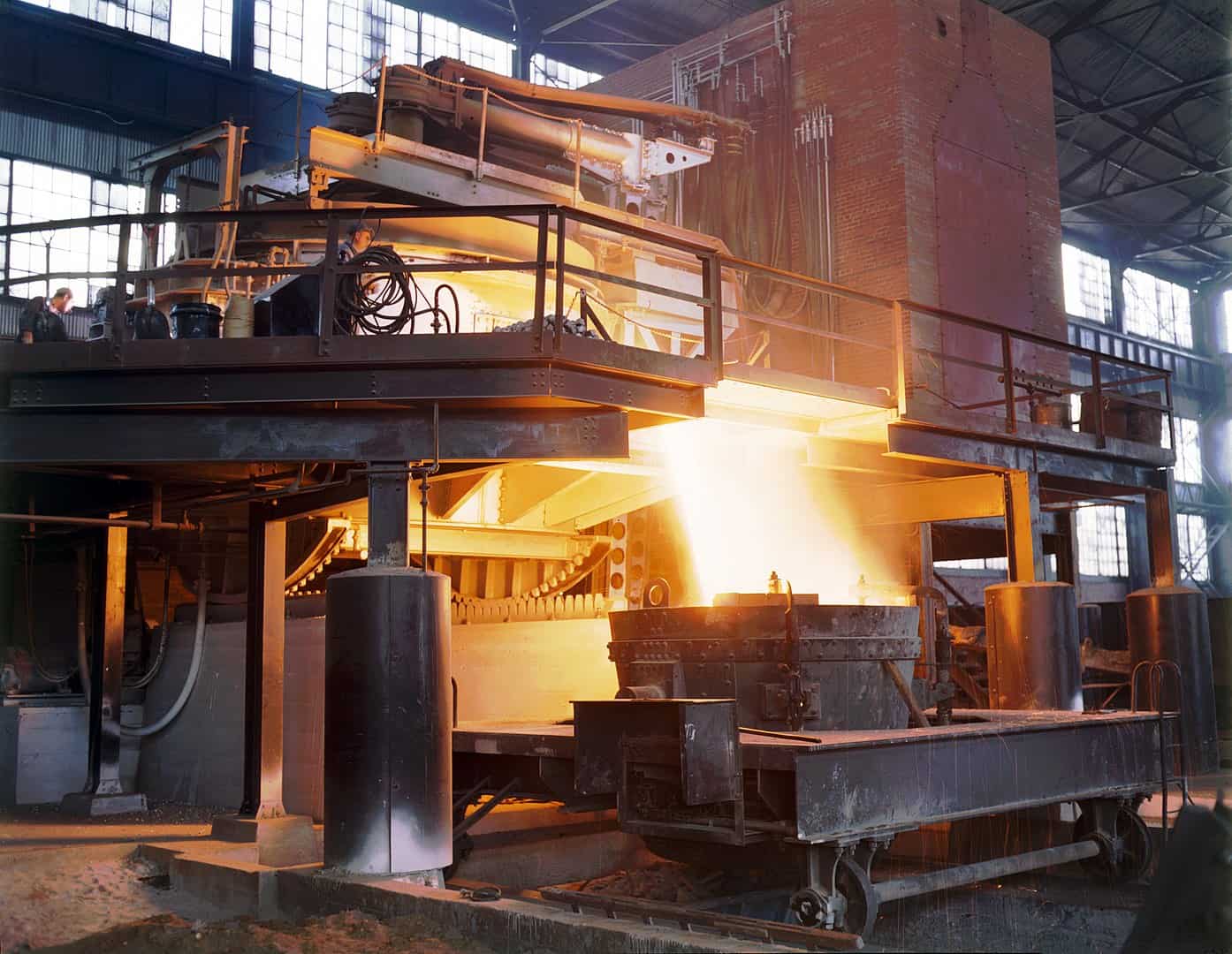
Post Image: By Alfred T. Palmer - This image is available from the United States Library of Congress's Prints and Photographs divisionunder the digital ID fsac.1a35062.This tag does not indicate the copyright status of the attached work. A normal copyright tag is still required. See Commons:Licensing., Public Domain, https://commons.wikimedia.org/w/index.php?curid=1292066

Avoid sharing confidential information via contact form, text, or voicemail as they are not secure. Please be aware that using any of these communication methods does not establish an attorney-client relationship. *By appointment only.
The information contained on this site is proprietary and protected. Any unauthorized or illegal use, copying, or dissemination will be prosecuted to the fullest extent of the law. All content on this site is provided for informational purposes only. It is not, nor should it be taken as medical or legal advice. None of the content on this site is intended to substitute for medical advice, diagnosis, or treatment. Attorney Advertising.
We serve clients in every city and county in New York State. These include places like: The Adirondacks, Albany, Alexandria Bay, Amsterdam, Astoria, Auburn, Ballston Spa, Batavia, Beacon, Binghamton, Brooklyn, Buffalo, Canandaigua, Carthage, Cattaraugus, Catskill, Cayuga Lake, Cazenovia, Chelsea, Clayton, Clifton Park, Cobleskill, Colonie, Cooperstown, Corning, Cortland, Delhi, Delmar, Dunkirk, East Aurora, East Hampton, Elmira, Fayetteville, Finger Lakes, Flushing, Fredonia, Fulton, Garden City, Geneva, Glen Cove, Glens Falls, Gloversville, Gouverneur, Great Neck, Greenwich Village, Hamilton, Hammondsport, Harlem, Haverstraw, Hempstead, Herkimer, Hornell, Hudson, Huntington, Ilion, Ithaca, Jamaica, Jamestown, Johnstown, Kingston, Lake George, Lake Placid, Lewiston, Little Falls, Liverpool, Lockport, Long Island City, Lowville, Malone, Manhattan, Manlius, Massena, Medina, Middletown, Monticello, Montauk, Mount Vernon, New Paltz, New Rochelle, Newburgh, Niagara Falls, North Tonawanda, Norwich, Nyack, Ogdensburg, Old Forge, Olean, Oneida, Oneonta, Ossining, Oswego, Penn Yan, Peekskill, Plattsburgh, Port Chester, Potsdam, Poughkeepsie, Queens, Rhinebeck, Riverhead, Rochester, Rome, Rye, Sag Harbor, Saranac Lake, Saratoga Springs, Schenectady, Seneca Falls, Seneca Lake, Skaneateles, SoHo, Southampton, Spring Valley, Staten Island, Stony Brook, Suffern, Syracuse, Tarrytown, The Bronx, Thousand Islands, Ticonderoga, Troy, Tupper Lake, Utica, Warsaw, Waterloo, Watertown, Watkins Glen, Wellsville, White Plains, Williamsburg, Woodstock, Yonkers, and many more communities throughout New York State.
Copyright © 2025, Porter Law Group. Personal Injury Lawyers
Made with 💛 by Gold Penguin


