


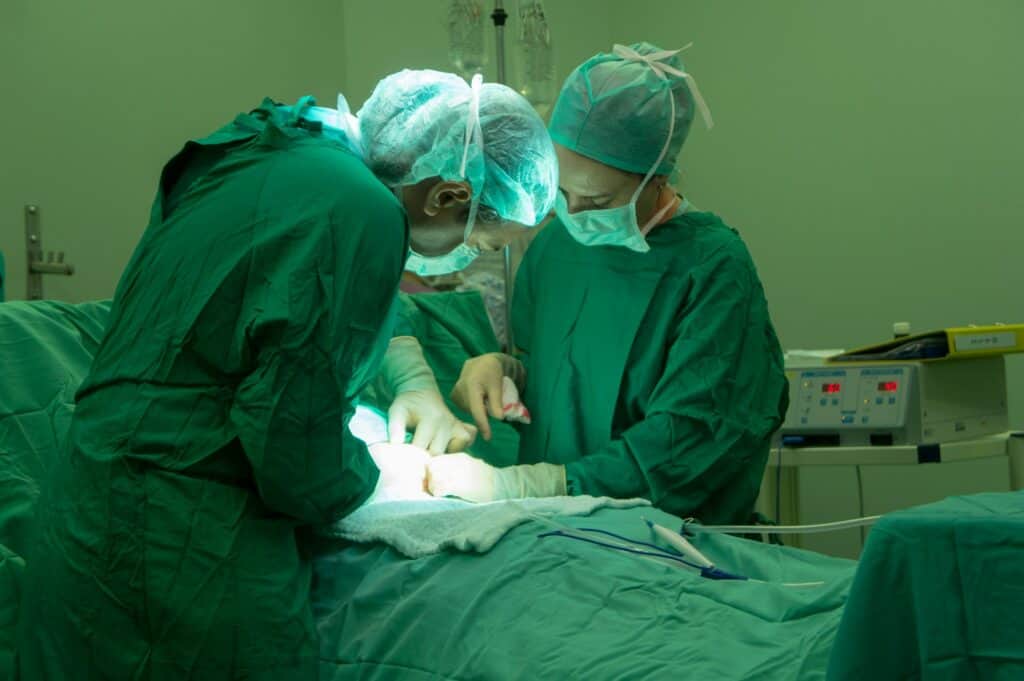
The moments surrounding childbirth should be filled with joy and anticipation, not fear and uncertainty. When doctors fail to perform a necessary cesarean section promptly, the consequences can be devastating. Babies can suffer permanent brain damage, and mothers can face life-threatening complications that change everything in an instant.
If your family is dealing with injuries from a delayed C-section, you're probably wondering whether anyone will be held accountable. The answer is yes, you may have grounds for a medical malpractice lawsuit, but the path forward depends on specific medical and legal factors that need careful examination.
Can You Sue for a Delayed C-Section in New York?
You can sue for birth injuries caused by a delayed C-section when the delay represents a clear departure from accepted medical standards and directly caused harm to you or your baby. New York law recognizes these cases as medical malpractice, which means you need to prove that your doctor or hospital failed to meet the standard of care that a reasonable obstetric provider would have followed under similar circumstances.
This isn't about second-guessing every medical decision or claiming that any bad outcome equals malpractice. Childbirth carries inherent risks, and not every injury is preventable. What matters legally is whether your medical team recognized the warning signs that emergency surgery was needed and acted appropriately on that information.
The key question becomes: would a competent obstetrician, facing the same situation with the same information, have performed the C-section sooner? If the answer is yes, and if that delay more likely than not caused the injury, you may have a valid claim.
When Should an Emergency C-Section Be Performed?
Cesarean delivery becomes medically necessary for numerous reasons during labor and delivery. Some situations develop gradually, while others emerge as true emergencies requiring immediate surgical intervention.
Labor that simply isn't progressing is one common scenario. When a mother's cervix stops dilating during active labor despite adequate contractions, or when the baby doesn't descend through the birth canal during pushing, doctors must make a judgment call about how long to continue trying for vaginal delivery. The American College of Obstetricians and Gynecologists provides specific criteria for what constitutes "arrest" of labor, both in the first stage when the cervix should be dilating and in the second stage when the mother is actively pushing.
Physical obstacles can also make vaginal delivery impossible or dangerous. If the baby's head is simply too large for the mother's pelvis, continuing to push won't solve the problem. Certain positions where the baby isn't head-down, problems with the placenta blocking the cervix, or situations where the umbilical cord comes out before the baby all require surgical delivery.
Medical conditions affecting either mother or baby can make labor itself too risky to continue. High blood pressure disorders, certain infections, and previous uterine surgeries may all point toward the need for C-section rather than continuing with labor.
What Are the Signs of Fetal Distress That Require Immediate Delivery?
The most urgent reason for emergency cesarean delivery is what doctors call "non-reassuring fetal status," which essentially means the baby is showing signs of not getting enough oxygen. Throughout labor, your medical team monitors the baby's heart rate continuously, looking for patterns that suggest everything is progressing normally.
A healthy baby's heart rate shows variability, small fluctuations that indicate the nervous system is working well. The heart rate should respond appropriately to contractions, with temporary increases during fetal movement. When the monitoring strip shows concerning patterns, particularly prolonged periods where the heart rate drops significantly or stays consistently low, it suggests the baby may be experiencing oxygen deprivation.
These abnormal heart rate patterns fall into different categories of severity. Category III patterns, the most concerning, require prompt evaluation and often expedited delivery. These might include a baseline heart rate that remains dangerously low, minimal or absent variability, or recurrent late decelerations where the heart rate drops after each contraction in a pattern suggesting the placenta isn't delivering enough oxygen.
When oxygen deprivation continues, the baby's blood becomes increasingly acidic, a condition that can lead to seizures, brain damage, or death if not addressed quickly. The goal of monitoring is to catch these warning signs early enough to intervene before permanent injury occurs.
How Long Is Too Long to Wait for a C-Section?
You may have heard about the "30-minute rule" for emergency cesarean delivery, but the reality is more nuanced. While older guidelines suggested hospitals should be able to perform an emergency C-section within 30 minutes of the decision being made, current medical consensus acknowledges this isn't always a rigid requirement.
What matters more than the clock is the nature of the emergency and whether the response time was appropriate for the specific situation. Some emergencies, like a sudden prolapsed umbilical cord or suspected uterine rupture, demand immediate surgical delivery. Others, like arrest of labor with a stable baby, allow more time for preparation.
The truly problematic delays aren't necessarily about hitting a specific time benchmark. They're about failing to recognize urgent warning signs, not making the decision to proceed with surgery when the situation clearly calls for it, or having hospital systems so poorly organized that even an appropriately urgent decision can't be carried out promptly.
Medical records in birth injury cases often reveal troubling patterns. Maybe the fetal monitor strips showed Category III patterns for an extended period, but nobody called the attending physician. Perhaps the doctor was notified but didn't come to the hospital quickly enough. Sometimes the decision for emergency surgery was made, but the operating room wasn't available because of poor resource allocation. Each of these scenarios represents a different kind of failure, but all can constitute malpractice if they result in avoidable injury.
What Injuries Can Result from Delayed C-Section Delivery?
When a baby doesn't get enough oxygen during a prolonged labor, the brain is typically the first organ to suffer permanent damage.
Hypoxic-ischemic encephalopathy, or HIE, describes brain injury caused by oxygen deprivation and reduced blood flow. The severity can range from mild, where babies may have some temporary symptoms but recover, to severe, where the damage is profound and permanent.
Cerebral palsy is one of the most devastating potential outcomes. This group of movement disorders results from brain injury that occurs before, during, or shortly after birth. Children with cerebral palsy may have difficulties with muscle control, coordination, and posture that affect their ability to move independently. The condition is permanent and often requires lifelong therapy, adaptive equipment, and specialized care.
Seizures in the newborn period are another serious consequence of oxygen deprivation. Some babies will have seizures immediately after birth, while others develop them within the first few days. Even if the seizures are controlled with medication, they can signal underlying brain injury that may lead to developmental delays, intellectual disabilities, or learning difficulties as the child grows.
Other organs can also sustain damage from prolonged oxygen deprivation. The kidneys, liver, heart, and lungs all require adequate oxygen to function, and severe cases of fetal distress can lead to multi-organ dysfunction requiring intensive care after delivery.
For mothers, delayed cesarean delivery carries its own set of risks. If the delay occurs in the context of uterine rupture or placental abruption, where the placenta separates from the uterine wall prematurely, mothers can experience life-threatening hemorrhage. Some require emergency hysterectomy to control bleeding, ending their ability to have more children. Infections, injury to surrounding organs, and the psychological trauma of a terrifying delivery with a critically ill baby are all potential consequences.
What Makes a Delayed C-Section Medical Malpractice?
Not every delayed C-section that results in injury is malpractice. New York law requires you to prove four elements to succeed in any medical malpractice case, and birth injury cases are no exception.
First, there must be a doctor-patient relationship, which establishes that the physician or hospital owed you a duty of care. This element is rarely in dispute in birth injury cases since you were clearly receiving obstetric care from the providers involved.
Second, you must show that your medical providers deviated from accepted standards of care. This means proving that the care you received fell below what competent obstetricians would have done in the same situation. Expert testimony becomes crucial here because jurors need medical professionals to explain what the standard of care required and how your providers' actions fell short.
Maybe your doctor failed to properly interpret fetal monitoring strips that clearly showed distress. Perhaps they didn't respond urgently enough to nurses' concerns about abnormal heart rate patterns. They might have continued trying for vaginal delivery long after the accepted criteria for labor arrest had been met. Or maybe hospital policies created dangerous delays between the decision for emergency surgery and actually getting you into the operating room.
Third, you need to establish causation, meaning the deviation from the standard of care actually caused the injury. This is often the most heavily contested element in birth injury cases. Defense attorneys and their medical experts will argue that the baby's injury was inevitable, that it occurred before labor even began, or that it resulted from some other cause unrelated to the timing of the C-section.
Your legal team must prove that, more likely than not, an earlier C-section would have prevented the injury or at least reduced its severity. This typically requires careful analysis of the medical timeline, fetal monitoring strips, cord blood gases taken at birth, and other medical evidence that can help pinpoint when the injury occurred.
Finally, you must demonstrate damages. Birth injuries can result in extraordinary costs for medical care, therapies, special education, adaptive equipment, and home modifications. Families may need compensation for lost wages when a parent must leave work to provide care. Pain and suffering, both for the injured child and parents, factor into damages as well.
How Do You Prove a C-Section Was Unreasonably Delayed?
Building a strong delayed C-section case requires pulling together multiple sources of medical evidence to reconstruct what happened and when.
The electronic fetal monitoring strips are perhaps the most critical piece of evidence. These continuous recordings show the baby's heart rate patterns throughout labor and often reveal precisely when distress began and how long it continued before delivery occurred.
Labor and delivery nursing notes document what staff observed in real time, including when they notified physicians of concerning findings. Physician notes show when doctors were made aware of problems and what decisions they made. The specific times when the decision for C-section was documented, when the patient was moved to the operating room, when the first incision was made, and when the baby was delivered all become crucial data points.
Operative reports describe what the surgeon found during the procedure. Was there evidence of uterine rupture? Placental abruption? A tightly wrapped umbilical cord? These findings can help explain why the baby was in distress and whether earlier recognition and intervention could have made a difference.
Cord blood gas measurements taken from the umbilical cord immediately after birth provide objective data about how acidic the baby's blood had become, which correlates with severity and duration of oxygen deprivation. Neonatal records documenting the baby's condition at birth, any resuscitation required, and subsequent complications all help establish the extent of injury.
Your attorney will retain qualified medical experts, typically obstetricians and maternal-fetal medicine specialists, to review all of this evidence. These experts will provide opinions on whether the fetal monitoring strips were properly interpreted, whether the decision for C-section should have been made earlier, whether hospital systems functioned appropriately, and whether earlier delivery would have prevented or minimized the injury.
How Long Do You Have to File a Birth Injury Lawsuit in New York?
New York's statute of limitations for medical malpractice cases generally gives you two and a half years from the date of the alleged malpractice to file a lawsuit. This deadline is strictly enforced, and missing it usually means losing your right to sue forever, regardless of how strong your case might be.
Birth injury cases have an important exception for injured children. While parents' own claims for things like medical expenses they've incurred and emotional distress are subject to the standard two and a half year deadline, the injured child's claim is tolled, meaning the clock doesn't start running until the child turns 18. However, New York law caps this tolling period for medical malpractice at 10 years, so a child injured at birth generally must file suit by their 10th birthday.
This extended time frame might seem like it provides plenty of breathing room, but waiting too long creates serious practical problems. Medical providers and hospitals are only required to maintain records for a certain period. Witnesses' memories fade. Doctors and nurses move on to other positions or retire. The sooner you begin investigating a potential claim, the better chance you have of preserving crucial evidence.
Additionally, some families discover that what they initially thought was a developmental delay or minor issue is actually a more serious, permanent injury that becomes clearer as their child grows. Getting an early evaluation from medical malpractice attorneys allows you to understand your rights and preserve your options even if you're not ready to move forward immediately.
What Evidence Should You Preserve After a Traumatic Delivery?
If you suspect your baby's birth injury resulted from delayed C-section or other medical errors, taking steps to preserve evidence should be a priority when you're ready to explore your legal options.
Request complete copies of all medical records from your prenatal care, labor and delivery, and any postpartum or neonatal care. In New York, you have a legal right to your medical records, though providers can charge reasonable copying fees. Getting these records early ensures they're preserved exactly as they existed at the time of delivery, before any potential alterations or "corrections" that sometimes occur later.
Keep a detailed journal of your baby's symptoms, medical appointments, therapies, and developmental progress. Note what specialists you're seeing, what diagnoses they're giving, and what treatments they're recommending. This contemporaneous record can be invaluable later if you pursue a claim.
Save all medical bills, insurance explanations of benefits, and receipts for out-of-pocket expenses related to your child's care. Document any modifications you need to make to your home, any special equipment you purchase, and any lost wages from time off work for medical appointments or caregiving.
If you're in touch with other parents who delivered at the same hospital around the same time, or if you're aware of other families who had similar experiences, that information can be relevant. Patterns of inadequate staffing, poor communication, or systemic problems can strengthen a case.
What Kind of Compensation Is Available in Birth Injury Cases?
Birth injury cases can result in substantial compensation because the damages can be catastrophic and lifelong. When a child suffers permanent brain injury due to medical negligence, the financial and emotional costs extend across their entire lifetime.
Economic damages aim to compensate for measurable financial losses. Past and future medical expenses can be staggering when a child needs ongoing specialist care, therapies, medications, surgeries, and medical equipment. Many children with severe HIE or cerebral palsy require physical therapy, occupational therapy, speech therapy, and other interventions multiple times per week for years.
Life care plans, typically prepared by specialized experts, project the full cost of care across the child's expected lifetime. These plans account for adaptive equipment like wheelchairs or communication devices, home modifications for accessibility, attendant care if the child will need assistance with daily living activities, and special education services.
Lost earning capacity recognizes that a child with significant disabilities may never be able to work or may have limited employment options, representing a lifetime of lost income.
Non-economic damages compensate for pain and suffering, emotional distress, loss of quality of life, and other intangible harms. For a child with cerebral palsy who will never walk independently, or a child with severe cognitive impairment who will never live independently, these damages acknowledge the profound impact on every aspect of life.
Parents can also recover for their own damages, including their emotional suffering watching their child struggle, the impact on their marriage and family life, and their own lost wages or career opportunities sacrificed to provide care.
Why You Need Experienced Legal Representation
Birth injury cases are among the most complex in medical malpractice law. They require attorneys who understand both the medicine and the legal intricacies, who have access to qualified experts willing to testify, and who have the resources to handle cases that can take years to resolve and cost hundreds of thousands of dollars to litigate.
Hospitals and insurance companies defend these cases aggressively because the stakes are so high. They employ sophisticated defense attorneys who will scrutinize every aspect of your claim, depose multiple experts, and spare no expense trying to defeat your case or minimize the damages.
An experienced birth injury attorney knows how to counter these defense strategies. They understand how to work with medical experts to build a compelling narrative of what went wrong and why. They know how to value your case properly, accounting not just for past expenses but for a lifetime of future needs. And they're prepared to take your case to trial if the insurance company won't offer fair compensation.
Perhaps most importantly, a good attorney handles the legal complexity so you can focus on what matters most: your child's health and your family's wellbeing. They deal with the paperwork, the deadlines, the negotiations, and the stress of litigation while you concentrate on getting your child the care they need.

Were You or Your Child Harmed by a Delayed C-Section?
Talk With a New York Personal Injury Lawyer at the Porter Law Group. Free, no-obligation, confidential.
Taking the Next Step
If your child was injured during birth because doctors failed to perform a necessary C-section in time, you don't have to face the future alone. New York law provides a path to accountability and compensation when medical negligence causes harm.
The days and months after a traumatic delivery are overwhelming. You're dealing with a sick baby, maybe a recovering mother, a flood of medical bills, and countless appointments with specialists trying to understand the extent of injury and what treatments might help. Adding a lawsuit to that mix might feel like too much.
But talking to an attorney doesn't commit you to anything. It simply gives you information about your rights and options. A consultation allows you to understand whether you have a viable case, what the process would involve, and whether pursuing a claim makes sense for your family's situation.
The conversation starts with understanding what happened during your labor and delivery, what injuries your child sustained, and whether medical negligence played a role. From there, you can make informed decisions about how you want to proceed.
Your child's future may look different than you imagined, but you can still fight to ensure they have every resource and opportunity possible. Legal action isn't about anger or revenge. It's about securing the care your child will need and holding responsible parties accountable for the consequences of their failures.


