


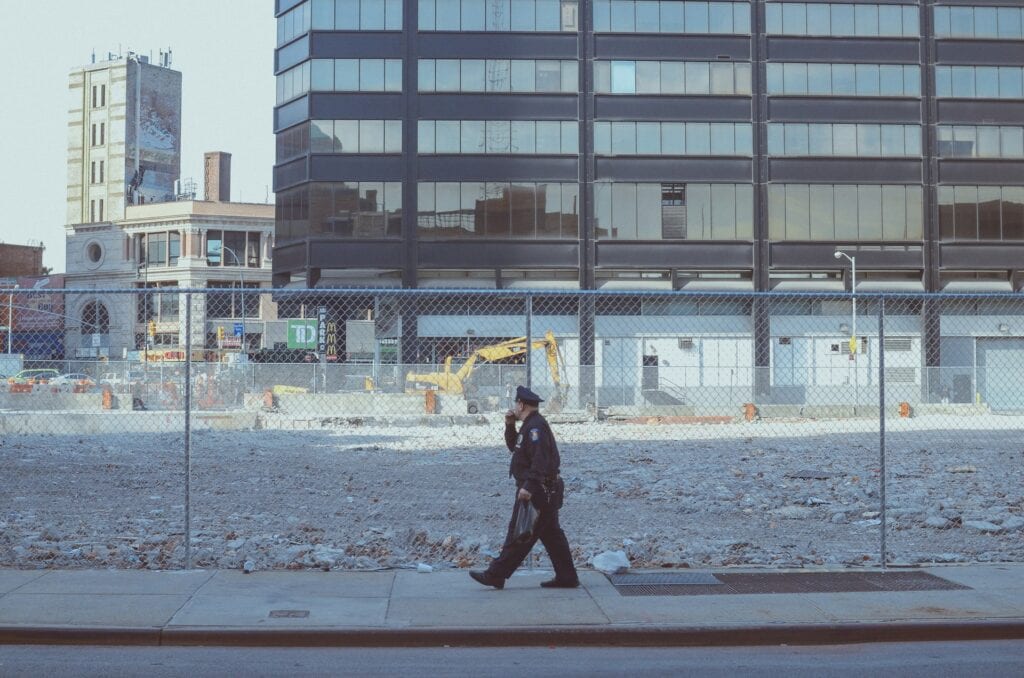
Construction sites, scaffolding, and elevated work zones are common fixtures in New York's urban landscape. When safety measures fail and debris falls from these heights, the consequences can be devastating. Tools, building materials, equipment, and other objects that drop from roofs, scaffolds, or cranes can cause severe injuries or death to workers and pedestrians alike.
If you've been struck by falling debris, you likely have legal options. The ability to hold someone accountable depends on proving that a property owner, contractor, employer, or another party failed to take required safety precautions and that this failure directly caused your injuries. New York workers also benefit from some of the strongest protections in the country under specific Labor Law provisions designed to prevent exactly these types of accidents.
Can You Sue After Being Hit by Falling Objects?
Yes, in most cases you can pursue legal action after being injured by falling debris. The key is establishing that someone was responsible for preventing the accident and failed to do so.
For construction workers, New York Labor Law provides powerful protections that go beyond standard negligence claims. These laws impose strict duties on property owners and general contractors to ensure adequate safety measures are in place. If you were injured while performing construction, demolition, repair, or similar work, you may have a claim under Labor Law § 240(1), commonly known as the Scaffold Law, or under § 241(6), which requires compliance with specific safety regulations.
Members of the public who are struck by falling objects typically pursue claims based on general negligence or premises liability. This means showing that the property owner or contractor failed to reasonably secure materials, maintain the site safely, or warn about overhead hazards. A pedestrian walking past a construction site, a customer entering a building during renovations, or anyone lawfully present who is injured by falling debris may have grounds to sue.
How These Accidents Happen
The National Institute for Occupational Safety and Health (NIOSH) identifies "struck-by" incidents as a leading cause of construction fatalities and serious injuries. These accidents include being hit by falling or flying objects, and the data shows just how common and dangerous they are.
Falling objects at construction sites can include hand tools, power equipment, building materials like bricks or lumber, scaffolding components, and debris from demolition work. The danger increases dramatically based on two factors: the weight of the object and the height from which it falls. Even a relatively small tool dropped from several stories up can cause catastrophic injuries.
These incidents often occur when materials aren't properly secured on elevated work surfaces, when tools are left unsecured near edges, when hoisting equipment fails or is improperly used, when demolition debris isn't contained, or when adequate fall protection measures like toe boards, guard rails, or catch platforms aren't in place. Construction zones without proper barriers allow objects to strike workers below or pedestrians passing by.
What Federal Safety Standards Require
The Occupational Safety and Health Administration (OSHA) has established comprehensive construction standards that employers must follow to protect workers from both falls and falling objects. These federal regulations carry the force of law, and violations can serve as strong evidence of negligence in civil lawsuits.
Under 29 CFR 1926 Subpart M and related provisions, OSHA requires specific protections against falling objects at job sites. Employers must secure loose items on elevated surfaces, install toe boards and canopies where necessary, establish exclusion zones beneath overhead work areas, use proper material handling equipment, and ensure that hoisting operations are conducted safely with adequate rigging and securing of loads.
When an employer or contractor fails to comply with these OSHA standards and someone gets hurt as a result, that violation doesn't just expose them to federal penalties. It also provides compelling evidence in a personal injury lawsuit that they breached their duty to maintain a safe worksite. Courts routinely consider OSHA violations when determining liability in falling object cases.
New York's Scaffold Law Protections for Workers
New York Labor Law § 240(1) is one of the most protective worker safety statutes in the United States. The law was enacted specifically to address gravity-related construction hazards, including both workers falling from heights and workers being struck by falling objects.
The Scaffold Law applies to workers engaged in construction, demolition, repair, alteration, and similar activities. It imposes absolute liability on property owners and general contractors to provide proper safety devices and protections. This means that if you were injured in a covered activity and the required safety measures were absent or inadequate, you don't need to prove the owner or contractor was negligent. You only need to show that they failed to provide the protection the law requires.
Courts have applied § 240(1) in falling object cases when an object falls from above due to the absence or failure of a required safety device. This includes situations where materials being hoisted weren't properly secured, where objects fell because scaffolding or supporting structures were inadequate, where items should have been secured but weren't, or where safety devices like nets, canopies, or barricades that should have been in place were missing.
The law specifically protects against elevation-related risks. If your injury involved something falling from a height due to inadequate safety measures, the Scaffold Law may provide you with a strong claim against the property owner and general contractor, even if your direct employer provided workers' compensation benefits.
Additional Protections Under Labor Law § 241(6)
Labor Law § 241(6) takes a different approach but offers equally important protections. This statute requires that construction, excavation, and demolition sites be "constructed, shored, equipped, guarded, arranged, operated and conducted" in a way that provides reasonable and adequate protection to workers.
The key to a § 241(6) claim is proving a violation of a specific, concrete safety regulation in New York's Industrial Code. These regulations cover a wide range of hazards, including detailed provisions about overhead work, material storage, hoisting operations, and protection from falling objects. Unlike § 240(1), which imposes absolute liability, § 241(6) requires showing that a specific Industrial Code provision was violated and that this violation was a substantial cause of your injury.
For falling object cases, relevant Industrial Code sections might address proper securing of materials on elevated surfaces, requirements for overhead protection in areas with work above, specifications for material storage and handling, safety requirements for hoisting and rigging operations, and mandates for barricades or warning systems in areas with overhead hazards.
These technical regulations give injured workers a powerful tool. If you can point to a specific code provision that was violated and show it led to your injury, you have a strong foundation for legal action.
Workers' Compensation and Third-Party Claims
If you're injured on the job in New York, you're generally entitled to workers' compensation benefits regardless of who was at fault. These benefits cover medical expenses and a portion of lost wages, and they're available relatively quickly without needing to file a lawsuit.
However, workers' compensation is typically the exclusive remedy against your direct employer. This means you can't sue your employer for additional damages beyond what workers' comp provides. But this limitation only applies to your own employer.
You can still pursue legal action against other parties whose negligence contributed to your injury. This might include the property owner where you were working, a general contractor if you were employed by a subcontractor, other subcontractors whose actions created the hazard, equipment manufacturers if defective equipment contributed to the accident, or architects or engineers if design flaws played a role.
These third-party lawsuits can recover damages that workers' compensation doesn't cover, such as full lost wages (not just the partial amount workers' comp provides), pain and suffering, loss of enjoyment of life, and compensation for permanent disability or disfigurement. When combined with workers' compensation benefits, these claims can provide much more complete recovery for serious injuries.
Claims for Injured Pedestrians and the Public
If you're not a worker but were injured by falling construction debris, your claim is based on general negligence and premises liability principles. You'll need to establish that the property owner, contractor, or other responsible party owed you a duty of care, breached that duty by failing to take reasonable precautions, and that this breach caused your injuries.
Property owners and contractors have a responsibility to protect the public from hazards created by their work. This includes securing the perimeter of construction sites, installing protective scaffolding and sidewalk sheds, warning pedestrians about overhead work, ensuring materials are properly stored and secured, and establishing adequate barriers to prevent objects from striking people outside the work zone.
When a pedestrian is struck by falling debris, the question becomes whether the property owner or contractor took reasonable steps to prevent this foreseeable danger. Courts will look at industry standards, local building codes, whether warnings were posted, the nature of the work being performed, and whether the hazard was obvious or hidden.
New York City has specific requirements for construction sites, including mandates for sidewalk sheds when work is being performed above certain heights. Violations of these local regulations can provide evidence of negligence, similar to how OSHA violations support claims by workers.
The Serious Injuries Falling Objects Cause
Safety research consistently shows that being struck by falling objects causes some of the most severe injuries seen in construction accidents. The physics are straightforward but brutal: even relatively light objects become deadly weapons when they fall from height.
Head trauma is among the most common and serious injuries. This can range from concussions to skull fractures, traumatic brain injuries that cause permanent cognitive impairment, bleeding in or around the brain, and fatal head injuries. Hard hats provide some protection but aren't always sufficient against heavy objects or materials falling from significant heights.
Spinal injuries are also common when victims are struck from above. The force can cause fractured vertebrae, spinal cord damage leading to paralysis, herniated or ruptured discs, and chronic pain conditions. Internal injuries occur when the impact affects the torso, potentially causing organ damage, internal bleeding, broken ribs that can puncture lungs or other organs, and crush injuries.
Even survivors of falling object accidents often face long-term consequences. Permanent disability, chronic pain, traumatic brain injury effects that persist for years, psychological trauma including PTSD and anxiety about returning to work, and the need for ongoing medical treatment and rehabilitation are all common outcomes.
These severe injuries justify substantial compensation in successful lawsuits. The damages aren't just about immediate medical bills but about the full impact on your life.
What You Can Recover in a Falling Object Lawsuit
When you file a lawsuit for injuries from falling debris, you're seeking compensation for all the ways the accident has harmed you. New York law recognizes both economic and non-economic damages.
Economic damages cover your financial losses. This includes all medical expenses, from emergency treatment through surgeries, hospital stays, medications, physical therapy, and any future medical care you'll need. You can recover lost wages for time you've missed from work and, if your injuries prevent you from returning to your previous job or limit your earning capacity, compensation for reduced future earnings. Other out-of-pocket costs related to your injury, such as home modifications if you're disabled or transportation to medical appointments, are also recoverable.
Non-economic damages address the human impact of your injuries. Pain and suffering compensation recognizes the physical pain you've endured and will continue to experience. Loss of enjoyment of life damages account for activities you can no longer participate in and the overall reduction in your quality of life. If your injuries affect your relationship with your spouse, you may be entitled to loss of consortium damages. Emotional distress, including anxiety, depression, and trauma from the accident, is also compensable.
In cases where someone dies from being struck by falling debris, New York's wrongful death law allows family members to pursue damages for funeral and burial expenses, loss of the deceased's financial support, loss of services and guidance the deceased provided, and (separately, through the estate) conscious pain and suffering if the victim remained conscious between injury and death.
The specific value of your case depends on the severity of your injuries, the strength of the evidence proving fault, how your injuries have affected your ability to work and enjoy life, and the quality of your medical documentation showing the extent of your harm.
Who Can Be Held Liable
Determining who to sue in a falling object case requires careful analysis of who was responsible for site safety and what each party's role was in the accident.
Property owners bear significant responsibility under New York law. Even if they hire contractors to perform work, owners can be held liable under Labor Law §§ 240 and 241 for injuries to workers and may face premises liability claims from injured members of the public. General contractors typically have broad oversight of site safety and are liable under the labor laws for worker injuries. They also have a duty to protect the public from hazards created by their projects.
Subcontractors can be liable for negligence if their actions or failures contributed to the accident, though workers employed by a subcontractor cannot sue their own subcontractor employer directly. Equipment suppliers or rental companies might bear responsibility if defective or improperly maintained equipment contributed to the accident. In some cases, architects or engineers can be liable if design defects created an inherently dangerous condition.
Construction sites often involve multiple parties with overlapping responsibilities. A thorough investigation is essential to identify everyone whose negligence played a role in your injury. This ensures you pursue claims against all responsible parties and maximizes your potential recovery.
Building Your Case
Success in a falling object lawsuit depends on proving what happened and who was at fault. Strong cases are built on solid evidence gathered as soon as possible after the accident.
If you're physically able, documenting the scene is crucial. Photographs and videos of where the object fell from, what fell, the conditions at the site, any safety violations visible, and your injuries provide powerful evidence. Get contact information for anyone who witnessed the accident, as their testimony can be critical. If you're a worker, report the accident to your employer immediately and ensure an incident report is filed. Seek medical attention right away, even if you think your injuries are minor, as some serious injuries don't show symptoms immediately.
Your attorney will conduct a thorough investigation that typically includes obtaining official incident reports, reviewing OSHA inspection records and violations, examining the construction site contract and safety protocols, consulting with engineering and safety experts, gathering building department records and permits, and analyzing weather conditions and other factors that might have contributed to the accident.
Expert testimony often plays a key role in these cases. Construction safety experts can explain how the accident should have been prevented and what safety measures were required. Medical experts document the full extent of your injuries and your prognosis for recovery. Engineers might analyze the failure of equipment or structures. Economists calculate your lost earning capacity if you can't return to your previous work.

Hurt By Falling Debris In New York?
Talk With a New York Personal Injury Lawyer at the Porter Law Group. Free, no-obligation, confidential.
Taking the Next Step
If you've been injured by falling debris or objects, time matters. New York law imposes strict deadlines for filing lawsuits. Generally, personal injury claims must be filed within three years of the accident, but claims against government entities require notice within 90 days and filing within one year and 90 days. Wrongful death claims must be filed within two years of the death.
Beyond these legal deadlines, evidence can disappear quickly. Construction sites change, witnesses' memories fade, and surveillance footage is often overwritten. The sooner you consult with an attorney, the better your chances of building a strong case.
Holding negligent parties accountable isn't just about your own recovery. When property owners and contractors face real consequences for safety failures, they're motivated to protect future workers and the public. Your case can be part of making construction sites safer for everyone.
The injuries caused by falling objects are often life-changing. You shouldn't have to bear the financial burden of someone else's failure to follow safety rules. Understanding your legal rights is the first step toward the compensation you deserve and the accountability that might prevent the next accident.


