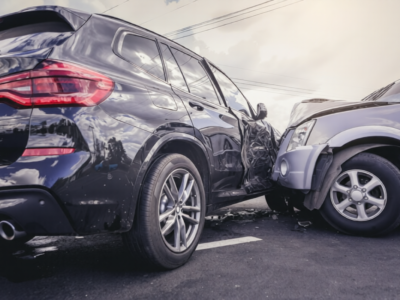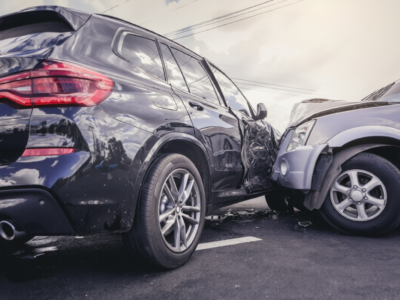


Getting hit by a driver who speeds away leaves you dealing with injuries, vehicle damage, and the frustration of not knowing who caused this harm. Beyond the physical and emotional toll, you’re probably wondering whether you have any legal recourse when the person responsible has disappeared. The answer isn’t as simple as yes or no. Whether you can sue for a hit-and-run in New York depends on several factors, including whether the driver is ever found, the severity of your injuries, and the insurance coverage you have available.
Prior results do not guarantee a similar outcome.
New York has specific laws governing both the criminal act of leaving an accident scene and your civil rights to recover compensation. Understanding these rules helps you protect your legal options during an already difficult time.
What Legally Counts as a Hit-and-Run in New York
A hit-and-run happens when a driver involved in an accident leaves the scene without stopping to exchange information or help anyone who’s injured. Under New York Vehicle and Traffic Law Section 600, this behavior is illegal whether the collision caused minor property damage or serious injuries.
New York law recognizes two distinct categories of hit-and-run offenses. When someone leaves after only damaging property or vehicles, that’s a traffic infraction under VTL Section 600.1. The penalties include fines, potential license suspension, and even jail time for repeat offenders.
When someone flees after causing injuries or death, the situation becomes far more serious. VTL Section 600.2 treats this as a criminal offense ranging from a Class A misdemeanor to a Class D felony, depending on how severely someone was hurt and whether the driver was intoxicated.
One aspect of New York law that surprises many people is that drivers must stop even if they didn’t cause the accident but were simply involved in it. Just being part of a collision creates a legal duty to remain at the scene, regardless of fault.
Can You Sue for a Hit-and-Run When the Driver Flees
The question of whether you can file a lawsuit gets complicated by New York’s unique insurance system. New York operates under no-fault auto insurance, which means your own insurance policy initially covers your medical expenses and lost wages regardless of who caused the accident. This system exists to reduce litigation over minor accidents and get injured people medical care quickly.
However, no-fault insurance only covers economic damages like medical bills and a portion of lost income. It doesn’t compensate you for pain and suffering, emotional distress, or the full extent of your losses.
For claims subject to New York’s no-fault serious-injury threshold, you generally must meet that threshold to recover compensation for pain and suffering in a personal injury lawsuit. Economic losses beyond no-fault benefits can be pursued without meeting it.
New York Insurance Law Section 5102(d) defines serious injury very specifically. Your injuries must fall into one of the statutory categories (a traumatic brain injury qualifies when it fits one of them), which include fractures, significant limitation of use of a body function or organ system, permanent consequential limitation of use of a body part, or significant disfigurement.
The 2026 reforms removed a former category, the 90/180-day rule for non-permanent injuries, for lawsuits commenced on or after May 26, 2026. Lawsuits commenced before that date are still evaluated under the prior definition.
These aren’t subjective determinations. Insurance companies and courts scrutinize medical records, diagnostic imaging, and physician assessments to verify that injuries truly meet the threshold. A soft tissue injury that heals within a few weeks typically won’t qualify, but a herniated disc requiring surgery or a fracture causing permanent mobility limitations often will.
There’s an alternative pathway to filing a lawsuit even if your injuries don’t meet the serious injury threshold. If your basic economic loss exceeds $50,000, you can pursue legal action. This might happen with extensive medical treatment, multiple surgeries, or prolonged inability to work.
What Happens When the Driver Is Never Found
The reality is that many hit-and-run drivers are never identified or caught. Law enforcement does investigate, especially in cases involving serious injuries, but without a license plate number or witnesses who can identify the vehicle, finding the responsible party becomes extremely difficult.
When the at-fault driver remains unknown, you can’t sue them personally because you don’t know who they are. However, you’re not without options for compensation. New York provides several insurance mechanisms designed specifically for situations where the responsible party is uninsured or unidentified.
How Your Own Insurance Covers Hit-and-Run Injuries
Your own auto insurance policy becomes the primary source of compensation when you’re injured in a hit-and-run. Every auto insurance policy in New York includes uninsured motorist coverage, commonly abbreviated as UM coverage. This coverage applies when the at-fault driver either has no insurance or cannot be identified.
New York law requires all auto insurance policies to carry a minimum of $25,000 per person and $50,000 per accident in uninsured motorist bodily injury coverage. If you purchased higher liability limits for your own policy, your UM coverage typically matches those limits unless you specifically rejected higher coverage in writing.
Making a claim under your UM coverage isn’t the same as filing a claim for damages you caused. Your insurance rates shouldn’t increase because you’re claiming benefits as an innocent victim of someone else’s wrongdoing. However, you’ll still need to prove that another vehicle was involved and that you meet the serious injury threshold if you’re seeking compensation beyond basic no-fault benefits.
One crucial requirement for UM claims in hit-and-run cases is proving physical contact occurred between the hit-and-run vehicle and either you or your vehicle. This physical contact rule exists to prevent fraudulent claims where someone might claim another vehicle caused them to lose control when they actually crashed due to their own error or a mechanical failure.
Physical contact doesn’t necessarily mean a direct collision. If a hit-and-run driver sideswiped your mirror, clipped your bumper, or struck you as a pedestrian, that satisfies the requirement. What doesn’t work is claiming an unidentified vehicle cut you off, causing you to swerve and crash without any actual contact. This is why gathering evidence at the scene is so important, even when you’re injured.
Supplemental Uninsured Motorist Coverage Makes a Difference
When you purchased your auto insurance, you were offered the option to buy Supplemental Uninsured Motorist coverage, or SUM coverage. Many people decline this coverage without fully understanding what they’re giving up.
SUM coverage provides additional compensation beyond the statutory minimum UM coverage. If you have $100,000 in liability coverage and purchased SUM coverage to match, you could have access to $100,000 in compensation for a hit-and-run, rather than being limited to the $25,000 minimum.
The cost difference for SUM coverage is usually modest, but the protection it provides in a serious hit-and-run can be substantial. If you were severely injured by a hit-and-run driver and your medical expenses, lost wages, and pain and suffering total $150,000, the difference between $25,000 in basic UM coverage and $100,000 in SUM coverage can be life-changing.
Coverage for Pedestrians and People Without Auto Insurance
Not everyone injured in a hit-and-run has their own auto insurance policy. Pedestrians, cyclists, and passengers in vehicles driven by others might not own cars themselves. New York created a safety net for these victims through the Motor Vehicle Accident Indemnification Corporation, known as MVAIC.
MVAIC is a state-mandated organization funded by insurance companies to compensate victims who have no other source of recovery. To qualify for MVAIC benefits, you must meet several specific criteria. You must be a New York State resident, and the accident must have occurred within New York. You must be the victim of an uninsured or unidentified driver. You cannot have your own auto insurance policy or have access to coverage through a household family member.
The reporting and filing deadlines for MVAIC are strict and unforgiving. You must report the accident to police within 24 hours of the hit-and-run. You must file a formal claim with MVAIC within 90 days of the accident. Missing either deadline can result in a complete denial of your claim, leaving you with no compensation for serious injuries.
MVAIC coverage is limited to the statutory minimums of $25,000 per person and $50,000 per accident, plus personal injury protection benefits for medical expenses and lost wages. While this provides essential coverage for people who would otherwise have nothing, it’s often insufficient to fully compensate someone who suffered catastrophic injuries.
The MVAIC claims process is complex and bureaucratic. The organization scrutinizes claims carefully and often disputes both liability and the severity of injuries. Having legal representation when filing a MVAIC claim significantly improves your chances of a successful outcome.
The Deadlines That Can Destroy Your Case
Hit-and-run cases involve more strict deadlines than almost any other type of personal injury claim. Missing even one of these deadlines can permanently bar you from recovering compensation, regardless of how seriously you were injured or how clear the other driver’s fault was.
The first critical deadline comes immediately. You must report the hit-and-run to law enforcement within 24 hours. This isn’t just good practice for helping police find the responsible driver. It’s a legal requirement for preserving your right to file claims with MVAIC or your own uninsured motorist coverage. Insurance companies will deny claims if you can’t prove you reported the accident promptly.
You have 30 days from the accident to notify your own insurance company if you’re filing for personal injury protection benefits. PIP benefits cover medical expenses and lost wages regardless of fault, and you don’t want to jeopardize this coverage by failing to provide timely notice.
For uninsured motorist claims or MVAIC claims, you must notify the appropriate party of your intent to file within 90 days of the accident. For MVAIC specifically, you must file the complete formal claim within that same 90-day window. This is an extremely short timeframe when you’re recovering from injuries, dealing with medical appointments, and trying to return to normal life.
If the hit-and-run driver is eventually identified, you have three years from the accident date to file a personal injury lawsuit. This is New York’s standard statute of limitations for personal injury cases. However, if the hit-and-run resulted in a fatality, the family has two years from the date of death to file a wrongful death claim.
One deadline that catches people off guard involves accidents where a government entity might share responsibility. If poor road design, missing traffic signals, or inadequate lighting contributed to the hit-and-run, you might have a claim against a city, county, or state agency. These claims require filing a Notice of Claim within just 90 days of the accident. This extremely short deadline exists because government entities receive special protections under New York law.
What If You Were Partially at Fault
For personal injury cases covered by New York’s no-fault motor vehicle law and commenced on or after May 26, 2026, New York follows a modified comparative fault rule under CPLR 1411(b). This means you can recover damages even if you were partially responsible for the accident. Your compensation is simply reduced by your percentage of fault.
In a typical car accident, comparative negligence often becomes a major issue. Insurance companies love to argue that the injured person was speeding, not paying attention, or violated some traffic rule that contributed to the collision. In hit-and-run cases, this argument is harder to make because the other driver committed the serious offense of fleeing the scene.
However, comparative negligence can still come into play. If you were intoxicated, texting while driving, or ran a red light before the collision, the insurance company might argue you bear significant responsibility for the accident. If a jury determined you were 30% at fault, your $100,000 in damages would be reduced to $70,000.
Under this rule, if you were more at fault than the other driver (or everyone you sue combined), you recover nothing. If you were 40% responsible and the other driver’s 60% contribution involved fleeing the scene, you may still recover 60% of your damages.
Most states use modified comparative negligence, which bars recovery if you’re 50% or 51% at fault. New York bars injured plaintiffs in these cases only when their fault is greater than the combined fault of everyone they sue.
Evidence That Strengthens Your Hit-and-Run Case
The moments after a hit-and-run are chaotic and frightening. You’re injured, possibly in shock, and the person responsible is speeding away. Despite the circumstances, any evidence you can gather can significantly strengthen your case.
Even a partial license plate number helps. If you saw three or four characters, that narrows the field of possible vehicles dramatically when combined with other details. The make, model, and color of the vehicle matter. Unique characteristics like damage, bumper stickers, or distinctive modifications help identify the vehicle if it’s found later.
Witnesses are invaluable. Get contact information from anyone who saw the accident or the fleeing vehicle. Witnesses can corroborate your version of events and provide details you might have missed. In UM or MVAIC claims, witness statements help prove physical contact occurred and that another vehicle was actually involved.
Surveillance footage has solved many hit-and-run cases. Traffic cameras, security cameras from nearby businesses, doorbell cameras from houses on the street, and even dash cameras from other vehicles might have captured the collision or the fleeing vehicle. This footage often gets deleted or recorded over within days or weeks, so identifying and preserving it quickly is essential.
Photograph everything at the scene if you’re physically able. Your vehicle damage, the accident location, skid marks, debris from the other vehicle, and your visible injuries all serve as evidence. If you can’t take photos immediately, do so as soon as possible afterward.
Your medical records create a clear timeline of your injuries and treatment. Seek medical attention immediately after a hit-and-run, even if you don’t think you’re seriously hurt. Some injuries like concussions, internal bleeding, and soft tissue damage don’t present symptoms right away. Delaying treatment gives insurance companies an argument that your injuries weren’t caused by the accident or aren’t as severe as you claim.
When the Hit-and-Run Driver Is Eventually Found
Law enforcement continues investigating serious hit-and-run cases long after the accident. Sometimes the fleeing vehicle is found abandoned. Sometimes a witness comes forward days or weeks later. Sometimes the driver’s guilt leads them to turn themselves in. When the responsible party is identified, your legal options expand.
If the driver is found and has insurance, you can pursue a claim against their liability coverage. This is often preferable to claiming your own UM benefits because it doesn’t involve your insurance policy at all. The at-fault driver’s insurance should cover your medical expenses, lost wages, pain and suffering, and property damage.
If the driver is found but has no insurance, you’re back to relying on your own UM or SUM coverage. However, you also have the option of suing the driver personally. This is rarely productive because people who drive without insurance usually don’t have assets to pay a judgment, but it remains an option.
Finding the driver also means they face criminal charges. Hit-and-run involving injuries is a serious crime in New York. While the criminal case is separate from your civil claim for compensation, a criminal conviction can help your civil case by establishing that the driver was at fault and left the scene illegally.
Why Hit-and-Run Cases Need Legal Experience
Hit-and-run cases are among the most complex personal injury claims. They involve multiple insurance policies, strict filing deadlines, detailed evidence requirements, and often disputes about whether the serious injury threshold has been met.
Insurance companies approach hit-and-run claims with skepticism. They scrutinize every detail looking for reasons to deny coverage or minimize payment. They’ll argue the physical contact requirement wasn’t met. They’ll claim your injuries don’t satisfy the serious injury threshold. They’ll suggest you were partially or entirely at fault. They’ll dispute the value of your damages.
An experienced attorney knows how to counter these arguments with medical evidence, expert testimony, and thorough documentation. They ensure you meet every filing deadline, which is crucial given how many deadlines apply to hit-and-run cases. They handle communications with insurance adjusters so you don’t inadvertently say something that hurts your case.
The MVAIC claims process in particular is notoriously complex. MVAIC has its own forms, procedures, and requirements that differ from standard insurance claims. The organization is known for denying claims based on technical deficiencies in the application or missed deadlines. Having an attorney who has successfully handled MVAIC claims before can make an enormous difference in the outcome.
If your case proceeds to litigation, presenting evidence of serious injury requires medical experts who can explain to a jury how your injuries meet the legal threshold. Your attorney coordinates with treating physicians, independent medical examiners, and sometimes vocational experts to build a comprehensive picture of how the hit-and-run has affected your life.
The value of your claim depends on accurately calculating both economic and non-economic damages. Economic damages like medical expenses and lost wages require documentation and sometimes projections of future costs. Non-economic damages like pain and suffering don’t have receipts or bills, so their value depends on how effectively your attorney presents the impact on your daily life, relationships, and future.
Get a free case review from an experienced personal injury attorney.
Summing It Up
You can sue for a hit-and-run in New York, but whether you should and who you can sue depends on your specific situation. If the driver is never found, you’ll rely on your own uninsured motorist coverage or MVAIC benefits rather than filing a lawsuit against an unknown defendant. If the driver is eventually identified, you can pursue a claim against them or their insurance.
The serious injury threshold determines whether you can step outside the no-fault system to sue for pain and suffering. Fractures, traumatic brain injuries, permanent limitations, and significant disfigurement all qualify. Less severe injuries might still allow a lawsuit if your economic losses exceed $50,000.
The deadlines in hit-and-run cases are unforgiving. Report the accident to police within 24 hours. Notify your insurance company within 30 days for PIP benefits. File MVAIC claims within 90 days. These aren’t suggestions. Missing these deadlines can eliminate your right to compensation entirely.
Your own insurance coverage matters more in hit-and-run cases than in typical accidents. The difference between minimum UM coverage and robust SUM coverage could mean the difference between $25,000 and $100,000 or more in compensation. Review your policy now, before you need it.
Evidence collected at the scene strengthens every aspect of your case. Partial plate numbers, vehicle descriptions, witness information, and photos all help prove what happened and satisfy the physical contact requirement for UM claims.
Getting legal help quickly after a hit-and-run protects your rights during a time when you should be focused on recovering from your injuries. An experienced personal injury attorney ensures deadlines are met, evidence is preserved, insurance companies are held accountable, and you receive the full compensation you deserve for injuries caused by someone who chose to flee rather than take responsibility.