


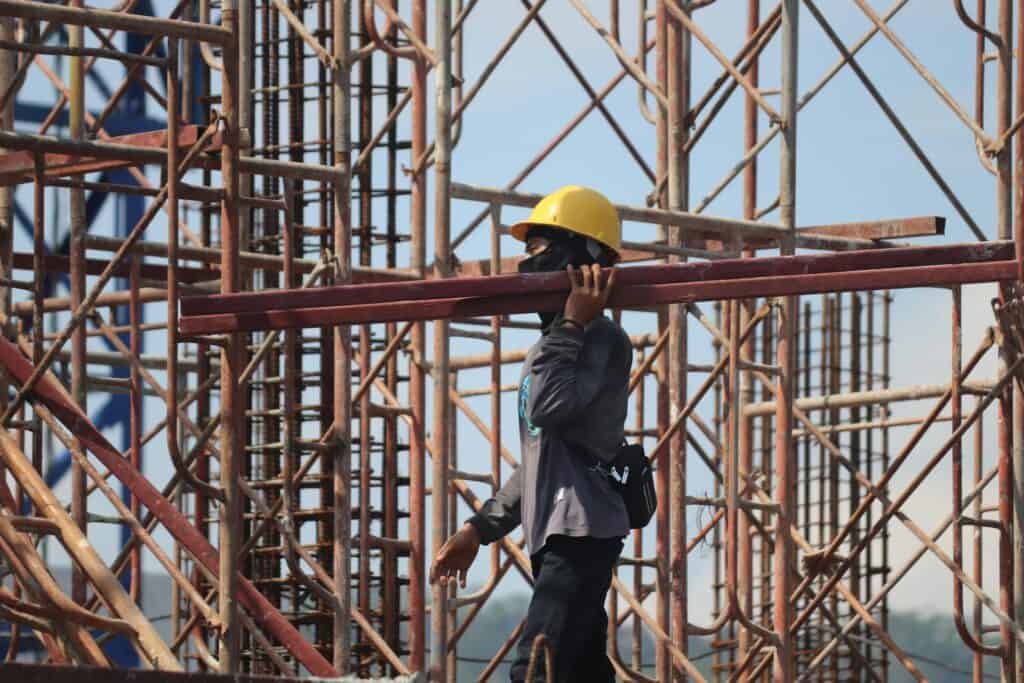
New York City's skyline is always changing. Cranes dot the horizon, scaffolding wraps around buildings, and construction workers labor at extraordinary heights to build the apartments, offices, and infrastructure that keep the city running. But behind every construction project is a sobering reality: this is one of the most dangerous jobs in the city, and workers are getting hurt and dying at rates that far exceed almost every other industry.
Injured in a Construction Zone?
CONTACT USOur Recent Case Results
Settlement
Jury Verdict
Settlement
Settlement
If you or someone you love has been injured on a construction site, understanding what's really happening across the city can help you understand the scope of the problem and why strong legal protections exist for construction workers. The numbers tell a story of progress mixed with persistent danger, and they reveal patterns about who faces the greatest risk.
How Common Are Construction Accidents in New York City?
In 2024, New York City's Department of Buildings recorded 638 construction-related incidents on building sites under its jurisdiction. Those incidents resulted in 482 injuries and 7 fatalities. These numbers represent a ten-year low for incidents and near-record lows for both injuries and deaths.
Compare that to 2018, which remains the worst year in recent memory: 1,193 incidents, 759 injuries, and 13 deaths. By that measure, things have improved significantly. The city has ramped up inspections, increased enforcement, and implemented new safety training requirements. Those efforts show up in the data.
But here's the context that matters: construction remains the deadliest industry in New York City, and it's not even close. In 2023, the most recent year with comprehensive cross-industry data, New York City recorded 69 workplace fatalities across all sectors. Construction accounted for 24 of those deaths, more than any other industry. Construction workers make up roughly 7% of the city's workforce but represent nearly 35% of all work-related deaths.
The fatality rate for construction workers in New York City stands at 11.6 per 100,000 workers, at least six times higher than the overall citywide worker fatality rate. Even with improvements, construction work carries risks that few other jobs can match.
What Causes Most Construction Accidents in New York?
Falls dominate the data. Between 2007 and 2016, the city's Department of Health analyzed 184 unintentional construction deaths. Falls caused 111 of them, roughly 60% of all fatalities. Scaffolds were the most common source of fatal falls, followed by ladders and roofs. More than half of these fatal falls happened from heights of 30 feet or less, distances that proper fall protection systems are specifically designed to prevent.
The second leading cause of construction deaths is contact with objects and equipment. This category includes workers being struck by falling materials, crushed by machinery, or caught in equipment. Between 2007 and 2016, these incidents caused 51 deaths, about 28% of the total. The remaining fatalities involved motor vehicle incidents, electrocutions, fires, explosions, and other hazards.
When it comes to non-fatal injuries, the patterns are similar. Worker falls remain the top cause, followed by falls on ladders or stairs, trips, and injuries from falling materials. The Department of Buildings tracks these incidents closely because they often point to specific safety failures: missing guardrails, unsecured floor openings, improperly erected scaffolding, or inadequate fall protection equipment.
Federal workplace safety investigators examined 122 construction fatalities in New York City during that same 2007-2016 period and found serious violations in 88% of cases. Of the 465 citations issued, 82% were classified as "serious" violations, meaning they involved hazards that could cause death or serious physical harm. Fall protection violations were the single most frequently cited category.
These aren't random accidents. They're predictable events that happen when safety systems fail or are never put in place to begin with.
Who Faces the Greatest Risk on Construction Sites?
From 2007 to 2016, half of all workers who died in construction accidents were 46 or older, even though this age group made up only 31% of the construction workforce. Older workers face disproportionate risk, likely due to a combination of factors including physical vulnerability and the types of roles they occupy.
About 80% of workers who died had a high school education or less, compared to 64% of the overall construction workforce. Lower levels of formal education often correlate with jobs that involve greater physical risk and less control over safety conditions.
Roughly two-thirds of construction workers who died were born outside the United States. This mirrors the makeup of New York City's construction workforce, which is about 64% foreign-born. Immigrant workers often face language barriers, lack familiarity with U.S. workplace safety standards, and may be reluctant to report unsafe conditions due to immigration status concerns or fear of retaliation.
Recent data from the New York Committee for Occupational Safety and Health shows that most construction fatalities occur on non-union worksites. Union sites typically have stronger safety protocols, better training, more rigorous enforcement of protective measures, and workers who feel more empowered to speak up about hazards without fear of losing their jobs.
How Do the City's Numbers Compare to Statewide Trends?
While New York City's Department of Buildings reports steady improvement in building construction safety, statewide data tells a more complicated story. New York State's Construction Industry Fatality Registry, which tracks all construction-related deaths regardless of whether they occur on DOB-regulated building sites, shows a troubling recent spike.
Construction worker deaths across New York State jumped from 50 in 2022 to 74 in 2023, a 48% increase and the highest total in a decade. Between 2014 and 2023, construction fatalities statewide averaged about 58 per year, with New York City historically representing a large share of those deaths.
The difference in these numbers comes down to what each system counts. The Department of Buildings tracks only incidents on building construction sites within its regulatory jurisdiction. The state registry captures deaths across all construction sectors, including heavy civil projects, utility work, road construction, and other activities that don't fall under DOB oversight. Both datasets are valuable, but they measure different things.
What this means in practice: even as the city's most visible construction sites have become safer, other segments of the industry continue to see high death tolls. Workers on smaller projects, renovation jobs, utility work, and non-building construction face hazards that don't always show up in the city's headline numbers.
What Laws Protect Construction Workers in New York?
New York has some of the strongest construction safety laws in the country, and they exist precisely because this work is so dangerous. At the city level, the Department of Buildings enforces Chapter 33 of the New York City Building Code, which governs safeguards during construction and demolition. This code requires proper scaffolding, guardrails, fall protection systems, fencing, and signage. It mandates accident reporting and gives the city authority to shut down sites that present imminent danger.
The city issues annual Construction Safety Reports that track incidents, fatalities, near misses, violations, stop-work orders, and disciplinary actions against contractors and site safety professionals. These reports drive enforcement priorities and help identify emerging hazards.
At the state level, New York Labor Law Sections 200, 240(1), and 241(6) impose specific duties on property owners and general contractors to provide safe workplaces. Section 240(1), often called the Scaffold Law, makes owners and contractors absolutely liable for gravity-related injuries when workers fall or are struck by falling objects due to inadequate safety equipment. This law doesn't require proving negligence in the traditional sense. If proper fall protection wasn't provided and a worker was injured, liability attaches.
Section 241(6) requires compliance with specific safety regulations outlined in the state's Industrial Code. When contractors violate those specific rules and a worker gets hurt, the injured worker has a strong legal claim.
Section 200 covers general workplace safety and applies when unsafe conditions or inadequate supervision lead to injury.
These laws exist because construction is inherently dangerous, workers often have limited power to demand safer conditions, and financial pressures can incentivize cutting corners on safety. The legal framework shifts responsibility to the parties who control the site and have the resources to implement proper protections.
What the Recent Data Tells Us About the Future
The drop in incidents and injuries on New York City construction sites between 2018 and 2024 reflects real progress. The city has increased the number of construction inspectors, implemented more aggressive enforcement of safety violations, required more comprehensive site safety training, and held contractors and site safety professionals accountable when things go wrong.
But seven construction workers still died on building sites in 2024. Hundreds more were injured. Across the state, dozens of additional workers died on other types of construction projects. Every one of those deaths was preventable.
The workers at highest risk continue to be older, less formally educated, foreign-born, and employed on non-union sites. These patterns haven't changed meaningfully in years, which suggests that safety improvements haven't reached all corners of the industry equally.
Advocacy groups continue to push for stronger enforcement, better protections for vulnerable workers, and accountability for contractors with histories of violations. The data shows that when serious accidents happen, safety violations are almost always present. The challenge is catching and correcting those violations before someone gets hurt.

Get a Free Case Review
Talk to our experienced construction accident lawyers and know all your legal options for recovery in a free, no-obligation consultation.
Summing It Up
Construction in New York City is safer than it was a decade ago, but it remains one of the most dangerous ways to earn a living. Falls cause the majority of deaths and serious injuries, and most of these incidents happen when basic safety systems fail or were never implemented. Older workers, immigrant workers, and those on non-union sites face the highest risks.
If you've been injured on a construction site, or if you've lost someone to a construction accident, the law provides strong protections. Property owners and contractors have legal duties to provide safe workplaces, maintain proper fall protection, and follow specific safety regulations. When they fail to meet those obligations and workers get hurt, they can be held accountable.
The numbers in this article aren't just statistics. They represent real people who went to work and never came home, or who suffered injuries that changed their lives forever. Understanding the scope of the problem and the patterns behind it can help injured workers and their families grasp why these protections exist and why pursuing legal action matters, not just for individual cases but for the broader push to make construction work safer for everyone.
If you or a loved one were injured in a construction accident in New York, don't wait too long. Reach out to the Porter Law Group today. Fill out our online form for a free consultation and know your options. You can also call 833-PORTER9 or email info@porterlawteam.com to get started.


