


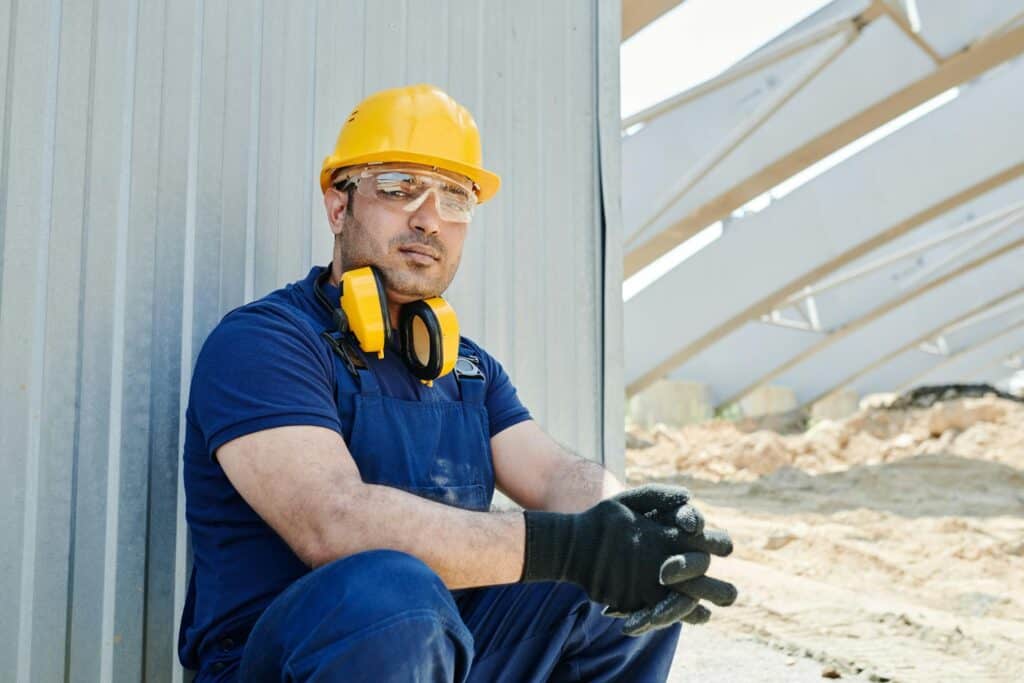
Construction work demands physical strength, mental alertness, and split-second decision-making. Yet many workers in this field operate on dangerously little sleep, creating conditions that can lead to serious injuries or death. When someone climbs scaffolding, operates heavy machinery, or works alongside moving equipment while exhausted, the consequences can be devastating.
Sleep deprivation in construction isn't just about feeling tired. It fundamentally changes how the brain processes information, how quickly the body reacts to danger, and how well workers can coordinate their movements. For an industry already facing significant hazards, adding exhaustion into the mix creates a perfect storm for accidents.
Injured in a New York Construction Accident?
CONTACT USOur Recent Case Results
Settlement
Jury Verdict
Settlement
Settlement
The reality is that construction schedules often conflict with basic human sleep needs. Early morning start times, long shifts, and physically demanding work leave many workers unable to get adequate rest. When an accident happens because someone was too tired to react in time, questions arise about who bears responsibility and what legal options exist for injured workers.
How Sleep Deprivation Affects the Body and Mind
When construction workers don't get enough sleep, their bodies and brains stop functioning at full capacity. This isn't about willpower or toughness. Sleep deprivation creates measurable changes in cognitive function that directly impact workplace safety.
The brain's ability to process information slows down significantly with insufficient sleep. Workers may take longer to recognize hazards, misinterpret signals from coworkers, or make poor judgments about whether a task is safe to perform. Concentration becomes difficult to maintain, especially during repetitive tasks where attention might naturally wander. These cognitive impairments mirror the effects of alcohol intoxication in some studies, yet workers experiencing them may not realize how compromised their abilities have become.
Physical coordination suffers as well. The connection between brain signals and muscle responses becomes less precise, affecting everything from maintaining balance on elevated surfaces to operating controls on machinery. Reaction times slow, meaning a worker might not pull their hand back quickly enough when something goes wrong or fail to step out of the way of falling materials in time.
Research examining construction workers shows that prolonged heat exposure, which often accompanies sleep disturbances through dehydration and elevated stress hormones, causes cognitive fatigue, irritability, and impaired concentration. These factors compound each other. A worker who couldn't sleep well because of heat stress arrives at the jobsite already compromised, then faces another day of high temperatures that further degrade their mental and physical performance.
Construction workers report a near-universal experience with symptoms that include dizziness, headaches, and difficulty focusing. While these symptoms stem from multiple sources including heat-related illnesses, sleep deprivation makes workers more vulnerable to developing them and less capable of recognizing warning signs before a serious problem develops.
The Connection Between Exhaustion and Construction Site Injuries
The link between being tired and getting hurt on a construction site isn't theoretical. Studies examining productivity and safety in construction consistently show that exhausted workers face substantially higher injury risks.
Data shows that up to 60 percent of construction workers experience major productivity declines when working in high temperatures, particularly when the Wet Bulb Globe Temperature exceeds 28 degrees Celsius or ambient temperatures rise above 35 degrees Celsius. Sleep deprivation intersects with these environmental stressors to heighten vulnerability. A worker who is both exhausted and working in heat faces compounded risks that exceed what either factor would create alone.
Certain groups face even greater danger. Workers over 38 years old show a 61 percent risk of productivity decline under these conditions, while teams that include female workers demonstrate 26 percent greater output reduction. These statistics matter because reduced productivity often means workers are struggling physically and mentally, increasing the likelihood of mistakes that lead to injuries.
The construction industry consistently reports high rates of heat-related illnesses alongside agriculture and mining. Young male workers under 35 in labor-intensive sectors face particularly elevated injury odds. In 2023, construction fatalities in the United States totaled 1,075 deaths according to data from the Bureau of Labor Statistics. While these deaths stem from various causes, the role of fatigue and exhaustion in many construction accidents cannot be ignored.
Sleep deprivation amplifies risks across different types of construction incidents. A worker operating a crane while exhausted may misjudge distances or fail to notice someone in the swing path. Someone working at height with compromised balance and slower reaction times faces greater fall risk. Exhausted workers using power tools may not react quickly enough when something binds or kicks back.
The injuries resulting from these accidents range from severe to fatal. Falls from scaffolding or roofs, being struck by equipment or falling objects, electrocutions, and getting caught in or between machinery all happen more readily when workers cannot think clearly or react quickly enough to protect themselves.
Why Construction Workers Don't Get Enough Sleep
Understanding why sleep deprivation is so common in construction helps explain why these accidents keep happening. The problem isn't that workers don't want to sleep. Multiple factors built into how construction work is structured make adequate rest difficult to achieve.
Construction schedules often start early, with many jobsites requiring workers to arrive by 7 a.m. or earlier. For workers who live far from the site or need to pick up materials before starting, this might mean waking at 4 or 5 a.m. Maintaining this schedule requires going to bed very early, which conflicts with family responsibilities, second jobs, or simply the natural rhythms that make falling asleep at 8 p.m. difficult for many people.
Long shifts compound the problem. Ten or twelve-hour days are common in construction, especially when projects face deadlines. After working all day in physically demanding conditions, workers need time to eat, handle personal responsibilities, and decompress before sleeping. This leaves insufficient hours for the seven to nine hours of sleep that adults need for proper functioning.
Physical discomfort from the work itself can interfere with sleep quality. Sore muscles, joint pain, and work-related injuries make it harder to fall asleep and stay asleep. About 14 percent of construction workers experience occupational hearing loss according to CDC data, and the constant noise exposure that causes this damage can also disrupt sleep patterns and quality.
Environmental factors play a significant role as well. Construction workers frequently labor in extreme heat, which causes dehydration and elevates stress hormones in ways that disturb sleep even hours after leaving the jobsite. Workers may continue sweating and feeling overheated well into the evening, making restful sleep elusive.
Economic pressures push many construction workers to sacrifice sleep. Taking on overtime, working multiple jobs, or traveling long distances to better-paying sites all cut into available sleep time. Workers may feel they have no choice but to push through exhaustion when missing work means not making rent or providing for their families.
The culture in construction can also discourage workers from admitting fatigue or asking for accommodations. Toughness is valued, and workers may fear being seen as weak or unreliable if they express concerns about being too tired to work safely. This creates situations where dangerously exhausted workers show up and try to push through rather than acknowledging their impairment.
Can You Sue for Injuries Caused by Sleep Deprivation on Construction Sites
When a construction worker gets injured in an accident where exhaustion played a role, questions about legal liability and potential compensation naturally arise. The answer depends on multiple factors, including employment status, what caused the sleep deprivation, and whether employer negligence contributed to the conditions that led to the injury.
Most construction workers in New York are covered by workers' compensation insurance, which provides benefits for work-related injuries regardless of fault. This means an injured worker can typically receive medical treatment and partial wage replacement without having to prove their employer did anything wrong. Workers' compensation operates as a no-fault system designed to help injured workers while protecting employers from most lawsuits.
However, workers' compensation isn't always the only option. In certain circumstances, injured construction workers may have grounds to file a lawsuit beyond the workers' compensation system. These situations generally involve third parties whose negligence contributed to the accident, or specific violations of safety laws that create additional liability.
New York Labor Law provides special protections for construction workers that go beyond standard workers' compensation. Sections 240 and 241 of the Labor Law impose strict liability on property owners and general contractors for certain types of construction accidents, particularly those involving falls from heights or falling objects. If a worker falls from scaffolding because they were too exhausted to maintain their balance, and the scaffolding also lacked proper safety features required by law, the worker might have a claim under Labor Law 240 even though their exhaustion contributed to the fall.
Third-party liability represents another potential avenue for legal action. If a worker is injured because of defective equipment, they might sue the equipment manufacturer. If a subcontractor's negligence creates dangerous conditions that lead to injury, the injured worker might have a claim against that subcontractor even if they work for a different company on the same site.
The question of employer responsibility for sleep deprivation itself is complex. Employers have a general duty under federal OSHA regulations to provide a workplace free from recognized hazards that are causing or likely to cause death or serious physical harm. Requiring or permitting workers to labor in conditions of severe exhaustion could potentially violate this general duty clause, similar to how trucking companies can be held liable when they push drivers to work beyond hours-of-service regulations.
Proving that an employer's policies or demands directly caused dangerous levels of sleep deprivation requires documentation and evidence. This might include work schedules showing excessive hours, communications pressuring workers to work despite fatigue, or patterns of scheduling that make adequate rest impossible. If an employer knew or should have known that workers were dangerously exhausted but took no action to address the problem, this could support claims of negligence.
The absence of federal mandates for rest breaks or specific limits on construction work hours makes these cases more challenging. Unlike trucking, where clear hours-of-service rules exist, construction lacks similar nationwide standards. Some states have moved to remove even basic protections, with recent removals of mandatory water breaks in parts of the Southern United States highlighting how policy gaps leave workers vulnerable.
New York doesn't have construction-specific laws mandating rest periods or limiting consecutive work hours in ways that would prevent sleep deprivation. This means injured workers often need to rely on more general negligence principles or the specific protections of Labor Law 240 and 241 rather than pointing to violated rest-period requirements.
What Employers Should Do to Prevent Exhaustion-Related Accidents
While legal standards may be unclear, the practical steps that construction companies can take to reduce exhaustion-related accidents are well-established. Employers who implement these measures not only protect their workers but also reduce their own liability exposure.
Reasonable scheduling represents the most fundamental intervention. Limiting shift lengths, providing adequate time between shifts, and avoiding patterns that require extremely early start times after late finishes all help workers get sufficient sleep. Some construction companies have found that slightly later start times and better schedule predictability improve both safety and productivity.
Creating a workplace culture where workers feel comfortable reporting fatigue without fear of retaliation is essential. When workers know they can tell a supervisor they're too tired to safely perform a task without losing their job or being seen as weak, they're more likely to speak up before an accident happens. This requires training supervisors to take fatigue complaints seriously and to have contingency plans for reassigning exhausted workers to less hazardous tasks.
Environmental controls make a significant difference, particularly regarding heat exposure. Providing adequate water, shade, and cooling breaks doesn't just prevent heat illness. It also reduces the sleep disruption that heat stress causes, helping workers rest better during their off hours. Proper hydration support and heat illness prevention programs protect workers both during their shifts and in their ability to recover afterward.
Educating workers about sleep hygiene and the serious safety implications of exhaustion helps them make better decisions about their rest. Many workers don't realize how significantly sleep deprivation impairs their abilities or may not know strategies for improving sleep quality despite challenging schedules and physical demands.
Monitoring for signs of dangerous fatigue should be part of regular safety oversight. Supervisors trained to recognize indicators like slowed movement, difficulty concentrating, irritability, or near-misses can intervene before exhaustion leads to serious injury. This requires creating systems where supervisors have the authority and resources to pull exhausted workers from dangerous tasks.
When to Contact an Attorney After a Construction Accident
Not every construction injury requires hiring an attorney, but certain situations benefit significantly from legal guidance, particularly when exhaustion contributed to the accident.
If injuries are severe, involving hospitalization, surgery, permanent disability, or extended time away from work, consulting with an attorney makes sense. These cases involve substantial medical expenses and lost wages that exceed what workers' compensation might fully cover, especially if third-party liability or Labor Law claims apply.
When an employer disputes a workers' compensation claim or when benefits are denied, legal representation becomes important. Insurance companies sometimes argue that injuries didn't happen at work or weren't as serious as claimed. An attorney can help gather evidence and present the case effectively.
If the accident involved violations of safety regulations, particularly the scaffolding and fall protection requirements under Labor Law 240 or the safety standards under Labor Law 241, speaking with an attorney is advisable. These laws create additional rights beyond workers' compensation, but pursuing these claims requires understanding complex legal standards and procedures.
When multiple parties might share responsibility for the accident, legal guidance helps identify all potential sources of compensation. A worker injured because of both their own exhaustion and a general contractor's failure to provide proper fall protection might have claims against multiple parties, but recognizing and pursuing all these claims requires legal knowledge.
Situations where an employer pressured workers to continue despite obvious exhaustion or created schedules that made adequate rest impossible might support negligence claims beyond standard workers' compensation. An attorney can evaluate whether the specific facts of a case support additional legal theories.
The time to contact an attorney is soon after the accident, not months later when deadlines may have passed. New York has specific time limits for filing different types of claims. Workers' compensation claims must be filed within two years of the accident in most cases. Personal injury lawsuits generally must be filed within three years, but Labor Law claims against property owners or contractors have different procedural requirements that need prompt attention.
Initial consultations with personal injury attorneys are typically free, allowing injured workers to understand their options without financial risk. During this consultation, an attorney can review the facts of the accident, explain what types of claims might apply, and provide guidance on the best path forward.

Looking to File a Third-Party Suit for a Wrokplace Injury?
Get a free case evaluation form our experienced personal injury attorneys and know your next best options.
Summing It Up
Sleep deprivation creates real and serious dangers for construction workers. When exhaustion impairs cognitive function, slows reaction times, and compromises physical coordination, accidents that cause severe injuries or death become far more likely. The construction industry's demanding schedules, early start times, long shifts, and challenging work conditions make adequate rest difficult for many workers to achieve.
The consequences of exhaustion-related accidents extend beyond the immediate injury. Workers face medical treatment, lost wages, potential permanent disability, and the challenge of supporting themselves and their families during recovery. Understanding the legal options available after these accidents is an important part of protecting your rights and securing the compensation needed to move forward.
Whether through workers' compensation, Labor Law claims, or third-party liability lawsuits, injured construction workers have legal avenues for obtaining compensation. The specific options depend on the details of each case, including what caused the accident, who was involved, and what safety violations might have occurred.
If you or someone you care about was injured in a construction accident where exhaustion played a role, seeking legal guidance can help clarify your options and protect your rights. The combination of physical demands, inadequate rest, and workplace hazards that many construction workers face shouldn't leave injured workers without recourse when accidents happen.


