


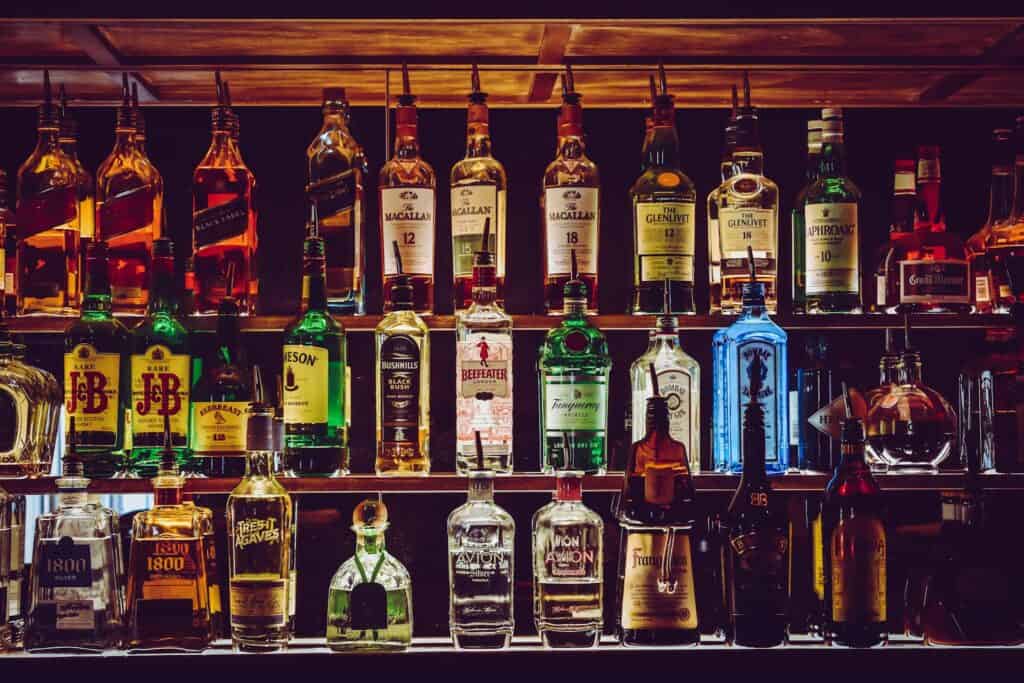
If you were hurt by a drunk driver, or lost someone because of one, you may have already gone through the process of understanding what happened and who was responsible. The driver who caused the crash is the obvious answer. But in New York, there may be another party who shares legal responsibility: the bar, restaurant, or person who kept serving that driver alcohol even when they were visibly intoxicated. That legal theory is called dram shop liability, and it exists specifically to hold alcohol providers accountable when their illegal service contributes to someone getting hurt.
Hurt by a Drunk Driver?
CONTACT USOur Recent Case Results
Settlement
Jury Verdict
Settlement
Settlement
This is not a fringe legal concept. According to the NHTSA, 12,429 people were killed in alcohol-impaired driving crashes in the United States in 2023 alone, accounting for about 30% of all motor vehicle fatalities. New York law recognized decades ago that bars and restaurants are not bystanders in those tragedies when they knowingly pour drinks for someone who is already drunk or clearly underage. The laws that govern these claims are found in New York's General Obligations Law, and understanding them can make a real difference in whether you recover full compensation for what happened to you.
Quick Checklist: Do You Have the Basics of a Dram Shop Claim?
Before diving into the full breakdown, use this checklist to get an initial sense of whether your situation may qualify. You do not need every single box checked, but the more of these that apply, the stronger your potential claim tends to be.
- The person who injured you was drunk or alcohol-impaired at the time of the incident (confirmed by a police report, breathalyzer result, or criminal charges)
- That person had been drinking at a bar, restaurant, club, liquor store, or social event shortly before the crash or incident
- There is reason to believe they were visibly intoxicated when they were served (witnesses noticed slurred speech, stumbling, aggressive behavior, or other obvious signs)
- OR the person who was served was under 21 years old, and the seller or host knew or should have known their age
- The illegal service of alcohol contributed to their intoxication, which then directly caused your injuries or a loved one's death
- You are still within the legal time limit to file a claim (generally three years from the date of the injury in New York)
If several of these apply to your situation, it is worth speaking with an attorney about whether a dram shop claim should be part of your case.
What Is a Dram Shop Law and Why Does It Matter?
The term "dram shop" is old-fashioned slang for a bar or tavern, but the legal concept is very much alive and active in New York. A dram shop law creates civil liability for an alcohol seller or provider when their illegal service of alcohol leads to someone getting hurt. In simpler terms, if a bar serves a drunk person more alcohol and that person later drives into your car, the bar may owe you compensation alongside the driver.
New York has two main statutes that cover this:
- General Obligations Law Section 11-101 applies to commercial vendors like bars, restaurants, nightclubs, and liquor stores.
- Section 11-100 applies more broadly to situations involving minors under 21, and uniquely, it can even cover social hosts, not just businesses.
These two laws work differently and cover different situations, but both exist for the same reason: to make sure victims have more than one avenue for accountability when alcohol is at the center of their injury.
Understanding which statute applies to your situation matters because the rules and the potential defendants are different. A bar that served a visibly drunk adult falls under one law. A parent who let teenagers drink at a house party and one of them later injured someone falls under the other. Both situations can give rise to a legitimate legal claim in New York.
Who Can Actually Be Sued Under New York's Dram Shop Laws?
Under Section 11-101, the defendants are almost always commercial sellers. Think bars, restaurants, nightclubs, stadiums, event venues, and any other business licensed to sell alcohol for profit. The key requirement is that there was an actual sale of alcohol, and that sale was illegal because the buyer was either visibly intoxicated at the time or was under 21. If a bartender kept pouring drinks for someone who was clearly slurring their words and knocking things over, that qualifies as an illegal sale under the Alcoholic Beverage Control Law.
Section 11-100 casts a wider net when minors are involved. Under that statute, any person who knowingly furnishes alcohol to someone under 21 or helps them obtain it can be held liable. This could be a bar that failed to check ID, but it could also be an adult at a house party who handed a 17-year-old a drink knowing their age. The commercial vs. non-commercial distinction disappears when the injured person is a minor.
One important limitation to understand is that dram shop recovery in New York is generally reserved for third-party victims, not the intoxicated person themselves. If someone drinks too much, gets into an accident, and injures themselves, they typically cannot sue the bar for their own injuries under Section 11-101. These laws were designed to protect the sober people who got hurt through no fault of their own, such as the pedestrian hit by a drunk driver, the family in another car, or the victim of a violent incident at a bar.
What Do You Actually Have to Prove?
Walking into a dram shop case requires more than showing that someone was drunk when they hurt you. There are specific elements that must be proven to establish liability, and each one matters.
The first is that the alcohol was served illegally. For commercial vendors, the most common basis is that they served someone who was visibly intoxicated. "Visibly intoxicated" does not have a rigid legal definition, but courts look at observable signs: slurred speech, unsteady walking, bloodshot eyes, loud or erratic behavior, or the inability to carry on a normal conversation. If surveillance footage from a bar shows someone stumbling to the bathroom and back to the bar where they are handed another drink, that is powerful evidence of illegal service.
The second element is causation. The illegal service has to be connected to the intoxication that caused your injuries. Imagine a bar serves a man three drinks over the course of two hours, he leaves and drives home completely fine, but then a separate driver hits your car. The bar would not be liable in that scenario. But if that same man was visibly drunk when the bar handed him his last drink and he drove away and hit your car ten minutes later, the connection is much easier to establish. The chain from illegal service, to intoxication, to the harm you suffered needs to be clear.
The third element is actual damages. These laws require real, concrete harm: physical injuries, medical bills, lost wages, property damage, or in the worst cases, wrongful death. Dram shop cases are not about symbolic accountability. They are about making sure victims are compensated for what they actually lost.
What Evidence Helps Build a Dram Shop Case?
The most critical pieces include police and accident reports that document the driver's blood alcohol level, any charges filed related to drunk driving, and witness statements from the scene. These documents establish that the person who hurt you was in fact impaired.
From there, the investigation moves backward in time to where they were drinking. Bar receipts, credit card records, surveillance footage, and testimony from staff or other patrons can show how much was served, over how long, and what condition the person appeared to be in. A bartender who served six drinks to someone in an hour and a half is in a very different position than one who served two drinks over a full evening. The timeline and the visible condition of the patron matter enormously.
If the case involves a minor, the documentation looks somewhat different. Evidence of the minor's age being knowable, whether through an ID that should have raised red flags, the person's obvious appearance, or testimony from others present, becomes essential. Text messages, social media posts, or photos from the event can sometimes establish that the setting and the minor's presence were known to the person providing alcohol.
What If the Person Who Hurt You Was Under 21?
When the intoxicated person is under 21, the law actually opens more doors for the victim. Section 11-100 applies whether the alcohol came from a commercial establishment or a private setting. Say a 19-year-old was drinking at a house party where an adult knowingly provided alcohol, then got behind the wheel and caused a serious crash. The injured party can potentially pursue a claim against that adult host under Section 11-100, even though no money changed hands and it was not a business.
The threshold for liability here is that the provider knew or had reasonable cause to believe the person was under 21. A bar that fails to check ID when the person clearly looks like a teenager is in a much harder legal position than one that was shown a convincing fake ID by someone who looked their age. The more obvious the minor's age, the stronger the case for liability.
This matters practically because minors, and teenagers specifically, are often served in settings that are not traditional bars. Parties, college events, family gatherings, or other informal settings are covered by Section 11-100 in a way they simply would not be under Section 11-101. If someone under 21 hurt you or someone you love after being knowingly served alcohol, the path to a dram shop claim may be wider than you think.
How Long Do You Have to File?
Time is one of the most important practical considerations in any personal injury case, and dram shop claims are no exception. In New York, these claims are generally subject to the standard personal injury statute of limitations, which is three years from the date of the injury. That may sound like a long time, but the investigation required to build a strong case means that waiting is never a good idea. Surveillance footage gets overwritten. Witnesses move on and forget details. Paper records may not be preserved indefinitely.
There is also a complicating factor if any of the defendants is a government or municipal entity. If the incident happened at a city-owned venue, a publicly operated concession stand, or a similar government-connected establishment, the rules change. Shorter notice-of-claim deadlines, sometimes as little as 90 days, may apply. Missing those early deadlines can cost you the ability to pursue the claim at all, regardless of how strong your case is otherwise.
How a Dram Shop Claim Works Alongside Your Other Claims
A dram shop claim almost never stands alone. In a drunk driving accident, for example, the typical approach is to pursue claims against both the driver and the alcohol provider at the same time. The driver is liable under ordinary negligence for operating a vehicle while impaired. The bar or host may be liable under the dram shop statutes for their illegal service. Pursuing both allows the victim to access multiple sources of insurance and accountability.
This matters because drunk drivers often do not carry enough insurance to cover the full extent of a serious injury. A bar or restaurant, on the other hand, typically carries commercial general liability insurance and liquor liability coverage with higher policy limits. Adding a dram shop claim to the case can be the difference between a victim receiving partial compensation and being fully made whole after a devastating injury.
Working with an attorney experienced in these claims is critical precisely because the evidence-gathering is different and the legal standards are specific. Knowing which statute applies, how to document illegal service, and how to tie the chain of causation together is work that requires legal knowledge and early action.

Get a Free Case Review
Learn about all your legal options and what damages you can recover from an experienced personal injury attorney.
Summing It Up
Dram shop liability exists because New York law recognizes that the person who poured the drinks and the person who drove the car are not always completely separate stories. When a bar, restaurant, or individual illegally serves alcohol to someone who is already visibly drunk or knowingly provides alcohol to a minor, and that person then causes serious harm, the law gives victims a way to hold that provider accountable alongside the person who actually caused the crash or incident.
If you were injured, or if you lost someone because of a drunk or impaired driver, it is worth asking not just who was driving, but where they had been drinking and whether that service was legal. Those questions, combined with the right documentation and the right legal support, may open a path to more complete compensation than you realized was available.
The Porter Law Group has experience handling complex personal injury cases in New York, including claims where dram shop liability is part of the picture. If you think your situation may qualify, reaching out for a consultation is a strong first step. Reach out to us today. Fill out our online form, or call 833-PORTER9. You can also email info@porterlawteam.com to schedule your free consultation.


