


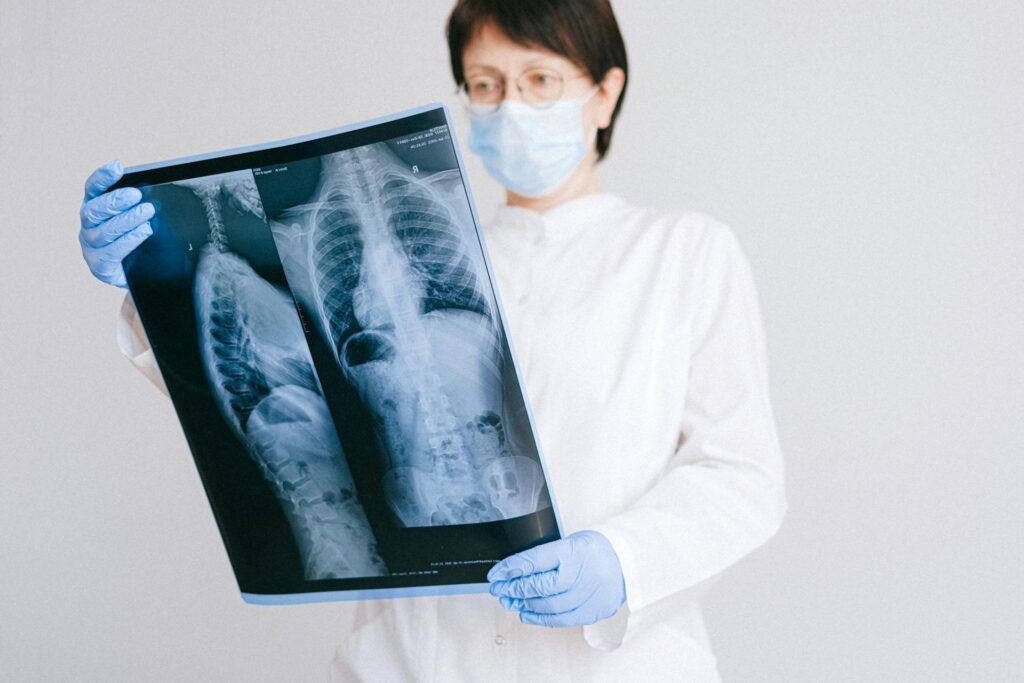
Radiology is one of those specialties most people don't think about until something goes wrong. You get the scan, your doctor reviews the results, and you move forward with treatment, or so the process is supposed to go. But when a radiologist misses a tumor on a CT scan, fails to flag a suspicious lesion on a mammogram, or simply never communicates a critical finding to your treating physician, the consequences can be devastating. A delayed cancer diagnosis. A fracture that was missed and worsened. A pregnancy complication that went undetected. These aren't hypotheticals; they're the kinds of errors that drive radiology malpractice cases every day.
Condition Worsened Because a Radiologist Failed to Report Your Results Properly?
CONTACT USOur Recent Case Results
Settlement
Jury Verdict
Settlement
Settlement
A Quick Self-Assessment Before You Read Further
Before diving in, here's a general checklist to orient yourself. If you're checking multiple boxes, it's worth reading carefully and considering a consultation with a malpractice attorney.
- [ ] A radiologist or imaging professional was involved in your care (reading your scan, performing an ultrasound, or conducting an image-guided procedure)
- [ ] You later learned that something significant was visible on your imaging but was not reported or flagged at the time
- [ ] A later doctor, specialist, or second opinion revealed an abnormality that should have been caught earlier
- [ ] You experienced a worsened health outcome, such as advanced cancer, delayed treatment, additional surgery, or a missed diagnosis that progressed
- [ ] Critical findings were not communicated to your treating physician in a timely manner
- [ ] You are within 2.5 years of when the malpractice occurred, or within 7 years if it involved a failure to diagnose cancer (more on this below)
What Does Radiology Malpractice Actually Mean?
Medical malpractice is a form of professional negligence. In New York, a malpractice claim generally requires proving two core things: that the provider departed from the accepted standard of care, and that this departure directly caused your injuries. Neither alone is enough; both must be present.
Radiology malpractice specifically refers to errors made by radiologists (the physicians who interpret imaging) or radiologic technologists (the professionals who operate imaging equipment). These errors most commonly involve misreading or failing to detect abnormalities on X-rays, CT scans, MRIs, PET scans, or ultrasounds. But they can also involve failures in communication, documentation, or follow-up.
It's important to understand that not every error is malpractice. Radiology is a demanding and high-volume field, and some diagnostic uncertainty is inherent. What crosses into malpractice is when the error falls below what a reasonably competent radiologist would have done under similar circumstances. If a lesion was visible, documented elsewhere, and consistent with a known pattern, and a radiologist simply missed it, that's a very different situation than a genuinely ambiguous finding.
What Are the Most Common Ways Radiology Errors Happen?
Is a Missed Diagnosis the Most Common Form of Radiology Malpractice?
Yes, by a wide margin. Research shows that failure to diagnose, meaning missing or misinterpreting abnormalities on imaging, accounts for roughly 40 to 54 percent of radiology-related malpractice claims. When you look specifically at diagnostic allegations, approximately 75 percent of all malpractice claims against radiologists stem from diagnostic errors. These numbers reflect just how central the act of interpretation is to a radiologist's duty of care.
Cancer imaging is where this problem shows up most seriously. A 10-year analysis of oncologic radiology malpractice claims found that breast cancer, lung cancer, and gastrointestinal cancers were the most frequently misdiagnosed malignancies, with imaging misinterpretation contributing to about 80 percent of those cases. High-severity harm, meaning significant injury, disability, or death, occurred in 79 percent of oncologic radiology malpractice cases with diagnostic allegations, compared to 42 percent in non-oncologic cases. These are not minor clerical errors. When a radiologist misses a breast lesion on a mammogram and it isn't caught for another 18 months, the difference in prognosis can be the difference between Stage I and Stage III.
What Happens When Critical Findings Are Never Communicated?
Even when a radiologist identifies something concerning, the work isn't done. The finding has to get to the right person, in the right form, at the right time. Communication failures are a distinct and serious category of radiology error.
Consider this scenario: a patient undergoes an MRI for headaches, and the radiologist notices what appears to be an aneurysm. That finding is flagged in the report, but the report never makes it to the treating physician. The images were removed from the department before interpretation was complete, or the report was sent to the wrong provider. Weeks pass. The patient has no idea. When the aneurysm ruptures, it's not because the radiologist failed to see it; it's because the system failed to communicate it. New York courts have recognized that the radiologist's responsibility doesn't end with the interpretation, and that critical findings require direct, timely communication.
There's also the issue of laterality errors (getting right versus left mixed up), wrong patient scans, and incomplete documentation, all of which have appeared in malpractice litigation.
What About Delayed Follow-Up After an Imaging Study?
This is an area that's often overlooked, but it matters a great deal. Sometimes a radiologist identifies something that warrants follow-up imaging, such as a "probably benign" finding that should be rescanned in six months, but that recommendation gets buried in the report, never reaches the patient, and is never acted on. Months or years later, what was a small, watchable lesion has grown into something serious.
New York appellate courts have addressed this directly. In cases where radiologists assumed an expanded role, such as arranging or recommending follow-up, courts found that failing to actually carry through with that duty could form the basis of liability. In other words, if you tell the patient (or take steps that imply) follow-up will happen, you're now on the hook for making sure it does.
Are Obstetric and Prenatal Ultrasounds a Source of Radiology Malpractice?
They are, and this is an area where the consequences can be especially painful. OB-GYN ultrasounds are frequently involved in malpractice litigation, particularly involving missed fetal abnormalities or incomplete studies. When a full anatomic survey ultrasound is indicated and the technologist or radiologist performs an inadequate study, fails to detect a significant anomaly, or fails to refer the patient for a more detailed targeted ultrasound, the legal exposure can be serious. Misreporting fetal dating, failing to document findings, and poor communication of results are recurring issues in this area of litigation.
How Do You Know if the Standard of Care Was Breached?
This is where most people get stuck, because the honest answer is: you probably can't know for certain without an expert review. The standard of care in radiology is defined by what a reasonably skilled radiologist, in similar circumstances, would have done. Establishing a departure from that standard almost always requires another radiologist to review the imaging and render an opinion.
That said, there are signals that suggest something may have gone wrong. If a subsequent radiologist, oncologist, or specialist tells you that an abnormality was clearly visible on earlier imaging, especially if they use language like "this was there on the prior study," that's a significant red flag. If your imaging was incomplete for what your condition required, if findings weren't documented, or if you were never told about recommended follow-up, those are also warning signs worth investigating.
One practical step you can take right now is requesting your records. The records that matter most in radiology malpractice cases include the original imaging (the actual films or digital images, not just reports), the radiology report itself, any follow-up recommendations in those reports, your treating physician's notes referencing the imaging, and any correspondence or orders related to follow-up imaging or referrals. Having these in hand before you consult an attorney will make that conversation much more productive.
What Are the Time Limits for Filing a Claim in New York?
How Long Do You Have to Sue for Radiology Malpractice?
In most radiology malpractice cases, New York's statute of limitations gives you two and a half years from the date of the malpractice or from the end of continuous treatment for the same condition. That window can close faster than people expect, especially when the connection between an imaging error and a worsened health outcome only becomes clear months later.
There is an important exception for cancer cases. Under what's sometimes called Lavern's Law, if your claim is based on a radiologist's negligent failure to diagnose cancer or a malignant tumor, you have two and a half years from the later of two dates: when you knew or reasonably should have known about the negligent act and the injury it caused, or the last date of continuous treatment for the same condition. However, even under this discovery-based rule, the claim must be filed no later than seven years from the date of the negligent act itself. So if a radiologist missed a lung cancer diagnosis in 2018 and you discovered it in 2024, you may still have a viable window, but it is closing.
The foreign object exception, which allows claims to be brought within one year of discovering an object left in the body, is less relevant in pure radiology contexts but worth knowing as part of the general malpractice framework.
Missing a filing deadline typically bars the claim entirely. These rules are technical enough that even attorneys who don't specialize in malpractice can get them wrong, which is one reason why consulting a New York malpractice attorney sooner rather than later is so important.
Does the Harm Have to Be Significant to File a Claim?
In a practical sense, yes. Even if a radiologist clearly deviated from the standard of care, a lawsuit requires actual, provable damages. A near-miss that was caught quickly and caused no lasting harm may not support a viable claim, even if the error itself was real.
The kinds of harm that typically support radiology malpractice cases include an advanced cancer stage or worse prognosis resulting from a delayed diagnosis, the need for more aggressive surgery or treatment because the condition progressed undetected, additional fractures or complications when injuries were missed on imaging, prolonged physical pain, significant medical bills, lost income, and long-term disability. Emotional distress tied to these outcomes can also be part of a damages claim in New York.
The reason this matters is that malpractice litigation is expensive and time-intensive for everyone involved, including attorneys who typically take these cases on contingency. The strength of a case depends not just on whether something went wrong, but on whether the harm caused by that error is significant enough to justify the process of proving it.
What Is the Difference Between Filing a Lawsuit and Filing a Complaint?
These are two separate paths, and they serve different purposes.
A civil malpractice lawsuit is how you seek financial compensation for the harm you suffered. It involves an attorney, typically a retained expert radiologist, and a legal process that can resolve through settlement or trial. This is the path for people who want accountability through damages.
A professional complaint, filed with the New York State Department of Health's Office of Professional Medical Conduct (OPMC), is a disciplinary route. OPMC investigates complaints against physicians and can impose sanctions, suspend licenses, or revoke them. New York also gives the public access to physician profiles that include malpractice settlements and disciplinary actions, so patients can check a provider's history before or after the fact. For radiologic technologists, separate licensing authorities handle misconduct complaints under New York's public health law. Filing a complaint with OPMC does not get you compensation, but it can be an important parallel step, especially if you believe a provider poses an ongoing risk to other patients.
You can pursue both paths at once. They are not mutually exclusive.
What Should You Do If You Suspect a Radiology Error?
Start by gathering your records. Get copies of all imaging (the actual files, not just reports), the radiology reports, follow-up recommendations, your doctor's notes referencing the imaging, and any records of scheduled or missed follow-up appointments. This documentation is the foundation of any future legal analysis.
Seek a second opinion from an independent radiologist or specialist who can review your prior imaging with fresh eyes. If they identify something that should have been caught earlier, document that conversation and get it in writing if possible. Talk with your treating physician about what happened and what it may mean for your treatment going forward.
Then consult a New York medical malpractice attorney. Most attorneys who handle these cases offer free initial consultations and work on contingency, meaning you pay nothing unless they recover money for you. The earlier you consult, the more time there is to investigate properly and meet any applicable deadlines. Given the complexity of radiology malpractice cases and the strict statute of limitations in New York, waiting is rarely in your interest.

Get a Free Case Review
Talk to our experienced medical malpractice attorneys, know your options, and then decide whether you want to work with us. No cost, no-obligation, confidential.
Summing It Up
Radiology errors are more common than most people realize, and the consequences, especially in cancer cases, can be severe. The legal framework for pursuing a claim in New York requires proving that a radiologist or technologist owed you a duty of care, that they departed from the accepted standard, and that this departure caused you real, measurable harm. Time limits are strict, with a general 2.5-year window and a discovery-based exception for missed cancer diagnoses capped at seven years from the negligent act.
If you believe a missed read, a communication failure, or a lack of appropriate follow-up may have changed the course of your health, you deserve a real answer about your legal options. The Porter Law Group represents clients throughout New York in medical malpractice cases, including complex radiology claims. Reach out to us for a free consultation by filling out our online form. You can also call 833-PORTER9 or email info@porterlawteam.com to get started; there's no obligation, and your situation deserves more than a guess.


