
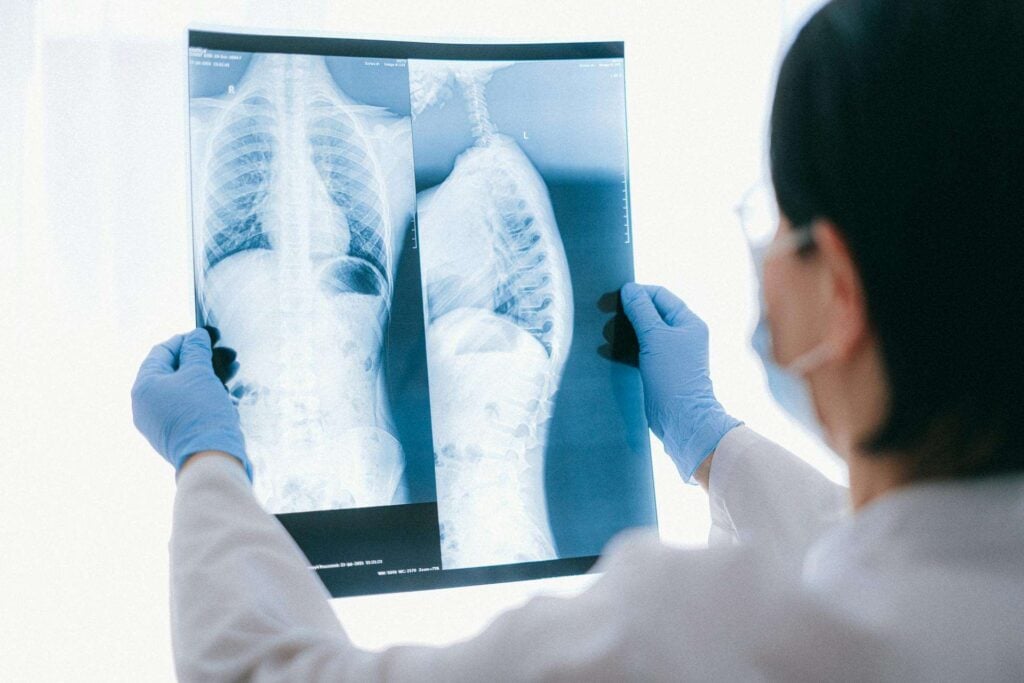

Mesothelioma is one of the most aggressive cancers a person can face, and it’s almost always linked to asbestos exposure that happened decades earlier.
When a doctor misses the diagnosis or mistakes it for something else, the consequences can be devastating.
The cancer continues to grow, treatment options narrow, and survival rates drop. For patients and families already dealing with the shock of a mesothelioma diagnosis, learning that it could have been caught earlier adds another layer of pain and frustration.
If you suspect your doctor missed or delayed your mesothelioma diagnosis, you’re probably wondering whether you have legal options. The short answer is yes
This article explains what happens medically when mesothelioma goes undiagnosed, how these errors occur, what the law says about suing for a missed diagnosis, and what steps you can take if you believe your case was mishandled.
Prior results do not guarantee a similar outcome.
Why Mesothelioma Is So Often Missed or Misdiagnosed
Mesothelioma is a rare cancer that develops in the thin tissue lining the lungs, abdomen, heart, or testicles. The overwhelming majority of cases are caused by breathing in or swallowing asbestos fibers, usually through workplace exposure.
What makes mesothelioma particularly dangerous is its extremely long latency period. Studies cited by the CDC show that the time between first asbestos exposure and diagnosis typically ranges from 11 to more than 40 years, with many cases appearing 32 to 40 years after exposure.
This means someone who worked with asbestos in their twenties might not develop symptoms until their sixties or seventies.
By the time symptoms appear, the disease is often already advanced. Early symptoms are frustratingly vague and easily mistaken for more common conditions.
Can You Sue When Your Doctor Missed Your Mesothelioma?
You can sue a doctor or hospital for missing a mesothelioma diagnosis, but not every missed diagnosis qualifies as medical malpractice.
The law distinguishes between unfortunate outcomes and negligent care. To have a valid malpractice claim, you need to prove several specific elements.
First, there must have been a doctor-patient relationship. You need to show that you were under the care of the doctor or medical facility, whether through office visits, emergency room encounters, hospital admissions, or other treatment settings. This is usually straightforward.
Second, you must prove that the doctor breached the duty of care by deviating from accepted medical standards.
Third, and critically, you must prove causation. It’s not enough that the diagnosis was wrong or late. You have to show that the delay actually worsened your condition or outcome.
This is where many potential malpractice cases fall apart. If the cancer was already so advanced that earlier diagnosis wouldn’t have changed the treatment options or prognosis, there may be no malpractice claim even if the doctor made errors.
Fourth, you must have suffered measurable damages. These can include additional medical treatment costs, lost wages and diminished earning capacity, pain and suffering, loss of enjoyment of life, and shortened life expectancy. If the patient has died, family members may be able to pursue wrongful death damages.
How New York’s Lavern’s Law Affects Mesothelioma Misdiagnosis Cases
Under New York Civil Practice Law and Rules Section 214-a, most medical malpractice actions must be filed within two years and six months of either the negligent act or omission, or the end of continuous treatment for the same condition. This is often called the statute of limitations, and it’s strictly enforced.
But Lavern’s Law created an important exception for cases involving the failure to diagnose cancer or a malignant tumor.
The law was named after Lavern Wilkinson, a New York woman who died of lung cancer after a radiologist failed to diagnose a mass visible on her chest X-ray. By the time she discovered the error, the standard statute of limitations had expired, and she couldn’t sue.
Under Lavern’s Law, when a medical malpractice claim is based on the negligent failure to diagnose cancer, the clock starts when you discovered, or reasonably should have discovered, the misdiagnosis and that it caused you injury.
From that discovery date, you have two years and six months to file your lawsuit.
There’s an outer limit of seven years from the date of the original negligent act, such as the misread scan. Even if you discover the error after seven years, you cannot sue.
It’s important to understand that Lavern’s Law applies specifically to medical malpractice claims for failure to diagnose cancer.
It doesn’t apply to all types of malpractice or other medical errors. It’s also separate from the statutes of limitations that govern asbestos exposure claims generally, which we’ll discuss in the next section.
What Damages Can You Recover in a Mesothelioma Misdiagnosis Lawsuit
If you prove that a doctor or hospital negligently failed to diagnose your mesothelioma and that the delay caused you harm, you may be entitled to several types of compensation.
Medical expenses are usually the most straightforward damages.
Lost earnings and diminished earning capacity are also recoverable.
Pain and suffering damages compensate you for the physical and emotional toll of advanced mesothelioma.
New York law also recognizes damages for loss of chance of survival or a better outcome. If the evidence shows that earlier diagnosis would have given you a substantially higher chance of longer survival or access to potentially curative treatments, you can recover damages for that lost opportunity.
This is true even if you can’t prove with absolute certainty that earlier diagnosis would have saved your life. The law recognizes that reducing someone’s chance of survival is a real injury.
If the patient dies from mesothelioma, family members can pursue wrongful death damages. These may include funeral and burial expenses, loss of financial support that the deceased would have provided, and loss of parental guidance, companionship, and comfort.
If you or a family member may have been harmed by a doctor's error in New York, the team at Porter Law Group can review the medical records and your options at no cost.
Summing It Up
When a doctor misses a mesothelioma diagnosis, the consequences can be catastrophic. The cancer continues to grow and spread while the patient believes they have a less serious condition or no condition at all.
By the time the correct diagnosis is made, treatment options are often limited, survival rates are lower, and the physical and emotional toll is far greater. For patients and families already dealing with the devastating reality of mesothelioma, learning that it could have been caught earlier compounds the tragedy.
Porter Law Group represents New York individuals and families affected by cancer misdiagnosis
If you’ve believe there was negligence on the doctor’s part we can help you understand what happened and what your options look like.