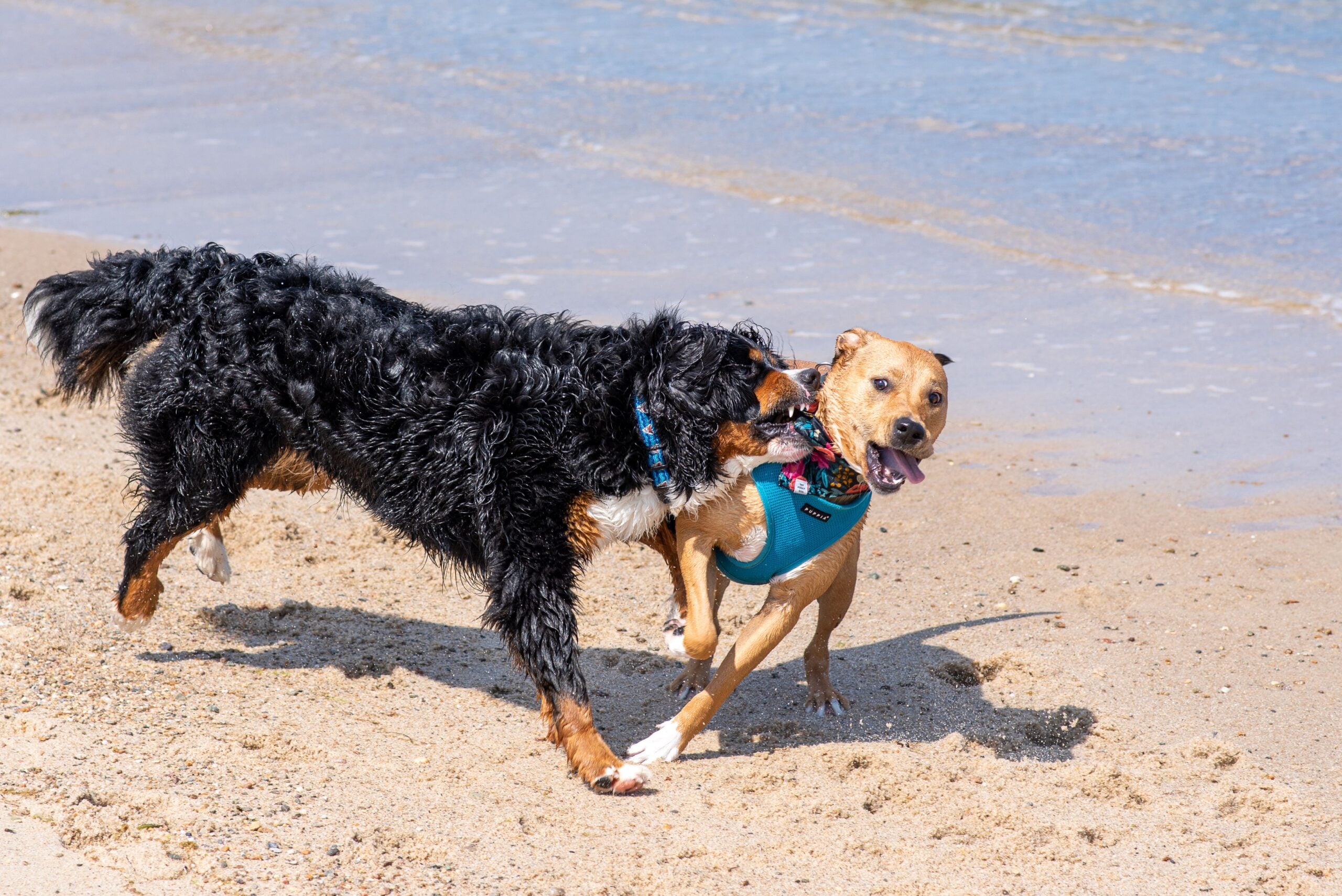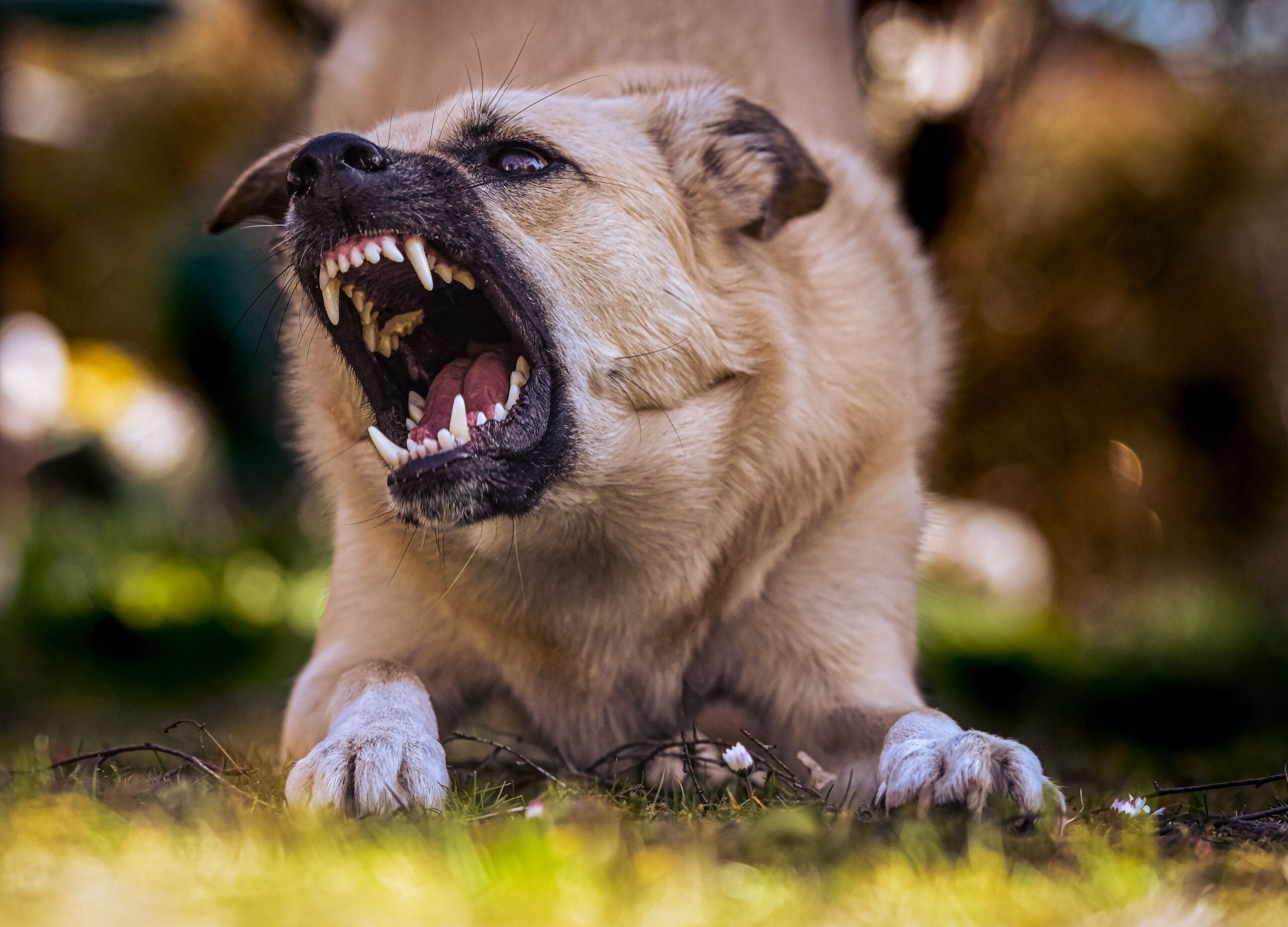
No state in the U.S. has a blanket law that requires euthanasia after a single bite.
The idea that one incident automatically means your dog will be destroyed is a myth, though it is an understandable one given how serious dog attacks can be.
What most states do have are “dangerous dog” statutes, which create a legal process to evaluate the dog, the circumstances of the bite, and the owner’s history.
According to Justia’s overview of dog bite law, states generally separate two distinct questions after a bite: who pays for the injury, which is a civil liability question, and what happens to the dog, which is handled through administrative or criminal “dangerous dog” proceedings.
These two tracks run independently of each other. Your dog could face a dangerous dog proceeding even if you are never sued, and you could be sued civilly even if the dangerous dog case goes nowhere.
Prior results do not guarantee a similar outcome.
What Happens in New York After a Dog Bite
After a bite, the injured person should wash the wound thoroughly and seek medical care. That part is straightforward.
What many people do not realize is that New York’s public health rules require animal bite exposures, including dog bites, to be reported to the local health officer as soon as possible under the State Sanitary Code.
In New York City specifically, the NYC Health Department instructs that dog bites be reported through 311 so officials can assess rabies risk and determine whether post-exposure vaccination is needed.
If the dog’s vaccination status is unknown or unclear, health authorities may order a quarantine or confinement period for the dog while rabies risk is being evaluated. This is a public health measure, not a punishment.
When Can a Court Order a Dog to Be Euthanized
Euthanasia is a last resort under New York law, not a default outcome. Agriculture and Markets Law § 123 allows a judge to order humane euthanasia of a dangerous dog only when specific aggravating circumstances are present.
Even then, courts retain discretion. A judge can choose to impose permanent strict confinement conditions instead of ordering euthanasia if the court believes the risk to the public can be adequately controlled.
As the New York State Bar Association notes, if a judge does order euthanasia, there is a 30-day appeal period during which the dog cannot be destroyed.
This gives owners an opportunity to challenge the ruling before it is carried out.
Does It Matter Whether the Bite Was on a Person or Another Dog
People frequently ask whether the same rules apply if their dog bites another dog rather than a person. The answer is largely yes, at least in New York.
Agriculture and Markets Law § 123 specifically covers attacks on people, service animals, and domestic animals.
A dog that attacks another dog can still face a dangerous dog complaint and hearing under the same process.
The severity of the attack on the other animal and the circumstances surrounding it will factor into how seriously authorities treat the complaint.
If your dog is involved in a dog-on-dog fight, it is worth documenting the context, especially if the other animal was the aggressor or if your dog was defending itself.
Provocation is a defense in these proceedings just as it is in human bite cases.
If My Dog Bites Me, Does It Have to Be Put Down
A dog that bites its own owner generally does not trigger the same kind of public safety concern that a dangerous dog proceeding is designed to address.
Health authorities may still want to verify the dog’s rabies vaccination status, and reporting requirements may still apply depending on how serious the injury is.
But the dangerous dog process under § 123 is initiated by a complaint, and it would be unusual for an owner to file a complaint against their own dog.
That said, if a family member or someone in your household was bitten and the injury required medical treatment, a medical provider may report the bite to public health authorities as a matter of course. In that case, the same framework applies.
Who Pays the Medical Bills After a Dog Bite in New York
New York follows what is sometimes called a “mixed” approach to civil liability for dog bites. Owners of a dog that has already been formally adjudicated dangerous are strictly liable for medical and veterinary costs if that dog bites again.
For owners of dogs without a prior dangerous dog finding, liability in a civil lawsuit typically requires showing that the owner knew or should have known the dog had vicious propensities.
This is sometimes called the “one bite” rule in casual conversation, though the name is a bit misleading since prior aggressive behavior, not just a prior bite, can establish that knowledge.
What this means practically is that even if your dog is never declared dangerous through the § 123 process, you could still face a civil lawsuit if the bite victim can show you knew your dog had a history of aggression.
How Does This Compare to Other States
New York’s approach is broadly consistent with how most states handle dog bite cases, though the specifics vary considerably.
As Justia’s national overview explains, most states use one of two frameworks for civil liability: strict liability, which holds owners automatically responsible for bite injuries regardless of any prior knowledge of aggression, and the traditional “one bite” rule, which requires proof that the owner knew or should have known about the dog’s dangerous tendencies.
For the question of what happens to the dog itself, virtually every state uses some form of dangerous dog statute that requires a judicial or administrative process before euthanasia can be ordered.
Texas, which appears in many searches on this topic, follows a similar structure. Texas has a dangerous dog statute that requires a formal finding before any restriction or euthanasia order can be issued, and a single bite does not create automatic liability or automatic consequences for the dog.
What You Should Do Right Now if Your Dog Bit Someone
For owners, cooperate with health and animal control authorities.
If a quarantine is ordered, comply with it.
Make sure your dog’s rabies vaccination records are accessible and current.
Document the circumstances of the bite as specifically as you can, including whether the other person provoked the dog, whether the bite occurred on your property, and whether the dog has any prior incidents on record.
For bite victims, the civil liability question is entirely separate from what happens to the dog.
If you sustained injuries that required medical care, lost time from work, or resulted in lasting harm, those are real damages that may support a personal injury claim.
Summing It Up
If your dog bites someone, it will not automatically be put down. New York law and U.S. law generally require a judicial process, a dangerous dog finding, and specific aggravating circumstances before euthanasia can ever be ordered.
For most single bites, especially those involving minor injuries and no history of aggression, the process is more likely to result in reporting, possible quarantine, and perhaps conditions on the dog’s future confinement than any order of destruction.
What does matter is how you respond in the hours and days after a bite.
If you were the one bitten, the civil question of who pays for your injuries is handled separately from the dangerous dog proceeding. The two tracks operate independently, and you should not assume that one affects the other.
If the bite resulted in serious injury, speaking with a personal injury attorney is worth your time.
Consultations are free, and the firm works on contingency, meaning no fees unless your case results in a recovery. Contact the firm here to discuss your situation.s in a recovery. Contact the firm here to talk through your situation.
Insurance companies may dispute liability or limit coverage after a dog bite incident. Speak with an experienced attorney to understand your options and maximize your potential recovery.
Frequently Asked Questions
Does a dog have to be euthanized if it bites someone?
No. Euthanasia is not automatic after a dog bite in New York or in any U.S. state. Under New York Agriculture and Markets Law § 123, a judge can only order euthanasia after a formal dangerous dog finding and only when specific aggravating circumstances are present, typically involving serious physical injury, death, or a repeat offense by a dog with a prior dangerous dog determination.
Do I have to put my dog down if he bites someone?
No, you are not required to euthanize your dog. That decision can only be made by a court after a formal hearing under New York Agriculture and Markets Law § 123. As the dog’s owner, you have the right to participate in that hearing, present evidence, and challenge the allegations. Even if the dog is found dangerous, a judge has many options besides euthanasia, including ordering secure confinement, mandatory muzzling, and other conditions designed to protect the public while keeping the dog alive.
Will my dog get put down if it bites another dog?
Potentially the same process applies. Agriculture and Markets Law § 123 covers attacks on people and domestic animals, so a bite on another dog can trigger a dangerous dog complaint and hearing. Whether authorities pursue that route will depend on how serious the attack was and the circumstances surrounding it. Provocation is a factor, and a dog defending itself from an aggressive animal may not be found dangerous. Document what happened as thoroughly as you can.
What happens immediately after a dog bite in New York?
After a bite, New York’s State Sanitary Code requires that animal bite exposures be reported to the local health officer. In New York City, the NYC Health Department instructs that bites be reported through 311. Health authorities may order a quarantine period for the dog to assess rabies risk, particularly if vaccination records are unavailable. If the bite is serious, a dangerous dog complaint may be filed under Agriculture and Markets Law § 123, triggering a hearing before a judge who will determine whether the dog should be classified as dangerous.
If my dog bites me, does it have to be put down?
Almost certainly not. A bite between a dog and its own owner does not typically trigger the same public safety concerns that a dangerous dog proceeding under § 123 is designed to address. Medical providers may still report the bite if treatment is required, and rabies vaccination verification may follow.
Who pays the medical bills after a dog bite in New York?
In New York, owners of dogs that have already been formally adjudicated dangerous are strictly liable for medical costs if their dog bites again. For owners without that prior finding, civil liability generally requires showing that the owner knew or should have known about the dog’s vicious propensities. This is sometimes called the “one bite” rule, though prior aggressive behavior, not just a prior bite, can establish that notice. Bite victims may have a civil personal injury claim separate from any dangerous dog proceeding.
Should I put my dog down if he bites?
That is a personal and veterinary decision, not a legal requirement. Courts cannot compel you to voluntarily euthanize your dog, and no law requires you to do so unless a judge issues such an order after a formal dangerous dog proceeding with aggravating circumstances.
Does a dog bite automatically mean the owner is liable in New York?
Not automatically. New York’s civil liability framework for dog bites depends on whether the dog had a prior dangerous dog finding. If it did, strict liability applies for medical costs on a subsequent bite. If it did not, proving liability typically requires evidence that the owner had prior knowledge of the dog’s aggressive tendencies.