
If your child was born with Erb's palsy after a difficult delivery, you may have the right to seek compensation for the injuries they suffered. In New York, most Erb's palsy cases must be filed before the child's 10th birthday, and any settlement on behalf of a child requires a judge's approval. Porter Law Group represents New York families whose children sustained preventable Erb's palsy injuries during delivery, and every consultation is completely free.
Settlement
Jury Verdict
Settlement
Settlement
Erb's palsy cases are complicated. The hospital or doctor's legal team will often argue that the injury happened naturally during labor, not because of anything the medical staff did wrong. Winning these cases requires attorneys who understand obstetric medicine, know how to read delivery room records, and work with the right medical experts to build a strong case.
Porter Law Group has recovered more than $500 million for seriously injured clients since 2009. The firm has handled multiple cases involving children with permanent birth-related disabilities, with several recoveries exceeding $8 million.
Led by Harvard-educated attorney Michael S. Porter, a former U.S. Army JAG Corps Captain with over 20 years of trial experience, the firm retains maternal-fetal medicine specialists, pediatric orthopedic surgeons, pediatric neurologists, hand and microsurgery specialists, and life care planners to document the mechanism of injury and the cost of a lifetime of therapy, orthotics, and reconstructive surgery.
"Erb's palsy cases are won or lost on the delivery-room documentation. What maneuvers were performed, in what order, how long each took, how much traction was applied, whether fundal pressure was used. The chart tells the story of whether the standard of care was followed or whether a physician panicked and pulled too hard. ACOG Practice Bulletin No. 178 is explicit that aggressive lateral traction on the fetal head is associated with brachial plexus injuries, and when a chart shows that practice, the case is very strong."
Michael S. Porter, J.D., Porter Law Group

Erb's palsy, sometimes called Erb-Duchenne palsy, is a weakness or paralysis of the arm caused by damage to a group of nerves in the shoulder area called the brachial plexus. These nerves run from the spinal cord through the neck and into the shoulder, arm, and hand, controlling movement and sensation throughout the upper limb.
The most common cause during childbirth is excessive pulling or stretching of the baby's head to one side while the shoulder is stuck against the mother's pelvic bone. This stretch damages the upper nerves (C5 and C6), which control the shoulder and elbow.
The classic sign of Erb's palsy is sometimes called the "waiter's tip" position: the affected arm hangs at the side, turned inward at the shoulder, with the elbow straightened and the wrist bent downward. The baby typically cannot lift the arm or bend the elbow, but can still move the hand and fingers because the lower nerves are unaffected.
According to medical research, Erb's palsy is the most common form of neonatal brachial plexus palsy, occurring in roughly 1.2 out of every 1,000 births.
There are several patterns of nerve injury at birth, and the differences matter for treatment and recovery:
| Injury Type | Nerves Affected | What It Looks Like |
| Classic Erb's palsy | C5 and C6 (upper nerves) | Arm hangs inward at the side; elbow straight; hand function intact |
| Extended Erb's palsy | C5, C6, and C7 | Same as above, plus difficulty extending the wrist and fingers |
| Klumpke palsy | C8 and T1 (lower nerves) | Weakness in the hand and forearm; may involve a drooping eyelid on one side |
| Total plexus palsy | C5 through T1 (all nerves) | Complete arm paralysis; most severe; often includes sensory loss |
The severity of the nerve damage itself also matters. Some injuries are a temporary stretch that heals fully in weeks. Others involve deeper nerve damage that takes months to recover, may require surgery, or in the most severe cases, may be permanent.
Most Erb's palsy injuries happen during a complication called shoulder dystocia, which is when the baby's shoulder becomes lodged behind the mother's pelvic bone after the head has been delivered. This is an obstetric emergency, and how the delivering physician responds in those moments is critical.
Medical guidelines from the American College of Obstetricians and Gynecologists (ACOG) lay out a specific sequence of steps for managing shoulder dystocia safely. The recommended approach is to:
When doctors skip steps, apply too much force, or fail to follow this sequence, the result can be permanent nerve damage that could have been avoided.
Factors that increase the risk of shoulder dystocia and Erb's palsy include a large baby (over 9.9 lbs), maternal diabetes, a prior difficult delivery, use of forceps or vacuum during delivery, prolonged pushing, and certain fetal positions. When these risk factors are present and a doctor either fails to offer a planned cesarean or mismanages the emergency, the resulting Erb's palsy may be considered medical malpractice.
It is also important to know that Erb's palsy can occur even when there is no documented shoulder dystocia. ACOG has confirmed this in its medical literature, which directly counters the common defense argument that the absence of a charted emergency means nothing went wrong. Erb's palsy can also occur during cesarean deliveries, though less frequently, usually due to excessive pulling during delivery through the uterine incision.
Recovery depends largely on how severe the nerve damage is. In less severe cases, where only the upper two nerves (C5 and C6) are involved, approximately 90% of infants recover on their own over time. However, cases involving more nerves, or injuries where the nerve root is torn from the spinal cord, have a much lower chance of spontaneous recovery and almost always require surgery.
Treatment typically follows a progression:
Even with surgery, full recovery is not guaranteed. According to a review published by the Pediatric Orthopaedic Society of North America (POSNA), roughly 1 in 10 brachial plexus birth injuries persist beyond one year and may require ongoing surgical care. Children with severe injuries can face lifelong limitations including arm weakness, a shorter affected arm, shoulder joint problems, and difficulty with everyday tasks.
For a family navigating this diagnosis, the first year of follow-up with a pediatric nerve specialist is usually the most telling period for understanding a child's long-term prognosis.
New York has no cap on damages in medical malpractice or birth injury cases. For a child with a permanent deficit, an Erb's palsy claim can involve substantial compensation across four main categories:
Future medical and surgical care. The treatment path for moderate to severe Erb's palsy often includes years of physical and occupational therapy, nerve surgery in infancy, secondary reconstructive procedures as the child grows, orthotics, and ongoing care into adulthood. Life care plans for these cases routinely project several million dollars in future medical costs.
Lost future earning capacity. A child with permanent weakness in their dominant arm loses access to many occupations and trades. Financial experts calculate this loss based on the child's specific limitations, educational background, and wage data.
Pain and suffering. New York does not cap non-economic damages. For a child who will live decades with a permanent arm deficit, this category of compensation can be significant.
Parents' separate claim. Parents may also be entitled to recover the medical expenses they paid on the child's behalf and other related losses. This claim has its own deadline that is separate from the child's claim and is not extended by the child's age. It is one of the most commonly missed deadlines in birth injury cases.
FIND OUT WHAT YOUR CHILD'S ERB'S PALSY CASE IS WORTH →
Porter Law Group's published results include 53 cases at or above $1 million, with multiple pediatric recoveries exceeding $8 million.
$8,300,000 Settlement. A premature infant suffered profound and permanent disabilities, including cerebral palsy, after physicians failed to properly manage the mother's pre-gestational diabetes, the same metabolic condition that is a leading risk factor for macrosomia and shoulder dystocia. The structured settlement provides lifetime care and therapy funding.
$8,250,000 Settlement. An infant sustained permanent physical and cognitive disabilities after a delayed response to fetal distress during labor.
$8,120,000 Settlement. An infant suffered permanent delivery-related injuries caused by mismanaged labor and delivery. The recovery funded a life care plan built with the family's physicians and therapists.
Every case is different. Past results do not guarantee future outcomes.
The deadline to file an Erb's palsy claim in New York depends on where the delivery took place. This is one of the most important things to understand, because some deadlines are much shorter than families expect.
| Where the Delivery Occurred | Deadline to Sue | Is the Deadline Extended for the Child's Age? |
| Private hospital or private physician | 2.5 years from malpractice; child's 10th birthday at the latest | Yes, but only up to 10 years |
| NYC Health + Hospitals or county hospital | 1 year and 90 days after filing a Notice of Claim | No. The Notice of Claim must be filed within 90 days of the injury, regardless of the child's age |
| SUNY or other state-run hospital | 2.5 years after filing a Notice of Intention | No. The Notice of Intention must be filed within 90 days of the injury |
| Wrongful death of an infant | 2 years from the date of death | N/A |
| Parents' own claim for medical expenses and related losses | 2.5 years from the malpractice | No, this deadline is not extended for the child's age |
If your child was born at a public or state-operated hospital, the 90-day notice deadline is critical. Missing it can bar the claim entirely. Contact an Erb's palsy attorney as soon as possible if you have any concerns about your timeline.
ACT NOW BEFORE YOUR ERB'S PALSY CLAIM DEADLINE EXPIRES →

Was Your Baby Diagnosed with Erb’s Palsy in New York?
Find out if your child has a case. Our birth injury attorneys review your situation at no cost and no obligation. Call (833) PORTER-9 or fill out the form to get started.
If you believe your child's Erb's palsy may have been caused by how the delivery was handled, here are the most important steps to take:
1. Request your complete labor and delivery records. Under New York law, you are entitled to both your and your child's full medical records. The key documents are the delivery notes, any shoulder dystocia documentation, nursing notes that track what maneuvers were used and how long each took, and the newborn's examination records. Ask your hospital's medical records department for these in writing.
2. Keep a log of every medical and therapy visit. Write down every appointment with physical therapy, occupational therapy, pediatric orthopedics, pediatric neurology, or hand surgery, along with the date and what was discussed. The child's recovery progress over the first year plays a major role in determining both prognosis and compensation.
3. Photograph your child's affected arm regularly. Take photos of the resting position of the arm, its range of motion, and any size difference between the two arms. Start as early as possible after birth and continue monthly through the first year.
4. Contact an Erb's palsy attorney right away if your child was born at a public or state hospital. Deliveries at municipal or county hospitals trigger a 90-day deadline to file a Notice of Claim. Deliveries at SUNY or other state-run hospitals trigger a 90-day deadline to file a Notice of Intention. Missing either deadline can permanently bar your claim.
5. Get a free consultation with an Erb's palsy birth injury attorney. Porter Law Group reviews cases at no cost and no obligation, handles every step from record collection through trial, and only gets paid if you win.
GET A FREE CASE REVIEW: CALL (833) PORTER-9 →
Porter Law Group represents families in Erb's palsy and related birth injury cases throughout New York State. The firm's Syracuse headquarters serves Central and Upstate New York, and attorneys travel regularly to downstate courthouses for cases in the five boroughs, Westchester, and Long Island.
Serving Clients statewide, including Syracuse, New York City, Buffalo, Rochester, Albany, Yonkers, White Plains, Utica, Binghamton, Long Island (Nassau and Suffolk Counties), Saratoga Springs, Watertown, Ithaca.
Wherever your child was injured in New York, call (833) PORTER-9 for a free consultation with an experienced Erb's palsy attorney.

Not always, but the majority of permanent Erb's palsy injuries follow excessive pulling that goes against established obstetric guidelines. The recommended response to a shoulder dystocia is a specific, step-by-step sequence that begins with repositioning techniques, not aggressive pulling on the baby's head. When delivery records show that a physician skipped recommended steps or used excessive force, that is often strong evidence of malpractice. Cases without a documented emergency can also involve negligence, such as a failure to offer a planned cesarean despite known risk factors, or excessive force during what appeared to be a routine delivery.
Erb's palsy is the most common type of birth-related arm nerve injury. It affects the upper nerves (C5 and C6) and causes the arm to hang inward at the side with the wrist bent downward. Klumpke palsy is much rarer and affects the lower nerves (C8 and T1). It causes weakness in the hand and forearm and can also cause a drooping eyelid, a smaller pupil, and reduced sweating on one side of the face. Mixed injuries involving all nerves from C5 to T1 are the most severe and have the hardest recovery.
Yes. While Erb's palsy is more common during vaginal delivery, it can and does occur during cesarean deliveries. This can happen due to excessive pulling during extraction of the baby through the incision, a too-small incision, or other handling issues. Because cesarean deliveries are often chosen specifically to avoid the risks of a difficult vaginal birth, an Erb's palsy injury during a cesarean may point to a separate deviation from the standard of care. These cases deserve a careful review by an attorney and medical expert.
A missing or absent shoulder dystocia note does not close the door on a malpractice claim. Medical guidelines from ACOG acknowledge that brachial plexus injuries can occur without a clearly recognized shoulder dystocia. Cases without a charted emergency may still involve negligence: failure to offer a planned cesarean where risk factors were present, use of vacuum or forceps against standard guidance, excessive pulling during an otherwise routine delivery, or incomplete documentation of an emergency that did occur. A thorough review of the delivery records by an experienced obstetric expert is needed before drawing any conclusions about liability.
Yes. As a child with Erb's palsy grows, secondary problems are common, particularly if the injury was not fully treated. These can include shoulder joint deformity, the shoulder slipping partially or fully out of joint, tightening and limited rotation of the shoulder, an arm that grows shorter than the other, and muscle imbalances across the shoulder and upper arm. Some children also have a collarbone or upper arm fracture from the original delivery. A complete life care plan for an Erb's palsy case needs to account for both the nerve injury and these physical complications over the child's lifetime.
Because New York has no cap on damages in medical malpractice cases, the value of a settlement is based on the specific facts of each case. The largest portions are typically future medical care, lost earning capacity, and non-economic damages for pain and suffering over the child's entire life. Every settlement involving a minor must be approved by a judge. Attorney fees in New York medical malpractice cases brought on behalf of a child follow a sliding scale set by state law: 30% of the first $250,000 recovered; 25% of the next $250,000; 20% of the next $500,000; 15% of the next $250,000; and 10% of anything above $1.25 million.

Michael S. Porter is the founder and managing partner of Porter Law Group, representing New York families in Erb's palsy, birth injury, medical malpractice, and catastrophic injury cases. A graduate of Harvard University (B.A., 1994) and Syracuse University College of Law (J.D., 1997), Porter served four years as a Captain in the U.S. Army Judge Advocate General's Corps. He has been recognized by Super Lawyers, holds a 10.0 Superb rating on Avvo, and a Distinguished rating from Martindale-Hubbell.
Bar Admissions: New York State Bar | U.S. District Court, Northern and Western Districts of New York
Memberships: New York State Bar Association, Onondaga County Bar Association, New York State Academy of Trial Lawyers, Multi-Million Dollar Advocates Forum
If your child was diagnosed with Erb's palsy following a New York delivery, some deadlines may be closer than you think. Public hospital cases require action within 90 days of the injury. Parents' own claims have their own separate deadline. And most birth injury cases must be filed before the child's 10th birthday.
Contact an experienced Erb's palsy attorney at Porter Law Group today for a free, no-obligation consultation. There is no fee unless you win.
Phone: +1 833-767-8379
Email: info@porterlawteam.com
Monday to Friday: 8 AM to 5 PM | Saturday and Sunday: Closed
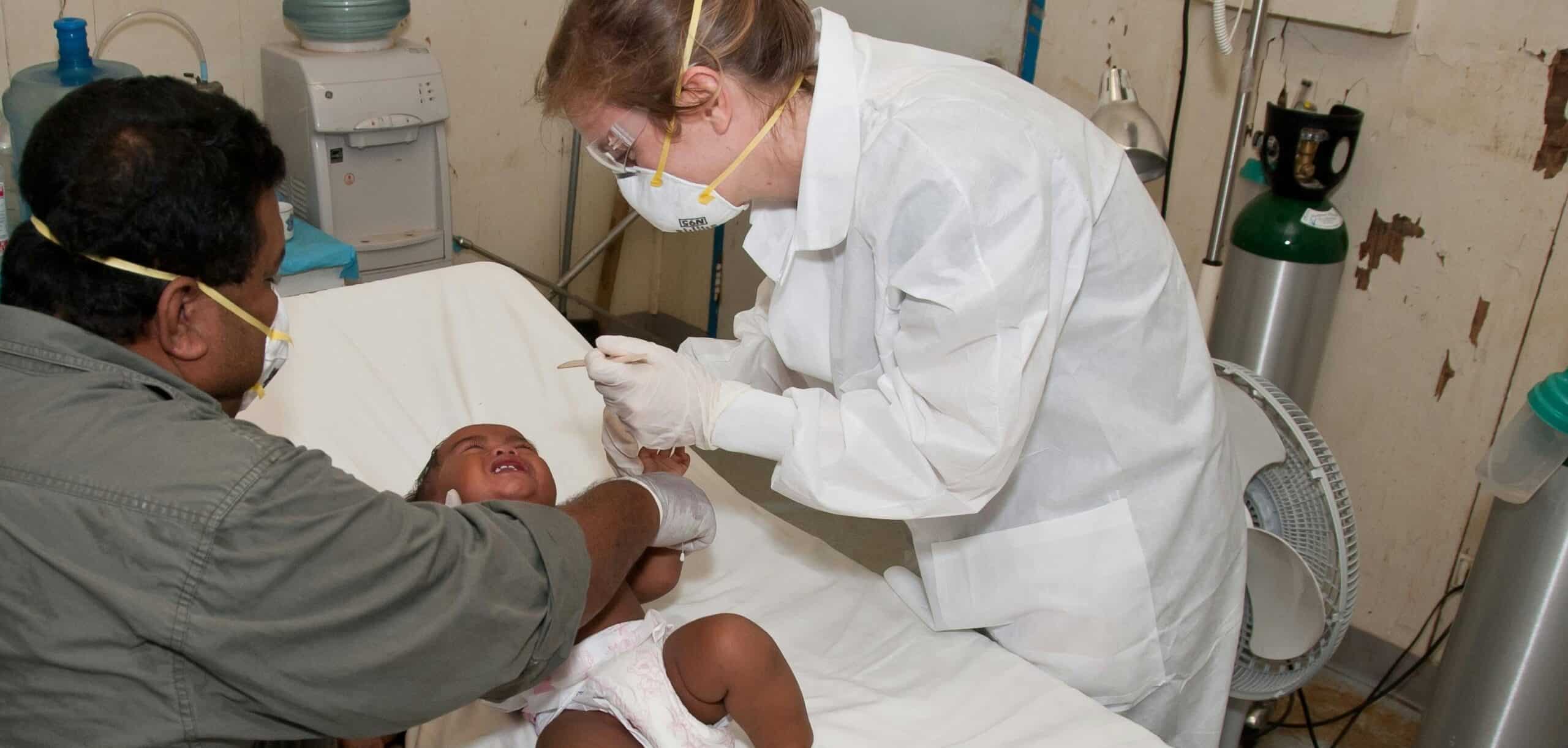
Post Image: Stock image from pexels.com by CDC

Avoid sharing confidential information via contact form, text, or voicemail as they are not secure. Please be aware that using any of these communication methods does not establish an attorney-client relationship. *By appointment only.
The information contained on this site is proprietary and protected. Any unauthorized or illegal use, copying, or dissemination will be prosecuted to the fullest extent of the law. All content on this site is provided for informational purposes only. It is not, nor should it be taken as medical or legal advice. None of the content on this site is intended to substitute for medical advice, diagnosis, or treatment. Attorney Advertising.
We serve clients in every city and county in New York State. These include places like: The Adirondacks, Albany, Alexandria Bay, Amsterdam, Astoria, Auburn, Ballston Spa, Batavia, Beacon, Binghamton, Brooklyn, Buffalo, Canandaigua, Carthage, Cattaraugus, Catskill, Cayuga Lake, Cazenovia, Chelsea, Clayton, Clifton Park, Cobleskill, Colonie, Cooperstown, Corning, Cortland, Delhi, Delmar, Dunkirk, East Aurora, East Hampton, Elmira, Fayetteville, Finger Lakes, Flushing, Fredonia, Fulton, Garden City, Geneva, Glen Cove, Glens Falls, Gloversville, Gouverneur, Great Neck, Greenwich Village, Hamilton, Hammondsport, Harlem, Haverstraw, Hempstead, Herkimer, Hornell, Hudson, Huntington, Ilion, Ithaca, Jamaica, Jamestown, Johnstown, Kingston, Lake George, Lake Placid, Lewiston, Little Falls, Liverpool, Lockport, Long Island City, Lowville, Malone, Manhattan, Manlius, Massena, Medina, Middletown, Monticello, Montauk, Mount Vernon, New Paltz, New Rochelle, Newburgh, Niagara Falls, North Tonawanda, Norwich, Nyack, Ogdensburg, Old Forge, Olean, Oneida, Oneonta, Ossining, Oswego, Penn Yan, Peekskill, Plattsburgh, Port Chester, Potsdam, Poughkeepsie, Queens, Rhinebeck, Riverhead, Rochester, Rome, Rye, Sag Harbor, Saranac Lake, Saratoga Springs, Schenectady, Seneca Falls, Seneca Lake, Skaneateles, SoHo, Southampton, Spring Valley, Staten Island, Stony Brook, Suffern, Syracuse, Tarrytown, The Bronx, Thousand Islands, Ticonderoga, Troy, Tupper Lake, Utica, Warsaw, Waterloo, Watertown, Watkins Glen, Wellsville, White Plains, Williamsburg, Woodstock, Yonkers, and many more communities throughout New York State.
Copyright © 2026, Porter Law Group. Personal Injury Lawyers
Made with 💛 by Gold Penguin


