


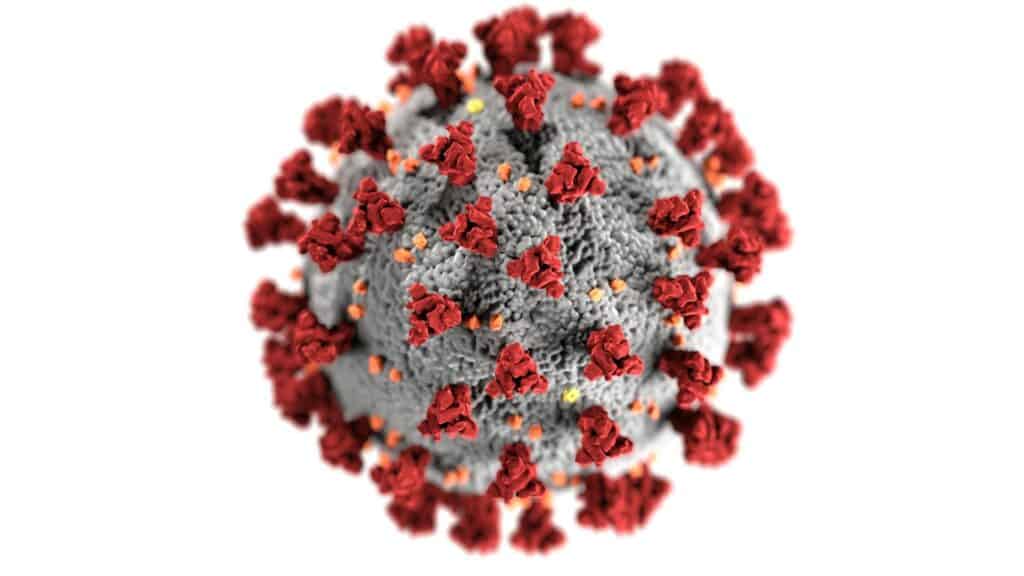
The COVID-19 pandemic didn't just change how we lived. It fundamentally altered how healthcare worked in New York, and the legal consequences are still unfolding. Between 2020 and 2025, the state saw dramatic shifts in medical malpractice claims that reflect more than individual doctor errors. These cases reveal what happens when entire healthcare systems buckle under pressure, when hospitals run out of equipment, when nursing homes fail their residents, and when new technologies get implemented faster than anyone can properly learn to use them.
Hurt by Medical Malpractice?
CONTACT USOur Recent Case Results
Settlement
Jury Verdict
Settlement
Settlement
New York's Malpractice Landscape Before COVID
New York already had a reputation as a difficult state for healthcare providers facing malpractice claims before the pandemic. The state has no caps on damages in medical malpractice lawsuits, meaning jury awards face no legislative ceiling. The statute of limitations is generally two years and six months from when the malpractice occurred or, if applicable, when continuous treatment for the same condition ended, with notable exceptions for foreign objects left in patients and cancer misdiagnosis cases under Lavern's Law.
Pre-pandemic malpractice insurance premiums reflected these realities:
- Obstetricians performing major surgery paid approximately $173,400 annually for standard coverage
- Psychiatrists paid about $18,360 annually
How COVID Broke the System and Created New Legal Risks
When COVID-19 arrived in early 2020, it exposed how unprepared the healthcare system actually was. Hospitals across the state became overwhelmed almost immediately during that first wave in March and April. Doctors and nurses found themselves making impossible decisions about ventilators, ICU beds, and how to care for dying patients when there weren't enough hands or supplies to go around.
Personal protective equipment shortages became one of the defining failures of the pandemic response:
- 61.6% of healthcare workers reported shortages of high-grade masks
- 20% lacked face shields or goggles
- 18.3% didn't have protective gowns
- 16.3% couldn't obtain surgical masks
- 7% of direct-care workers rated their PPE access as "very poor" or "poor," compared to just 2.4% of non-direct-care staff
These weren't mere supply chain hiccups. They were systemic failures that forced healthcare workers to reuse contaminated equipment and make clinical decisions under conditions that would have been unthinkable months earlier. When you combine exhausted staff with inadequate equipment and overwhelming patient volumes, the conditions for medical errors multiply exponentially.
What the Statistics Tell Us About Malpractice Payouts
The financial data reveals the scale of the problem. New York maintained its position as the state with the highest medical malpractice payouts nationwide during this period:
- $729.58 million in total malpractice payouts in 2025, up from approximately $600 million the year before
- $451,314 average payout per case in 2024
- 1,369 physician liability determinations in 2024
These statistics also reflect the long timeline of malpractice litigation. Many cases resulting in payouts in 2024 and 2025 involve incidents that occurred in 2020, 2021, or 2022, and the full financial impact of pandemic-era malpractice is still emerging.
Nursing Home Failures
The failures in long-term care facilities represent some of the most devastating and legally significant aspects of the pandemic. Facilities became deadly environments for elderly residents, and the legal system is still working through the consequences.
The strongest legal precedent observed comes from Ontario, where courts certified seven class-action lawsuits on behalf of thousands of residents and visitors who contracted COVID-19 in long-term care homes, targeting more than 200 facilities for gross negligence. The court determined that 2020 legislation designed to shield businesses from COVID-19 liability does not apply when negligence rises to the gross negligence level. Similar failures played out in New York's long-term care facilities, and individual claims and coordinated litigation continue to emerge.
Gross negligence in these facilities looked like this:
- Failure to implement basic infection control practices
- Failure to provide adequate PPE to staff
- Inadequate staffing, leaving residents without basic care for hours
- Severe isolation protocols that separated dying residents from families for weeks or months
- Collapse of government oversight, with no inspections in some jurisdictions for seven weeks and no inspection reports issued for two months
Telemedicine Malpractice
The rapid shift to telemedicine created an entirely new category of malpractice risk. One in eight Medicare beneficiaries received at least one telehealth service during this period, and even as emergency restrictions eased, telemedicine remained popular because patients got comfortable with it and healthcare companies found it cost-effective.
The problem is that telemedicine carries significantly higher rates of diagnostic errors. In traditional in-person medicine, misdiagnosis accounts for about 40 to 50% of malpractice claims. In telemedicine, misdiagnosis is the basis of 65 to 70% of malpractice cases. When a doctor examines you virtually, they lose critical diagnostic tools: the ability to feel for lumps, detect certain infections by smell, or assess coordination and skin color.
The legal standard is the same as for in-person care. A telehealth provider must meet the same professional standard of practice as a doctor providing in-person services, and the limitations of a virtual exam do not excuse a missed diagnosis. Responsible physicians must recognize when telemedicine is not enough and recommend an in-person exam. Real-world examples of telemedicine malpractice include:
- Missed cancer diagnoses after doctors incorrectly reassure patients that suspicious moles are benign
- Delayed emergency care when doctors fail to recognize heart attack symptoms during video calls
- Dangerous drug interactions resulting from prescriptions written without properly reviewing patient history
In New York, telehealth providers must also comply with specific informed consent requirements, including disclosing risks unique to telehealth, privacy and data storage practices, and the possibility of technology failure. Providers who skipped these requirements have created significant legal exposure.
Emergency Department Crowding and Preventable Deaths
Emergency departments were already struggling before COVID, and the pandemic made everything worse. ED visits had increased 30% between 2006 and 2014, and critically ill patients visiting emergency departments increased by 80% during that same period. When COVID hit, patient volumes surged back to or above pre-pandemic levels with an even higher proportion of seriously ill patients.
This created a phenomenon called "boarding," where admitted patients get stuck in the emergency department for hours or even days because no inpatient beds are available. By January 2022:
- 40.1% of admitted patients were boarded in the ED for more than four hours
- 6.3% were boarded for 24 hours or longer
Boarding is dangerous and creates significant malpractice liability. Medical malpractice cases involving ED boarding between 2014 and 2023 resulted in approximately $119.9 million in financial losses across 314 cases. Cases involving boarding had a 110% higher probability of closing with a payment to the injured patient. Of those cases, 44% involved death and 25% involved major permanent injuries.
Staffing Shortages and Institutional Liability
One of the most persistent problems throughout the COVID period was healthcare staffing shortages. Nurses, respiratory therapists, and other essential staff left the field in droves due to burnout, illness, and better opportunities elsewhere. Those who remained often worked mandatory overtime and double shifts with patient loads far exceeding safe ratios.
Staffing shortages create malpractice risk through several pathways:
- Exhausted staff make significantly more errors
- High patient-to-nurse ratios mean less monitoring and slower response to deteriorating patients
- Inexperienced temporary staff filling gaps may not know facility systems and protocols
- Communication breakdowns occur when teams are constantly changing
New York has specific nurse staffing ratio requirements in certain settings, and violations can constitute negligence per se, meaning the violation itself establishes a breach of duty. Facilities that consistently violated staffing requirements during the COVID period, particularly where those violations contributed to patient harm, face significant liability exposure.
Delayed and Deferred Care
One of the less obvious sources of malpractice claims from the COVID period involves care that simply didn't happen. During the height of the pandemic, healthcare systems cancelled or postponed elective procedures, routine screenings, and follow-up appointments. Patients avoided seeking care for non-COVID symptoms out of fear of infection or not wanting to burden an overwhelmed system.
The malpractice question is who bears responsibility for these delays. If a healthcare system cancelled a patient's screening colonoscopy and failed to reschedule it, and the patient later developed advanced colon cancer that could have been prevented, the institution may bear liability. Cases where providers failed to track patients who missed critical screenings, or where institutions failed to prioritize rescheduling time-sensitive procedures, may create real legal exposure.
Who Bears Responsibility When the Entire System Fails?
One of the most complex legal questions emerging from the COVID period is who should be held responsible when failures occur at a system level rather than through individual negligence. Defense attorneys have argued that the chaos of the pandemic should be considered when evaluating whether providers met the standard of care, pointing to equipment shortages, overwhelming patient volumes, and constantly changing public health guidance.
Plaintiff attorneys counter that even during a crisis, basic principles of patient safety still apply. A misdiagnosis is still a misdiagnosis. A failure to monitor a patient is still a failure to monitor. Courts have generally been reluctant to adopt blanket crisis standard of care defenses, instead evaluating each case based on its specific facts. The key distinction is whether harm resulted from the crisis itself or from institutional failures that could have been prevented even under crisis conditions.
Temporary liability protections passed in New York during the COVID emergency do not extend to gross negligence or willful misconduct. For patients and families, this means that if an institution failed to take basic preparedness steps, failed to provide necessary equipment, or maintained policies that made patient harm inevitable, that institutional failure may create liability.

Get a Free Case Review
Talk to our experienced personal injury lawyers and know all your legal options for recovery in a free, no-obligation consultation.
Get Legal Help Today
If you or a family member suffered a serious injury or death during medical care between 2020 and 2025, particularly involving nursing home care, telemedicine, emergency department treatment, or delayed diagnosis, time matters. The statute of limitations continues to run, and evidence becomes harder to gather with every passing month.
The Porter Law Group has decades of experience handling complex personal injury and medical malpractice litigation. We understand how to investigate institutional failures, identify all responsible parties, and build the strongest possible case on your behalf. Our attorneys know New York's malpractice landscape inside and out, and we have the resources to take on hospitals, nursing home operators, and large healthcare systems.
We offer free, no-obligation consultations so you can understand your rights and options without any commitment or cost. And because we work on a contingency fee basis, you pay no attorney fees unless we win your case or secure a favorable decision. You have nothing to lose by reaching out, and potentially everything to gain.
Contact the Porter Law Group today to speak with an experienced attorney about your situation. Fill out our online form for a free consultation and know your options. You can also call 833-PORTER9 or email info@porterlawteam.com to get started.


