

A traumatic brain injury claim may be possible in New York when a blow, jolt, fall, crash, or penetrating head injury changes how the brain works. These cases often depend on medical records, traumatic brain injury symptoms, treatment history, witness evidence, and proof of how the injury changed the person’s work, memory, mood, independence, and daily life. Porter Law Group represents traumatic brain injury victims in Syracuse, Central New York, and throughout New York State.
Prior results do not guarantee a similar outcome.
If you or someone you love has suffered a traumatic brain injury because of another party’s negligence, call Porter Law Group today at +1 833-767-8379 or email info@porterlawteam.com for a free consultation. There is no fee unless we recover compensation for you.
What Is a Traumatic Brain Injury?
A traumatic brain injury, or TBI, is a brain injury caused by an outside force that affects how the brain works. The force may come from a direct hit to the head, a violent back-and-forth movement, a fall, a crash, or an object entering the skull. The CDC explains that a traumatic brain injury can affect how the brain works and may cause symptoms involving thinking, memory, balance, mood, sleep, and physical function.
Not every brain injury is traumatic. Anoxic and hypoxic brain injuries involve oxygen deprivation and may arise from surgical errors, anesthesia complications, drowning incidents, or birth-related medical negligence. Those claims can still be serious brain injury cases, but they are medically different from TBI and may require a different legal theory. A traumatic brain injury attorney can review the records and determine whether the case involves trauma, oxygen loss, medical malpractice, or more than one cause.
Common TBI types include:
- Concussion: A mild traumatic brain injury that can still cause headaches, confusion, memory problems, light sensitivity, dizziness, and mood changes.
- Brain contusion: A bruise on brain tissue, often caused by blunt force trauma.
- Coup-contrecoup injury: Brain damage at the point of impact and on the opposite side of the brain when the brain moves inside the skull.
- Diffuse axonal injury: Damage to nerve fibers caused by rapid acceleration, deceleration, or rotation.
- Brain hemorrhage: Bleeding in or around the brain after trauma.
- Skull fracture: A break in the skull that may occur with bleeding, swelling, or brain tissue injury.
What Traumatic Brain Injury Symptoms Should You Watch For?
Traumatic brain injury symptoms can appear immediately, but some symptoms become clearer hours or days later. A person should seek medical attention after any significant head impact, especially when symptoms worsen, interfere with daily life, or appear after a crash, fall, workplace incident, or medical event.
| Symptom Type | Examples To Watch For |
| Physical symptoms | Headache, dizziness, nausea, vomiting, fatigue, balance problems, vision changes, light sensitivity, or noise sensitivity |
| Cognitive symptoms | Confusion, memory gaps, trouble concentrating, brain fog, slowed thinking, or difficulty following conversations |
| Emotional symptoms | Irritability, anxiety, depression, personality changes, mood swings, or emotional outbursts |
| Sleep symptoms | Sleeping more than usual, sleeping less than usual, insomnia, or unusual drowsiness |
| Emergency warning signs | Seizure, repeated vomiting, worsening headache, weakness, slurred speech, unequal pupils, loss of consciousness, or inability to wake up |
Symptoms matter legally because they help connect the injury to the accident and show how the TBI affects the injured person’s life. For that reason, it is important to report symptoms honestly to doctors, attend follow-up appointments, and keep notes about memory issues, headaches, sleep changes, work limits, and family observations.

What Traumatic Brain Injury Treatment May Be Needed?
Traumatic brain injury treatment depends on the severity of the injury and the symptoms involved. A mild TBI may require rest, symptom monitoring, follow-up care, and a gradual return to normal activity. A moderate or severe TBI may require emergency care, imaging, surgery, neurological monitoring, medication, inpatient rehabilitation, speech therapy, occupational therapy, physical therapy, counseling, and long-term support.
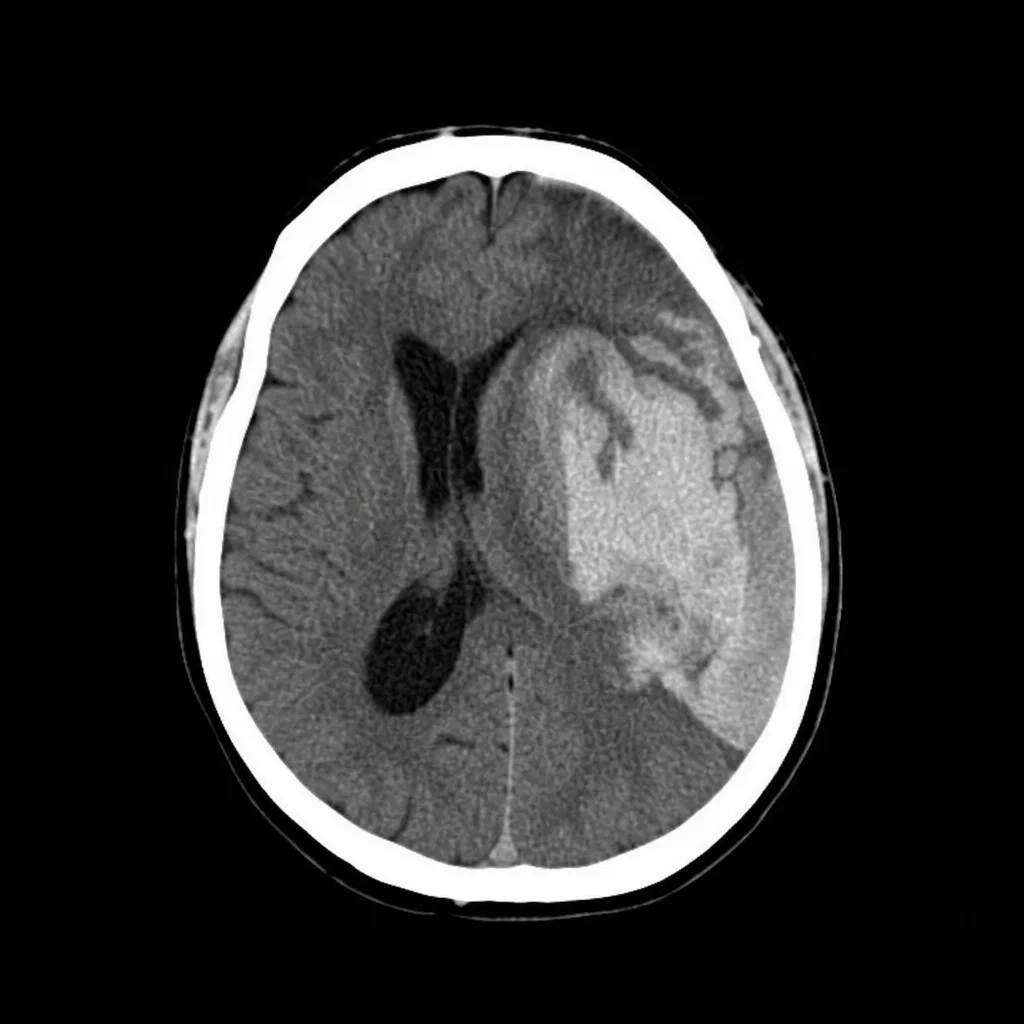
The treatment plan also affects the legal claim. Emergency records can establish the first signs of injury. Imaging can show bleeding, swelling, skull fracture, or contusion when present. Neurology visits, neuropsychological testing, therapy notes, medication records, and rehabilitation records can document how the injury affects memory, speech, balance, personality, work capacity, and independence over time.
What Common Accidents Cause TBI Claims In New York?
TBI claims in New York often arise from preventable crashes, falls, unsafe property conditions, workplace hazards, and medical events. The cause of the injury affects who can be held responsible, what evidence must be preserved, and which filing deadlines apply.
Motor Vehicle Accidents
Car crashes, truck collisions, motorcycle accidents, pedestrian crashes, bicycle crashes, and rideshare accidents can cause a TBI even when the head does not strike a hard surface. A sudden stop or violent rotation can move the brain inside the skull. When a crash in Syracuse or elsewhere in New York causes serious brain trauma, a claim may involve no-fault benefits, the at-fault driver, a commercial vehicle company, a rideshare insurer, or a government entity responsible for a dangerous road condition. For related claims, visit our car accident lawyers in Syracuse page.
Falls And Unsafe Property Conditions
Falls are a major cause of TBI-related hospitalizations nationwide. In Syracuse and Central New York, winter weather can make sidewalks, parking lots, stairs, and entryways especially dangerous when property owners fail to address snow, ice, wet floors, broken handrails, poor lighting, or other hazards. Learn more about related slip and fall accident claims.
Construction, Workplace, And Medical Negligence Cases
Falling objects, scaffold falls, ladder falls, equipment failures, and struck-by accidents can cause severe traumatic brain injuries on New York construction sites. Workers’ compensation may cover medical care and part of lost wages, but a separate third-party claim may be available against another responsible party. Porter Law Group also handles construction accident claims involving catastrophic injuries.
Some brain injury cases also involve delayed diagnosis, failure to order imaging, failure to monitor neurological symptoms, surgical errors, anesthesia complications, or failure to treat a brain bleed quickly. These claims may fall under New York medical malpractice law and require expert review. Learn more about medical malpractice claims.
How Does A Traumatic Brain Injury Attorney Prove The Case?
A traumatic brain injury attorney proves a TBI case by connecting the injury to the negligent event and documenting the full effect of the injury on the person’s life. Brain injury cases are often disputed because symptoms can be invisible, imaging may not show every injury, and insurance companies may argue that memory problems, headaches, mood changes, or work limitations are unrelated.
Important evidence may include:
1. Emergency room records, ambulance reports, imaging, and discharge instructions.
2. Neurologist, neurosurgeon, primary care, therapy, and rehabilitation records.
3. Neuropsychological testing showing changes in memory, attention, processing speed, or executive function.
4. Accident reports, police reports, workplace reports, or incident reports.
5. Photos, videos, surveillance footage, dashcam footage, or site inspection evidence.
6. Witness statements from family members, coworkers, friends, and people who saw the accident.
7. Employment records showing missed work, reduced hours, job loss, or lost earning capacity.
8. Expert opinions from medical specialists, vocational experts, life care planners, and economists when needed.
A strong TBI claim does more than prove that an accident happened. It explains how the injury changed the person’s daily routine, relationships, independence, earning ability, and future medical needs.
What Should You Do After A Suspected Traumatic Brain Injury?
The steps taken after a suspected TBI can protect both the injured person’s health and the legal claim. Brain injury symptoms can evolve, and evidence can disappear quickly after a crash, fall, construction accident, or hospital event.
1. Get medical care immediately. Go to an emergency room or urgent care after a significant head impact, loss of consciousness, confusion, vomiting, worsening headache, or unusual behavior.
2. Follow up with the right specialists. Continued symptoms may require care from a neurologist, neuropsychologist, rehabilitation physician, therapist, or other provider.
3. Save every medical record. Keep discharge papers, imaging results, prescriptions, work notes, therapy records, and bills.
4. Track symptoms daily. Write down headaches, dizziness, memory problems, fatigue, mood changes, sleep issues, and missed activities.
5. Preserve accident evidence. Keep photos, videos, witness names, damaged helmets, vehicle information, incident reports, and insurance letters.
6. Avoid recorded statements before legal advice. Insurance adjusters may use early statements to dispute symptoms or reduce the claim.
7. Contact a traumatic brain injury lawyer early. Early legal action can preserve video, request records, identify responsible parties, and protect filing deadlines.
What Compensation May Be Available In A New York TBI Claim?
A New York TBI claim may include compensation for both financial losses and human losses caused by the injury. The available damages depend on the cause of the injury, the severity of symptoms, the strength of the liability evidence, available insurance coverage, and the long-term medical outlook.
Recoverable damages may include:
- Past and future medical expenses
- Emergency care, hospitalization, surgery, therapy, rehabilitation, and medication
- Lost wages and lost employment benefits
- Reduced earning capacity if the person cannot return to the same work
- In-home care, assistive devices, transportation help, and home modifications
- Pain and suffering
- Emotional distress, personality changes, and loss of enjoyment of life
- Loss of consortium in appropriate cases
- Funeral expenses and related losses in fatal cases handled through wrongful death claims
New York does not place a general statutory cap on pain and suffering damages in most personal injury cases, but that does not mean every case has the same value. TBI case value depends on proof. The more clearly the medical records, expert opinions, and daily-life evidence show the injury’s impact, the stronger the damages presentation usually becomes.
How Much Is A Traumatic Brain Injury Case Worth In New York?
Every traumatic brain injury case is different, and no settlement table can predict the value of a specific claim. The table below shows common value drivers in TBI cases, not guaranteed outcomes or promises of recovery.
| Case Factor | How It Can Affect Settlement Value |
| Mild TBI or concussion with full recovery | Usually depends on symptom duration, medical follow-up, missed work, and whether symptoms resolved clearly |
| Ongoing post-concussion symptoms | Can increase value when headaches, memory problems, dizziness, or work restrictions are documented over time |
| Objective injury on imaging | Brain bleed, contusion, skull fracture, or swelling can strengthen proof of injury severity |
| Permanent cognitive or physical impairment | Often requires expert testimony, life care planning, and future lost earning analysis |
| Need for long-term treatment | Rehabilitation, medication, therapy, in-home care, and specialist monitoring can increase future damages |
| Strong liability evidence | Video, reports, inspection records, medical records, or witness testimony can improve settlement leverage |
| Disputed fault or causation | Can reduce settlement value or require litigation when the defense disputes responsibility or the injury source |
| Wrongful death | Requires a separate damages analysis under New York wrongful death law |
A traumatic brain injury attorney can give a more meaningful case evaluation after reviewing the medical records, accident evidence, insurance coverage, work history, and future care needs.
How Long Do You Have To File A TBI Lawsuit In New York?
New York filing deadlines depend on how the traumatic brain injury happened and who may be legally responsible. For most personal injury lawsuits, New York CPLR Section 214 gives an injured person three years from the date of injury to file a lawsuit. Medical malpractice claims generally have a shorter deadline of two years and six months under CPLR Section 214-a, measured from the malpractice or from the end of continuous treatment for the same condition.
Other deadlines may apply:
- Wrongful death: A wrongful death claim is generally subject to a two-year deadline from the date of death under EPTL Section 5-4.1.
- Government entity claims: Claims involving a city, county, public hospital, school district, public authority, or other public entity may require a Notice of Claim within 90 days under General Municipal Law Section 50-e.
- Municipal lawsuits: Some lawsuits against municipal defendants must be started within one year and 90 days under General Municipal Law Section 50-i.
- Minors: Some deadlines may be tolled for minors, but notice requirements and medical malpractice rules can still create shorter or more complicated deadlines.
Because TBI cases can involve drivers, property owners, contractors, hospitals, public entities, or multiple defendants, it is safer to speak with an attorney as soon as possible rather than relying on the longest possible deadline.
Talk With Porter Law Group About Your Symptoms, Treatment, And Legal Options. Free, confidential.
Why Choose Porter Law Group For A Traumatic Brain Injury Case?
Porter Law Group represents New Yorkers in serious personal injury, medical malpractice, birth injury, and catastrophic injury cases. Traumatic brain injury claims require careful medical proof, expert coordination, damages planning, and trial preparation because the injury may affect every part of a person’s life.
Michael S. Porter founded Porter Law Group to represent injured New Yorkers and their families in serious cases. He is a graduate of Harvard University and Syracuse University College of Law, served as a Captain in the U.S. Army Judge Advocate General’s Corps, has been selected to Super Lawyers for 14 consecutive years from 2012 through 2025, and holds a 10.0 Superb rating on Avvo and a Distinguished rating from Martindale-Hubbell.
Porter Law Group offers:
- No fee unless we win. TBI cases are handled on a contingency basis.
- Free consultations, available 24/7. You can contact the firm at any time to discuss what happened.
- Direct attorney access. You can speak with the attorney handling your case throughout the process.
- Serious injury experience. The firm handles complex injury cases involving medical records, expert testimony, long-term care needs, and large verdicts and settlements.
Serving TBI Victims In Syracuse And Across New York
Porter Law Group is based in Central New York and represents traumatic brain injury victims throughout the state. The firm helps clients whose injuries happened in Syracuse, Onondaga County, Buffalo, Rochester, Albany, Utica, Binghamton, New York City, Long Island, the Hudson Valley, and surrounding communities.
In Syracuse and Central New York, TBI cases may arise from crashes on I-81, I-690, the New York State Thruway, Route 481, local intersections, construction sites, apartment buildings, retail stores, workplaces, hospitals, and public properties. The legal strategy depends on where the injury happened, who controlled the property or vehicle, and whether a private company, public entity, healthcare provider, or multiple parties may be responsible.
For local injury help, visit our Syracuse personal injury lawyers page.
Frequently Asked Questions
Can I Sue For A Traumatic Brain Injury In New York?
Yes. You may be able to sue for a traumatic brain injury in New York if another person, business, property owner, contractor, driver, healthcare provider, or public entity caused or contributed to the injury. A lawsuit usually requires proof of negligence, causation, and damages. In a TBI case, that proof often comes from medical records, expert opinions, accident evidence, witness testimony, work records, and documentation of how symptoms changed the injured person’s daily life.
How Do I Prove A TBI If My Imaging Was Normal?
A normal CT scan or MRI does not automatically defeat a traumatic brain injury claim. Some TBIs, especially concussions and diffuse injuries, may not appear clearly on standard imaging. Proof may come from emergency records, symptom history, neurological exams, neuropsychological testing, therapy notes, family observations, work limitations, and expert testimony. The key is showing a consistent medical timeline and a clear connection between the accident and the symptoms.
How Long Do I Have To File A Traumatic Brain Injury Lawsuit In New York?
For most New York personal injury cases, the deadline is three years from the date of injury. Medical malpractice claims generally have a two-year-and-six-month deadline, while claims involving a city, county, public hospital, school district, or other public entity may require a Notice of Claim within 90 days. Because the correct deadline depends on the cause of the TBI and the defendant involved, you should not wait to get legal advice.
What Is The Difference Between TBI And Anoxic Or Hypoxic Brain Injury?
A traumatic brain injury is caused by an outside force, such as a blow, jolt, fall, crash, or penetrating head injury. Anoxic and hypoxic brain injuries are caused by a complete or partial lack of oxygen to the brain. The legal claim may still be serious in either situation, but the medical proof and legal theory may differ. Oxygen-deprivation cases often involve emergency response failures, anesthesia errors, surgical complications, drowning incidents, or birth-related medical negligence.
What Compensation Can I Recover For A TBI?
A TBI claim may seek compensation for medical bills, rehabilitation, future treatment, lost wages, reduced earning capacity, pain and suffering, emotional distress, loss of enjoyment of life, in-home care, assistive devices, and other losses caused by the injury. In fatal cases, the family may have a wrongful death claim. The value depends on injury severity, treatment needs, proof of liability, available insurance, and the long-term effect on work and daily life.
How Much Does It Cost To Hire A Traumatic Brain Injury Lawyer?
Porter Law Group handles traumatic brain injury cases on a contingency basis. This means you pay no attorney fee unless the firm recovers compensation for you. The consultation is free, and the firm can review what happened, explain which deadlines may apply, and discuss the next steps for preserving medical, accident, employment, and insurance evidence.
What Clients Say About Porter Law Group
Meet the Attorney

Michael S. Porter, J.D.
Founder and managing partner of Porter Law Group. Harvard University (B.A., 1994), Syracuse University College of Law (J.D., 1997). Former U.S. Army JAG Corps Captain, Airborne Training School graduate. Super Lawyers 14 consecutive years, 10.0 Superb on Avvo, Distinguished rating from Martindale-Hubbell. Over 20 years of trial experience and $500 million in recoveries.
Reviewed by Michael S. Porter, J.D. | Last updated: [April, 2026]
Contact A New York Traumatic Brain Injury Lawyer Today
A traumatic brain injury can affect memory, work, relationships, mood, independence, and long-term health. You should not have to manage medical bills, insurance pressure, and legal deadlines alone while trying to recover. Porter Law Group can investigate what happened, preserve evidence, work with qualified experts, and pursue the compensation available under New York law.
Call 833-PORTER9 | Available 24/7 | No fee unless we win

