

Being hit by a drunk driver is different from any other car accident. The driver who hurt you did not make an error in judgment or fail to see a hazard. They made a deliberate choice to get behind the wheel while impaired, knowing the risk they were creating for everyone around them. New York law recognizes that difference, and it gives victims of drunk driving crashes legal tools that do not exist in standard car accident claims: the possibility of punitive damages and the ability to hold not just the driver but also the establishments that over-served them accountable.
At Porter Law Group, attorney Michael S. Porter and his team represent people injured by drunk drivers throughout New York State. Call (833) 767-8379 or email info@porterlawteam.com for a free consultation. No fee unless we win.
Prior results do not guarantee a similar outcome.
Why Drunk Driving Accident Claims Are Different From Standard Car Accidents
Three things set drunk driving cases apart from typical car accident claims, and each one can significantly increase the compensation available to you.
Intoxication is not ordinary negligence. Standard car accidents are caused by carelessness. Drunk driving is the result of a choice. Choosing to operate a motor vehicle with a blood alcohol content at or above the legal limit of 0.08 percent, or while otherwise impaired by alcohol, reflects a conscious disregard for the safety of every person on the road. New York courts treat that distinction seriously.
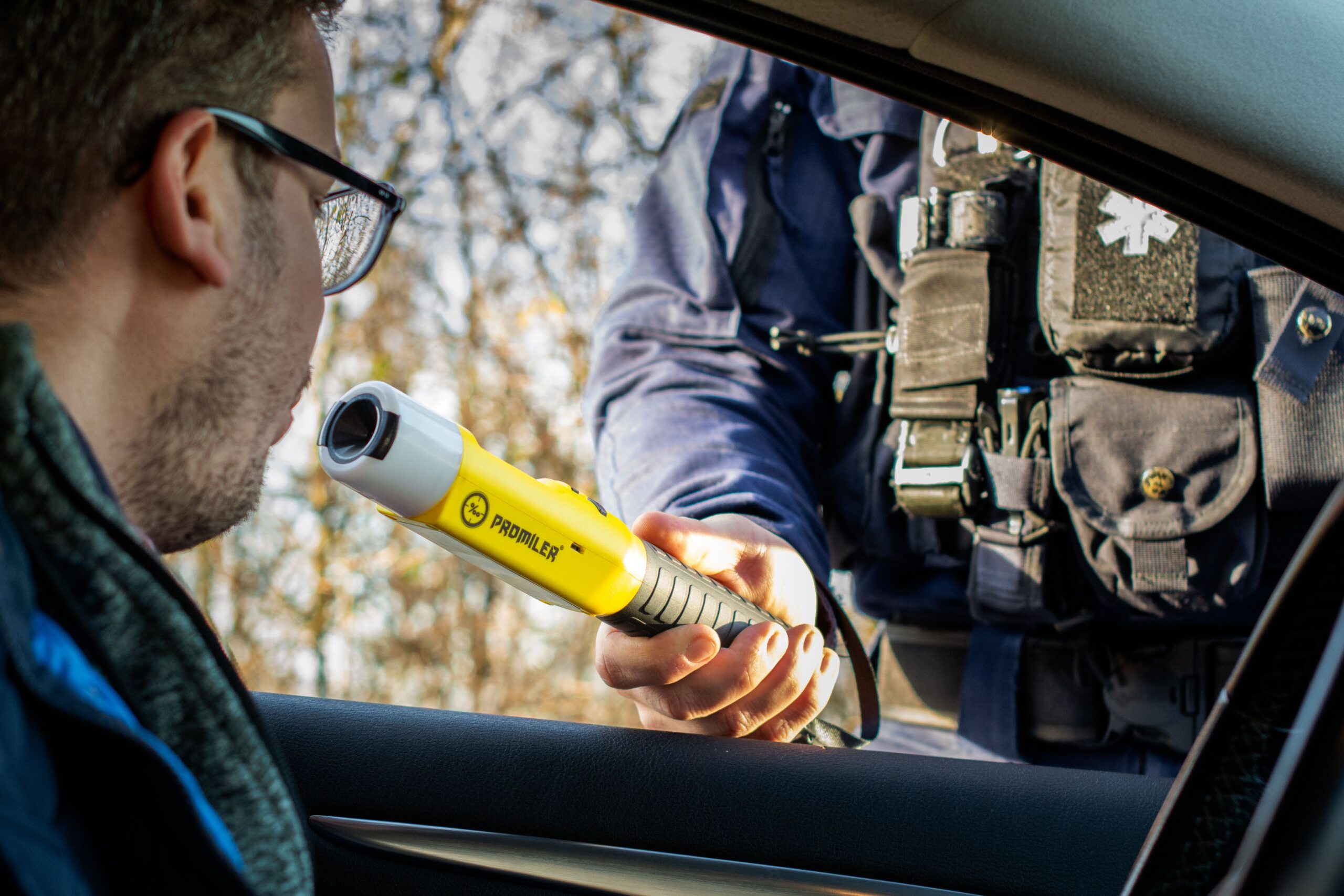
The criminal case helps your civil claim. When police charge the at-fault driver with Driving While Intoxicated (DWI) or Driving While Ability Impaired (DWAI) under New York Vehicle and Traffic Law Section 1192, everything that follows in the criminal case, including the arrest report, breathalyzer results, field sobriety test records, and any conviction, becomes powerful evidence in your civil lawsuit. A DWI conviction can be treated as negligence per se, meaning the driver’s violation of the law serves as direct evidence of fault in your civil case.
Punitive damages may be available. In ordinary negligence cases, you recover compensatory damages to cover your actual losses. In drunk driving cases, New York courts have recognized that the driver’s conduct can rise to the level of “willful and wanton” disregard for human life, which opens the door to punitive damages. These are not tied to your losses. They are designed to punish the defendant and can significantly increase the total value of your claim.
New York DWI and DWAI Law: What You Need to Know
New York Vehicle and Traffic Law Section 1192 defines several levels of alcohol-related driving offenses, each of which creates civil liability alongside its criminal consequences.
DWI (Driving While Intoxicated) requires a blood alcohol content of 0.08 percent or higher, or other evidence of intoxication. This is the most commonly charged offense for adult drivers and the most common basis for a civil negligence per se argument.
DWAI (Driving While Ability Impaired) applies when a driver’s ability to operate a vehicle is impaired by alcohol, even if their BAC is below 0.08 percent. A DWAI conviction is also admissible as evidence of negligence in a civil case.
Aggravated DWI applies when a driver’s BAC is 0.18 percent or higher. This elevated impairment level is relevant to punitive damages arguments because it demonstrates a greater degree of conscious disregard for the safety of others.
DWAI-Drug and DWAI-Combination apply when the driver was impaired by drugs, prescription medications, or a combination of alcohol and drugs. These cases produce the same civil liability as alcohol-based impairment and often involve the same severe injury patterns.
You do not need to wait for the criminal case to resolve before pursuing your civil claim. The two proceedings run on separate tracks and apply different standards of proof. Read our article on how a DUI impacts car accident claims in New York for more detail on how these systems interact.
Punitive Damages in New York Drunk Driving Cases
This is the legal remedy that most distinguishes a drunk driving claim from any other car accident case, and it is one that many victims do not know they may be entitled to pursue.
What compensatory damages cover. In any personal injury case, compensatory damages reimburse you for what you actually lost: medical bills, lost wages, property damage, pain and suffering, and future losses. They are tied to your documented harm.
What punitive damages are. Punitive damages are not tied to your losses. They are awarded separately to punish a defendant whose conduct was so reckless and so deliberately indifferent to human life that a court or jury decides to make an example of them. In New York, the standard for punitive damages is conduct that is “willful and wanton” or shows conscious disregard for the rights of others.
Why drunk driving meets the standard. New York courts have recognized that a person who consumes alcohol to the point of impairment and then chooses to drive a vehicle is not merely careless. They are choosing to impose a known, foreseeable risk of serious injury or death on every other person on the road. That conduct has been found to satisfy the willful and wanton standard in multiple New York cases.
What this means for your claim. The combination of compensatory and punitive damages can result in a substantially larger total recovery than what a standard car accident claim would produce. Building the evidentiary record needed to support a punitive damages argument requires documenting the driver’s BAC level, their conduct prior to the crash, any prior DWI history, and the full circumstances of the evening in question. Our attorneys pursue that record systematically.
New York’s Dram Shop Act: Holding Bars and Restaurants Liable
One of the most powerful and most frequently overlooked tools in a drunk driving case is New York’s Dram Shop Act, codified at General Obligations Law Section 11-101.
Under this law, a licensed establishment, including bars, restaurants, taverns, nightclubs, and any venue that serves alcohol under a license, can be held civilly liable for injuries caused by a patron when the establishment unlawfully served alcohol to that person. Unlawful service under the Dram Shop Act includes:
- Serving alcohol to a person who was visibly intoxicated at the time of service
- Serving alcohol to a person under 21 years of age
Why this matters for your case. The drunk driver who hurt you may carry minimum auto insurance coverage or may have no meaningful assets to collect from. The bar or restaurant that kept serving that person long after the signs of visible intoxication were apparent may carry substantial commercial liability insurance. That establishment may share legal responsibility for what happened to you, and their policy limits may be far higher than the driver’s.
Proving a Dram Shop claim requires prompt investigation. Surveillance footage at the establishment is often overwritten within 24 to 72 hours. Point-of-sale records and server receipts disappear. Witnesses who saw the driver’s condition at the bar move on. The sooner an attorney can secure that evidence, the stronger the Dram Shop component of your case will be.
New York’s Dram Shop Act applies to licensed commercial establishments, not to private social hosts who serve alcohol at parties or gatherings. Social host liability is treated differently under New York law and does not create the same civil remedy.
For a detailed explanation of how this law works, read our article on New York’s Dram Shop laws and their impact on drunk driving accident cases.
Who Can Be Held Liable in a New York Drunk Driving Crash
Multiple parties may share responsibility for your injuries depending on the facts of the crash.
The drunk driver. The at-fault driver is the primary responsible party. Their violation of VTL Section 1192 creates civil liability, and their conduct may support a punitive damages argument.
The bar, restaurant, or venue. Under General Obligations Law Section 11-101, any licensed establishment that served the driver while visibly intoxicated or served a driver who was under 21 may face civil liability for the resulting injuries.
The vehicle owner. Under New York Vehicle and Traffic Law Section 388, the registered owner of the vehicle is liable for injuries caused by anyone operating that vehicle with the owner’s permission. If the drunk driver was using someone else’s car, the owner may share liability.
The driver’s employer. If the drunk driver was operating a vehicle in the course of their employment at the time of the crash, their employer may be liable under respondeat superior. This is less common in drunk driving cases but applies in situations involving commercial drivers or employees at work events.
Common Injuries in Drunk Driving Crashes
Impaired drivers often fail to brake, swerve, or react at all before impact. Many drunk driving crashes are high-speed, head-on, or involve running red lights and stop signs at full speed. The injuries that result are frequently catastrophic.
Traumatic brain injuries. The forces generated in a full-speed impact can cause concussions and more serious TBIs, including diffuse axonal injuries that result in permanent cognitive impairment. Symptoms may not fully appear for days after the crash. Our brain injury lawyers handle these cases throughout New York.
Spinal cord injuries and paralysis. High-energy crashes can fracture vertebrae and damage or sever the spinal cord, resulting in partial or complete paralysis. Paraplegia and quadriplegia require lifetime medical care and create extraordinary long-term costs.
Severe fractures. Multiple broken bones requiring surgery, hardware implantation, and lengthy rehabilitation are common in crashes where the at-fault driver made no attempt to slow down before impact.
Internal organ damage. Blunt-force trauma to the chest and abdomen can rupture the spleen, lacerate the liver, collapse a lung, or cause aortic tears that are not immediately visible and can be life-threatening.
Permanent disfigurement and scarring. Burns, lacerations, and crush injuries from high-impact crashes can leave permanent physical marks that affect a victim’s quality of life long after the physical injuries have healed.
Wrongful death. When a drunk driving crash is fatal, surviving family members face grief compounded by serious financial consequences. Recoverable damages include funeral and burial expenses, the economic value of the deceased’s future earnings and household contributions, and compensation for loss of companionship. Our wrongful death lawyers represent families throughout New York State.
Steps to Take After a Drunk Driving Crash in New York
- Call 911 immediately. You need both police and emergency medical services at the scene. The police report will document the officer’s observations, any field sobriety tests, BAC test results, and any charges filed. This report is foundational evidence in your civil case.
- Get medical attention the same day. Traumatic brain injuries and internal bleeding do not always produce obvious symptoms immediately. A same-day medical evaluation creates a documented record that directly connects your injuries to the crash and is critical to establishing the serious injury threshold.
- Document the scene if you are physically able. Photograph both vehicles, the road, any skid marks, traffic signals, and the surrounding area. Note the name of any establishment where the driver may have been drinking if you have that information.
- File a DMV accident report within 10 days. Under New York Vehicle and Traffic Law Section 605, you are required to file Form MV-104 with the DMV within 10 days if the crash caused injury, death, or property damage exceeding $1,000.
- Notify your own insurance company within 30 days. New York requires you to report the crash to your own insurer within 30 days to preserve your right to no-fault PIP benefits.
- Do not give recorded statements to the at-fault driver’s insurer. Their adjuster is not on your side. You are not required to provide a recorded statement before consulting an attorney, and doing so can be used to reduce your claim.
- Contact Porter Law Group as soon as possible. Call (833) 767-8379 or email info@porterlawteam.com. Surveillance footage from bars, restaurants, and nearby cameras is routinely overwritten within 24 to 72 hours. The sooner we begin investigating, the more evidence we can preserve.
What Compensation Can You Recover
When your injuries meet the serious injury threshold under Insurance Law Section 5102(d), New York law allows you to pursue the full range of damages available in a drunk driving case.
Economic damages include all financial losses: past and future medical expenses, lost wages during recovery, reduced earning capacity if your injuries are permanent, property damage to your vehicle, and out-of-pocket costs including transportation to medical appointments.
Non-economic damages cover the human cost of your injuries: physical pain, emotional distress, the activities you can no longer participate in, permanent disability or disfigurement, and the impact on your relationship with your spouse or family.
Punitive damages are available where the drunk driver’s conduct is found to be willful and wanton. These are assessed separately from compensatory damages and can significantly increase the total value of a drunk driving claim.
Wrongful death damages apply when the crash is fatal. Surviving family members may recover funeral and burial expenses, the economic value of the deceased’s future earnings and household contributions, and compensation for loss of companionship and parental guidance.
What Is a Drunk Driving Accident Case Worth in New York?
The value of a drunk driving claim depends on the severity and permanence of your injuries, the available insurance coverage, the strength of the punitive damages evidence, and whether a Dram Shop claim expands the pool of responsible parties. The table below reflects the general ranges we see in New York drunk driving cases.
| Injury Type | Typical Settlement Range |
| Soft tissue injuries with full recovery, no surgery | $20,000 to $100,000 |
| Fractures or moderate injuries requiring surgery or extended therapy | $100,000 to $500,000 |
| Serious injuries with permanent restrictions, spinal damage, or head trauma | $500,000 to $2,000,000 |
| Catastrophic injuries including TBI, paralysis, or permanent disability | $2,000,000 or more |
| Wrongful death | Varies based on the deceased’s age, earnings, and family circumstances |
Drunk driving cases in which punitive damages are awarded can produce recoveries substantially above these ranges. These figures are general guidance only. For more context on how New York values car accident claims, visit our car accident settlement amounts page.
Deadlines for Filing a Drunk Driving Accident Claim in New York
Personal injury lawsuits: Three years from the date of the accident under CPLR Section 214(5). This applies to claims against the at-fault driver, any Dram Shop defendant, and any other private party.
Wrongful death claims: Two years from the date of death under New York Estates, Powers and Trusts Law Section 5-4.1.
Claims involving a government entity: If a government vehicle was involved or a government-maintained road defect contributed to the crash, you may be required to file a Notice of Claim within 90 days of the accident under General Municipal Law Section 50-e.
No-fault benefits: You must notify your own insurer within 30 days of the accident to preserve your right to PIP coverage.
Do not treat the three-year statute of limitations as a reason to delay. Dram Shop evidence disappears within days. Filing your no-fault claim does not pause any other deadline. For a full breakdown, visit our page on the statute of limitations for car accident claims in New York.
Talk to a New York drunk driving accident lawyer about your rights, the damages available to you, and every party who may be held responsible.
Why Choose Porter Law Group
Michael S. Porter founded Porter Law Group to represent injured New Yorkers and their families in serious accident cases. He is a graduate of Harvard University and Syracuse University College of Law. He served as a Captain in the U.S. Army Judge Advocate General’s Corps before entering private practice. He has been selected to Super Lawyers for 14 consecutive years, from 2012 through 2025, and holds a 10.0 Superb rating on Avvo and a Distinguished rating from Martindale-Hubbell.
No fee unless we win. All drunk driving accident cases are handled on a contingency basis. You pay nothing unless we recover compensation for you.
Free consultations, available 24/7. You can reach our team any time to discuss your situation at no cost and with no obligation to hire us.
Direct attorney access. When you call, you speak with the attorney working on your case, not a case manager or intake staff.
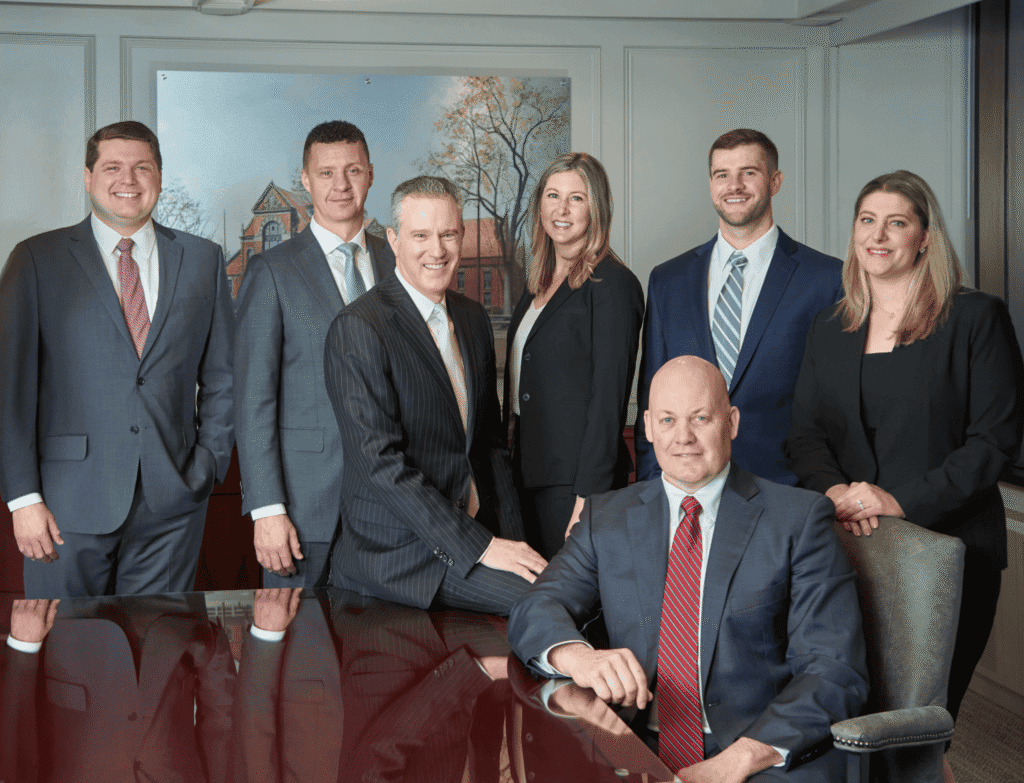
You can review our case outcomes on our Results page, read client experiences on our Testimonials page, and meet our team on our Attorneys and Staff page.
Serving Drunk Driving Accident Victims Across New York State
Porter Law Group represents people injured by drunk drivers throughout New York. No matter where your crash occurred, our team is ready to help.
- New York City. All five boroughs see drunk driving crashes, including late-night collisions near bars and entertainment districts in Manhattan, Brooklyn, and Queens. Crashes involving city-owned vehicles or MTA property trigger the 90-day Notice of Claim deadline under General Municipal Law Section 50-e. Dram Shop investigations in NYC require fast action given the volume of camera systems and short retention windows at many establishments.
- Long Island. We represent drunk driving accident victims throughout Nassau and Suffolk Counties, including crashes on the Southern State Parkway, Sunrise Highway, and the surface road network where late-night drunk driving incidents are common near entertainment corridors.
- Westchester and the Hudson Valley. We serve injured clients in White Plains, Yonkers, and throughout Westchester County and the Hudson Valley, including crashes near county roads and the bar and restaurant corridors serving suburban communities.
- Central New York and Syracuse. We represent clients injured in drunk driving crashes throughout Onondaga County and the surrounding region, including crashes near the Armory Square entertainment district, University Hill, and the I-81 and I-90 corridors.
- Western New York and Buffalo. We handle drunk driving accident cases throughout Erie and Niagara Counties, including crashes involving Buffalo’s active nightlife corridors and the highway network surrounding the city.
- Upstate New York. We represent clients in Albany, Rochester, Utica, Binghamton, Saratoga Springs, Ithaca, and communities across the state. New York law protections apply wherever your crash occurred.
Frequently Asked Questions
Can I sue the drunk driver even if they were not convicted of DWI?
Yes. The criminal and civil legal systems operate independently and apply different standards of proof. To convict someone of DWI in criminal court, the prosecution must prove guilt beyond a reasonable doubt. In your civil lawsuit, you only need to prove your case by a preponderance of the evidence, meaning it is more likely than not that the driver was impaired and that their impairment caused your injuries. A criminal acquittal or a case where no charges were filed does not prevent you from succeeding in a civil claim. Evidence of impairment including witness observations, erratic driving behavior, failed field sobriety tests, and the circumstances of the crash can support your civil case independently of what happens in the criminal proceeding.
What is the Dram Shop Act and does it apply to my case?
New York’s Dram Shop Act, codified at General Obligations Law Section 11-101, allows injured victims to pursue civil claims against licensed establishments that unlawfully served alcohol to the driver who hurt them. Unlawful service includes serving a visibly intoxicated person or serving someone under 21. If the driver stopped at a bar or restaurant before the crash and the establishment continued serving them after visible signs of intoxication were present, that establishment may be a co-defendant in your case. Dram Shop claims require fast investigation because surveillance footage and server records disappear quickly. They are also significant because commercial establishments often carry far higher insurance limits than individual drivers.
How do insurance companies handle drunk driving claims differently?
Insurance companies are aware that drunk driving cases carry elevated risk for large verdicts and punitive damages. That awareness cuts two ways. They may offer a faster settlement early in the case, before you understand the full extent of your injuries or the availability of punitive damages. They may also deploy aggressive defense tactics to limit their exposure. In either scenario, accepting any offer or providing any statement without consulting an attorney first is a significant mistake. Once Porter Law Group is retained, we handle all insurer communications and evaluate any settlement offers against the full measure of what your claim may be worth.
What if the drunk driver had no insurance or fled the scene?
If the driver was uninsured or fled before being identified, your own auto insurance policy may include uninsured motorist (UM) or supplemental uninsured motorist (SUM) coverage, which you can use to pursue compensation. If a bar or restaurant over-served the driver, a Dram Shop claim against that establishment provides a separate source of recovery that does not depend on the driver’s insurance status. Our uninsured and underinsured motorist accident lawyers can help identify every available avenue of compensation in your situation.
How long do I have to file a drunk driving accident lawsuit in New York?
For most personal injury claims, the statute of limitations is three years from the date of the accident under CPLR Section 214(5). For wrongful death, the deadline is two years from the date of death. However, your no-fault PIP application must be submitted within 30 days of the accident, and Dram Shop evidence must be preserved within days of the crash. If a government entity is involved, a Notice of Claim may be required within 90 days under General Municipal Law Section 50-e. None of these shorter deadlines are paused by filing a no-fault claim. Contacting an attorney immediately after the crash is the only reliable way to protect every deadline and every source of evidence.
Can I recover punitive damages if the driver had a prior DWI conviction?
Prior DWI convictions are highly relevant to a punitive damages argument. A driver with a prior conviction chose to drink and drive again with full knowledge of the danger and the consequences. That history strengthens the argument that the driver’s conduct was not merely careless but reflected a conscious disregard for the safety of others. The prior conviction is admissible evidence in the civil case and can be used to support both the punitive damages claim and to argue for a higher award. Our attorneys investigate prior DWI history as a standard part of building a drunk driving case.
What Clients Say About Porter Law Group
Meet the Attorney

Michael S. Porter, J.D.
Founder and managing partner of Porter Law Group. Harvard University (B.A., 1994), Syracuse University College of Law (J.D., 1997). Former U.S. Army JAG Corps Captain, Airborne Training School graduate. Super Lawyers 14 consecutive years, 10.0 Superb on Avvo, Distinguished rating from Martindale-Hubbell. Over 20 years of trial experience and $500 million in recoveries.
Reviewed by Michael S. Porter, J.D. | Last updated: [April, 2026]
Get Help From a New York Drunk Driving Accident Lawyer Today
Being hurt by a drunk driver is not just a car accident. It is the direct result of someone’s deliberate choice to put your life at risk. You deserve the full weight of New York law applied on your behalf, including every available source of compensation and every remedy the law provides.
Call (833) 767-8379 or email info@porterlawteam.com. Consultations are free, available around the clock, and carry no obligation.
Call 833-PORTER9 | Available 24/7 | No fee unless we win