


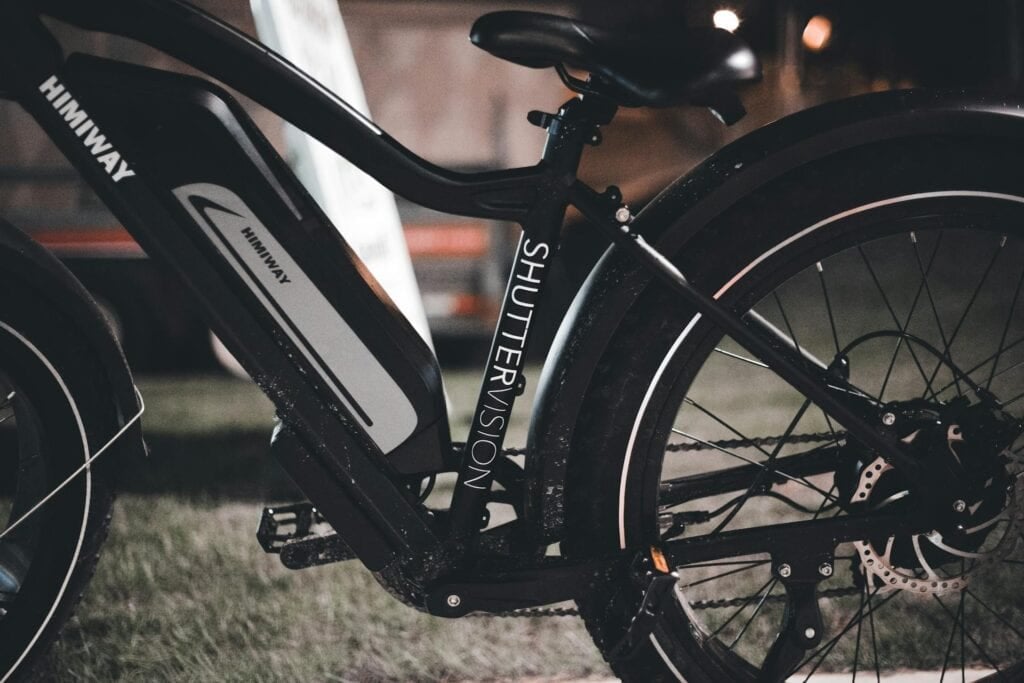
Electric bikes and scooters have become a common sight on New York streets, offering a convenient way to navigate the city. But as more people rely on these devices for transportation, accidents involving e-bikes and e-scooters have increased dramatically. If you've been injured in one of these accidents, you may be wondering about your legal rights and options for recovering compensation.
The legal landscape surrounding e-bike and e-scooter accidents in New York can be confusing. These devices don't fit neatly into traditional vehicle categories, which creates unique challenges when it comes to insurance coverage and liability. Understanding your rights starts with knowing how the law treats these vehicles and what protections are available to you after an accident.
How Does New York Law Define E-Bikes and E-Scooters?
New York State recognizes electric scooters and bicycles with electric assist as legitimate forms of transportation, but with specific restrictions. You can operate these devices on streets and highways where the posted speed limit is 30 miles per hour or less. For electric scooters specifically, traveling faster than 15 miles per hour is illegal under state law.
An electric scooter is legally defined as a device with handlebars and either a floorboard or seat, powered by an electric motor or a combination of the motor and human power. Under state law, e-scooter riders have the same rights and responsibilities as bicycle riders. This means you generally cannot ride on sidewalks unless local laws specifically allow it.
E-bikes fall into three distinct categories under New York law:
- Class One e-bikes provide electric assistance only while you're pedaling and stop helping once you reach 20 miles per hour.
- Class Two e-bikes can propel themselves without pedaling but are also limited to 20 miles per hour.
- Class Three e-bikes, which are only permitted in New York City, can exclusively propel the bicycle and provide assistance up to 25 miles per hour.
The legal classification matters because e-bike riders are granted all the rights and duties of motor vehicle drivers, even though these bikes cannot be registered as motorcycles, mopeds, or other traditional motor vehicles. This hybrid status creates important implications for accident claims.
Are There Special Rules in New York City?
New York City implemented additional restrictions effective October 24, 2025, reducing the speed limit for e-bikes, e-scooters, and pedal-assist bicycles to 15 miles per hour. These devices are permitted in bike lanes and on streets with speed limits of 30 miles per hour or less.
Helmet requirements vary by age. While helmets are recommended for all riders, they're legally required for anyone aged 16 or 17. This patchwork of regulations reflects the ongoing effort to balance accessibility with safety as these vehicles become more prevalent.
How Common Are E-Bike and E-Scooter Injuries?
The numbers tell a concerning story. According to the U.S. Consumer Product Safety Commission, injuries from all micromobility devices increased nearly 21 percent from 2021 to 2022. E-scooter injuries specifically rose 22 percent during that same period, while almost half of all estimated e-bike injuries from 2017 through 2022 occurred in 2022 alone.
Between 2017 and 2022, emergency departments treated an estimated 360,800 visits related to micromobility devices. The most common injuries are fractures, followed by contusions and abrasions. The upper and lower limbs, head, and neck are the most frequently injured body areas.
Are Head Injuries More Serious with E-Bikes and E-Scooters?
Medical research has revealed troubling patterns about the severity of injuries from these devices. Studies show that e-bike usage is an independent predictor for severe traumatic brain injury and skull fractures following a crash. When compared to regular cyclists, e-bike users face a 64 percent higher risk of severe traumatic brain injury and a 50 percent higher risk of skull fractures.
E-scooter riders face similar dangers. Research comparing e-scooter and bicycle trauma found that e-scooter users are more likely to require admission to a major trauma center or critical care unit. Almost twice as many e-scooter patients presented with severe or critical head injuries compared to bicycle riders (27.6 percent versus 15.2 percent), and over one-third sustained serious traumatic brain injury. Ninety percent of critical injuries among e-scooter patients were head injuries.
The pattern of head and cervical injuries in e-bikers more closely resembles injuries seen in motorcycle accidents than traditional bicycle crashes. Young e-bike riders particularly face higher rates of severe head and facial trauma compared to conventional bike riders. These findings underscore the serious nature of e-bike and e-scooter accidents, even when they occur at relatively low speeds.
Does No-Fault Insurance Cover E-Bike and E-Scooter Accidents?
This is where things get complicated. In most cases, electric scooters are not covered under New York's no-fault insurance system. While cars and trucks qualify as motor vehicles under state insurance law, e-scooters fall into a different category. Most personal injury protection policies don't extend to e-scooter accidents, similar to how they exclude motorcycle crashes.
This creates both challenges and opportunities for accident victims. On one hand, you may not have immediate access to no-fault benefits that would automatically cover your medical bills and lost wages regardless of who caused the accident. On the other hand, you're not bound by New York's serious injury threshold that applies to traditional motor vehicle accidents. This threshold typically prevents people injured in car accidents from suing unless their injuries meet specific severity criteria.
For e-scooter accident victims, this distinction is significant. Even if your injuries don't meet the strict definition of "serious injury" under New York law, you may still have the right to file a lawsuit directly against whoever caused your accident. This opens up the possibility of seeking full compensation for medical bills, lost wages, pain and suffering, and other damages regardless of injury severity.
When Might No-Fault Coverage Apply to Your E-Bike Accident?
The situation becomes more nuanced when a motor vehicle hits an e-bike or e-scooter rider. In these cases, the driver's personal injury protection insurance may cover your medical bills and lost wages. Whether an e-bike qualifies for no-fault coverage depends on several factors, including how the e-bike is classified and the specific circumstances of the accident.
Some e-bikes, especially those classified as Class 1 or Class 2, may qualify for no-fault coverage when involved in crashes with motor vehicles. This potential coverage makes it important to carefully examine the details of your accident and the type of e-bike involved. An experienced attorney can help determine whether no-fault benefits might be available in your specific situation.
How Do You Prove Someone Else Caused Your Accident?
To recover compensation after an e-bike or e-scooter accident, you need to establish who was responsible for the crash. In New York, this typically means proving negligence, which is someone else's failure to act with reasonable care. If a driver struck you while distracted, speeding, or failing to yield, they may be liable for your injuries.
Establishing negligence requires proving four elements:
- The defendant must have had a legal duty of care toward you.
- They must have breached that duty through their actions or inaction.
- This breach must have directly caused the accident.
- The accident must have resulted in measurable damages like medical bills, lost income, or pain and suffering.
The evidence in your case might include witness statements, traffic camera footage, photos of the accident scene, police reports, and medical records documenting your injuries. Cell phone records can sometimes prove a driver was texting at the time of the crash. Physical evidence like skid marks or vehicle damage can help reconstruct what happened.
Can Multiple Parties Be Responsible for Your Accident?
In some cases, both a driver and a third party could share responsibility for your accident. For instance, if a poorly marked intersection or a defective scooter contributed to the crash, you may have claims against multiple parties. A car door opening into a bike lane typically places liability on the driver, while a crash caused by a pothole could make the city responsible.
Product defects present another potential source of liability. If your e-scooter or e-bike malfunctioned due to a manufacturing defect or design flaw, the manufacturer or distributor could be held accountable. Similarly, if a rental company failed to properly maintain their fleet, they might share responsibility for accidents caused by equipment failures.
Ride-share companies that operate e-scooter rental programs have faced numerous lawsuits over accidents. These cases often involve questions about whether the company adequately maintained the vehicles, provided proper safety warnings, or ensured the devices were safe for public use.
What Happens If You Were Partially at Fault?
New York follows what's called pure comparative negligence. This means even if you were partially at fault for the accident, you can still recover damages reduced by your percentage of fault. If a jury determines you were 30 percent responsible for the accident and awards you $100,000, you would receive $70,000.
This rule recognizes that accidents often result from multiple factors. Perhaps a driver turned without signaling, but you were also traveling faster than the speed limit. Or maybe a pedestrian stepped into the bike lane, but you were looking at your phone. In these situations, both parties can be found partially at fault, and damages are divided accordingly.
The comparative negligence system makes it important to thoroughly investigate and document the accident. Insurance companies and defense attorneys will look for any evidence that you contributed to the crash in an effort to reduce their liability. Having strong evidence supporting your version of events helps protect your right to full compensation.
How Long Do You Have to File a Lawsuit?
Generally, you have three years from the date of your e-scooter or e-bike accident to file a personal injury lawsuit in New York. This deadline, known as the statute of limitations, applies whether your injuries were caused by a negligent driver, a reckless rider, a defective product, or hazardous road conditions.
While three years might seem like plenty of time, waiting too long can harm your case. Evidence disappears, witnesses' memories fade, and important documents get lost. Physical evidence at the accident scene may be cleaned up or altered. Security camera footage is often erased after a certain period. The sooner you begin investigating your claim, the stronger your case will be.
There are limited exceptions to the three-year deadline. If the accident involved a government entity like the city or state, you typically must file a notice of claim within 90 days of the accident. This is a much shorter deadline that can bar your claim entirely if missed. Claims involving government entities have special procedural requirements that make early legal consultation particularly important.
What Types of Compensation Can You Recover?
If you establish liability, you can recover damages for various losses stemming from the accident. Medical expenses include emergency room treatment, hospital stays, surgery, physical therapy, prescription medications, and any future medical care you'll need due to your injuries. This compensation extends to both expenses you've already incurred and those you'll face in the future.
Lost wages cover income you couldn't earn while recovering from your injuries. If your injuries prevent you from returning to your previous job or reduce your earning capacity, you can also seek compensation for lost future earnings. This might include not just salary but also benefits like health insurance and retirement contributions you would have received.
Pain and suffering damages compensate you for the physical pain and emotional distress caused by your injuries. This includes the immediate pain from the accident, ongoing discomfort during recovery, and any permanent limitations or disabilities. Anxiety, depression, and post-traumatic stress stemming from the accident can also factor into these damages.
Property damage covers repairs or replacement of your e-bike or e-scooter, as well as personal belongings damaged in the crash like your phone, laptop, or clothing. If the accident left you with permanent scarring or disfigurement, you may be entitled to additional compensation for these lasting effects.
Because e-scooter and many e-bike accidents often fall outside the no-fault system, victims may pursue full compensation without meeting the serious injury threshold that limits traditional motor vehicle accident claims. This can make a significant difference in the total recovery, particularly for injuries that are serious and life-altering but might not technically meet the legal definition of "serious injury" under no-fault law.
Why Does Legal Representation Matter in These Cases?
E-bike and e-scooter accident cases involve complex legal issues that can be difficult to navigate alone. The hybrid nature of these vehicles under New York law creates unique questions about insurance coverage, liability, and available remedies. An attorney experienced in these cases understands how courts interpret the regulations governing these devices and can identify all potential sources of compensation.
Insurance companies often try to minimize payouts, especially in cases involving newer forms of transportation like e-bikes and e-scooters. They may argue that you were operating the device illegally, that your injuries aren't as severe as claimed, or that you're partially at fault for the accident. An attorney can counter these arguments with evidence and legal expertise while handling negotiations so you can focus on recovery.
If your case involves multiple potentially liable parties, such as a negligent driver, a product manufacturer, and a municipality, coordinating claims against all of them requires legal knowledge and strategic planning. Missing a claim against one responsible party could mean leaving significant compensation on the table.
What Should You Do Right After an E-Bike or E-Scooter Accident?
If you're physically able, call 911 to report the accident and request medical attention. Even if you don't think you're seriously injured, some injuries like traumatic brain injuries or internal bleeding may not be immediately apparent. Getting checked by medical professionals creates a record of your injuries and ensures you receive necessary treatment.
Document the accident scene if possible. Take photos of your injuries, damage to your e-bike or e-scooter, the position of vehicles involved, traffic signs, road conditions, and anything else that might be relevant. Get contact information from witnesses who saw what happened. Their accounts could be crucial if there's a dispute about how the accident occurred.
Exchange information with any other parties involved, including drivers, other riders, or pedestrians. Get their names, phone numbers, insurance information, and driver's license numbers. If the accident involved a rental e-scooter or e-bike, note the company name and vehicle identification number.
Avoid making statements about who was at fault or apologizing, as these can be used against you later. Stick to the facts when speaking with police or others at the scene. Don't post about the accident on social media, as insurance companies and defense attorneys often search for content they can use to dispute your claims or minimize your injuries.
Follow all medical advice and attend all follow-up appointments. Gaps in treatment give insurance companies ammunition to argue that your injuries weren't as serious as claimed. Keep detailed records of all medical treatment, including dates of appointments, diagnoses, treatments received, and prescriptions filled. Save receipts for all expenses related to the accident, including medical bills, medications, and transportation to appointments.

Injured by an E-Bike or E-Scooter?
Talk With a New York Personal Injury Lawyer at the Porter Law Group. Free, no-obligation, confidential.
Summing It Up
E-bike and e-scooter accidents present unique legal challenges in New York. These devices occupy a gray area in the law, treated neither exactly like traditional bicycles nor like motor vehicles. This hybrid status affects everything from insurance coverage to the legal standards that apply to your case.
The good news is that accident victims often have more options than they might realize. Because many e-bike and e-scooter accidents fall outside the no-fault system, you may be able to seek full compensation for your injuries without meeting the serious injury threshold that limits other motor vehicle claims. This can make a meaningful difference in your recovery, particularly if your injuries are significant but might not technically qualify as "serious" under traditional no-fault standards.
The rising number of accidents involving these devices, combined with medical evidence showing they often result in severe head injuries and other serious trauma, underscores the importance of understanding your legal rights. Whether your accident involved a negligent driver, a defective product, hazardous road conditions, or a combination of factors, you deserve fair compensation for your losses.
Time is a critical factor in these cases. Evidence disappears, memories fade, and legal deadlines approach. If you've been injured in an e-bike or e-scooter accident in New York, consulting with an attorney who understands these unique cases can help you understand your options and protect your rights to compensation.


