


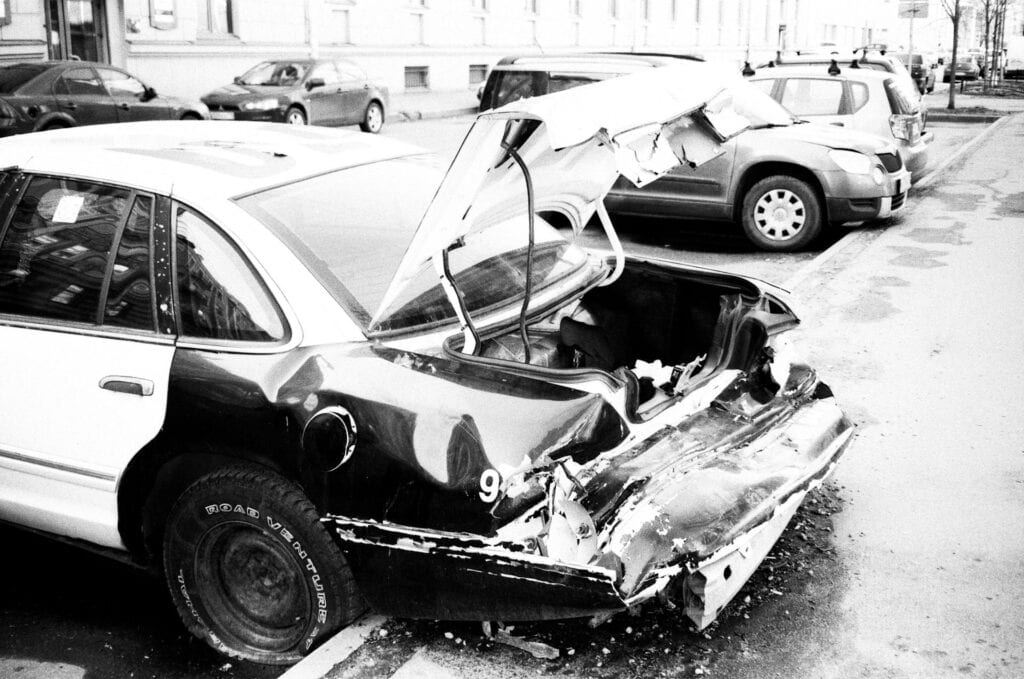
Getting hit by a driver who shouldn't have been on the road in the first place adds another layer of frustration to an already stressful situation. You're dealing with injuries, vehicle damage, medical bills, and now you find out the person who caused the crash didn't even have a valid license. It's natural to wonder whether you can still pursue compensation and what your legal options are when the at-fault driver was operating illegally.
The short answer is yes, you absolutely can sue an unlicensed driver who caused your accident in Syracuse. In fact, the driver's lack of a valid license can actually strengthen your case by serving as evidence of negligence. But there are some important complications to understand, particularly when it comes to insurance coverage and actually collecting any damages you're awarded.
What Does "Unlicensed" Actually Mean Under New York Law?
When we talk about unlicensed drivers, we're not just referring to someone who never bothered to get their license. New York's Vehicle and Traffic Law recognizes several different situations that all fall under the umbrella of unlicensed driving, and each one carries different legal consequences.
Some drivers have never obtained a license from any state. Others had a license that expired years ago and never renewed it. Then there are drivers whose licenses have been suspended or revoked by the DMV, often for serious violations like unpaid tickets, accumulating too many points, or driving while intoxicated. These drivers know they're not supposed to be behind the wheel, but they get in the car anyway.
The most serious category is what New York calls Aggravated Unlicensed Operation, or AUO. This applies specifically to people who drive with a suspended or revoked license. Unlike simple unlicensed operation, which is a traffic violation, AUO is a criminal offense. It can be charged as a misdemeanor or even a felony depending on why the license was suspended and whether the driver has prior convictions.
All of these situations can support a personal injury lawsuit if the unlicensed status contributed to causing your crash. The law doesn't distinguish between different types of unlicensed drivers when it comes to civil liability for the harm they cause.
How New York's Vehicle and Traffic Law Addresses Unlicensed Driving
New York takes unlicensed driving seriously, and the state's Vehicle and Traffic Law makes this crystal clear. VTL Section 509 flatly prohibits anyone from operating a motor vehicle on a public highway without being "duly licensed" under New York law. This isn't a suggestion or a guideline. It's a legal requirement, and violating it comes with real consequences.
The penalties for basic unlicensed operation range from $75 to $300 in fines, plus mandatory surcharges that can add significantly to the cost. In some cases, particularly for repeat offenders, the court can impose up to 15 days in jail. But these traffic penalties are separate from any civil lawsuit you might file to recover compensation for your injuries.
When someone drives with a suspended or revoked license, the stakes go up considerably. VTL Section 511 defines this as Aggravated Unlicensed Operation, and the penalties reflect the seriousness of the offense. Third-degree AUO, the least serious form, is still a misdemeanor carrying fines of $200 to $500 and up to 30 days in jail. First-degree AUO, reserved for the most egregious cases, is a felony with fines ranging from $1,000 to $5,000 and possible prison time.
There's another important piece to understand here. If the unlicensed driver was operating someone else's vehicle, the vehicle owner can also be held responsible. New York law recognizes that vehicle owners have a duty not to let unlicensed drivers use their cars. If an owner knowingly hands over their keys to someone without a valid license, they can be cited and held liable for any damages that driver causes.
Why Are Unlicensed Drivers Such a Problem on Syracuse Roads?
While unlicensed driving is a statewide issue, Syracuse has seen its own troubling patterns in recent years. The city has experienced a rise in serious and fatal crashes, and unlicensed drivers appear in these statistics far more often than their proportion of the driving population would suggest.
Part of the problem is that unlicensed drivers often lack the proper training and understanding of traffic laws that licensed drivers receive. Getting a license requires passing both written and practical tests designed to ensure basic competency behind the wheel. Unlicensed drivers have typically skipped this process entirely or lost their license precisely because they couldn't follow the rules of the road.
But there's another risk that's perhaps even more concerning for accident victims. Unlicensed drivers are significantly more likely to flee the scene of a crash. They know that staying means facing arrest, additional charges, and potentially serious criminal penalties. So they leave, taking with them any chance of getting their insurance information or even their real name. This leaves victims scrambling to figure out how to pay for medical treatment and vehicle repairs.
The insurance issue deserves special attention because it creates real hardship for people injured by unlicensed drivers. Many unlicensed drivers are also uninsured, either because they can't afford coverage or because they know no legitimate insurance company will cover an unlicensed driver. When you're hit by someone with no insurance, recovering compensation becomes much more complicated, even when the law is clearly on your side.
Can You Actually Sue Someone Who Was Driving Without a License?
Yes, and the lack of a valid license can actually work in your favor. To win a personal injury lawsuit in New York, you need to prove four basic elements:
First, you must show that the defendant owed you a duty of care. Every driver on the road has this duty to operate their vehicle safely and follow traffic laws, including the fundamental requirement of having a valid license.
Second, you need to demonstrate that the driver breached that duty. Driving without a valid license is itself a breach, but you'll typically also point to other traffic violations that contributed to the crash, like speeding, running a red light, or failing to yield. These specific dangerous actions, combined with the illegal status of driving without a license, paint a clear picture of negligent behavior.
Third, you must establish causation, meaning the driver's breach of duty was a substantial factor in causing the accident and your injuries. This is where the evidence matters most. Police reports, witness statements, photos of the scene, and expert testimony can all help connect the driver's actions to the crash.
Finally, you need to prove damages, which means documenting the real losses you suffered. Medical bills, lost wages from missing work, property damage to your vehicle, and pain and suffering all count as compensable damages. Keep every receipt, every medical record, every document related to your treatment and recovery.
Courts in New York often treat violations of traffic laws as "negligence per se," which means the violation itself is considered evidence of negligence. When someone drives without a license in violation of VTL Section 509, they've already established one element of your case for you. This doesn't guarantee you'll win, but it certainly strengthens your position.
What Happens When the Unlicensed Driver Has No Insurance?
This is where many cases involving unlicensed drivers get complicated. New York requires all drivers to carry auto insurance, but people driving without valid licenses frequently ignore this requirement too. When the at-fault driver has no insurance, you need to explore other avenues for compensation.
Your first option, and often your best one, is your own auto insurance policy. New York law requires every auto insurance policy to include uninsured and underinsured motorist coverage, unless you specifically signed a waiver declining it. Most people don't even remember whether they signed such a waiver, so check your policy documents or call your insurance company to find out what coverage you have.
UM/UIM coverage is designed for exactly this situation. When someone hits you and they either have no insurance or their coverage isn't enough to pay for all your damages, your own insurer steps in to cover the gap up to your policy limits. You'll file a claim with your own insurance company, but you're still pursuing compensation based on the other driver's fault.
Your second option is to sue the unlicensed driver personally. You can obtain a judgment against them for the full value of your damages, including medical expenses, lost income, property damage, and pain and suffering. The challenge is that if the driver has no insurance, they probably also have limited assets or income. Getting a judgment is one thing; actually collecting that money can be another matter entirely.
There's also a third possibility that many people don't consider. Under VTL Section 388, the owner of a vehicle is generally liable for accidents caused by anyone driving their car with permission, even if that driver is unlicensed. This is called vicarious liability, and it can be a lifeline when the driver personally has no resources.
If your unlicensed driver was operating someone else's vehicle with that owner's knowledge and permission, you can pursue a claim against the vehicle owner. If the owner has insurance, that policy may cover the accident even though the driver was unlicensed. Insurance companies will fight hard on this point, arguing that coverage shouldn't apply when the driver had no valid license, but an experienced attorney can often make a compelling case for coverage.
What Should You Do Immediately After a Crash with an Unlicensed Driver?
The steps you take right after the accident can significantly impact your ability to recover compensation later. Even if you're shaken up or injured, try to follow these guidelines to protect your rights.
Call the police immediately if there are any injuries or significant damage. Don't accept the other driver's suggestion to "just exchange information" or "handle this ourselves." You need an official police report, and you need that report to document that the other driver was unlicensed. Ask the responding officer to note in their report that the driver had no valid license and to cite them under the appropriate section of the Vehicle and Traffic Law.
If it's safe to do so, exchange information with the other driver before they have a chance to leave. Get their name, address, phone number, and details about the vehicle including the make, model, license plate, and registration. If they tell you why they don't have a license, write that down too. Did they say it was suspended? Expired? That they never had one? These details matter.
Under New York law, you're required to file a Report of Motor Vehicle Accident (form MV-104) with the DMV if the crash caused injury, death, or more than $1,000 in property damage. You have ten days to file this report, and failing to do so can result in your own license being suspended. Don't skip this step even if the other driver was at fault and unlicensed.
Seek medical attention right away, even if you feel okay at first. Adrenaline can mask pain and injury symptoms in the immediate aftermath of a crash. What feels like minor soreness can turn out to be serious injuries to your neck, back, or internal organs. Getting prompt medical care creates a record linking your injuries to the accident, which becomes crucial evidence in your case.
Contact your insurance company to report the accident, but be careful about what you say. Ask specifically about your UM/UIM coverage and whether it would apply in this situation. Don't give a recorded statement or sign any releases without consulting an attorney first. Insurance companies, even your own, are looking for ways to minimize what they pay out.
Finally, consult with a Syracuse car accident attorney who has experience handling cases involving unlicensed drivers. These cases have unique complications that don't exist when the at-fault driver has insurance and a valid license. An attorney can investigate the driver's license status, identify all available sources of compensation, handle negotiations with insurance companies, and file a lawsuit if necessary to protect your rights.
How Long Do You Have to File a Lawsuit?
New York has strict deadlines for filing personal injury lawsuits, and missing these deadlines usually means losing your right to sue forever. For most car accident cases, you have three years from the date of the accident to file a lawsuit in court. This applies to claims for both personal injuries and property damage to your vehicle.
If your loved one was killed in a crash caused by an unlicensed driver, the deadline is even shorter. Wrongful death claims must be filed within two years of the date of death, and only the personal representative of the deceased person's estate can bring this type of lawsuit.
Three years might sound like plenty of time, but it goes by faster than you'd think, especially when you're dealing with complicated insurance issues and an unlicensed driver. Evidence can disappear, witnesses' memories fade, and important documents get lost. The sooner you start the legal process, the better your chances of building a strong case and recovering the compensation you deserve.

Hit by an Unlicensed Driver in Syracuse?
Reach out for a free case evaluation with our experienced New York car accident attorneys.
Understanding Your Rights and Taking Action
Being injured by an unlicensed driver can feel particularly unfair. This person shouldn't have been on the road at all, and yet you're the one dealing with pain, medical bills, lost wages, and a damaged vehicle. It's important to know that the law recognizes this injustice and provides you with options for holding the driver accountable and recovering compensation.
The path forward may be more complicated than a typical car accident case, especially if the unlicensed driver has no insurance. But complicated doesn't mean impossible. Between your own UM/UIM coverage, the possibility of suing the driver personally, and potential claims against the vehicle owner, there are multiple avenues worth exploring.
Don't let the complexities of dealing with an unlicensed driver discourage you from pursuing the compensation you deserve. The unlicensed status of the driver isn't your problem to solve. It's evidence that can strengthen your case and demonstrate that the person who hit you was acting negligently from the moment they got behind the wheel.
If you've been injured in a crash with an unlicensed driver in Syracuse, acting quickly protects your rights and improves your chances of a successful outcome. The three-year statute of limitations gives you time, but starting sooner means your attorney has more time to investigate, negotiate, and if necessary, prepare for trial. Your focus should be on recovering from your injuries. Let an experienced personal injury attorney handle the legal complexities of pursuing compensation from an unlicensed driver.


