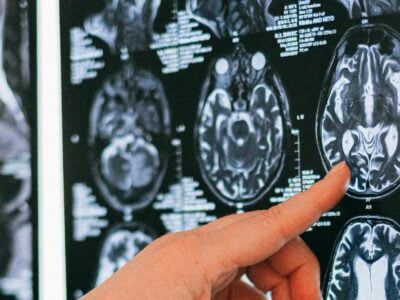



Unlike a traumatic brain injury caused by a physical blow or jolt to the head, anoxic brain injury results from a failure in the body’s oxygen delivery system, whether from a medical emergency, a preventable accident, or a healthcare provider’s failure to respond in time.
That distinction matters legally as much as it does medically. Anoxic brain injuries frequently occur in situations involving someone else’s negligence, including surgical errors, birth complications, car accidents, and delayed diagnoses.
When that negligence can be proven, the injured person or their family may have a right to compensation for what are often catastrophic, lifelong consequences.
If you or a family member may have been harmed by a doctor's error in New York, the team at Porter Law Group can review the medical records and your options at no cost.
What Is the Difference Between Anoxic and Traumatic Brain Injury?
Understanding the difference between these two categories of brain injury is the starting point for understanding how either can arise from negligence.
Traumatic brain injury (TBI) is defined by the CDC as an injury that affects how the brain works, caused by a bump, blow, jolt, or penetrating wound to the head that disrupts normal brain function. Falls, vehicle crashes, and blunt force impacts are the most common causes.
Anoxic brain injury, also called anoxic encephalopathy or cerebral anoxia, is described in medical literature as a form of hypoxic-ischemic brain injury caused by a complete interruption of oxygen delivery to the brain.
Anoxic brain injuries are distinctly different from traumatic brain injuries. Anoxia is caused by a partial or complete lack of oxygen being delivered to the brain.
When the brain is still receiving some oxygen but not enough, it is called hypoxia.
Doctors often discuss both together as a hypoxic-anoxic injury, because hypoxia can rapidly progress to anoxia if not treated immediately.
What Are the Types of Brain Injury?
Brain injuries fall into two broad categories. Understanding where anoxic injury fits helps clarify how these cases arise both medically and legally.
Traumatic brain injuries are caused by external physical force and range in severity:
Mild TBI (concussion) — Short-term disruption of brain function, often with no structural damage visible on imaging
Moderate TBI — More significant disruption, often involving loss of consciousness and lasting cognitive effects
Severe TBI — Extensive brain damage frequently resulting in permanent disability, coma, or death
Penetrating TBI — An object enters brain tissue causing localized but serious damage
Diffuse axonal injury — Widespread tearing of brain connections, typically from high-speed impacts
Acquired brain injuries, which include anoxic and hypoxic injuries, are caused by internal events rather than external force.
According to the Shepherd Center, anoxic and hypoxic brain injuries are classified together as a distinct category from traumatic brain injuries:
Anoxic brain injury — Complete oxygen deprivation to the brain
Hypoxic brain injury — Partial oxygen deprivation that can progress to anoxia
Anemic anoxia — Blood lacks sufficient hemoglobin to carry oxygen effectively
Toxic anoxia — A toxin such as carbon monoxide prevents blood from carrying or using oxygen properly
Stagnant anoxia — Blood flow to the brain is interrupted, as in cardiac arrest or stroke
Anoxic anoxia — The body cannot take in enough oxygen, as in drowning or suffocation
What Causes an Anoxic Brain Injury?
According to the National Library of Medicine, anoxic brain injury can result from many events that stop or critically disrupt oxygen delivery to brain tissue. Common causes include:
Cardiac arrest or life-threatening arrhythmias
Heart attack with significant drop in blood pressure
Strangulation, choking, or suffocation
Near-drowning or smoke inhalation
Severe asthma crisis
Carbon monoxide poisoning
Complications of anesthesia during surgery
Drug overdose causing respiratory depression
Electric shock
Severe seizures that restrict breathing
Birth complications involving umbilical cord compression or prolonged delivery
Many causes of anoxic and hypoxic brain injury are completely preventable, as in the cases of negligent accidents like car crashes, slip and fall injuries, or workplace hazards.
Other significant sources of hypoxic and anoxic harm come from medical malpractice, as in instances of surgical error and birth injury.
A child who isn’t delivered quickly enough, or who is damaged by defective medical devices like forceps, may suffer from a lack of oxygen in the critical moments during birth.
What Are the Causes of Traumatic Brain Injury?
According to the National Institute of Neurological Disorders and Stroke, the leading causes of traumatic brain injury include:
Falls — The most common cause of TBI overall, particularly among young children and adults over 65
Vehicle crashes — Motor vehicle accidents, pedestrian impacts, and bicycle accidents are among the top causes
Blunt trauma — Being struck by or against an object, a major cause in sports and workplace settings
Violence — Assault, gunshot wounds, and in children, abusive head trauma
Adults 65 and older are at greatest risk for being hospitalized and dying from a TBI, most often from a fall. Men are nearly three times more likely to die from a TBI than women.
What Happens in the Brain During Oxygen Deprivation?
When blood flow and oxygen stop, the process is sometimes described as hypoxic-ischemic brain injury, involving both the lack of oxygen and the lack of blood supply that carries it.
Because neurons need constant oxygen to maintain their electrical and chemical functions, they quickly lose the ability to fire, and if deprivation persists, they undergo cell death.
Widespread cell death across brain regions can lead to coma, persistent vegetative state, severe disability, or brain death.
The brain is highly sensitive to interruptions in oxygen supply, and this sensitivity is why anoxia is treated as a life-threatening emergency requiring immediate response.
What Are the Symptoms of an Anoxic Brain Injury?
Symptoms vary depending on how long the brain was deprived of oxygen and which regions were most affected. They can appear immediately or develop gradually in the hours and days after the event.
Acute symptoms that require immediate emergency care:
Loss of consciousness, which can occur within seconds to a minute of oxygen cutoff
Confusion or disorientation
Slurred speech or difficulty forming sentences
Bluish or grayish skin from low oxygen levels
Abnormal or shallow breathing
Dilated pupils
Seizures
Failure to respond to name or commands
Longer-term symptoms following the acute phase:
Persistent headaches
Balance and coordination problems
Movement difficulties
Vision or sensory changes
Memory loss, both short-term and long-term
Difficulty concentrating or reasoning
Speech and swallowing problems
Bladder or bowel control issues
Personality or mood changes including depression and irritability
Altered behavior and judgment
According to Bancroft’s neurorehabilitation program, survivors often face a spectrum of neurological problems depending on severity and which brain areas were most affected.
In the most serious cases, prolonged anoxia can result in a persistent vegetative state.
What Are the Symptoms of a Traumatic Brain Injury?
TBI symptoms also depend on the severity of the injury and the location of the damage within the brain.
Mild TBI symptoms:
Headache
Nausea or vomiting
Dizziness and balance problems
Blurred vision
Fatigue and sleep disturbances
Sensitivity to light and noise
Memory problems and difficulty concentrating
Mood changes and irritability
Moderate to severe TBI symptoms:
Loss of consciousness lasting more than a few minutes
Persistent or worsening headache
Repeated vomiting
Seizures
Slurred speech
Weakness or numbness in arms or legs
Profound confusion
Inability to awaken from sleep
Any of these symptoms following a head impact, a serious fall, or a car accident should be treated as a medical emergency.
How Is an Anoxic Brain Injury Diagnosed?
Clinicians typically suspect anoxic or hypoxic brain injury from the patient’s history, such as a cardiac arrest, near-drowning, or asphyxial event, combined with neurological status on arrival.
Confirmatory evaluation according to the National Library of Medicinetypically includes:
Brain imaging (CT or MRI) to look for patterns of injury consistent with oxygen deprivation
EEG to assess electrical activity and detect seizures
Evoked-potential tests to evaluate how the brain responds to stimuli
Blood oxygen and blood flow assessments
Angiography in selected cases to evaluate circulation
How Is an Anoxic Brain Injury Treated?
Treatment begins with restoring oxygen and circulation as fast as possible. Every minute without intervention increases the extent of permanent damage.
In hospital, acute management typically includes:
Airway support and mechanical ventilation
Blood pressure stabilization
Seizure control with medication
Targeted temperature management (therapeutic hypothermia), which research suggests can reduce inflammation and limit further damage after cardiac arrest
Intensive care monitoring of neurological status
After the acute phase, according to Brooks Rehabilitation, patients typically transition to a rehabilitation program involving a multidisciplinary team including:
Physical therapists for mobility and strength
Occupational therapists for daily living skills
Speech-language pathologists for communication and swallowing
Neuropsychologists for cognitive rehabilitation
Social workers for care coordination and family support
What Is the Prognosis After an Anoxic Brain Injury?
Prognosis depends heavily on how long the brain lacked oxygen, how deep and long any coma lasted, the patient’s age and baseline health, and the extent of injury seen on imaging and neurological exams.
Mild hypoxic injuries can sometimes resolve with few long-term effects. However, moderate to severe anoxic injuries often involve prolonged recovery, and persistent vegetative states lasting beyond several months carry a poor prognosis for meaningful recovery.
The duration of oxygen deprivation is the single most important factor in determining long-term outcome, which is why the speed of emergency response matters so significantly, and why delays in treatment caused by medical negligence can be so consequential.
When Is an Anoxic Brain Injury Caused by Someone Else’s Negligence?
A doctor can be liable for failing to diagnose a condition that could result in anoxia, not prescribing the correct treatment, or failing to anticipate or test for risk factors that could lead to anoxia.
Common scenarios where negligence plays a role in anoxic brain injury include:
Medical malpractice during surgery or treatment. Failure to monitor vital signs under anesthesia, delayed response to cardiac arrest, medication errors that suppress breathing, and failure to properly manage a patient’s airway can all cause preventable oxygen deprivation in a medical setting.
Birth injuries. Fetal heart rates typically spike when children fail to receive sufficient oxygen, alerting doctors and nurses of potential anoxic brain trauma. Medical staff must quickly relieve pressure on the umbilical cord in such cases. Anoxic injuries caused by healthcare negligence may give rise to medical malpractice litigation.
Car accidents. A collision can trap a person in a way that restricts breathing, or cause injuries that compromise oxygen delivery. When another driver’s negligence caused the crash, a personal injury claim applies.
Slip and fall accidents. A slip and fall incident that results in a landing that chokes or suffocates a person can lead to an anoxic brain injury. When the fall resulted from a property owner’s failure to maintain safe conditions, a premises liability claim may be available under New York law.
What Are the Legal Deadlines for a Brain Injury Claim in New York?
Claim type | Deadline | Legal basis |
Personal injury (car accident, slip and fall) | 3 years from date of injury | |
Medical malpractice | 2.5 years from malpractice or end of continuous treatment | |
Birth injury claim (child’s claim) | Tolled until age 18, giving until age 21 to file | |
Wrongful death from brain injury | 2 years from date of death | |
Government property fall | 90-day Notice of Claim, then 1 year and 90 days to file |
The infancy toll under CPLR § 208 is particularly significant in birth injury cases involving anoxic damage.
Many children do not display signs of anoxic brain trauma during infancy, and many symptoms of brain injuries imitate normal issues arising as children develop.
The extended filing window gives families time to understand the full extent of the injury and its long-term impact before committing to a course of legal action.
If you or a family member may have been harmed by a doctor's error in New York, the team at Porter Law Group can review the medical records and your options at no cost.
Summing It Up
Anoxic brain injury is one of the most serious and time-sensitive injuries a person can sustain, and the speed of response in both the medical and legal context determines outcomes.
When oxygen deprivation results from a medical provider’s failure to act, a birth complication that should have been caught, or a negligent accident, the injured person and their family have the right to pursue full compensation.
Porter Law Group handles complex brain injury cases arising from medical malpractice, birth injuries, and serious accidents across New York State.
No upfront cost, no fee unless we win.
Frequently Asked Questions
What is an anoxic brain injury?
An anoxic brain injury is a form of brain damage caused by a complete interruption of oxygen supply to the brain. According to the National Library of Medicine, brain cells begin to die within four to five minutes of oxygen deprivation, making it a life-threatening emergency requiring immediate treatment.
What is the definition of a traumatic brain injury?
The CDC defines a traumatic brain injury as an injury that affects how the brain works, caused by a bump, blow, jolt, or penetrating wound to the head. TBIs range from mild concussions to severe injuries involving permanent disability or death.
What are the types of traumatic brain injury?
TBIs are classified as mild, moderate, or severe based on the extent of disruption to brain function. Specific types include concussion, diffuse axonal injury, penetrating TBI, and contusion. Anoxic and hypoxic brain injuries are classified separately as acquired brain injuries, not traumatic ones.
What are the symptoms of a traumatic brain injury?
Mild TBI symptoms include headache, dizziness, nausea, confusion, and sensitivity to light and noise. Moderate to severe TBI symptoms include loss of consciousness, repeated vomiting, seizures, slurred speech, and profound confusion. Any of these symptoms following a head impact require immediate medical evaluation.
What are the symptoms of an anoxic brain injury?
Acute symptoms include confusion, slurred speech, bluish skin, abnormal breathing, seizures, and loss of consciousness. According to Bancroft’s neurorehabilitation program, longer-term effects include memory loss, coordination problems, personality changes, speech and swallowing difficulties, and in severe cases, persistent vegetative state.
What causes an anoxic brain injury?
Common causes include cardiac arrest, stroke, drowning, suffocation, carbon monoxide poisoning, drug-induced respiratory depression, anesthesia complications, and birth complications involving oxygen deprivation. Many anoxic brain injuries result from preventable accidents or medical negligence.
Can you sue for an anoxic brain injury caused by medical malpractice in New York?
Yes. If a healthcare provider’s failure to meet the standard of care caused or contributed to an anoxic brain injury, a medical malpractice claim may be available under CPLR § 214-a, with a two-and-a-half-year filing deadline. Birth injury claims involving anoxic damage to a newborn benefit from the infancy toll under CPLR § 208, which extends the deadline until the child’s 21st birthday.
Contact Porter Law Group
Michael S. Porter, J.D.
Phone: +1 833-767-8379
Email: info@porterlawteam.com