


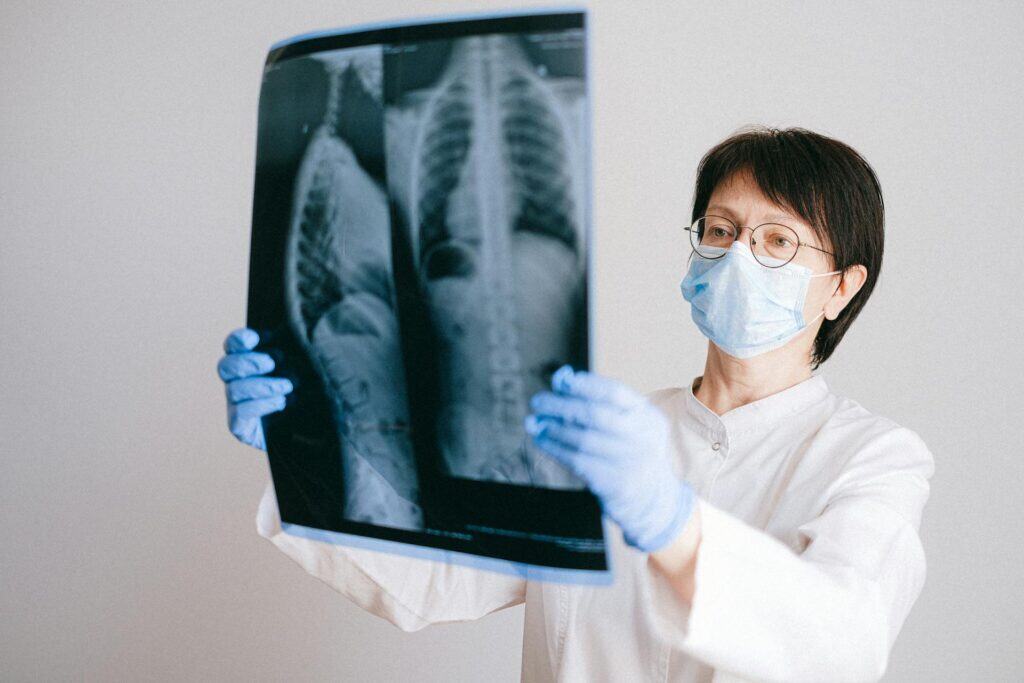

Getting a lung cancer diagnosis changes everything. If your illness stems from something beyond your control, like exposure to toxic materials at work or during military service, you might have legal options to pursue compensation. The process can feel overwhelming when you’re already dealing with medical treatments and uncertainty about the future, but understanding how lung cancer claims work in New York can help you make informed decisions about your next steps.
Lung cancer claims in New York typically connect to documented causes like asbestos exposure in workplaces, military service, or specific situations like the World Trade Center cleanup. Unlike some medical conditions where proving the cause remains difficult, certain lung cancer cases have clear links to documented exposures that make legal claims viable. The claim process involves multiple steps, from confirming your diagnosis to gathering evidence about where and when exposure occurred, then filing within strict time limits that vary based on your specific situation.
Prior results do not guarantee a similar outcome.
Most lung cancer claims in New York fall under personal injury law, workers’ compensation systems, or federal programs designed to handle occupational diseases. There isn’t a single unified “lung cancer claim process” run by New York State government. Instead, your path depends on how you developed the disease and what type of compensation you’re seeking.
What Types of Lung Cancer Claims Can You File in New York?
The vast majority of successful lung cancer claims in New York involve asbestos exposure. This naturally occurring mineral was used extensively in construction materials, shipyards, railroad equipment, and countless industrial products throughout the 20th century. Workers in trades like construction, plumbing, electrical work, shipbuilding, and railroad maintenance faced regular exposure without proper protection or warnings about the dangers.
Asbestos-related lung cancer claims can proceed through lawsuits against companies that manufactured or used asbestos products, or through asbestos bankruptcy trust funds set up by companies that went bankrupt due to asbestos liabilities. These trusts hold over $30 billion set aside specifically to compensate people harmed by asbestos exposure. When you file a claim, you’re not taking money from a struggling business. You’re accessing funds specifically reserved for people in your situation.
Workers’ compensation claims represent another pathway, particularly for occupational exposures that led to lung cancer. Railroad workers often pursue claims under the Federal Employers Liability Act (FELA), which requires proving employer negligence but can result in substantial compensation. These claims differ from standard workers’ compensation because they allow for pain and suffering damages, not just medical expenses and lost wages.
If you participated in World Trade Center rescue, recovery, or cleanup operations, you might qualify for benefits under programs specifically created for first responders and workers who developed illnesses linked to Ground Zero exposure. The World Trade Center Health Program recognizes over 70 types of cancer, including lung cancer, as conditions potentially caused by exposure during those operations.
Veterans with lung cancer potentially caused by military asbestos exposure can pursue VA benefits alongside other claims. The important thing to understand is that receiving VA benefits doesn’t prevent you from also filing a lawsuit or trust claim. These different compensation sources don’t cancel each other out.
How Long Do You Have to File a Lung Cancer Claim?
Time limits for filing lung cancer claims in New York typically range from two to three years, but the starting point for that countdown matters tremendously. For most personal injury claims in New York, the clock starts when you receive your diagnosis, not when the exposure occurred. This “discovery rule” recognizes that lung cancer often doesn’t appear until decades after asbestos or other toxic exposures.
These deadlines are not flexible. Courts dismiss cases filed even one day late, regardless of how strong your evidence might be. The complexity comes from figuring out exactly when your time limit started. Was it the date of your biopsy? The day a doctor first said “cancer” to you? The moment you learned your cancer might be connected to past exposures? These questions have legal answers that vary based on your specific circumstances.
Asbestos bankruptcy trusts operate on their own timelines separate from court filing deadlines. Some trusts remain open indefinitely, while others have specific claim periods. The challenge is that trust payment percentages change over time as more people file claims against limited funds. The Nicolet and Keasbey & Mattison asbestos trusts, for example, currently pay out at 10.8% of scheduled values, with lung cancer cases scheduled at $42,500, meaning actual payouts would be roughly $4,590 from that particular trust. Multiple trust claims can add up significantly, but timing affects how much remains available.
The critical takeaway is that waiting to explore your legal options can cost you the right to pursue them at all. Even if you’re focused entirely on treatment right now, having an attorney evaluate your potential claims preserves your options for when you’re ready to move forward.
What Evidence Do You Need for a Lung Cancer Claim?
Building a successful lung cancer claim requires two distinct types of proof that work together:
First, you need medical evidence confirming your diagnosis and its severity.
Second, you need documentation connecting your cancer to a specific cause that someone else is legally responsible for.
Medical evidence starts with your diagnosis itself. Biopsy reports, imaging studies like CT scans or X-rays, pathology reports, and treatment records all establish that you have lung cancer and document its progression. For workers’ compensation claims, you’ll need detailed medical narratives from your doctors explaining how your work exposure contributed to your disease. These aren’t simple doctor’s notes. They’re comprehensive reports that connect your medical condition to your occupational history based on medical literature and your specific circumstances.
Exposure evidence proves where and when you encountered the substances that caused your cancer. For asbestos claims, this might include employment records showing you worked at sites known to use asbestos, military service records documenting your role on ships or in facilities with asbestos materials, or witness statements from coworkers who remember working with specific asbestos products. Product identification matters because different companies made different asbestos materials, and your claim might target multiple manufacturers.
Many people worry that smoking history will disqualify them from pursuing a lung cancer claim. This isn’t necessarily true. Medical research shows that asbestos exposure and smoking have a synergistic effect, meaning together they increase lung cancer risk far more than either factor alone. If you have documented asbestos exposure, you can still pursue a claim even if you smoked. The smoking history might affect the value of your claim, but it doesn’t automatically eliminate it.
Work history documentation becomes especially important for occupational exposure claims. Pay stubs, union records, Social Security work history, tax returns, and even old photographs from job sites can help establish where you worked and when. If your employer is no longer in business or records have been lost, witness testimony from former coworkers can fill gaps in documentation.
Can You Sue for Lung Cancer in New York?
Whether you can sue for lung cancer in New York depends on whether you can establish that someone else’s negligence or a defective product caused your disease. This isn’t about blame in a moral sense. It’s about legal responsibility under New York law.
Asbestos manufacturers and companies that used asbestos products in ways that exposed workers face liability because they either knew or should have known about the dangers of asbestos exposure. Internal company documents from the mid-20th century show that many asbestos companies understood the health risks but continued using these materials without adequate warnings or protection for workers. This knowledge creates legal liability.
Filing a lawsuit means taking your case to court, where you’ll need to prove your exposure, your diagnosis, and the connection between the two. Lawsuits can result in substantial verdicts, with some asbestos-related cases resulting in multi-million dollar awards. Related mesothelioma cases, which involve the same asbestos exposure that can cause lung cancer, have resulted in verdicts ranging from $4 million to over $12 million in recent years.
Most lung cancer claims settle before trial. Settlement negotiations involve your attorney and the defendant’s lawyers or insurance companies working out an agreement on compensation without going through a full trial. Settlements offer certainty and typically resolve faster than trials, but they require careful evaluation to ensure the offered amount fairly compensates you for your losses.
The average settlement for asbestos-related lung cancer claims is around $100,000, though amounts vary widely based on your age, work history, exposure severity, and other factors. Some cases settle for much more, particularly when exposure was extensive or multiple companies share responsibility.
What Happens During the Claims Process?
The lung cancer claim process typically begins with a case evaluation. An attorney experienced in occupational disease cases will review your medical records, work history, and exposure circumstances to determine what types of claims you might pursue. This initial review helps identify potential defendants, applicable trust funds, and the strongest legal theories for your situation.
Once you decide to move forward, your legal team will gather comprehensive evidence. This means obtaining complete medical records, researching your work history to identify asbestos products you encountered, and potentially interviewing witnesses who can confirm your exposures. For asbestos claims, attorneys often work with investigators who specialize in tracking down product information and exposure evidence from decades ago.
Filing the claim comes next, and the specifics depend on whether you’re pursuing a lawsuit, trust claim, workers’ compensation case, or multiple claims simultaneously. Court filings in New York follow specific procedural rules under the Civil Practice Law and Rules. Trust claims each have their own forms and requirements. Your attorney handles these filings, but you’ll need to provide information and possibly give depositions or testimony about your work history and health.
The discovery phase in lawsuits involves both sides exchanging information and evidence. You might need to sit for a deposition where the defendant’s attorneys ask you questions under oath about your work history, health, and the circumstances of your exposure. Your attorney will prepare you for this process and be present throughout.
Workers’ compensation claims for lung cancer often require reaching what’s called Maximum Medical Improvement, the point where your condition has stabilized and doctors can assess permanent impairment. This typically occurs 12 to 18 months after diagnosis, though it varies based on your treatment and response. A doctor must complete specific forms, like Form C-4.3 in New York workers’ compensation cases, documenting your impairment and its connection to your work.
Negotiation or litigation follows evidence gathering. Many cases settle during this phase as both sides evaluate the strength of the evidence and the likely outcome at trial. Settlement discussions might happen through formal mediation with a neutral third party or through direct negotiations between attorneys.
If your case goes to trial, you’ll present your evidence to a judge or jury who will decide whether the defendant is liable and what compensation you should receive. Trials can take several days or weeks depending on complexity, and the outcome is never guaranteed. However, strong cases with clear evidence of exposure and causation can result in substantial verdicts that exceed settlement offers.
What Compensation Can You Receive?
Lung cancer claims can provide several types of compensation depending on the legal pathway you pursue.
Economic damages cover measurable financial losses like medical expenses, both past and future, and lost wages from time away from work. If your cancer prevents you from returning to your previous employment, you might receive compensation for lost earning capacity, the difference between what you would have earned and what you can now earn given your limitations.
Non-economic damages address the human impact of lung cancer that doesn’t come with a receipt. Pain and suffering compensation recognizes the physical discomfort and emotional distress of living with cancer and undergoing treatment. Loss of enjoyment of life damages acknowledge that cancer changes your ability to participate in activities and experiences you previously enjoyed.
In cases involving particularly reckless conduct by defendants, punitive damages might apply. These aren’t meant to compensate you for your losses but to punish especially egregious behavior and deter similar conduct in the future. Punitive damages are relatively rare and typically require proof that a defendant acted with conscious disregard for safety.
The actual amounts vary tremendously based on individual circumstances. Factors affecting compensation include your age, your work history and income, the severity of your cancer and prognosis, the strength of evidence connecting your cancer to the defendant’s conduct, and whether you have a smoking history. Younger victims with more severe cases and clear exposure evidence generally receive higher compensation than older victims with less severe disease or ambiguous exposure histories.
Asbestos trust funds operate differently than lawsuits. Each trust has a schedule of values for different diseases, with lung cancer typically valued lower than mesothelioma because lung cancer has multiple potential causes beyond asbestos. Trusts pay a percentage of the scheduled value based on how much money remains in the trust. As mentioned earlier, some trusts currently pay around 10% of scheduled values, while others pay higher percentages. Filing claims with multiple trusts can significantly increase total compensation.
Workers’ compensation provides medical coverage and wage replacement but typically doesn’t include pain and suffering damages. Federal Employers Liability Act claims for railroad workers do allow pain and suffering damages, making them more similar to personal injury lawsuits than standard workers’ compensation.
Do You Need an Attorney for a Lung Cancer Claim?
The short answer is in most cases, yes, you need an attorney for any lung cancer claim. These cases involve complex medical evidence, detailed exposure investigations, and legal procedures that require specialized knowledge. Attempting to handle a lung cancer claim on your own puts you at a significant disadvantage against experienced defense attorneys and insurance companies whose job is to minimize what they pay out.
Attorneys who handle lung cancer claims work on a contingency fee basis, meaning they receive a percentage of your recovery rather than charging upfront fees. This arrangement makes legal representation accessible even if you’re facing financial stress from medical bills and lost income. You don’t pay anything unless your attorney recovers compensation for you.
Experienced attorneys bring resources you can’t access on your own. They work with medical experts who can review your records and provide testimony connecting your cancer to your exposure. They employ investigators who specialize in tracking down exposure evidence from decades ago. They understand the procedural requirements for different types of claims and know how to navigate trust claim processes that have specific forms and documentation requirements.
Perhaps most importantly, attorneys experienced in lung cancer claims understand what your case is worth. Insurance companies and trust administrators often make initial settlement offers that fall far short of fair compensation, hoping you’ll accept out of financial desperation or lack of knowledge about typical case values. An attorney can evaluate whether an offer is reasonable or whether you should continue negotiating or proceed to trial.
The legal landscape for asbestos and occupational disease claims is also constantly evolving. Attorneys who regularly handle these cases stay current on changes in trust payment percentages, new medical research on causation, and procedural developments in courts. This specialized knowledge directly affects the outcome of your case.
What If You Have Other Health Conditions?
Many people with lung cancer have other health issues, either from the same exposure that caused their cancer or from unrelated causes. These additional conditions don’t necessarily prevent you from pursuing a lung cancer claim, but they do affect how your case is evaluated and presented.
If you have other asbestos-related diseases like asbestosis or pleural plaques along with lung cancer, these conditions strengthen your case by providing additional evidence of significant asbestos exposure. Multiple asbestos-related conditions demonstrate that your exposure was substantial and prolonged enough to cause various types of damage.
Chronic obstructive pulmonary disease, emphysema, or other respiratory conditions might be related to your exposure or might have independent causes like smoking. Medical experts can often distinguish between damage from different sources based on the specific patterns of disease and your exposure history. These other conditions don’t automatically disqualify you from compensation, but they require careful medical analysis to separate the effects of different causes.
Heart disease, diabetes, and other common health conditions generally don’t affect lung cancer claims unless they somehow contributed to your cancer or make it difficult to establish that your exposure caused your disease. Most defendants will argue that any health problem you have reduces their liability, so expect your overall health history to be scrutinized during the claims process.
If your lung cancer has metastasized or you’ve developed complications from treatment, these factors affect the value of your claim by demonstrating the severity of your disease and the impact on your life expectancy and quality of life. More severe cases generally result in higher compensation.
What About Claims After Death?
If someone you love died from lung cancer caused by occupational exposure, you might be able to pursue a wrongful death claim on their behalf. New York law allows certain family members to file wrongful death lawsuits to recover compensation for losses resulting from a death caused by someone else’s negligence or wrongful conduct.
Wrongful death claims must be filed by the personal representative of the deceased person’s estate, typically named in their will or appointed by the court if they died without a will. The personal representative files the lawsuit on behalf of the estate and surviving family members who have suffered losses from the death.
Compensation in wrongful death cases includes economic losses like medical expenses before death, funeral and burial costs, and the financial support the deceased would have provided to their family. Non-economic damages can include loss of companionship, guidance, and the emotional support the deceased provided to their spouse and children.
The statute of limitations for wrongful death claims in New York is generally two years from the date of death, though exceptions might apply in certain circumstances. This deadline is separate from the deadline that applied during the deceased person’s lifetime. If your loved one was diagnosed with lung cancer but died before filing a claim, you might still have time to pursue a wrongful death case even though the personal injury deadline has passed.
Estate claims can also seek compensation for the pain and suffering the deceased experienced between diagnosis and death. This survival action is separate from the wrongful death claim and compensates the estate for what the deceased person endured while living with cancer.
Learn about all your legal options and what damages you can recover from an experienced personal injury attorney.
Summing It Up
The lung cancer claim process in New York involves multiple potential pathways depending on how you developed the disease and what type of compensation you’re seeking. Most successful claims connect to documented asbestos exposure in workplaces, military service, or specific situations like World Trade Center operations. The process requires confirming your diagnosis, gathering evidence of exposure, filing within strict time limits typically ranging from two to three years, and either negotiating a settlement or proceeding to trial.
You have several options for pursuing compensation, including lawsuits against companies that manufactured or used asbestos products, claims against asbestos bankruptcy trust funds, workers’ compensation cases, or federal programs for veterans and first responders. These different pathways aren’t mutually exclusive. You might pursue multiple types of claims simultaneously to maximize your total recovery.
The evidence you need includes medical records confirming your diagnosis and its severity, plus documentation of where and when you were exposed to asbestos or other substances that caused your cancer. Work history, employment records, military service documentation, and witness testimony all help establish your exposure. Even if you have a smoking history, you can still pursue a claim if you have documented asbestos exposure.
Compensation varies widely based on your individual circumstances, but asbestos-related lung cancer settlements average around $100,000, with some cases resulting in substantially higher amounts through trial verdicts or multiple trust claims. The factors affecting your compensation include your age, work history, cancer severity, strength of exposure evidence, and overall health.
Time matters critically in lung cancer claims. Filing deadlines are strict and non-waivable, and trust fund payment percentages can decrease over time as more people file claims against limited funds. Even if you’re focused entirely on treatment right now, consulting with an attorney experienced in occupational disease cases preserves your legal options for when you’re ready to move forward. These consultations typically cost nothing, and attorneys handle lung cancer claims on contingency, meaning you pay nothing unless they recover compensation for you.
Living with lung cancer is difficult enough without worrying about financial stress from medical bills and lost income. If your disease resulted from exposure to toxic substances in your workplace or during military service, you have legal rights to pursue compensation from those responsible. Understanding the claim process is the first step toward exercising those rights and securing the financial resources you need during this challenging time. Contact us today to schedule your free consultation. You can also reach out to the Porter Law Group by calling 833-PORTER9, or emailing info@porterlawteam.com. Don’t delay. The clock is running on your lung cancer compensation claim.