


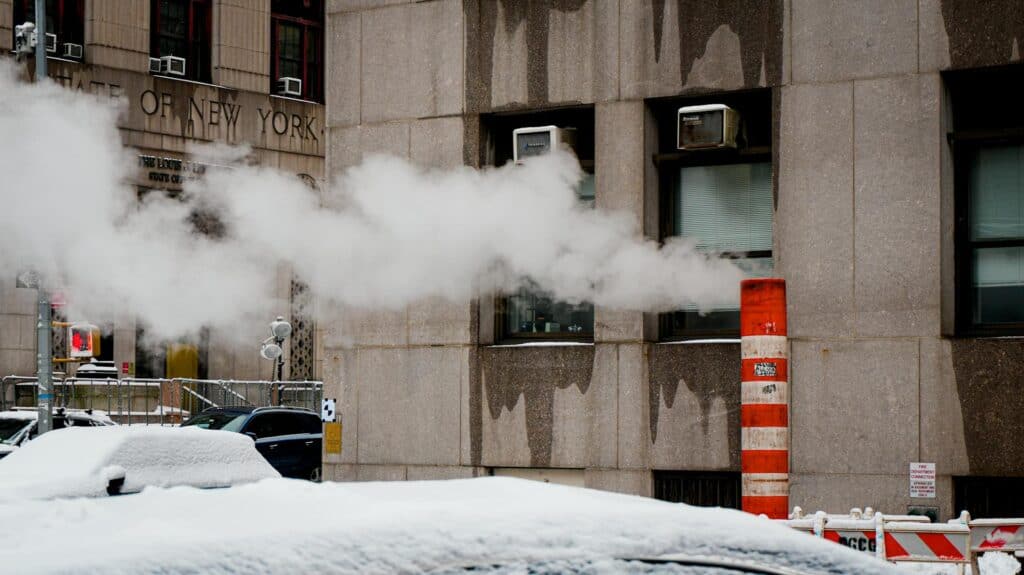
New York City construction sites can become hazardous environments during winter weather. Freezing temperatures, snow accumulation, and dangerous wind chills create conditions where workers face risks that go far beyond typical job site dangers. Understanding these hazards and the protections available can mean the difference between staying safe and suffering a serious injury.
Hurt Because of Poor Safety Management at a Construction SIte?
CONTACT USOur Recent Case Results
Settlement
Jury Verdict
Settlement
Settlement
The New York City Department of Buildings takes winter construction safety seriously enough to issue specific weather advisories when conditions become particularly dangerous. In January 2026, the DOB issued an advisory urging contractors and property owners to secure sites amid ongoing snow, freezing temperatures, and single-digit wind chills. These advisories serve as reminders, but the legal responsibility for maintaining safe conditions never wavers, regardless of weather.
What Makes Winter Construction Work So Dangerous
Construction work ranks among the most hazardous occupations in any season, but winter introduces an entirely different category of risks.
Cold stress illnesses like hypothermia and frostbite can develop quickly when workers spend extended periods exposed to freezing temperatures. These conditions impair judgment, reduce dexterity, and slow reaction times, making workers more vulnerable to accidents.
The physical environment changes dramatically in winter. Ice forms on ladders, scaffolding, and walking surfaces, creating slip and fall hazards. Snow accumulation obscures uneven ground, open trenches, and other dangers that workers would normally see. Wind chill factors amplify the cold, pulling heat away from the body faster than temperature alone would suggest. A 20-degree day with 30 mph winds feels like 4 degrees to exposed skin, and frostbite can occur within 30 minutes under those conditions.
Equipment behaves differently in cold weather. Hydraulic systems on cranes and hoists can malfunction. Materials become brittle. Electrical systems face increased strain. Metal tools and surfaces conduct cold directly to workers' hands. These changes create mechanical failures and equipment-related injuries that simply do not happen during warmer months.
Who Is Responsible for Keeping Construction Sites Safe in Winter
Under Section 28-301.1 of the NYC Administrative Code, property owners bear legal responsibility for maintaining safe conditions at construction sites. This responsibility does not diminish because of weather. When the Department of Buildings issues a weather advisory, it functions as a reminder of existing obligations, not as new requirements that appear only during storms.
Contractors and site supervisors share responsibility for implementing safety measures. They must follow OSHA regulations, which apply to construction sites throughout New York City. OSHA's general duty clause requires employers to provide workplaces free from recognized hazards likely to cause death or serious physical harm. Cold stress can qualify as such a hazard.
The layered responsibility structure means multiple parties may be liable when winter conditions contribute to a construction accident. A worker injured due to inadequate winter safety measures might have claims against the property owner, the general contractor, and potentially equipment manufacturers if mechanical failures played a role.
What Safety Measures Must Be in Place at Winter Construction Sites
New York City construction sites must implement specific winterization measures when temperatures drop. The Department of Buildings requires contractors to tie down and secure all materials and loose debris that high winds could turn into projectiles. Electrical equipment must be covered and protected from weather exposure. Loose tools, oil cans, and similar items need proper storage rather than being left where wind can scatter them.
Cranes, scaffolding, hoists, and other elevated equipment require securing against high winds. This goes beyond simply parking equipment. Operators must follow manufacturer specifications for cold weather operation and shutdown procedures. Ice buildup on crane components creates weight imbalances and mechanical stress that can lead to catastrophic failures.
Fall protection becomes even more critical in winter. Buildings Bulletin 2015-029 mandates installation of vertical netting, debris netting, and material-fall protection systems. These systems must account for additional weight from ice and snow accumulation. Workers need clear pathways kept free of ice, with sand or salt applied to walking surfaces.
Personal protective equipment requirements expand in cold weather. Standard hard hats, work boots, and safety glasses remain necessary, but workers need insulated gloves that still allow dexterity, layered clothing that wicks moisture away from skin, and headwear that covers ears. Cotton clothing creates particular dangers because it retains moisture and loses insulating properties when wet.
How Cold Weather Injuries Happen to Construction Workers
Hypothermia develops when the body loses heat faster than it can produce warmth. Early symptoms include shivering, fatigue, and confusion. Workers experiencing these symptoms often do not recognize their own impairment. They make poor decisions, operate equipment unsafely, and put themselves in dangerous positions they would normally avoid. As hypothermia progresses, shivering stops, coordination fails, and consciousness fades.
Frostbite damages skin and underlying tissues through freezing. Fingers, toes, nose, and ears face the highest risk because blood flow to extremities decreases as the body tries to protect core temperature. Workers wearing inadequate gloves while handling frozen metal tools or equipment can develop frostbite rapidly, and the injury may not be immediately apparent. Affected areas feel numb, and workers continue using damaged hands without realizing the extent of injury until rewarming begins.
Slips and falls multiply in winter conditions. A worker carrying materials across an icy surface lacks the ability to catch themselves if they start to fall. Falls from scaffolding or ladders become more likely when ice reduces friction between boots and rungs. These falls cause the same traumatic injuries seen in other seasons, such as broken bones, head trauma, and spinal cord damage, and they may happen more frequently when ice and snow cover work surfaces.
Equipment failures in cold weather create crush injuries, electrocutions, and struck-by accidents. Hydraulic systems that operate normally in moderate temperatures can fail suddenly when fluid thickens in extreme cold. Crane cables contract and may snap under load. Electrical systems draw more current in cold weather, overloading circuits and creating fire or shock hazards.
Can You Sue for a Winter Construction Accident
Workers injured in construction accidents have legal options that depend on the circumstances of their injury and their employment status. New York's workers' compensation system provides benefits to most employees injured on the job, covering medical expenses and a portion of lost wages regardless of who was at fault. This system typically prevents workers from suing their direct employer, even when the employer's negligence contributed to the injury.
However, workers' compensation represents only one potential avenue for recovery. New York Labor Law Sections 240 and 241, known as the Scaffold Law and Construction Safety Law, create special protections for construction workers injured in falls or struck-by accidents. These laws impose absolute liability on property owners and general contractors for certain types of construction accidents, meaning injured workers do not need to prove negligence. If safety equipment was inadequate or absent, liability attaches automatically in most cases.
Third-party liability claims expand options further. Construction sites involve multiple companies, subcontractors, equipment manufacturers, and property owners. When someone other than the injured worker's direct employer caused or contributed to the accident, that party can be sued for negligence. A worker employed by a subcontractor who gets injured due to the general contractor's failure to implement winter safety measures has a potential negligence claim against that general contractor.
Equipment manufacturers face liability when defective products cause injuries. A crane that fails due to a design flaw that makes it unsuitable for cold weather operation creates product liability claims. These cases require proving the equipment was defectively designed, manufactured, or that adequate warnings about cold weather limitations were absent.
What Compensation Can Construction Workers Recover After Winter Injuries
The value of a construction accident claim depends on the severity of injuries, the extent of negligence, and the parties held liable. Workers' compensation provides medical coverage and wage replacement at roughly two-thirds of average weekly earnings, but it does not compensate for pain and suffering or fully replace lost income.
Personal injury lawsuits against third parties can recover much more comprehensive damages. Medical expenses include not just immediate treatment but ongoing care, rehabilitation, and future medical needs. A worker who suffers frostbite requiring amputation of fingers faces a lifetime of adaptation, potential prosthetics, and reduced earning capacity. These long-term impacts factor into damage calculations.
Lost wages extend beyond the immediate recovery period. Construction work demands physical capability. Injuries that create permanent limitations may prevent workers from returning to their previous positions. Reduced earning capacity accounts for the difference between what a worker would have earned in construction and what they can earn in alternative work given their limitations.
Pain and suffering damages compensate for the physical pain, emotional distress, and reduced quality of life that injuries create. A traumatic fall that results in chronic back pain affects every aspect of daily living. These non-economic damages often represent the largest component of personal injury settlements and verdicts.
What To Do Immediately After a Winter Construction Injury
Getting medical attention takes priority over everything else. Cold stress injuries worsen rapidly without treatment. Hypothermia requires gradual rewarming under medical supervision. Frostbite demands careful assessment to determine the extent of tissue damage. Traumatic injuries like fractures or head trauma need immediate emergency care.
Report the injury to a supervisor as soon as possible. New York workers' compensation claims require notice within 30 days of the accident, though seeking benefits within two years of injury is generally acceptable. Delayed reporting can complicate claims and create questions about whether the injury actually occurred at work.
Document everything possible. Take photos of the accident scene, including ice or snow conditions, lack of safety equipment, or equipment failures that contributed to the injury. Get names and contact information for witnesses. Write down exactly what happened while memory remains fresh. Weather conditions matter in these cases, so note the temperature, wind, and precipitation as best as you can.
Preserve evidence of inadequate safety measures. If the site lacked proper winter protection, if equipment was not winterized, or if workers did not receive adequate protective gear, these facts support negligence claims. Employers and contractors often remedy safety violations quickly after accidents, destroying evidence that could support a claim.
How Long Do You Have to Take Legal Action
New York's statute of limitations for personal injury claims gives injured workers three years from the date of injury to file a lawsuit. This deadline is firm. Missing it eliminates the right to sue, regardless of how strong the case might be or how severe the injuries are.
Workers' compensation claims operate under different deadlines. Injured workers should notify their employer within 30 days and file a claim within two years. The two-year deadline can be extended in certain circumstances, but relying on extensions creates unnecessary risk.
Claims against government entities face much shorter deadlines. If a construction accident involves a city or state-owned property, injured workers must file a notice of claim within 90 days. This requirement catches many people by surprise. The 90-day window passes quickly, especially when someone is focused on medical treatment and recovery.
Starting the legal process early provides advantages beyond simply meeting deadlines. Evidence disappears over time. Witnesses' memories fade. Site conditions change. Weather records become harder to obtain. Companies go out of business or change names. Beginning investigation and claim development soon after injury preserves evidence and strengthens cases.
What Happens During a Construction Accident Investigation
Construction accident investigations involve multiple agencies and parties. The Department of Buildings may conduct inspections, particularly after serious injuries or when weather advisories were in effect. DOB inspectors look for code violations, inadequate safety measures, and non-compliance with weather-related requirements. They can issue violations or Stop Work Orders that halt all activity at the site.
OSHA investigates construction accidents that result in hospitalization, amputation, or death. OSHA inspectors examine whether employers complied with federal safety standards, including cold stress prevention requirements. They interview workers, review safety training records, and assess whether adequate protective equipment was provided. OSHA citations can support personal injury claims by establishing that safety violations occurred.
Insurance companies conduct their own investigations to assess liability and potential claim value. These investigations serve the insurer's interests, not the injured worker's interests. Insurance adjusters may contact injured workers shortly after accidents, seeking statements or offering quick settlements. These early settlements almost always undervalue claims, particularly before the full extent of injuries becomes clear.
Independent investigations by attorneys representing injured workers focus on building the strongest possible case. This includes hiring experts to analyze accident causes, reviewing employment records and safety training documentation, obtaining weather data for the accident date, and consulting with medical professionals to understand the full impact of injuries.
Why Winter Construction Accidents Often Involve Multiple Liable Parties
Construction sites operate through complex networks of relationships between property owners, general contractors, subcontractors, equipment rental companies, and material suppliers. This structure creates multiple potential sources of liability when accidents occur.
Property owners have non-delegable duties under New York Labor Law. They cannot escape liability by hiring contractors to manage safety. When a worker falls from scaffolding that was not properly secured for winter conditions, the property owner faces liability regardless of whether they personally oversaw scaffolding installation.
General contractors coordinate site activities and bear responsibility for overall safety. They must ensure subcontractors implement proper winter safety measures. A general contractor who fails to shut down work during dangerous weather conditions, despite knowing about hazardous ice accumulation, creates liability for injuries that result.
Subcontractors employ many construction workers directly. While workers' compensation generally prevents employees from suing their direct employers, subcontractor negligence often supports claims under Labor Law 240 and 241 when combined with property owner or general contractor liability.
Equipment rental companies can be liable when they provide machinery unsuitable for winter conditions without adequate warnings. A company that rents a crane knowing it will be used in freezing temperatures must either ensure the crane is winterized or clearly communicate limitations and required precautions.
What Role Does Workers' Compensation Play
Workers' compensation provides immediate benefits without requiring proof of fault. This system covers medical treatment, pays a portion of lost wages, and provides disability benefits if injuries prevent returning to work. For many injured construction workers, workers' compensation offers the fastest path to receiving benefits during recovery.
However, workers' compensation has significant limitations. It replaces only about two-thirds of wages, and weekly benefits are capped. It does not compensate for pain and suffering. It does not account for reduced quality of life or the full impact of permanent disabilities. For workers with serious injuries, workers' compensation alone rarely provides adequate compensation.
The trade-off for receiving workers' compensation is that employees generally cannot sue their direct employer for negligence. This immunity protects employers from personal injury lawsuits even when their negligence clearly caused the injury. However, this immunity does not extend to third parties, and it does not prevent claims under Labor Law 240 and 241 against property owners and general contractors.
Injured workers can pursue both workers' compensation and third-party personal injury claims simultaneously. Workers' compensation provides immediate support while personal injury claims develop. If a personal injury settlement or verdict is obtained, the workers' compensation carrier may have a lien for benefits paid, but injured workers typically still receive substantially more than workers' compensation alone would provide.
How Weather Conditions Affect Liability in Construction Cases
Severe weather does not eliminate liability for construction accidents. Property owners and contractors cannot simply point to snow or cold temperatures as the sole cause of injury and escape responsibility. The question becomes whether reasonable safety measures were implemented given the weather conditions.
The Department of Buildings issues weather advisories specifically because certain conditions require enhanced safety measures. When an advisory is in effect and a contractor fails to implement required precautions, that failure supports negligence claims. The advisory demonstrates that the danger was foreseeable and that specific actions should have been taken.
Weather data becomes critical evidence in these cases. Detailed records from the National Weather Service showing temperature, wind speed, precipitation, and wind chill at the time of an accident establish the conditions workers faced. This data can prove that conditions exceeded safe working thresholds or that weather-related hazards were present that required specific safety responses.
The question of whether work should have been suspended entirely can arise in severe weather cases. While construction often continues in winter, there are conditions where continuing work becomes unreasonably dangerous. Determining whether that threshold was crossed requires expert analysis of weather conditions, the specific work being performed, and industry standards for weather-related work stoppages.
What Construction Workers Should Know About Their Rights
Construction workers have the right to refuse work they reasonably believe poses imminent danger. OSHA regulations protect workers from retaliation when they exercise this right. A worker who refuses to climb icy scaffolding without proper fall protection cannot be fired or disciplined for that refusal.
Workers have the right to adequate safety equipment and training. Employers must provide personal protective equipment suitable for the conditions at no cost to workers. This includes cold weather gear when temperatures require it. Training must cover cold stress recognition, proper use of winter PPE, and procedures for working safely in winter conditions.
Immigrant workers have the same rights as any other construction worker. Immigration status does not affect the right to workers' compensation or the ability to file personal injury lawsuits. Employers sometimes exploit immigrant workers by suggesting they cannot seek legal remedies, but this is false. New York law protects all workers regardless of immigration status.
Union members may have additional protections through collective bargaining agreements. These agreements often include specific winter weather protocols, enhanced safety requirements, and procedures for addressing unsafe conditions. Union representatives can advocate for members and help navigate the claims process after injuries.

Injured at a Construction Site Because of Poor Winter Safety Management?
Get a free case review from an experienced personal injury attorney.
Summing It Up
Winter construction work in New York City demands vigilance from everyone involved in building projects. Freezing temperatures, ice, snow, and wind create hazards that can cause devastating injuries when proper precautions are not taken. Property owners and contractors bear legal responsibility for implementing safety measures that protect workers from cold stress illnesses, slips and falls, and equipment failures that become more likely in winter conditions.
Workers injured in winter construction accidents have multiple potential paths to compensation. Workers' compensation provides immediate benefits regardless of fault. Personal injury claims against third parties can recover much more comprehensive damages, including full wage replacement and compensation for pain and suffering. New York Labor Law provides special protections that can establish liability even without proving traditional negligence.
Taking action quickly after a winter construction injury protects both health and legal rights. Medical treatment addresses immediate dangers and documents injuries. Reporting the accident and preserving evidence supports future claims. Understanding the three-year statute of limitations for personal injury claims and the shorter deadlines for workers' compensation and claims against government entities prevents losing the right to compensation.
Construction workers who build New York City deserve protection from the hazards their work creates, especially when winter weather amplifies those dangers. When that protection fails and injuries result, the law provides remedies that can help workers and their families recover and move forward.


