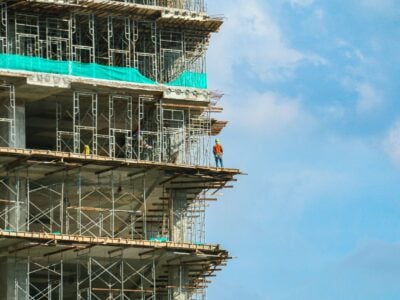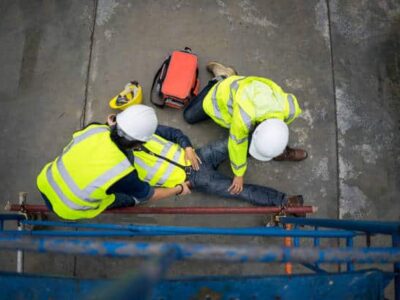


The most common injuries caused by falling objects on construction sites include:
- Head injuries
- Spinal cord damage
- Broken bones
- Lacerations
- Internal organ damage
According to the Bureau of Labor Statistics (BLS), struck-by incidents accounted for 20% of all non-fatal construction injuries in 2022, with 89 workers losing their lives due to falling objects or equipment. These incidents are among the 4 leading causes of fatal injuries in the construction industry.
The responsibility to prevent such incidents falls on employers, contractors, and site managers who are legally obliged to ensure worker safety. If they fail to do so, they may be held liable for your injuries.
Prior results do not guarantee a similar outcome.
Struck-by Hazards and OSHA Context
OSHA defines a struck-by injury as one “produced by forcible contact or impact between the injured person and an object or piece of equipment.” This definition covers tools, materials, equipment, and vehicles that hit a worker, including falling debris from height.
Struck-by hazards are one of OSHA’s four most deadly construction hazards, accounting for roughly a tenth of construction fatalities and a leading share of nonfatal injuries in the industry. The four primary struck-by categories commonly used in safety guidance are: flying objects, falling or dropped objects, swinging loads, and rolling objects such as vehicles or moving equipment.
Common Injuries Caused by Falling Objects
The severity of falling object injuries often depends on factors like the object’s weight, falling height, and point of impact. Here are the most common injuries you may suffer:
1. Head and Brain Injuries
Traumatic Brain Injuries (TBIs)
Being hit by a falling object can cause skull fractures, concussions, and traumatic brain injuries, which are among the most severe outcomes of struck-by incidents. Even relatively small tools dropped from height can generate enough force to cause serious brain trauma and long-term cognitive problems. These injuries can lead to TBIs, ranging from mild concussions to severe brain damage that affects memory, cognition, and physical coordination. These injuries can require extensive treatment and can be life-threatening.
Skull Fractures
Even with proper head protection, the force of a falling object can cause skull fractures that may lead to permanent disability or cognitive impairments. Head injuries from falling debris are a recognized cause of construction fatalities, particularly when workers are not adequately protected by hard hats or overhead shielding.
Facial Injuries
Falling objects can also result in facial trauma, causing disfigurement or impairments like vision or hearing loss.
2. Neck and Back Injuries
Spinal Cord Damage
Vertical or angled impact from falling materials can cause acute neck and back injuries, including disc herniation, vertebral fractures, and soft-tissue sprains and strains. These injuries may result from sudden compressive forces or awkward body movements as a worker tries to avoid a falling object. If a falling object hits the neck or back, it could lead to spinal cord injuries that cause partial or complete paralysis, such as paraplegia or quadriplegia.
Severe spinal trauma from struck-by incidents can lead to partial or complete loss of function, requiring surgery, extended rehabilitation, and long-term work restrictions. Even less severe impacts can cause chronic pain, herniated discs, and long-term mobility issues.
Herniated Discs and Nerve Damage
Herniated discs can result from such impacts, leading to severe discomfort and limited movement, often requiring prolonged medical intervention.
3. Broken Bones and Other Injuries
Multiple Fractures
Struck-by falling objects commonly cause fractures of the arms, legs, ribs, hands, and feet, along with lacerations and internal injuries. Heavy materials such as bricks, tools, and structural components can crush extremities or cause multiple fractures in a single event. Construction workers often sustain fractures in their arms, legs, or ribs when struck by heavy tools or debris. These injuries may require surgery and a lengthy recovery period.
Nonfatal struck-by incidents are a leading source of days-away-from-work cases in construction, reflecting the seriousness of these fractures, soft-tissue injuries, and contusions.
Crushed or Amputated Limbs
The impact from heavy falling objects can cause severe crushing injuries or even require amputation.
Internal Organ Damage
Heavy blunt force trauma can damage internal organs like the liver, spleen, or lungs. These injuries may not always be immediately visible but can have life-threatening complications if untreated.
Types of Falling Objects on Construction Sites
Nearly any object on a construction site can become a deadly hazard if it falls from height. Common falling objects include:
Tools
Hammers, wrenches, drills, and other hand tools are frequently involved in falling incidents when not properly tethered.
Materials
Items like bricks, lumber, metal pipes, and steel beams can fall from scaffolding or cranes, posing severe risks.
Equipment Parts
Larger equipment, including power tools and heavy machine parts, can fall due to improper securing or malfunction.
Debris
Broken concrete, loose wood scraps, and discarded materials can cause injuries if not adequately managed.
Does the Size of the Falling Object Matter?
The danger of falling objects isn’t always obvious – even small or lightweight items can be deadly when they fall from a high enough height.
For example, a one-pound tape measure that fell fifty floors at a Jersey City construction site proved fatal when it struck a delivery driver’s head. This tragic 2014 incident demonstrates how even common, lightweight tools can become lethal as an object’s force of impact increases dramatically with height.
Even small items like nuts, bolts, or nails can cause serious injury when falling from significant heights. An object weighing just 2 pounds falling from 150 feet can be deadly, while heavier items can be fatal from much lower heights.
These types of incidents underscore why safety nets and tethering tools are critical in preventing serious or fatal injuries on construction sites.
Causes of Falling Object Accidents
Most incidents involving falling objects are preventable. They are often caused by:
Improper Securing of Tools and Materials
Tools and materials need to be appropriately secured at heights. Failure to do so can easily result in items falling onto workers below.
Lack of Safety Nets, Toe Boards, or Guardrails
Safety measures, like toe boards on scaffolding and guardrails around open edges, can prevent objects from falling. Missing or damaged safety equipment often contributes to accidents.
Poor Housekeeping
Accumulated debris on elevated surfaces significantly raises the risk of falling object incidents.
Insufficient Worker Training
Workers must receive proper training to handle materials safely and mitigate the risks of falling objects. Rushing to meet deadlines or inadequate oversight can exacerbate these risks.
Struck-by Hazards and OSHA Risk Categories
Safety and training materials derived from OSHA policy generally describe four main struck-by hazard patterns on construction sites: being hit by flying objects (like ejected debris), falling or dropped objects, swinging loads (such as from cranes), and rolling objects (such as vehicles or moving equipment). Falling object accidents on construction projects typically fall within the “struck-by falling object” category.
OSHA’s construction standards require employers to protect workers from these hazards through measures such as securing tools and materials, using toe boards and debris nets on scaffolds, providing appropriate head protection, and controlling vehicle and equipment traffic. Elevated work areas without toe boards, unsecured overhead storage, and missing canopies under scaffolding are specifically identified conditions that increase struck-by risk.
Your Employer’s Responsibility in Preventing Falling Objects
Your employer must provide a safe working environment and take steps to prevent falling object incidents, such as:
Head Protection
Provide and enforce the use of ANSI-compliant hard hats in areas where there is potential for injury from falling objects, as required under OSHA’s head protection rules. Hard hats, safety nets, toe boards, and guardrails are crucial for preventing falling objects from striking you.
Toe Boards and Guardrails
Install toe boards, screens, or guardrail systems on scaffolds, platforms, and elevated work surfaces to prevent tools and materials from being kicked or pushed off edges.
Debris Netting and Overhead Protection
Use debris nets, catch platforms, or canopies to shield workers and walkways below active work zones where overhead work creates a risk of falling materials.
Tool Tethering and Securing Materials
Require lanyards or tethering systems for hand tools used at height, and ensure that materials, buckets, and loads are properly secured before lifting or staging overhead.
Ensuring Proper Use and Maintenance of Equipment
Your employer must train you on how to use tools and equipment safely and maintain them to prevent malfunctions that could lead to falling objects.
Implementing a Debris Management Plan
Regular cleaning and proper disposal of debris can reduce the risk of objects falling from cluttered, elevated surfaces.
Providing Adequate Training
You should receive thorough training on identifying and mitigating falling object hazards specific to your work site.
Site-wide Controls
Plan work to separate pedestrian routes from lifting operations and moving equipment, keep work areas free of loose debris, and train workers on recognizing and reporting struck-by hazards.
If your employer fails to meet these responsibilities and you are injured by a falling object as a result, they may be liable for your damages.
Steps to Take After a Falling Object Injury
If you are injured by a falling object on a construction site, take the following steps to protect your health and legal rights:
Step 1: Seek Immediate Medical Attention
Go to a doctor right away, even if your injuries don’t look too serious. Some injuries, like TBIs and internal organ damage, may not show symptoms right away. Get immediate medical care – seek prompt medical evaluation and follow-up, both for your health and because medical records are central evidence for workers’ compensation and any personal injury claim.
Step 2: Report the Incident
Notify your employer as soon as possible and ensure an official accident report is filed. This is crucial for any potential compensation claims. Timely notice is important for New York workers’ compensation claims, and documentation will also matter in any later third-party case.
Step 3: Document Everything
Record details of the incident, including photographs of the scene, medical reports, and any witness accounts. These will be helpful in any compensation claim.
Step 4: Consult an Expert Attorney
An experienced construction accident attorney can help you explore your options beyond workers’ compensation, especially if there was third-party negligence.
Understanding Your Legal Pathways
Workers’ Compensation Pathway
In New York, a construction worker generally files a workers’ compensation claim for benefits that may cover medical treatment, a portion of lost wages, and, in some cases, permanent injury or death benefits, regardless of employer fault. These benefits are typically the worker’s exclusive remedy against the employer but do not bar separate claims against legally responsible third parties.
Third-Party Claim Pathway
When a non-employer (such as a property owner, general contractor, subcontractor, or equipment manufacturer) is legally responsible for unsafe conditions or defective equipment, the injured worker may bring a civil third-party claim in addition to receiving workers’ compensation. In New York construction cases, gravity-related accidents involving falls or being struck by falling objects may also implicate special Labor Law protections, including Section 240, which imposes broad liability on owners and contractors for certain height-related safety failures.
How a Falling Object Accident Lawyer Can Help You
Construction industry data show that certain groups face higher risks than others when it comes to struck-by incidents. For instance, workers aged 35-54 account for 42.4% of all fatal injuries, while those over 55 face an even higher fatality rate – 1.6 times higher than their younger colleagues. Hispanic workers are particularly vulnerable, with a fatal injury rate 1.2 times higher than non-Hispanic workers.
All the more reason to consult a construction accident lawyer. An expert attorney will:
- Thoroughly investigate your accident to identify all liable parties and gather evidence to support your claim.
- Aggressively negotiate with insurance companies and other parties to secure a fair settlement for you.
- Pursue third-party liability claims against negligent manufacturers, property owners, or contractors who may have contributed to your injuries.
- Represent you in court, if necessary, to fight for the maximum compensation you are entitled to.
FAQ
What should I do after a struck-by injury at work?
Immediately get medical help and report the incident to your employer so that the injury, location, and any witnesses are documented, which is critical for both workers’ compensation and any future legal claim.
Preserve evidence by keeping copies of incident reports, medical records, photos of the scene, and names of witnesses, and consider speaking with a lawyer experienced in New York construction accidents to review potential workers’ compensation and third-party options.
Can I sue a contractor for a falling object accident?
New York workers generally cannot sue their direct employer for workplace injuries but may bring a third-party claim against other responsible entities, such as site owners, general contractors, subcontractors, or equipment manufacturers.
In gravity-related construction accidents, including being struck by falling objects, New York Labor Law provisions such as Section 240 can provide a basis for holding owners and contractors liable when required safety devices or protections were not provided.
What evidence should I collect after a construction injury?
Useful evidence in a falling-object case includes photos or video of the accident location, the object that fell, any missing safety equipment (like toe boards, netting, or overhead protection), and your visible injuries.
Copies of accident reports, OSHA or site safety reports, medical records, and contact information for coworkers or other witnesses help document how the incident occurred and who controlled the work area or equipment involved.
Request a free case review with our experienced construction accident lawyers.
Get Professional Legal Support After a Construction Accident
Injuries from a falling object can upend your life in an instant.
At the Porter Law Group, we aim to protect the rights of construction workers. Our attorneys have extensive experience in handling construction accident cases and navigating labor laws to ensure that you get the compensation you deserve.
If you or a family member has been injured on a job site, let us help you fight for justice. You don’t have to pay any fees unless we win your case. Call us today at 833-PORTER9 or email us at info@porterlawteam.com to schedule your free case evaluation and start your path toward justice.