
New York hypoxic-ischemic encephalopathy claims generally must be filed before the child's 10th birthday under CPLR §214-a and CPLR §208. Every settlement requires judicial approval at an infant compromise hearing under CPLR §1207 and §1208, and HIE attorney fees follow the sliding scale in Judiciary Law §474-a. According to a 2023 population-based study of 289,793 US live births published in the Journal of Pediatrics, perinatal HIE occurs at a rate of approximately 1.7 per 1,000 live births in the United States, and the 2026 American Academy of Pediatrics Clinical Report confirms that therapeutic hypothermia must be initiated within 6 hours of birth to reduce the risk of death or moderate-to-severe neurodevelopmental impairment. Porter Law Group represents New York families whose newborns suffered preventable HIE due to obstetric negligence or delayed cooling treatment.
Settlement
Jury Verdict
Settlement
Settlement
HIE cases combine the most contested questions in obstetric medicine — was the brain injury caused by an acute intrapartum event, did the providers respond appropriately to a non-reassuring fetal heart tracing, and did the neonatal team identify the infant and initiate therapeutic hypothermia within the 6-hour window. Winning these cases requires lawyers who can read fetal heart tracings, interpret cord blood gases against the Sarnat staging system, and prove the connection between intrapartum hypoxia and lifelong neurodevelopmental injury. Porter Law Group has recovered more than $500 million for seriously injured clients since 2009, including multiple pediatric recoveries exceeding $8 million for children with birth-related brain injuries.
Led by Harvard-educated attorney Michael S. Porter, a former U.S. Army JAG Corps Captain with over 20 years of trial experience, the firm retains maternal-fetal medicine specialists, neonatologists, pediatric neurologists, neuroradiologists, and life care planners to document the timing of injury, the failure to cool, and the projected lifetime cost of care. Seven of eight partner-level attorneys are recognized by Super Lawyers, a distinction earned by fewer than 5% of New York attorneys.
"HIE cases are won on three documents: the fetal heart tracing, the cord blood gas, and the neonatal Sarnat exam. If those records show a Category III fetal heart pattern that went unaddressed, a cord pH below 7.0 with a base deficit of 12 or higher, and a baby who met cooling criteria but never got cooled within the 6-hour window, the case is very strong. The defense will argue the injury occurred before labor, but the records usually tell us exactly when the brain injury happened."
— Michael S. Porter, J.D., Porter Law Group

REQUEST A NO-OBLIGATION CASE REVIEW
Hypoxic-ischemic encephalopathy (HIE) is an acute brain injury in newborns caused by deprivation of oxygen and blood flow to the brain around the time of birth. Per the 2023 Kaiser Permanente Northern California population-based study of 289,793 US live births, perinatal HIE occurs at approximately 1.7 per 1,000 live births in the United States, and worldwide HIE accounts for roughly 22% of neonatal deaths. Among survivors, peer-reviewed research indicates that 40–60% die by age 2 or develop severe disabilities, including cerebral palsy, epilepsy, intellectual disability, and sensory impairment.
The clinical severity of HIE is graded using the Sarnat staging system (or the NICHD Modified Sarnat used in major hypothermia trials):
| Sarnat Stage | Severity | Clinical Features | Therapeutic Hypothermia Eligibility |
| Stage 1 | Mild | Hyperalert, normal tone, normal reflexes, no seizures | Generally not eligible (under current AAP guidance) |
| Stage 2 | Moderate | Lethargy, hypotonia, weak suck and Moro reflexes, possible seizures | Eligible — cooling indicated |
| Stage 3 | Severe | Stupor or coma, flaccid tone, absent reflexes, prolonged seizures | Eligible — cooling indicated |
Per the 2026 AAP Clinical Report, the NICHD Modified Sarnat exam evaluates six categories — level of consciousness, spontaneous activity, posture, tone, primitive reflexes, and autonomic system — and an infant who scores moderate or severe in at least three of the six categories is generally a candidate for cooling.
HIE is closely related to but not identical to neonatal encephalopathy (NE), which is the broader clinical syndrome of altered consciousness and neurologic function in a newborn. Per the 2014 ACOG/AAP Task Force on Neonatal Encephalopathy, HIE is the subset of NE in which intrapartum hypoxia-ischemia is the underlying cause; other causes of NE include infection, intracranial hemorrhage, stroke, brain malformations, metabolic disorders, and genetic causes.
HIE is caused by an acute interruption of oxygen or blood flow to the fetal brain immediately before, during, or shortly after delivery. Recognized clinical antecedents documented in PubMed Central peer-reviewed literature include umbilical cord prolapse, uterine rupture, placental abruption, placenta previa, maternal hypotension, breech presentation, and severe shoulder dystocia. The presence of any sentinel event raises the probability that the resulting encephalopathy has an intrapartum hypoxic-ischemic component.
Two distinct categories of HIE malpractice arise in New York birth injury litigation:
Category 1 — Failure to prevent the hypoxic-ischemic event. The most common malpractice mechanism is failure to recognize and respond to a non-reassuring fetal heart rate pattern under the ACOG 2025 Clinical Practice Guideline on Intrapartum Fetal Heart Rate Monitoring. A Category III tracing characterized by absent baseline variability with recurrent late or variable decelerations, recurrent late decelerations, or a sinusoidal pattern, requires immediate intervention, typically expedited delivery. Other Category 1 mechanisms include:
Category 2 — Failure to identify the infant and initiate therapeutic hypothermia within 6 hours. Per the 2026 AAP Clinical Report, every center involved in newborn deliveries must have action plans for prompt recognition and either initiation of therapeutic hypothermia or transfer to a center providing it. Failure to:
These are separate basis for malpractice that exists independently of the underlying obstetric negligence. Even when the obstetric care during labor was reasonable, a hospital that fails to cool an eligible infant has missed the only proven neuroprotective treatment for HIE and may be liable for the resulting neurodevelopmental disability.
New York places no statutory cap on damages in medical malpractice or birth injury cases. HIE cases that result in cerebral palsy or severe cognitive impairment are among the largest pediatric malpractice recoveries in the state.
Future medical and custodial care. The CDC estimates the lifetime cost of care for an individual with cerebral palsy at approximately $1 million in 2003 dollars, with medical costs running roughly 10 times higher than for children without CP. Adjusted for current medical inflation and the cost of comprehensive 21st-century care, life care plans in catastrophic HIE-to-CP cases routinely project $10 million or more across the child's lifetime. Plans must cover physical, occupational, and speech therapy, durable medical equipment, home and vehicle modifications, attendant and skilled nursing care, anti-epileptic medications, and surgical interventions.
Lost future earning capacity. A child whose HIE-induced disability precludes competitive employment can recover the full projected lifetime earnings of a comparable uninjured peer, projected from parental educational background and U.S. Census earnings data.
Pain and suffering. Non-economic damages in New York are not capped. Juries consider the permanence of the injury, the child's life expectancy, and the loss of normal childhood, adolescent, and adult experience. Non-economic damages in catastrophic HIE cases regularly exceed seven figures.
Parents' derivative claim. Parents can recover medical expenses they paid on the child's behalf and damages for loss of the child's services but under their own 2.5-year CPLR §214-a statute, which is not tolled by the child's infancy.
FIND OUT WHAT YOUR CHILD'S HIE CASE IS WORTH →
Porter Law Group's published results include 53 cases at or above $1 million, with multiple pediatric recoveries exceeding $8 million. View all case results →
$8,250,000 Settlement: An infant sustained permanent physical and cognitive disabilities after delayed response to fetal distress during labor, the classic HIE fact pattern in which a non-reassuring fetal heart tracing was not addressed in time to prevent the hypoxic-ischemic injury. Proceeds covered lifetime medical and educational needs.
$8,300,000 Settlement: A premature infant suffered profound permanent disabilities, including cerebral palsy, after physicians failed to properly manage the mother's pre-gestational diabetes. The structured settlement provides lifetime care and therapy funding.
$8,120,000 Settlement: An infant suffered permanent delivery-related injuries caused by mismanaged labor and delivery. The recovery funded a life-care plan built with the family's physicians and therapists.
Every case is different. Past results do not guarantee future outcomes.
HIE claims are medical malpractice cases, so the deadline is shorter than a general child injury claim and is subject to a hard 10-year cap that ordinary personal injury cases do not face.
| Category of Defendant | Statute of Limitations | Infancy Toll | Effective Deadline | Primary Statute |
| Private hospital / private physician | 2.5 years | Yes — but capped at 10 years from malpractice | Child's 10th birthday in most cases | CPLR §214-a + CPLR §208 |
| Public hospital (NYC Health + Hospitals, SUNY Upstate, SUNY Downstate, Stony Brook, county hospitals) | 1 year and 90 days after Notice of Claim | No — 90-day Notice of Claim NOT tolled by infancy | 90 days from injury to file Notice of Claim | GML §50-e |
| Wrongful death of infant | 2 years from date of death | N/A | 2 years from death | EPTL §5-4.1 |
| Parents' derivative claim | 2.5 years | No — not tolled by child's infancy | 2.5 years from malpractice | CPLR §214-a |
Delayed diagnosis is a particular concern in HIE cases born at public hospitals. The 90-day Notice of Claim deadline runs from the date of the injury, not from the date the long-term outcome is fully understood. A family who first appreciates the severity of the brain injury when the child fails to meet milestones at 12 to 18 months has likely missed the 90-day window and must seek leave to serve a late notice of claim under GML §50-e(5), discretionary relief that is never guaranteed.
ACT NOW BEFORE YOUR HIE CLAIM DEADLINE EXPIRES →

Do You Have a New York HIE Birth Injury Claim?
Find out whether oxygen deprivation, delayed delivery, or delayed cooling treatment may have contributed to your child’s hypoxic-ischemic encephalopathy.
1. Request the complete labor-and-delivery and neonatal records. Under New York Public Health Law §18, you are entitled to your and your child's complete medical records within a reasonable time of a written request. The critical documents include the full fetal heart monitoring strips, umbilical cord blood gas results, Apgar scores at 1, 5, and 10 minutes, the neonatal exam with Sarnat staging, NICU records documenting cooling decisions, and all imaging (MRI, cranial ultrasound).
2. Preserve all neuroimaging. Brain MRI obtained between days 4 and 7 of life is the single most important imaging study for distinguishing acute intrapartum injury from chronic antepartum injury. Request copies on disc and ensure they are preserved indefinitely.
3. Document whether therapeutic hypothermia was offered or initiated. The medical record should show a documented decision about cooling — whether the infant met criteria, whether cooling was initiated, when target temperature was reached, and whether passive cooling was used during transport. Absence of this documentation may itself indicate a deviation from the standard of care.
4. Document developmental milestones and therapy progress. Keep a dated log of every pediatric, neurology, developmental pediatrics, physical therapy, occupational therapy, and speech therapy visit. The trajectory of missed milestones is core evidence of the severity and permanence of the injury.
5. Act immediately if your child was born at a public hospital. Births at NYC Health + Hospitals facilities, SUNY Upstate, SUNY Downstate, Stony Brook, or any county-run facility require a Notice of Claim within 90 days under GML §50-e. Missing this deadline can bar the claim entirely.
6. Contact a New York HIE attorney. Porter Law Group offers free consultations on a contingency-fee basis and handles every stage of the case, from record collection through expert review, litigation, infant compromise approval, and trial.
GET A FREE CASE REVIEW: CALL (833) PORTER-9 →
Porter Law Group represents families in HIE and related birth injury malpractice cases throughout New York State, with a statewide practice reaching every county and jurisdiction. Our Syracuse headquarters serves Central and Upstate New York, while attorneys travel regularly to downstate courthouses for cases in the five boroughs, Westchester, and Long Island.
Serving Clients statewide, including HIE Attorney in Syracuse, New York City, Manhattan, Buffalo, Rochester, Albany, Yonkers, White Plains, Utica, Binghamton, Long Island (Nassau and Suffolk Counties), Saratoga Springs, Ithaca.
Wherever your child was injured in New York, call (833) PORTER-9 for a free consultation with an experienced HIE attorney.
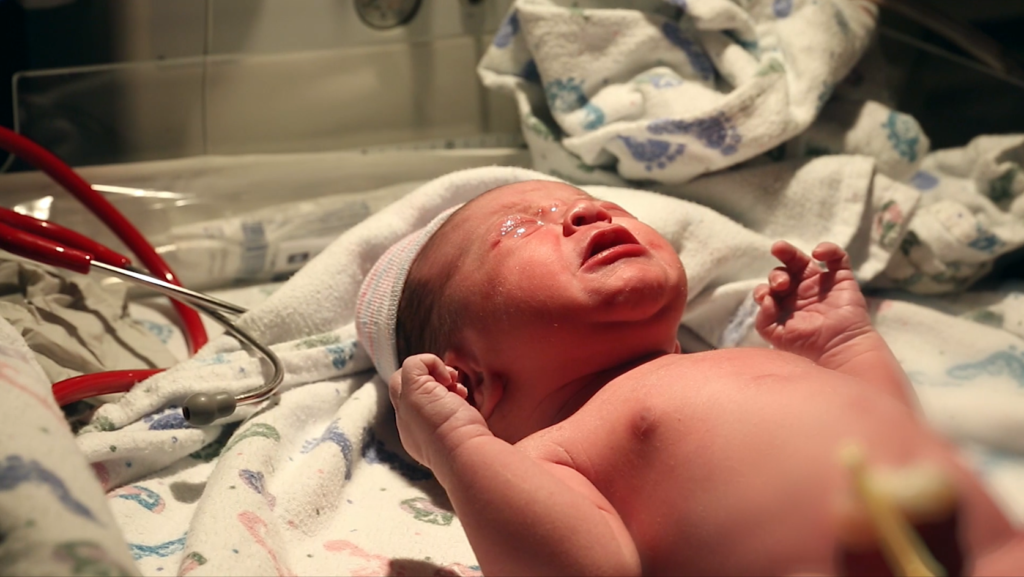
Determining whether HIE was caused by malpractice requires expert review of the fetal heart monitoring strips, umbilical cord blood gases, Apgar scores at 1, 5, and 10 minutes, neonatal Sarnat exam, NICU notes, and brain MRI obtained between days 4 and 7 of life. Under CPLR §3012-a, a New York HIE complaint cannot be filed without a certificate of merit from a qualified physician. The 2014ACOG/AAP Task Force on Neonatal Encephalopathy identifies cord pH below 7.0 or base deficit of 12 mmol/L or higher as a neonatal sign supporting an intrapartum hypoxic component. Two distinct malpractice categories exist: failure to prevent the hypoxic event (typically by responding to a non-reassuring fetal heart pattern) and failure to identify and cool an eligible infant within the 6-hour therapeutic hypothermia window.
Therapeutic hypothermia (cooling) is the only proven neuroprotective treatment for moderate-to-severe HIE. Per the 2026 AAP Clinical Report, the standard protocol is to cool the infant to a target temperature of 33.5°C, initiated within 6 hours of birth, and continued for 72 hours. Eligibility requires gestational age of 36 weeks or more, evidence of an acute peripartum or intrapartum event, biochemical evidence of hypoxia-ischemia (typically cord pH below 7.0 or base deficit of 12 mmol/L or higher), and clinical evidence of moderate-to-severe encephalopathy on the NICHD Modified Sarnat exam (moderate or severe in at least 3 of 6 categories). Failure to identify an eligible infant or to initiate cooling within the 6-hour window is a separate basis for malpractice.
HIE is the acute brain injury that occurs around the time of birth when the infant's brain is deprived of oxygen and blood flow. Cerebral palsy is the chronic, lifelong motor disability that can result from that brain injury. Not every infant with HIE develops cerebral palsy, many infants with mild HIE have favorable outcomes, and modern therapeutic hypothermia significantly reduces the risk of long-term disability. Conversely, not every child with cerebral palsy had HIE; many cases of CP arise from antepartum events, prematurity, infection, or genetic causes that have nothing to do with intrapartum oxygen deprivation. When CP follows HIE, the connection is established by the four ACOG/AAP criteria: sentinel event, fetal heart rate pattern, imaging pattern, and absence of other contributors, with a developmental outcome of spastic quadriplegia or dyskinetic CP.
HIE claims are medical malpractice actions under CPLR §214-a, which imposes a 2.5-year statute of limitations. CPLR §208 tolls the deadline during the child's minority, but the statute caps that toll at 10 years from the malpractice — meaning most HIE cases must be filed before the child's 10th birthday. Deliveries at public hospitals (NYC Health + Hospitals, SUNY Upstate, SUNY Downstate) require a Notice of Claim within 90 days of the injury under General Municipal Law §50-e, and the infancy toll does not extend the 90-day deadline. Parents' separate derivative claims follow their own 2.5-year statute and are not tolled by the child's infancy.
HIE settlements vary dramatically based on the severity and permanence of the resulting neurodevelopmental disability. Mild HIE cases with favorable outcomes may resolve at lower values, while catastrophic HIE-to-cerebral-palsy cases routinely settle in the seven- and eight-figure range because lifetime care costs alone are substantial. The CDC estimates the lifetime cost of care for an individual with cerebral palsy at approximately $1 million in 2003 dollars, with medical care costs roughly 10 times higher than for children without CP. New York places no statutory cap on damages in medical malpractice cases. Every settlement of a minor's claim must be approved by a judge at an infant compromise hearing under CPLR §1207, and attorney fees follow the sliding scale in Judiciary Law §474-a: 30% of the first $250,000, 25% of the next $250,000, 20% of the next $500,000, 15% of the next $250,000, and 10% of any amount over $1,250,000.
Yes. A normal 5-minute Apgar score (7 or higher) makes intrapartum hypoxia-ischemia less likely as the major cause of any subsequent encephalopathy, but it does not rule out HIE entirely. Per the 2014 ACOG/AAP Task Force, the Apgar score is a "nonspecific indicator of illness in the neonate" and not a definitive diagnostic tool. Cord blood gas analysis, the neonatal Sarnat exam, EEG monitoring, and brain MRI between days 4 and 7 are far more diagnostic than the Apgar score alone. An infant with a normal Apgar but a cord pH below 7.0 with a base deficit of 12 mmol/L or higher and clinical evidence of moderate-to-severe encephalopathy may still meet HIE criteria and qualify for cooling.
Many infants with HIE are born at hospitals that do not have therapeutic hypothermia capability and must be transferred to a regional cooling center. Per the 2026 AAP Clinical Report, the originating hospital should initiate passive cooling as soon as the infant is identified as a likely candidate, and transport teams should continue cooling during transfer. The 6-hour window starts at birth, not at arrival at the cooling center so any delay in identifying the infant, calling for transport, or initiating passive cooling can push the infant past the therapeutic window. Failure of the originating hospital to recognize HIE eligibility and arrange prompt transfer with passive cooling is a recognized basis for malpractice.
Yes. New York operates one of the largest public hospital systems in the United States, including NYC Health + Hospitals (which delivers thousands of infants annually across facilities like Bellevue, Jacobi, and Lincoln), SUNY Upstate Medical University Hospital in Syracuse, SUNY Downstate Medical Center in Brooklyn, Stony Brook University Hospital on Long Island, and county-operated medical centers throughout the state. Births at any of these facilities are subject to the 90-day Notice of Claim requirement under General Municipal Law §50-e, and the infancy toll under CPLR §208 does not extend that 90-day notice deadline. Families who delivered at a public hospital should consult an attorney as soon as HIE is suspected, even if the long-term prognosis is not yet clear to preserve the claim.

Michael S. Porter is the founder and managing partner of Porter Law Group, representing New York families in HIE, birth injury, medical malpractice, and catastrophic injury cases. A graduate of Harvard University (B.A., 1994) and Syracuse University College of Law (J.D., 1997), Porter served four years as a Captain in the U.S. Army Judge Advocate General's Corps. Selected to Super Lawyers for 14 consecutive years (2012–2025), he holds a 10.0 Superb rating on Avvo and a Distinguished rating from Martindale-Hubbell.
Bar Admissions: New York State Bar | U.S. District Court, Northern and Western Districts of New York
Memberships: New York State Bar Association, Onondaga County Bar Association, New York State Academy of Trial Lawyers, Multi-Million Dollar Advocates Forum
If your newborn suffered hypoxic-ischemic encephalopathy in New York due to medical negligence, critical deadlines may run faster than you expect: public-hospital cases require a Notice of Claim within 90 days, parents' derivative claims are not tolled by the child's infancy, and the 10-year cap under CPLR §208 closes most birth injury windows before a child's 10th birthday.
Contact Porter Law Group today at (833) PORTER-9 for a free, no-obligation consultation. We operate on a contingency-fee basis, so you pay nothing unless you win.
Phone: +1 833-767-8379
Email: info@porterlawteam.com
Monday to Friday: 8 AM to 5 PM | Saturday and Sunday: Closed

Avoid sharing confidential information via contact form, text, or voicemail as they are not secure. Please be aware that using any of these communication methods does not establish an attorney-client relationship. *By appointment only.
The information contained on this site is proprietary and protected. Any unauthorized or illegal use, copying, or dissemination will be prosecuted to the fullest extent of the law. All content on this site is provided for informational purposes only. It is not, nor should it be taken as medical or legal advice. None of the content on this site is intended to substitute for medical advice, diagnosis, or treatment. Attorney Advertising.
We serve clients in every city and county in New York State. These include places like: The Adirondacks, Albany, Alexandria Bay, Amsterdam, Astoria, Auburn, Ballston Spa, Batavia, Beacon, Binghamton, Brooklyn, Buffalo, Canandaigua, Carthage, Cattaraugus, Catskill, Cayuga Lake, Cazenovia, Chelsea, Clayton, Clifton Park, Cobleskill, Colonie, Cooperstown, Corning, Cortland, Delhi, Delmar, Dunkirk, East Aurora, East Hampton, Elmira, Fayetteville, Finger Lakes, Flushing, Fredonia, Fulton, Garden City, Geneva, Glen Cove, Glens Falls, Gloversville, Gouverneur, Great Neck, Greenwich Village, Hamilton, Hammondsport, Harlem, Haverstraw, Hempstead, Herkimer, Hornell, Hudson, Huntington, Ilion, Ithaca, Jamaica, Jamestown, Johnstown, Kingston, Lake George, Lake Placid, Lewiston, Little Falls, Liverpool, Lockport, Long Island City, Lowville, Malone, Manhattan, Manlius, Massena, Medina, Middletown, Monticello, Montauk, Mount Vernon, New Paltz, New Rochelle, Newburgh, Niagara Falls, North Tonawanda, Norwich, Nyack, Ogdensburg, Old Forge, Olean, Oneida, Oneonta, Ossining, Oswego, Penn Yan, Peekskill, Plattsburgh, Port Chester, Potsdam, Poughkeepsie, Queens, Rhinebeck, Riverhead, Rochester, Rome, Rye, Sag Harbor, Saranac Lake, Saratoga Springs, Schenectady, Seneca Falls, Seneca Lake, Skaneateles, SoHo, Southampton, Spring Valley, Staten Island, Stony Brook, Suffern, Syracuse, Tarrytown, The Bronx, Thousand Islands, Ticonderoga, Troy, Tupper Lake, Utica, Warsaw, Waterloo, Watertown, Watkins Glen, Wellsville, White Plains, Williamsburg, Woodstock, Yonkers, and many more communities throughout New York State.
Copyright © 2026, Porter Law Group. Personal Injury Lawyers
Made with 💛 by Gold Penguin


