

When a person’s brain is deprived of oxygen, even for a matter of minutes, the consequences can be permanent and devastating. Families across New York, from the neighborhoods surrounding Syracuse’s University Hill to the boroughs of New York City, are confronted each year with diagnoses that upend every expectation they had for their futures. If a hypoxic brain injury was caused or worsened by someone else’s negligence, you may have the right to pursue substantial compensation under New York law.
Prior results do not guarantee a similar outcome.
Porter Law Group represents individuals and families throughout New York in hypoxic brain injury cases arising from medical malpractice, birth complications, surgical errors, and other preventable events. Call us at +1 833-767-8379 or email info@porterlawteam.com for a free consultation.
What Is A Hypoxic Brain Injury?
A hypoxic brain injury happens when the brain receives less oxygen than it needs to function properly. Cleveland Clinic explains that cerebral hypoxia occurs when the brain does not get enough oxygen, and brain damage can begin within minutes when oxygen levels are too low.
A hypoxic brain injury can affect memory, movement, speech, breathing, swallowing, thinking, behavior, and the ability to live independently. Some people improve with treatment and rehabilitation. Others are left with permanent disability, seizures, cognitive impairment, mobility problems, or the need for long-term care.
Doctors may use related terms in medical records, including cerebral hypoxia, hypoxic brain injury, hypoxic-ischemic brain injury, hypoxic-ischemic encephalopathy, or oxygen-deprivation brain injury. These terms can sound confusing, but they generally point to the same core problem: the brain did not receive enough oxygen, and brain cells were injured as a result.
For related oxygen-deprivation cases, Porter Law Group also handles anoxic brain injury claims and traumatic brain injury cases across New York.

What Is The Difference Between Anoxic Vs Hypoxic Brain Injury?
Anoxic vs hypoxic brain injury refers to the degree of oxygen deprivation. A hypoxic brain injury means the brain receives some oxygen, but not enough. An anoxic brain injury means the brain is deprived of oxygen more completely.
Both injuries can be serious. Hypoxic brain injury may happen when oxygen levels drop because of breathing problems, blood flow problems, anesthesia complications, cardiac arrest, birth complications, near-drowning, carbon monoxide poisoning, or respiratory failure. Anoxic brain injury is often used when oxygen delivery was cut off more completely.
Medical records may also use the term hypoxic-ischemic brain injury. “Hypoxic” refers to reduced oxygen. “Ischemic” refers to reduced blood flow. When both occur together, the brain may be harmed because it is not receiving enough oxygenated blood.
From a legal standpoint, the exact label matters less than the facts. A strong claim focuses on what caused the oxygen loss, whether someone failed to prevent or respond to it, how long it lasted, what damage resulted, and what care the injured person will need in the future.
What Are Common Causes Of Hypoxic Brain Injury?
Hypoxic brain injury causes usually involve reduced oxygen delivery, reduced blood flow, or a failure to respond quickly when a person is in medical distress. The cause matters because it affects who may be legally responsible and which evidence must be preserved.
Common causes include:
- Cardiac arrest
- Respiratory arrest
- Anesthesia complications
- Surgical complications
- Airway obstruction
- Choking or suffocation
- Near-drowning
- Carbon monoxide exposure
- Smoke inhalation
- Severe asthma attack
- Untreated pneumonia or respiratory failure
- Medication overdose or medication error
- Severe blood loss
- Very low blood pressure
- Stroke or vascular event
- Birth asphyxia
- Umbilical cord compression
- Placental abruption
- Delayed resuscitation
- Failure to monitor oxygen levels
- Failure to respond to abnormal vital signs
Not every hypoxic brain injury is caused by negligence. The legal question is whether a person, business, healthcare provider, hospital, property owner, school, facility, or other party failed to act reasonably and whether that failure caused or worsened the oxygen deprivation.
How Can Medical Negligence Cause Or Worsen A Hypoxic Brain Injury?
Medical negligence may cause or worsen a hypoxic brain injury when a healthcare provider fails to recognize, prevent, or respond to reduced oxygen in time. These cases usually require expert review because the key evidence is often found in medical records, monitoring data, anesthesia records, fetal heart tracings, medication records, nursing notes, and emergency response timelines.
Surgical And Anesthesia Errors
Patients under anesthesia depend on the surgical and anesthesia team to monitor breathing, oxygen saturation, airway position, blood pressure, and heart rhythm. Hypoxic brain injury may occur when a patient is improperly ventilated, over-sedated, not monitored closely, or not rescued quickly when oxygen levels fall.
Delayed Emergency Response
When a patient stops breathing, has a cardiac arrest, or shows signs of severe deterioration, fast response is critical. Delayed CPR, delayed intubation, delayed transfer to a higher level of care, or failure to follow emergency protocols may increase the risk of permanent brain injury.
Failure To Monitor A High-Risk Patient
Hospital patients who are sedated, recovering after surgery, receiving opioid medication, or showing respiratory distress may need close monitoring. A failure to respond to low oxygen levels, abnormal vital signs, alarms, or nursing concerns may support a medical malpractice claim if it caused additional harm.
Delayed Stroke Diagnosis Or Treatment
A stroke can deprive part of the brain of oxygenated blood. When providers fail to recognize stroke symptoms, delay imaging, misread results, or delay appropriate treatment, the patient may suffer a worse hypoxic-ischemic brain injury than they otherwise would have.
Medication Errors
Certain medications can slow breathing or lower consciousness. Giving the wrong medication, the wrong dose, unsafe medication combinations, or inadequate monitoring after medication can cause or worsen oxygen deprivation.
A medical malpractice claim in New York generally requires proof that the provider departed from accepted medical standards and that the departure caused injury. Porter Law Group works with qualified medical experts to evaluate whether the records support that type of claim.
How Does Hypoxic-Ischemic Brain Injury Affect Newborns?
Hypoxic-ischemic brain injury in newborns can happen when a baby does not receive enough oxygenated blood before, during, or shortly after delivery. The condition is often called hypoxic-ischemic encephalopathy, or HIE.
Birth-related oxygen deprivation may involve:
- Abnormal fetal heart rate patterns
- Failure to respond to fetal distress
- Delayed emergency C-section
- Umbilical cord compression
- Umbilical cord prolapse
- Placental abruption
- Uterine rupture
- Shoulder dystocia complications
- Improper use of vacuum extraction or forceps
- Failure to resuscitate a newborn
- Delayed NICU care
Not every difficult delivery is malpractice. A legal claim requires evidence that a provider failed to meet accepted obstetric, neonatal, nursing, or hospital standards and that the failure caused or worsened the baby’s brain injury.
Newborn hypoxic-ischemic brain injury cases often require experts in obstetrics, maternal-fetal medicine, neonatology, pediatric neurology, life care planning, and economics. These cases also require careful review of fetal monitoring strips, delivery records, Apgar scores, cord blood gases, resuscitation records, NICU records, imaging, and developmental evaluations.
Porter Law Group handles birth injury and serious brain injury claims involving oxygen deprivation in New York.
What Are The Symptoms And Long-Term Effects Of Hypoxic Brain Injury?
Hypoxic brain injury symptoms depend on how long the brain lacked enough oxygen, whether blood flow was affected, what areas of the brain were injured, and how quickly treatment began. Symptoms may appear immediately or become clearer during recovery and rehabilitation.
Common cognitive effects include:
- Memory problems
- Difficulty concentrating
- Confusion
- Poor judgment
- Reduced processing speed
- Trouble planning or organizing tasks
- Difficulty following conversations
- Learning problems
Common physical effects include:
- Weakness
- Poor coordination
- Balance problems
- Spasticity or abnormal muscle tone
- Trouble swallowing
- Speech problems
- Vision changes
- Seizures
- Fatigue
Common emotional and behavioral effects include:
- Irritability
- Anxiety
- Depression
- Mood swings
- Impulsiveness
- Personality changes
- Social withdrawal
Severe outcomes may include:
- Coma
- Minimally conscious state
- Vegetative state or unresponsive wakefulness
- Need for a feeding tube
- Need for breathing support
- Need for 24-hour care
- Reduced life expectancy
- Death
The long-term effects of hypoxic brain injury can create major financial and emotional strain for families. Severe cases may require inpatient rehabilitation, long-term nursing care, in-home support, medical equipment, home modifications, therapy, medication, and ongoing specialist care.
How Is A Hypoxic Brain Injury Case Proven?
A hypoxic brain injury case is proven by reconstructing the oxygen-loss timeline, identifying who may be responsible, and documenting the full impact of the injury. These cases are evidence-heavy because small timing details can matter.
Important evidence may include:
Medical Records
Hospital charts, emergency records, anesthesia records, medication records, nursing notes, physician notes, fetal monitoring strips, operative reports, resuscitation records, discharge summaries, and rehabilitation records can show what happened and when.
Monitoring Data
Oxygen saturation records, heart rhythm strips, ventilator records, blood pressure readings, fetal heart tracings, alarm logs, and code records may show whether warning signs were missed or ignored.
Imaging And Testing
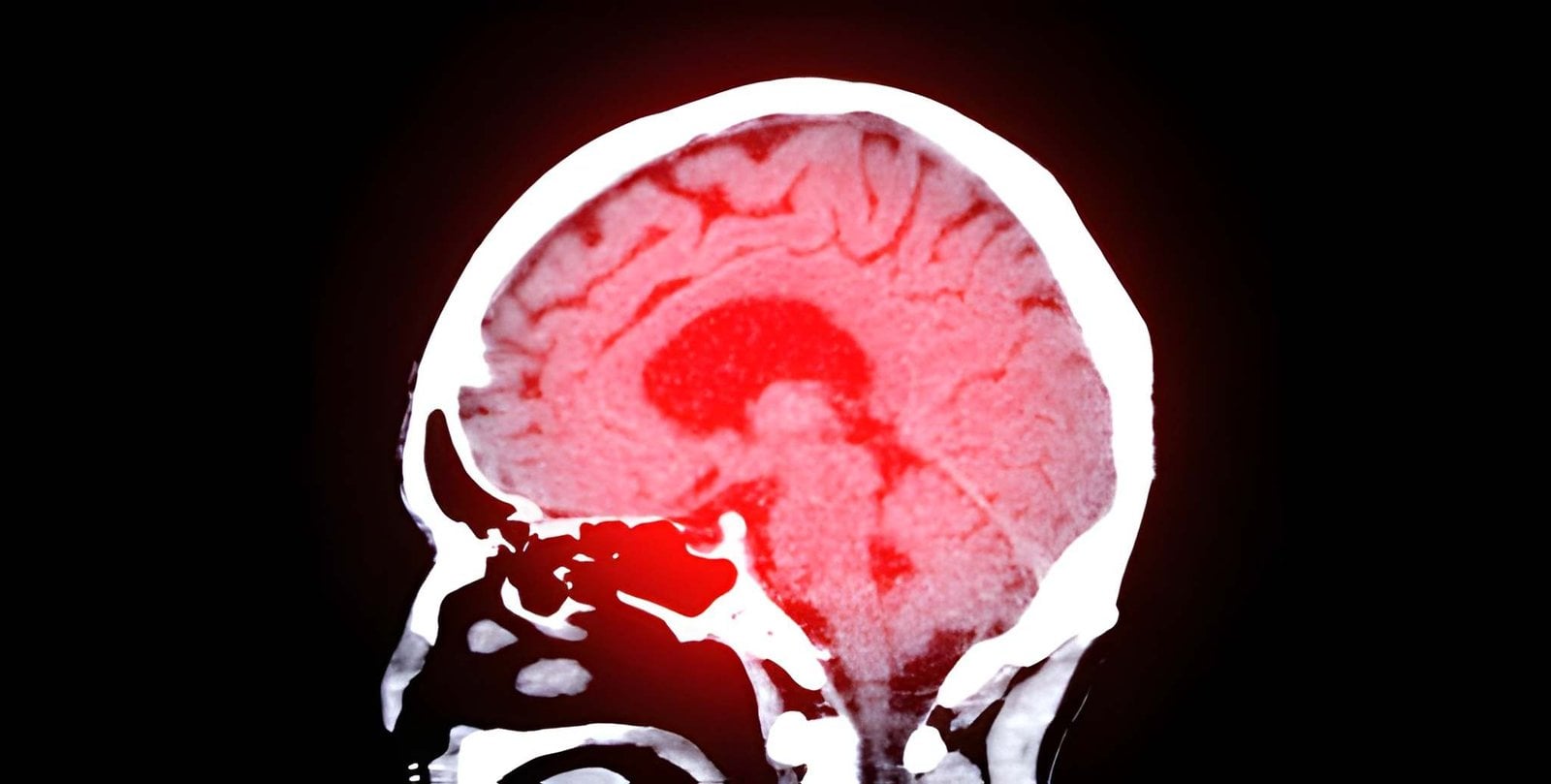
CT scans, MRIs, EEG results, neurological exams, lab results, developmental testing, and specialist evaluations may help show the extent of the brain injury.
Expert Review
Medical experts may evaluate whether providers met accepted standards of care. Life care planners, vocational experts, and economists may help calculate future care needs and financial losses.
Witness And Family Evidence
Family observations, caregiver notes, photos, videos, and testimony about the person’s abilities before and after the injury may help show the daily-life impact.
Financial Records
Medical bills, insurance records, wage records, home care costs, transportation expenses, equipment costs, and future care estimates help document economic losses.
What Should Families Do After A Hypoxic Brain Injury?
The steps families take after a hypoxic brain injury can protect both medical decision-making and a possible legal claim. Evidence can become harder to obtain as time passes, especially when the injury happened in a hospital, during delivery, or during an emergency.
- Request Complete Medical Records
Ask for hospital records, emergency records, imaging, lab results, medication records, fetal monitoring strips when applicable, anesthesia records, discharge summaries, and all records from specialists or rehabilitation providers.
- Write Down The Timeline
Document what family members saw, what providers said, when symptoms appeared, when oxygen problems were discovered, when emergency care began, and what changed after the injury.
- Save Bills And Care Records
Keep medical bills, insurance letters, therapy records, home care invoices, prescription receipts, equipment costs, and travel expenses for appointments.
- Track Functional Changes
Write down changes in memory, movement, speech, swallowing, consciousness, seizures, breathing needs, sleep, behavior, independence, and daily care needs.
- Avoid Signing Releases Too Early
Hospitals, insurers, facilities, or other parties may ask for signatures before the full facts are known. Speak with an attorney before signing a release or giving a recorded statement.
- Contact A Hypoxic Brain Injury Lawyer
A lawyer can request records, preserve evidence, identify possible defendants, consult medical experts, and explain which deadlines apply.
What Compensation May Be Available In A Hypoxic Brain Injury Claim?
A New York hypoxic brain injury claim may include compensation for financial losses and the human impact of the injury. The available compensation depends on the cause of the oxygen deprivation, the severity of harm, the future care needs, and the strength of the liability evidence.
Potential compensation may include:
- Emergency medical care
- Hospitalization
- ICU care
- Surgery or procedures
- Neurology care
- Rehabilitation
- Physical therapy
- Occupational therapy
- Speech therapy
- Respiratory support
- Seizure treatment
- Medication
- Feeding support
- Home health care
- Nursing facility care
- Medical equipment
- Home modifications
- Transportation to medical care
- Past lost wages
- Reduced future earning capacity
- Future medical expenses
- Life care planning costs
- Pain and suffering
- Loss of enjoyment of life
- Loss of consortium in qualifying cases
- Wrongful death damages when the injury is fatal
New York does not place a general cap on pain and suffering damages in most personal injury cases. However, every case is fact-specific. No attorney can promise a specific result before reviewing the medical records, expert opinions, liability evidence, insurance coverage, and long-term care needs.
What Factors Affect Hypoxic Brain Injury Settlement Value?
Hypoxic brain injury settlement value depends on the medical proof, the length and severity of oxygen deprivation, the future care needs, the strength of liability evidence, and the impact on the injured person’s life. The guide below is general information only. It is not a prediction or guarantee of case value.
Severity Of Brain Injury
Cases involving coma, minimally conscious state, permanent cognitive impairment, seizures, feeding support, breathing support, or complete dependence usually involve a more serious damages analysis.
Future Care Needs
Lifetime nursing care, home modifications, rehabilitation, medical equipment, medications, and specialist care can significantly affect settlement value.
Medical Proof Of Negligence
The case is stronger when medical records and expert opinions show that a provider failed to meet accepted standards and that the failure caused or worsened the oxygen loss.
Life Expectancy And Prognosis
Doctors, life care planners, and economists may evaluate life expectancy, future care costs, and long-term needs.
Lost Income Or Lost Earning Capacity
A working adult who cannot return to work may have substantial wage losses. A child with permanent disability may have a future earning-capacity claim.
Pain And Suffering Evidence
Medical records, family testimony, photos, videos, and caregiver notes may help show the human impact of the injury.
Wrongful Death Evidence
If the person died, damages depend on New York wrongful death law, medical expenses, funeral expenses, financial losses to the family, and evidence of conscious pain and suffering before death.
Comparative Fault Or Disputed Liability
New York follows a pure comparative negligence rule. If an injured person is partly at fault, compensation is reduced by that percentage of fault, but partial fault does not automatically bar recovery.
How Long Do You Have To File A Hypoxic Brain Injury Lawsuit In New York?
New York filing deadlines depend on the cause of the hypoxic brain injury and who may be responsible. Missing a deadline can permanently harm the claim.
Medical Malpractice
A medical malpractice claim generally must be filed within two years and six months from the act, omission, or failure complained of, or from the end of continuous treatment for the same condition under CPLR Section 214-a.
Personal Injury
If the hypoxic brain injury was caused by non-medical negligence, such as unsafe property, negligent supervision, near-drowning, carbon monoxide exposure, or another preventable event, the general personal injury deadline may be three years under CPLR Section 214.
Wrongful Death
If a hypoxic brain injury is fatal, a wrongful death claim generally must be filed within two years from the date of death under New York Estates, Powers and Trusts Law Section 5-4.1.
Government Entities And Public Hospitals
If the claim involves a city, county, public hospital, public authority, school district, municipal ambulance, or other public entity, a Notice of Claim may be required within 90 days under General Municipal Law Section 50-e. Some municipal lawsuits also have shorter filing deadlines under General Municipal Law Section 50-i.
Minors And Birth Injury Cases
Special tolling rules may apply when the injured person is a child. However, New York’s infancy toll has limits, and in medical malpractice cases the deadline generally cannot be extended more than ten years after the claim accrues. Families should not assume they have until the child turns 18 in every birth injury or medical malpractice case.
Because hypoxic brain injury claims can involve several different deadlines, early legal review is important. Waiting can make it harder to preserve medical records, fetal monitoring strips, anesthesia records, code records, witness testimony, video, and expert evidence.
Learn what evidence matters, who may be liable, and how Porter Law Group can help. Free, confidential consultation.
Why Choose Porter Law Group For A Hypoxic Brain Injury Case?
Hypoxic brain injury cases require careful medical review, strong expert support, and a clear explanation of lifetime consequences. Porter Law Group represents New York families in serious personal injury, medical malpractice, birth injury, and catastrophic brain injury cases.
Michael S. Porter founded Porter Law Group to help injured New Yorkers and their families pursue accountability after serious harm. He is a graduate of Harvard University and Syracuse University College of Law, served as a Captain in the U.S. Army Judge Advocate General’s Corps, and has been selected to Super Lawyers for 14 consecutive years from 2012 through 2025.
No Fee Unless We Win. Hypoxic brain injury cases are handled on a contingency basis. You pay no attorney fee unless Porter Law Group recovers compensation for you.
Free Consultations, Available 24/7. You can contact Porter Law Group at any time to discuss your case at no cost and with no obligation.
Direct Attorney Access. Clients work with the legal team handling their case and receive direct communication throughout the process.
Experience With Complex Medical Evidence
Hypoxic brain injury claims often involve hospital records, anesthesia records, code timelines, fetal monitoring strips, neurological evidence, life care planning, and expert testimony. Porter Law Group prepares these cases with the proof needed to show the full impact of the injury.
You can review Porter Law Group’s case outcomes on the Results page, read client experiences on the Testimonials page, and learn more about the legal team on the Attorneys and Staff page.
Serving Hypoxic Brain Injury Victims In Syracuse And Across New York
Porter Law Group represents hypoxic brain injury victims and families across New York State, with a strong focus on Syracuse, Central New York, and surrounding communities.
We serve clients in:
- Syracuse and Onondaga County
- Liverpool
- DeWitt
- Camillus
- Cicero
- Baldwinsville
- Auburn
- Oswego
- Utica
- Rome
- Binghamton
- Rochester and Monroe County
- Buffalo and Western New York
- Albany and the Capital Region
- Yonkers and Westchester County
- Long Island, including Nassau and Suffolk Counties
- New York City and the five boroughs
Distance does not prevent Porter Law Group from reviewing your case. The team is available by phone, email, virtual consultation, and in-person consultation when appropriate.
Frequently Asked Questions
What Is A Hypoxic Brain Injury?
A hypoxic brain injury happens when the brain receives less oxygen than it needs. The injury may be mild, moderate, or severe depending on how long oxygen was reduced, whether blood flow was affected, how quickly treatment began, and what parts of the brain were injured. Severe cases may cause coma, seizures, permanent disability, need for 24-hour care, or death.
What Is The Difference Between Anoxic Vs Hypoxic Brain Injury?
Anoxic vs hypoxic brain injury refers to the amount of oxygen deprivation. Hypoxic brain injury means the brain received some oxygen, but not enough. Anoxic brain injury means oxygen was cut off more completely. Both can cause permanent brain damage. The legal claim usually depends on what caused the oxygen loss, whether it was preventable, and how the injury affected the person’s life.
What Is Hypoxic-Ischemic Brain Injury?
Hypoxic-ischemic brain injury happens when the brain does not receive enough oxygenated blood. “Hypoxic” means reduced oxygen, and “ischemic” means reduced blood flow. This type of injury may occur during cardiac arrest, stroke, severe low blood pressure, birth complications, or other events that reduce oxygen and circulation to the brain. In newborns, hypoxic-ischemic encephalopathy is often called HIE.
Can You Sue For Hypoxic Brain Injury In New York?
Yes. You may be able to sue for hypoxic brain injury in New York if negligence caused or worsened the oxygen deprivation. Depending on the facts, the claim may involve medical malpractice, birth injury, premises liability, negligent supervision, product liability, or wrongful death. These cases usually require expert review to determine whether accepted standards were violated and whether that violation caused the injury.
How Long Do I Have To File A Hypoxic Brain Injury Lawsuit In New York?
The deadline depends on the type of claim. Medical malpractice claims generally have a two-year-and-six-month deadline. Most non-medical personal injury claims generally have a three-year deadline. Wrongful death claims generally must be filed within two years from the date of death. Claims involving a public entity may require a Notice of Claim within 90 days. Birth injury and minor-child claims may involve special tolling rules, but those rules have limits.
What Is A Hypoxic Brain Injury Case Worth?
A hypoxic brain injury case value depends on the severity of the injury, future medical needs, life expectancy, lost income, pain and suffering, liability evidence, insurance coverage, and whether the case involves wrongful death. Severe cases may require life care planning, economic analysis, and medical expert testimony. No lawyer can guarantee a case value without reviewing the records, facts, and expert evidence.
What Clients Say About Porter Law Group
Meet the Attorney

Michael S. Porter, J.D.
Founder and managing partner of Porter Law Group. Harvard University (B.A., 1994), Syracuse University College of Law (J.D., 1997). Former U.S. Army JAG Corps Captain, Airborne Training School graduate. Super Lawyers 14 consecutive years, 10.0 Superb on Avvo, Distinguished rating from Martindale-Hubbell. Over 20 years of trial experience and $500 million in recoveries.
Reviewed by Michael S. Porter, J.D. | Last updated: [April, 2026]
Contact A New York Hypoxic Brain Injury Lawyer Today
A hypoxic brain injury can change a family’s life in minutes. Porter Law Group can review what happened, explain your legal options, and help you understand what evidence may matter in your claim.
Call 833-PORTER9 | Available 24/7 | No fee unless we win