When someone says they have “asbestos poisoning,” they’re usually describing one of several serious diseases caused by breathing in asbestos fibers.
The term itself isn’t a formal medical diagnosis. Instead, medical professionals refer to asbestos-related diseases, which include asbestosis, mesothelioma, and lung cancer.
Understanding what asbestos does to your body matters if you’ve worked in construction, shipyards, manufacturing, or any job where you might have been exposed to this dangerous material.
It also matters if you’re experiencing unexplained breathing problems years after working around old insulation, floor tiles, or building materials.
Prior results do not guarantee a similar outcome.
How Does Asbestos Damage Your Lungs?
The danger with asbestos isn’t like swallowing poison or getting a chemical burn. It’s a slow process that occurs over many years, sometimes decades.
When asbestos fibers enter your lungs, the body cannot break them down or clear them effectively. These fibers irritate delicate lung tissue, causing chronic inflammation. Over time, this persistent irritation leads to scarring. Lung tissue becomes stiff and thick, making it harder for oxygen to pass into the bloodstream.
This scarring process is called fibrosis. In the context of asbestos exposure, the specific disease is asbestosis. The scarring is permanent and tends to worsen over time, even after exposure has stopped.
What makes asbestos particularly insidious is the long latency period — the time between exposure and symptom onset, which is typically 10 to 40 years. Many people who worked around asbestos in the 1970s and 1980s are only now developing symptoms.
What Are the Early Warning Signs of Asbestos-Related Disease?
Symptoms often start so gradually that people dismiss them as normal aging or deconditioning. By the time someone recognizes a serious problem, the disease may have progressed significantly.
Common early symptoms include:
Shortness of breath, especially with exertion (e.g., difficulty climbing stairs)
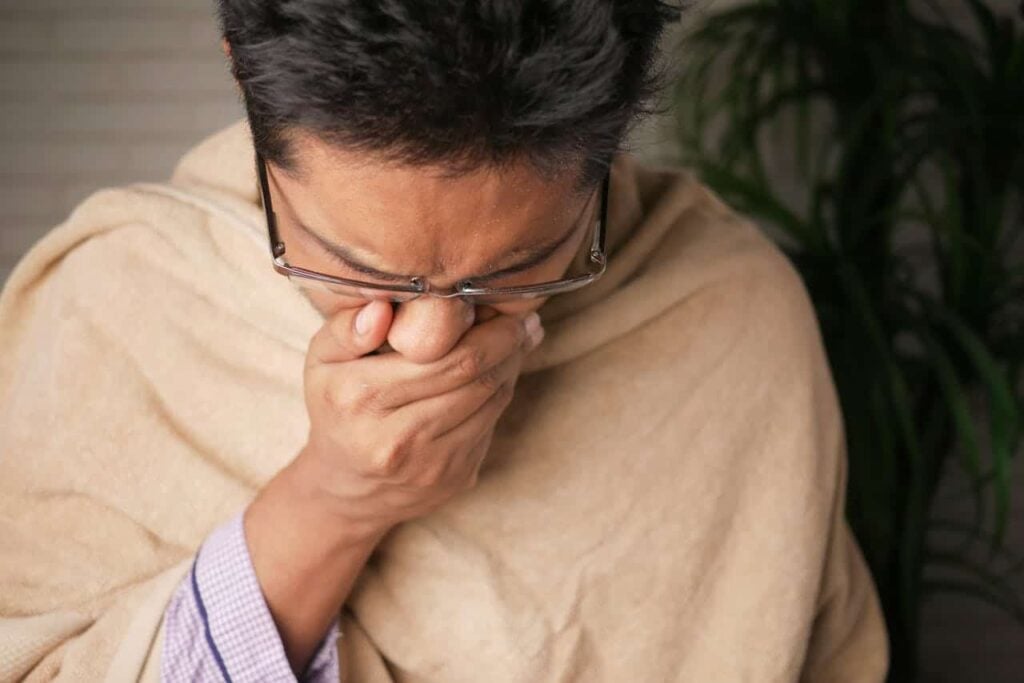
A persistent dry cough that lingers for weeks or months and produces little phlegm
Chest tightness or chest pain, often worse with deep breaths
Fatigue, from the body working harder to get sufficient oxygen
As the disease advances, additional findings may include:
Clubbing of the fingers (widening and rounding of the fingertips) due to chronic low oxygen levels
Crackling sounds heard by a doctor with a stethoscope
What Diseases Are Linked to Asbestos Exposure?
Asbestos exposure can cause several distinct diseases, each with its own characteristics and prognosis:
Asbestosis: A chronic, progressive lung disease caused by widespread scarring of lung tissue from asbestos fibers. It is not cancer and has no cure. Treatment focuses on symptom management and slowing progression. People with asbestosis have an increased risk of lung cancer.
Mesothelioma: A cancer of the mesothelium (the lining of the lungs, abdomen, or heart). Mesothelioma is strongly associated with asbestos exposure and is the primary known cause of this rare cancer. It is aggressive, difficult to treat, and often diagnosed at an advanced stage. Latency is typically 20 to 50 years.
Lung cancer: Asbestos-related lung cancer looks like lung cancer from other causes, but asbestos exposure significantly increases risk. If a person both smoked and was exposed to asbestos, the combined risk is much greater than either risk alone.
Pleural disease: Problems with the pleura (the thin membrane surrounding the lungs). Examples include pleural plaques (thickened areas that usually don’t cause symptoms but mark prior exposure), pleural effusion (fluid buildup), and diffuse pleural thickening (which can restrict lung expansion).
How Does Asbestos Exposure Happen?
Most people who develop asbestos-related diseases were exposed at work. Before the dangers were fully understood and regulations implemented, asbestos was used extensively in construction, shipbuilding, automotive manufacturing, and many other industries.
Typical exposure scenarios:
Construction workers: Exposure during installation or removal of insulation, floor and ceiling tiles, roofing materials, and cement products. Demolition and renovation are particularly hazardous.
Shipyard workers: Ships built before the 1980s often contained asbestos in insulation, gaskets, packing materials, and fireproofing.
Manufacturing workers: Plants producing brake linings, gaskets, insulation, or asbestos textiles exposed workers to raw fibers.
Mechanics: Work on brakes and clutches could lead to lower-level asbestos exposure.
Power plant and refinery workers: Asbestos appeared in pipe insulation, boilers, and turbines due to its heat-resistant properties.
Secondary exposure affected family members when workers brought asbestos fibers home on clothing, hair, or skin. Environmental exposure can occur near asbestos mines, processing plants, or industrial sites that released fibers into the air. Some communities in New York have documented cases of environmental asbestos exposure.
Can You Sue for Asbestos-Related Disease?
If you’ve been diagnosed with an asbestos-related disease, you may have legal options to pursue compensation. Many people were exposed decades ago, but that does not necessarily prevent legal action.
Key legal points:
New York uses the discovery rule for many asbestos cases: statutes of limitations generally begin when you’re diagnosed, not when you were exposed.
Potential defendants include manufacturers of asbestos-containing products, employers who failed to protect workers, property owners who didn’t warn about asbestos hazards, and contractors who improperly handled asbestos materials.
Many asbestos manufacturers filed for bankruptcy and established trust funds to compensate victims. You can file claims against these trusts even if the companies no longer exist.
Types of compensation can include:
Medical expenses (treatment, medications, ongoing care)
Lost wages (past and future)
Pain and suffering (physical and emotional distress)
Punitive damages, in cases of particularly reckless conduct
Mesothelioma cases often result in significant settlements or verdicts because the disease is closely tied to asbestos exposure. Even if you have other risk factors like smoking, you may still pursue an asbestos claim if exposure contributed to your disease.
What Medical Tests Diagnose Asbestos-Related Disease?
If you have symptoms and a history of asbestos exposure, your doctor will likely order several tests:
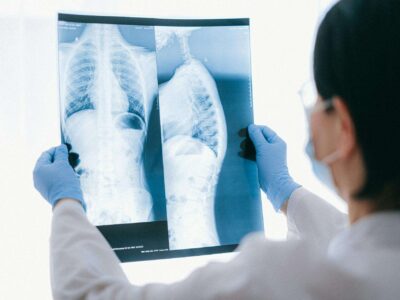
Chest X-ray: Often the first step; can show scarring and pleural changes but may miss early disease.
CT scan: Provides detailed images; high-resolution CT is particularly useful for identifying patterns of asbestosis and pleural disease.
Pulmonary function tests (PFTs): Measure lung capacity and airflow to assess for restrictive patterns consistent with asbestosis.
Biopsy: Taking a small tissue sample can definitively diagnose asbestosis or mesothelioma. Biopsies may be done via bronchoscopy or surgical procedures.
A detailed occupational history is crucial — your doctor will ask about every job, dates, locations, materials handled, and specific products or companies.
Is There Treatment for Asbestos-Related Disease?
There is no cure for asbestosis or a way to reverse lung scarring. Treatment aims to manage symptoms, prevent complications, and maintain quality of life.
Common treatments and supports:
Oxygen therapy: For low blood oxygen levels; may be used during activity, sleep, or continuously as needed.
Pulmonary rehabilitation: Breathing techniques, exercises, and programs to improve function and reduce deconditioning.
Medications: Bronchodilators to open airways, inhaled corticosteroids to reduce inflammation, and antibiotics for respiratory infections.
Cancer treatments: For mesothelioma or lung cancer, options may include surgery, chemotherapy, and radiation depending on type and stage.
Other important measures:
Quit smoking: Smoking accelerates progression and greatly increases cancer risk.
Avoid further asbestos exposure and other lung irritants — ensure proper protection or consider job changes if exposure is ongoing.
What Should You Do If You Think You Were Exposed to Asbestos?
Talk to your doctor if you worked in an industry with common asbestos exposure, even if you feel fine now. Mention your full work history and ask about monitoring.
If you have symptoms like persistent cough, shortness of breath, or chest pain, seek medical evaluation promptly.
Keep detailed records of your work history: dates, locations, job duties, products used, and employers. These details are important for medical and legal purposes.
If diagnosed with an asbestos-related disease, consider consulting an attorney experienced in asbestos cases to explore compensation options and navigate trust claims and statutes of limitations.
Summing It Up
What people call “asbestos poisoning” actually refers to a group of serious diseases caused by inhaling asbestos fibers over time. These microscopic fibers lodge in the lungs and cause scarring, inflammation, and sometimes cancer. Damage occurs slowly and often takes decades to produce symptoms.
The main diseases are asbestosis, mesothelioma, and lung cancer. Each is serious and life-altering. There is no cure for asbestosis, and mesothelioma is especially aggressive.
If you worked in construction, shipyards, manufacturing, or another industry where asbestos was common, you may have been exposed without realizing it.
Symptoms such as shortness of breath, persistent cough, and chest pain may not appear until many years after exposure.
Accurate diagnosis requires medical tests and a detailed work history. Treatment focuses on symptom management and preserving quality of life. If diagnosed, you may have legal options to seek compensation from manufacturers, employers, or trust funds established for asbestos victims.
If you’re diagnosed, speak with an attorney who understands asbestos cases.