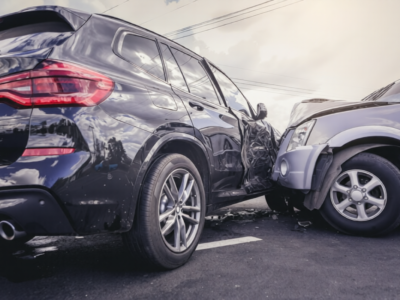


A car accident claim looks simple from the outside. Someone hit you, you file a claim, your medical bills get paid. In practice, New York runs car accident cases through a no-fault insurance system with its own rules, deadlines, and paperwork, and the state changed how fault is calculated for motor-vehicle actions commenced on or after May 26, 2026.
Picking the right lawyer, one who actually knows this system, often decides whether you walk away with fair compensation or a check that barely covers your medical bills.
Prior results do not guarantee a similar outcome.
What Makes New York Car Accident Claims More Complicated Than They Look?
New York is a no-fault state, which means your own auto insurance pays your initial medical bills and lost wages after a crash, regardless of who caused it.
This first layer of coverage, called Personal Injury Protection (PIP), is capped at $50,000 per person under Insurance Law Article 51, and it typically covers 80% of lost wages up to $2,000 a month.
The catch is that PIP does not cover pain and suffering, and it often does not cover the full cost of a serious injury.
To sue the at-fault driver for anything beyond your no-fault benefits, your injury generally has to clear what’s known as the “serious injury threshold” under Insurance Law Section 5102(d).
That threshold includes categories like fracture, permanent limitation of use, or significant disfigurement, and proving you meet one of them usually requires objective medical evidence, not just a doctor’s note saying you’re in pain.
How Does New York’s 2026 Fault Reform Change Your Case?
As part of the state’s 2026-2027 budget, Governor Hochul signed a reform that adds a new subsection to New York’s comparative negligence rule specifically for motor vehicle injury cases covered by the no-fault law.
Before this change, New York used “pure” comparative negligence under CPLR 1411, meaning an injured driver could recover something even if they were 90% at fault for the crash. For actions commenced on or after May 26, 2026, that changed for car accident cases.
If a jury finds you were more at fault (say you were driving under the influence) than the driver you’re suing (more than 50%, or more than the combined fault of multiple defendants), you can be barred from recovering anything at all. If your fault is 50% or less, damages are still reduced by your share of fault, the same as before.
Under the Old Rule | Under the 2026 Reform |
|---|---|
Recovery reduced by your fault percentage, no cutoff | Recovery barred entirely if you’re more at fault than the defendant(s) combined |
Applied to all personal injury cases | New rule applies only to motor vehicle cases under Insurance Law Article 51 |
90/180-day “unable to perform daily activities” category counted toward serious injury | That category has been eliminated for qualifying claims filed on or after the reform date |
This makes early, accurate fault investigation more important than it’s ever been. A lawyer who moves quickly to gather police reports, traffic camera footage, and witness statements can be the difference between a fully barred claim and a fair recovery.
Because this law is so new, ask any attorney you’re considering whether they’re up to speed on it, and confirm which version of the rule applies based on when the action is commenced.
Who Can Be Held Liable Besides the Other Driver?
It’s tempting to assume a car accident claim only involves you, the other driver, and two insurance companies. Often it’s more complicated than that.
Under Vehicle and Traffic Law Section 388, the owner of a vehicle can be held liable for injuries caused by anyone who was driving it with the owner’s permission, even if the owner wasn’t in the car at the time.
That matters in cases involving borrowed cars, rental vehicles, family cars driven by an adult child, or company vehicles.
Government vehicles add another layer entirely. If a city bus, sanitation truck, police vehicle, or other municipal vehicle was involved, the notice-of-claim deadline below is far shorter than the general filing deadline, and missing it can end your case before it starts.
What Should You Look for in a Car Accident Lawyer?
Experience with car accident cases specifically matters more than general personal injury experience. Insurance company adjusters know which firms actually take cases to trial and which ones settle everything quickly for less, and they negotiate accordingly.
Look for a lawyer who has handled serious injury threshold disputes before, since that’s where a huge number of New York car accident claims get contested.
Ask how they document injuries, whether they work with independent medical experts, and how they push back when an insurer disputes your injury category.
A strong car accident lawyer also investigates who can actually be held responsible, not just the person behind the wheel.
That means checking vehicle ownership records, asking whether the driver was working at the time of the crash, and confirming early on whether a government or municipal vehicle was involved, since that changes the deadlines entirely.
Direct communication also matters. Some firms hand your file to a case manager after the initial consultation and you rarely speak to the attorney again. Ask upfront who will actually be working on your case day to day.
Finally, look for a firm that’s transparent about how contingency fees work. At Porter Law Group, you pay nothing unless we win your case.
What Questions Should You Ask During a Consultation?
Question | Why It Matters |
|---|---|
How many car accident cases have you handled in New York? | Experience with no-fault claims and the serious injury threshold directly affects case strategy |
How do you evaluate whether my injury meets the serious injury threshold? | This determines whether you can pursue pain and suffering damages at all |
How does the 2026 comparative negligence reform apply based on when my action is commenced? | The rule that applies depends on when your case is filed, not just when the crash happened |
Have you taken car accident cases to trial? | Insurers often negotiate harder against firms with limited trial experience |
Who will personally handle my file? | Some firms hand cases off to case managers after signing |
How do you identify every party who could be liable, not just the other driver? | Vehicle owners, employers, and rideshare or delivery companies can share responsibility under Vehicle and Traffic Law 388 |
Could a government or municipal vehicle be involved in my case? | A missed 90-day notice of claim can end a case against a public entity before it starts |
How do contingency fees and case costs work? | You should understand exactly what you owe and when, before you sign anything |
What Red Flags Should You Watch for When Hiring a Lawyer?
A few warning signs tend to separate firms that are equipped to handle your case from those that aren’t.
Guaranteeing a specific settlement amount before reviewing your medical records or the police report
Vague or dismissive answers about how the serious injury threshold applies to your case
Pressure to sign representation paperwork on the spot, before you’ve had time to ask questions
No clear answer about who will actually manage your file
Unfamiliarity with New York’s 2026 comparative negligence reform when you ask about it directly
Never asking whether the vehicle involved was owned by someone other than the driver, or whether a government vehicle was involved
What Are the Key Deadlines in a New York Car Accident Case?
New York’s deadlines are strict, and missing one can end your right to compensation no matter how strong your case is otherwise. The New York State Unified Court System’s own filing deadline chart and the New York City Bar Association both confirm the same baseline three-year window described below.
Deadline | Rule | What It Means |
|---|---|---|
3 years | General statute of limitations for a personal injury lawsuit in New York | |
2 years | Statute of limitations for a wrongful death claim following a fatal crash | |
90 days | Notice of claim deadline if a municipal or government vehicle was involved | |
Pauses until age 18 | CPLR 208 | The clock stops for injury victims who were minors at the time of the crash |
The no-fault system has its own, much shorter deadlines that run separately from the lawsuit deadlines above. Notifying your insurer of the accident is generally required within 30 days, and submitting proof of claim for medical treatment is generally required within 45 days.
Missing these no-fault deadlines can jeopardize your PIP benefits even if you’re well within the lawsuit statute of limitations.
Summing It Up
Choosing the right car accident lawyer in New York means finding someone who actually understands the state’s no-fault system, the serious injury threshold, and the comparative negligence reform that now applies to crashes going forward.
These aren’t small details. They can determine whether you recover anything at all.
Porter Law Group has built its reputation on trial-tested representation for injured New Yorkers, and our attorneys work on a contingency fee basis, meaning you pay nothing unless we win.
If you or a loved one has been hurt in a car accident, reach out to discuss what happened and what your legal options look like.
Call 833-PORTER9 or email info@porterlawteam.com to schedule a free consultation.
Prior results do not guarantee a similar outcome.
Frequently Asked Questions
How long do I have to file a car accident lawsuit in New York?
Generally three years from the date of the crash, under CPLR 214. If a government or municipal vehicle was involved, a Notice of Claim is generally required within 90 days under General Municipal Law 50-e.
Can I still recover damages if I was partly at fault for the crash?
It depends on when your case is filed. For actions commenced before May 26, 2026, New York’s pure comparative negligence rule under CPLR 1411 reduces your damages by your percentage of fault without barring recovery. For qualifying motor vehicle cases filed on or after that date, the 2026 reform bars recovery if your fault is greater than the combined fault of the people you’re suing.
Do I need to prove a “serious injury” to sue after a car accident in New York?
Yes, in most cases. Under Insurance Law Section 5102(d), you generally need to meet one of the statutory serious injury categories, such as a fracture or permanent limitation of use, to recover pain and suffering damages beyond your no-fault benefits.
What does New York’s no-fault insurance actually cover?
Your own insurer covers up to $50,000 per person in combined medical expenses and lost wages under Insurance Law Article 51, regardless of who caused the crash. It does not cover pain and suffering, which is why the serious injury threshold matters for anything beyond that.
Can I sue the owner of the car if they weren’t the one driving?
Yes, in many cases. Under Vehicle and Traffic Law Section 388, a vehicle owner is generally liable for injuries caused by anyone driving the car with their permission, whether that’s a family member, an employee, or a friend who borrowed it. This can open up additional insurance coverage beyond the driver’s own policy.
How much does a car accident lawyer cost in New York?
Most plaintiff-side personal injury attorneys, including Porter Law Group, work on a contingency fee basis. You pay nothing upfront, and there is no fee unless the firm recovers compensation on your behalf.
This article is for informational purposes only and does not constitute legal advice. Attorney advertising. Prior results do not guarantee similar outcomes.