


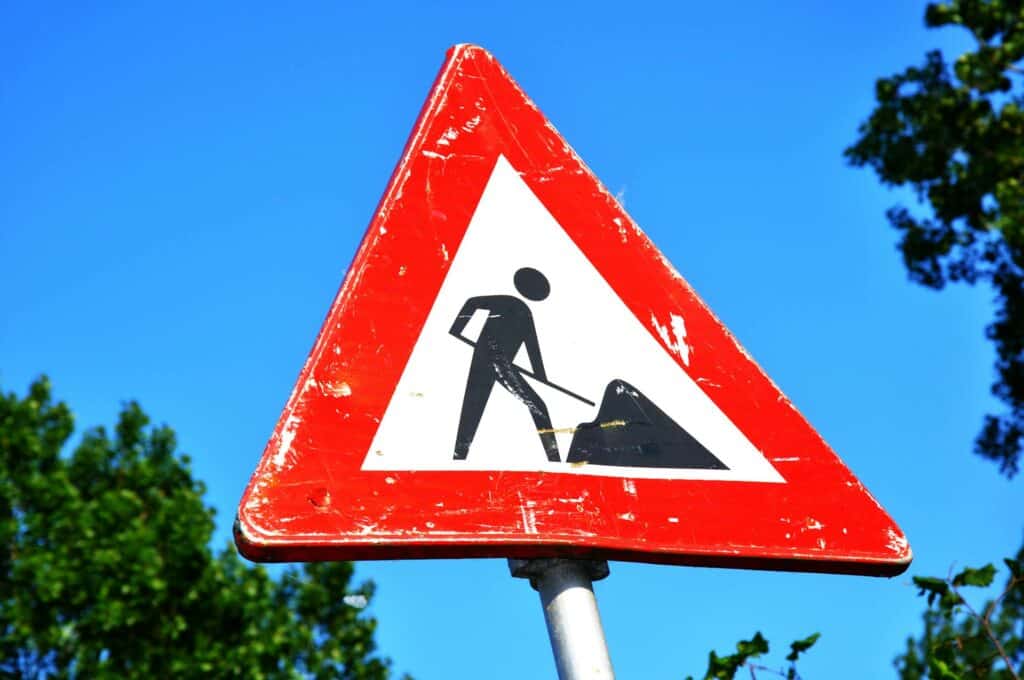
Construction remains one of the most dangerous industries in New York. In 2024, New York City recorded 638 construction-related incidents resulting in 482 injuries and 7 fatalities, the lowest incident count in nearly a decade. However, statewide, construction worker deaths jumped from 50 in 2022 to 74 in 2023, a 48 percent increase and the highest toll in a decade. These numbers represent real people who went to work expecting to come home safely.
Injured in a Construction Accident?
CONTACT USOur Recent Case Results
Settlement
Jury Verdict
Settlement
Settlement
Why Construction Is the Deadliest Industry in New York
In 2023, construction accounted for 24 of New York City's 69 total workplace fatalities, more than one-third of all work-related deaths, despite construction workers making up only about 7 percent of the city's workforce. The fatality rate for construction workers in New York City stands at 11.6 per 100,000 workers, at least six times higher than the overall citywide rate. Nationally, 1,034 construction workers died on the job in 2024, making it the second-deadliest industry by raw numbers. The industry's national fatality rate was 9.2 deaths per 100,000 full-time equivalent workers, the lowest since 2011, yet it has remained persistently between 9 and 10 per 100,000 workers for over a decade.
Leading Causes of Construction Accidents
Falls from Heights
Falls dominate the statistics more than any other cause. Between 2007 and 2016, the NYC Department of Health analyzed 184 unintentional construction deaths and found that falls caused 111 of them, roughly 60 percent of all fatalities. More than half of those fatal falls happened from heights of 30 feet or less. In 2024, worker falls accounted for 251 of the 638 recorded construction incidents in New York City, representing 54 percent of all incidents and 4 of the 7 fatalities that year.
Common sources of fatal falls include:
- Scaffolds, the most frequent source of fatal falls, where hazards include improper erection, defective planking, missing guardrails, and absent fall-arrest systems. OSHA's scaffolding standard ranks as the 8th most-cited construction violation nationwide. New York courts have delivered some of the largest verdicts in construction history for scaffold accidents, including a $53.5 million jury award for a scaffold collapse victim and a $7.25 million settlement for a worker left permanently disabled.
- Ladders, a persistent source of fall incidents across all construction types.
- Roofs, floor openings, and elevator shafts, where workers can fall multiple stories onto concrete or steel. A 2021 Long Island City elevator shaft fatality highlighted the deadly consequences of absent fall protection.
Federal investigators examined 122 construction fatalities in New York City between 2007 and 2016 and found serious violations in 88 percent of cases. Of 465 citations issued, 82 percent were classified as serious, meaning they involved hazards capable of causing death or serious physical harm.
Struck-By and Falling Object Accidents
Between 2007 and 2016, struck-by and contact-with-object incidents caused 51 deaths, approximately 28 percent of total construction fatalities. In 2024, these incidents resulted in 47 incidents and 1 fatality in New York City. Nationally, struck-by accidents account for roughly 10 percent of all construction incidents and rank as the second leading cause of construction fatalities.
Common struck-by hazards include:
- Improperly secured tools and materials falling from scaffolding at height
- Crane-dropped loads and falling building components during active construction
- Demolition debris, which can be unpredictable in direction and velocity
- Vehicular accidents involving construction equipment operating near workers
New York City's dense urban environment amplifies these risks. The NYC Department of Buildings documented more than 430 parapet-related incidents between 2014 and 2024, prompting enhanced inspection requirements for exterior work. The 2023 SoHo wall collapse that injured multiple pedestrians underscored the serious risks posed by aging building facades.
Machinery and Equipment Accidents
In 2024, mechanical equipment incidents accounted for 31 construction incidents and 2 fatalities in New York City. These accidents occur when workers become caught between or crushed by heavy equipment, struck by moving machinery, or caught in rotating components. New York City's confined job sites force workers into close proximity with heavy equipment, where a momentary lapse or mechanical failure can prove fatal. Machinery-related accidents often involve multiple liable parties, including equipment manufacturers, rental companies, site supervisors, and operators.
Electrocution
Electrical hazards rank among the "Fatal Four" causes of construction deaths and present unique challenges in New York City due to aging infrastructure and complex underground utility networks. Manhattan's dense network of underground utilities creates particular dangers during excavation, where workers may encounter unmarked electrical lines. Older buildings, common throughout New York, often contain deteriorated insulation, inadequate grounding, or outdated wiring that creates shock hazards during renovation. Electrical accidents can cause severe burns, cardiac injuries, and permanent neurological damage. A recent arc flash case resulted in a $19.7 million settlement tied to electrical safety failures on a construction site.
Trench Collapses
The 2023 JFK Airport trench collapse killed two workers, and the 2022 Borough Park trench collapse served as further evidence of the catastrophic nature of excavation failures. When an unsupported trench wall fails, workers can be buried in seconds under thousands of pounds of earth, making rescue extremely difficult. In 2024, excavation and trench incidents accounted for 7 construction incidents in New York City with no fatalities, a fortunate statistical outcome rather than a reliable trend. Nationally, trench fatality rates dropped approximately 70 percent from 2022 to 2024, but these accidents remain among the most devastating when they occur.
Toxic Exposures
Construction workers face long-term health risks from chemical exposures that may not manifest for years or decades.
- Silica dust affects approximately 2.3 million U.S. workers annually, including 2 million in construction. Chronic silicosis typically develops after ten or more years of exposure, while accelerated silicosis can develop within five to ten years. Engineered stone products like quartz countertops generate substantially more silica dust than natural stone, and an alarming number of recent silicosis diagnoses are linked to countertop fabrication work.
- Asbestos remains present in countless structures built before the 1980s. Workers who disturb asbestos-containing materials without proper protection risk mesothelioma, lung cancer, and asbestosis, diseases that may not appear until 20 to 30 years after exposure.
- Lead paint, welding fumes, and chemical solvents cause cumulative damage with each day of exposure adding to the total burden.
Who Faces the Highest Risk
Construction accident statistics reveal disturbing disparities in who gets hurt most severely. Between 2007 and 2016, 60 percent of construction workers who died in New York City were foreign-born, and Latino workers accounted for 50 percent of fatalities during that period.
Workers most at risk include:
- Younger and inexperienced workers, who may not recognize hazards, lack confidence to refuse dangerous tasks, or take risks to keep pace with more experienced colleagues
- Non-union workers, who generally face higher injury rates due to less comprehensive safety training and reduced ability to refuse unsafe work without fear of retaliation
Legal Protections for Injured Workers in New York
New York provides some of the strongest legal protections for injured construction workers in the country, going significantly beyond standard workers' compensation.
- Labor Law Section 240(a), the Scaffold Law, imposes absolute liability on property owners and general contractors for gravity-related injuries. Workers do not need to prove negligence, only that proper safety devices were absent. This law covers falls from heights and injuries from falling objects, and has produced some of the largest verdicts in New York personal injury history.
- Labor Law Section 241(6) requires property owners and contractors to comply with specific safety regulations in the New York Industrial Code. An injured worker must prove that a specific regulation was violated and that the violation caused the injury, but this still provides stronger protections than traditional negligence law.
- Labor Law Section 200 holds property owners and general contractors liable when they exercise supervision and control over work and fail to maintain a safe worksite, requiring proof of negligence.
Workers' compensation provides medical benefits and roughly two-thirds of average weekly wages but does not compensate for pain and suffering or full lost earnings. Labor Law lawsuits allow workers to recover full damages including total lost wages, future earning capacity, pain and suffering, permanent disability, and loss of enjoyment of life. Generally, workers have three years from the date of injury to file a lawsuit against private parties. Claims against government entities require a notice of claim within 90 days and a lawsuit within one year and 90 days.
What to Do After a Construction Accident
Taking the right steps immediately after an accident can significantly affect your ability to recover compensation.
Seek medical attention immediately, even if injuries seem minor. Internal injuries and traumatic brain injuries may not produce immediate symptoms, and delayed treatment can complicate your legal case.
Report the injury to your employer in writing as soon as possible. New York law requires notification within 30 days, but earlier is always better.
Document the accident scene with photographs, witness contact information, and a written account of what happened while details are fresh.
Preserve physical evidence, including defective equipment or safety gear. Do not allow the employer or contractor to dispose of it.
File for workers' compensation promptly through your employer or the New York Workers' Compensation Board.
Consult an attorney experienced in New York construction accident law before giving any recorded statements to insurance companies.
Limit social media activity related to the accident, your injuries, or your daily activities while your case is pending.

Get a Free Case Review
Talk to our experienced personal injury lawyers and know all your legal options for recovery in a free, no-obligation consultation.
Get Legal Help Today
If you or a loved one has been injured in a construction accident, the Porter Law Group is ready to fight for the compensation you deserve. With decades of experience handling complex personal injury litigation, our attorneys understand the full scope of New York's Labor Law protections and how to build the strongest possible case on your behalf.
We offer free, no-obligation consultations so you can get answers without any financial pressure or commitment. And because we work on a contingency fee basis, you pay nothing unless we win your case or secure a favorable resolution.
Construction workers should not bear the financial burden of injuries caused by the negligence and safety violations of those who profit from their work. Fill out our online form for a free consultation and know your options. You can also call 833-PORTER9 or email info@porterlawteam.com to get started.


