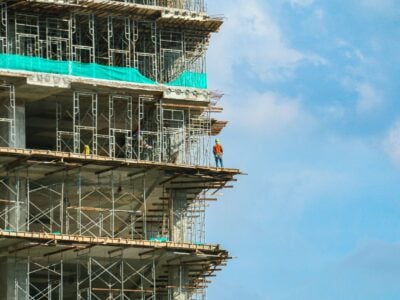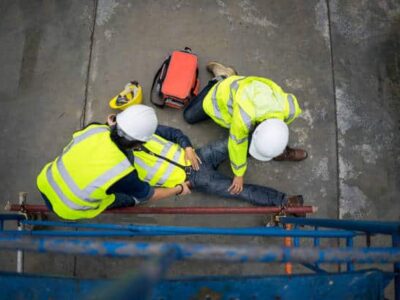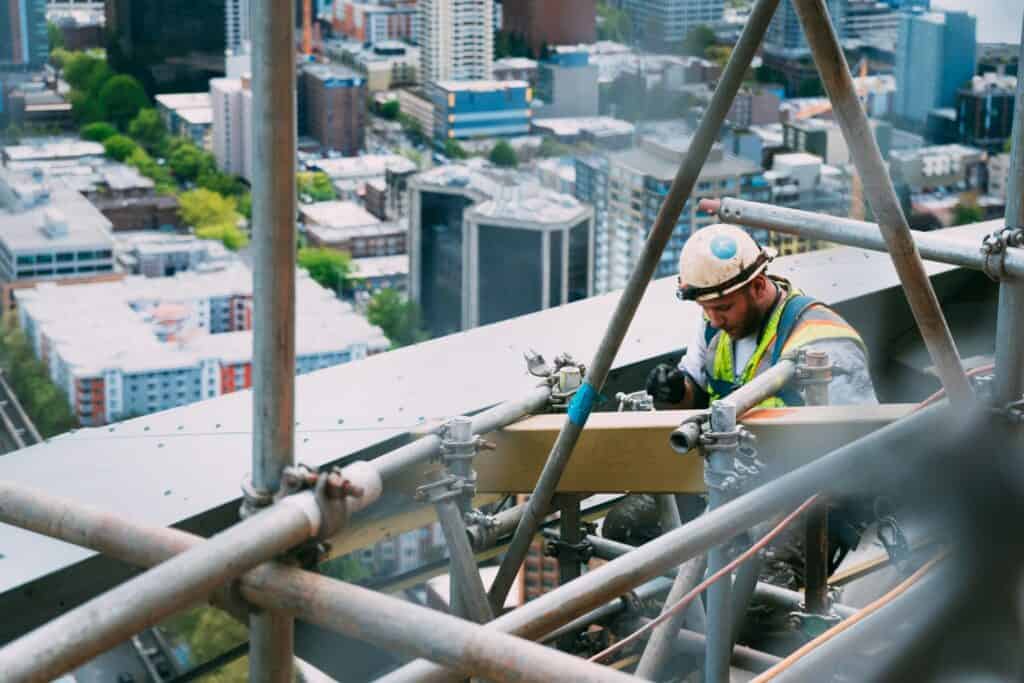

Construction is consistently ranked as one of the most hazardous professions in the United States, and New York State records some of the highest rates of serious construction-related injuries and fatalities. Workers face daily risks that can result in life-altering or fatal injuries, placing tremendous physical, emotional, and financial strain on both victims and their families.
Prior results do not guarantee a similar outcome.
In most cases, a worker injured on the job is limited to benefits under the New York workers’ compensation system, which provides medical care and partial wage replacement—but generally prohibits lawsuits against the employer for additional damages.
However, New York law makes an important exception for what it classifies as “grave injuries.” When a worker suffers a grave injury, it opens the door to third-party lawsuits, and in some cases, employers may be brought into those claims, expanding potential avenues for full compensation. Understanding this exception is crucial for injured workers and their families seeking to recover the full extent of their losses after a catastrophic construction accident.
The Porter Law Group: Champions for Gravely Injured Construction Workers
At The Porter Law Group, we specialize in navigating the complex intersection of workers’ compensation law and third-party liability in construction accident cases. Our team possesses the extensive knowledge and experience necessary to identify when a construction injury meets New York’s strict definition of a “grave injury,” potentially opening the door to additional compensation beyond standard workers’ compensation benefits.
What distinguishes the Porter Law Group in grave injury cases is our comprehensive approach to construction accident litigation. We conduct thorough investigations to identify all potentially liable parties, work with medical experts to document the full extent of grave injuries, and aggressively pursue maximum compensation through all available legal channels. Our attorneys have a deep understanding of New York Labor Law and the specific protections it affords to construction workers, allowing us to build powerful cases that yield significant results for our clients. We encourage you to view the results we’ve achieved for previous clients to understand the level of dedication and expertise we bring to every case.
Understanding Grave Injuries Under New York Law
New York Workers’ Compensation Law §11 provides a specific and exhaustive list of what constitutes a “grave injury.” This definition is critically important because it serves as an exception to the general rule that employers are immune from lawsuits by their employees for workplace injuries.
The Legal Definition of Grave Injuries
Under New York law, grave injuries are specifically limited to:
- Death
- Total or permanent loss of use or amputation of an arm, leg, hand, or foot
- Loss of multiple fingers
- Loss of multiple toes
- Paraplegia or quadriplegia
- Total and permanent blindness
- Total and permanent deafness
- Loss of nose
- Loss of ear
- Permanent and severe facial disfigurement
- Loss of an index finger
- Acquired brain injury resulting in permanent total disability
It’s important to understand that New York courts interpret these categories strictly. For example:
- Losing fingertips does not count as the “loss of multiple fingers”
- Partial blindness, even if severe, does not meet the standard for “total and permanent blindness”
- Brain injuries must cause permanent, total disability, not just cognitive impairment, to qualify as a grave injury under the statute.
The Significance of the Grave Injury Classification
The grave injury classification is particularly significant in the context of third-party lawsuits. In construction settings, multiple parties often share responsibility for site safety, including general contractors, subcontractors, property owners, equipment manufacturers, and others.
When a worker sues a third party (not their employer) for negligence, that third party may seek contribution or indemnification from the worker’s employer—but only if the worker has suffered a grave injury as defined by the statute.
This exception to employer immunity creates a powerful opportunity for construction workers who have suffered catastrophic injuries to recover full damages—including pain and suffering, future lost wages, and long-term care needs.
At the Porter Law Group, we meticulously evaluate each case to determine whether an injury meets the grave injury threshold, potentially opening additional avenues for compensation.
When Construction Workers Can Sue Beyond Workers’ Compensation
While workers’ compensation is generally the exclusive remedy for workplace injuries, several important exceptions exist under New York law:
1. Intentional Harm by the Employer
If an employer intentionally causes injury to a worker, the exclusive remedy rule no longer applies. In such cases, the injured worker may file a personal injury lawsuit against the employer.
However, it’s important to note that negligence, even gross negligence, typically does not rise to the level of intentional harm. There must be clear evidence that the employer specifically intended to cause harm for this exception to apply.
2. Grave Injuries in Third-Party Lawsuits
The most common path to additional compensation comes from third-party claims. When a construction worker is injured due to the negligence of someone other than their employer (such as a general contractor, subcontractor, equipment manufacturer, or property owner), they may file a lawsuit against that third party while simultaneously receiving workers’ compensation benefits.
If the worker has suffered a grave injury as defined by New York law, and the third party brings in the employer for contribution, the employer’s legal immunity is waived. This creates a situation where the worker can effectively recover damages from both the workers’ compensation system and the third-party lawsuit.
3. Employers Without Workers’ Compensation Insurance
If an employer fails to carry the legally required workers’ compensation insurance, injured employees may file direct lawsuits against the employer. In these cases, the employer loses the protection of the exclusive remedy rule, and the injured worker can seek full personal injury damages in court
If you or a loved one has suffered a catastrophic injury on a New York construction site, it’s important to understand every legal avenue available. At the Porter Law Group, we can help determine whether your case qualifies as a grave injury and guide you in pursuing all possible sources of compensation.
Construction-Specific Grave Injury Claims in New York
Construction work presents exceptionally high risks of catastrophic injuries. Recognizing this, New York has enacted strong legal protections for construction workers under both its Labor Law and Workers’ Compensation Law. These provisions often intersect in serious injury cases, creating powerful legal pathways for recovery.
New York Labor Law Protections
New York Labor Law §240(1), commonly known as the “Scaffold Law,” imposes strict liability on property owners and contractors for gravity-related injuries. This means that if a worker falls from a height or is struck by a falling object, the responsible parties can be held liable regardless of whether the worker was partially at fault. This law gives injured construction workers a strong advantage in third-party lawsuits.
Similarly, Labor Law §241(6) requires property owners and contractors to provide reasonable and adequate protection to workers by complying with specific safety regulations. Violations of these regulations can establish liability in third-party lawsuits.
The Interplay of Labor Law and Grave Injuries
When a construction worker suffers a grave injury due to a Labor Law violation, multiple legal claims can be pursued. In such cases, the injured worker may:
- Receive workers’ compensation benefits through their employer’s insurance
- File a third-party lawsuit against the property owner, general contractor, or other responsible parties under the relevant Labor Law provisions
- Potentially trigger the grave injury exception, allowing third parties to seek contribution from the employer
This complex interplay of legal provisions requires sophisticated legal representation. At Porter Law Group, our attorneys are well versed in navigating these overlapping legal frameworks to help clients maximize compensation.
Case Examples: Grave Injuries in Construction Settings
To illustrate how grave injury claims work in practice, consider these example scenarios:
Scenario 1: Amputation After a Scaffold Collapse
A carpenter working on a high-rise construction project falls when an improperly secured scaffold collapses. As a result of the fall, his hand must be amputated—qualifying as a grave injury under New York law.
The injured worker may:
- Receive workers’ compensation benefits
- Potentially file a third-party lawsuit under Labor Law §240(1) against the property owner and general contractor
- Trigger the grave injury exception, allowing those third parties to seek contribution from the employer
Scenario 2: Traumatic Brain Injury from Falling Materials
A laborer is struck in the head by materials dropped from an upper level, causing a traumatic brain injury. If the injury results in permanent total disability, it meets the legal standard for a grave injury.
In this case, the worker could:
- Collect workers’ compensation benefits
- Pursue a third-party claim against responsible parties, such as the general contractor or site manager
- Activate the grave injury exception, enabling further liability claims involving the employer
Scenario 3: Paralysis After Trench Collapse
A worker becomes paraplegic when an unprotected trench collapses at a construction site. Paraplegia is specifically listed as a grave injury under New York law.
The injured worker may:
- Receive workers’ compensation benefits for the paraplegia
- Sue third parties (e.g., subcontractors or excavation contractors) responsible for the unsafe trench
- Potentially trigger the grave injury exception in third-party claims
Compensation Available for Grave Injuries
Construction workers who suffer grave injuries may be entitled to significant compensation through multiple legal avenues, including workers’ compensation and third-party personal injury lawsuits.
Workers’ Compensation Benefits
Under New York’s workers’ compensation system, injured workers are eligible for:
- Lifetime medical care related to the injury
- 66⅔% of their average weekly wage (subject to maximum benefit caps)
- Permanent disability benefits based on the nature and severity of the injury
For grave injuries that result in permanent total disability, these benefits may continue for the worker’s lifetime. However, workers’ compensation does not cover pain and suffering, nor does it provide full wage replacement, which is why third-party lawsuits are often critical for full financial recovery.
Third-Party Lawsuit Damages
In cases where a third party (such as a property owner, contractor, or equipment manufacturer) is responsible for the injury, workers can file a lawsuit seeking broader damages, including:
- Past and future medical expenses
- Full lost wages, including future earning capacity
- Pain and suffering
- Loss of enjoyment of life
- Loss of consortium, for the injury’s impact on a marital relationship
- Other damages, depending on the specific facts of the case
It’s important to note that if a worker recovers damages through a third-party lawsuit, they may be required to reimburse the workers’ compensation carrier for some of the benefits received. This is called a workers’ compensation lien or subrogation right. The Porter Law Group’s attorneys are skilled in negotiating and minimizing these liens, to maximize our clients’ net recovery.
Challenges in Grave Injury Cases
While these cases offer a path to meaningful compensation, grave injuries come with several critical legal and procedural challenges:
Strict Legal Interpretation
Courts interpret the grave injury statute narrowly. The injury must match one of the specific categories listed under Workers’ Compensation Law §11. Similar or severe injuries that do not exactly fit the statutory definition may not qualify.
For instance, in Castro v. United Container Machinery Group, the court ruled that the loss of fingertips did not meet the legal standard for “loss of multiple fingers.”
Medical Evidence Requirements
To prove that an injury qualifies as “grave,” extensive medical documentation and expert testimony are often required. For example, demonstrating that a brain injury causes “permanent total disability” requires comprehensive neurological evidence and often testimony from multiple specialists.
Complex Multi-Party Litigation
Grave injury cases typically involve multiple defendants, insurance companies, and legal teams, creating procedurally complex litigation. Managing these cases requires attorneys with extensive experience in construction accident litigation and a deep understanding of New York’s legal framework.
Statute of Limitations Concerns
Each type of claim has a different filing deadline. Workers’ compensation claims, personal injury lawsuits, and Labor Law claims all have distinct statute of limitations periods. Missing any of these deadlines can permanently bar recovery, so it is essential to consult a qualified attorney as soon as possible after a serious construction injury.
Reach out to our experienced team for a free consultation and explore your options for compensation.
Why Choose The Porter Law Group
The lawyers at the Porter Law Group have decades of experience representing individuals and families whose lives have been devastated by catastrophic injuries. We have obtained large settlements and verdicts in courts throughout the State of New York. We are a state-wide firm that handles cases with a hometown feel.
Our clients come to us looking for guidance and answers. With seasoned trial lawyers, the Porter Law Group has the resources necessary to help you navigate the most complex cases, against goliath insurance companies that will stop at nothing to prevent you from receiving the compensation you deserve.
You only get one chance to choose the best lawyer for you and your family. Hire the lawyers most recommended by former clients and local attorneys, and the firm that delivers superior results.
When you or a loved one’s life has been devastated by a serious personal injury in New York, don’t hire a lawyer without calling the Porter Law Group to learn why so many of our clients are thankful they trusted us with their case in their time of need.
Contact A New York Construction Accident Lawyer
If you or a loved one has suffered what may be a grave injury in a construction accident, don’t rely solely on workers’ compensation to provide for your future. The Porter Law Group can evaluate your case to determine whether you qualify for additional compensation beyond standard workers’ compensation benefits. We understand the devastating impact that grave injuries have on workers and their families, and we’re committed to fighting for the maximum compensation available under New York law.
The Porter Law Group works on a contingency fee basis, meaning there are no upfront costs to you. We only collect fees if we win your case, aligning our interests with yours and providing access to top-quality legal representation regardless of your financial situation. To discuss your case with an experienced construction accident attorney, call us today at 833-PORTER9, or email info@porterlawteam.com for a free consultation. Don’t wait—statutes of limitations apply to these claims, and early legal intervention provides the best opportunity to secure the compensation you deserve.