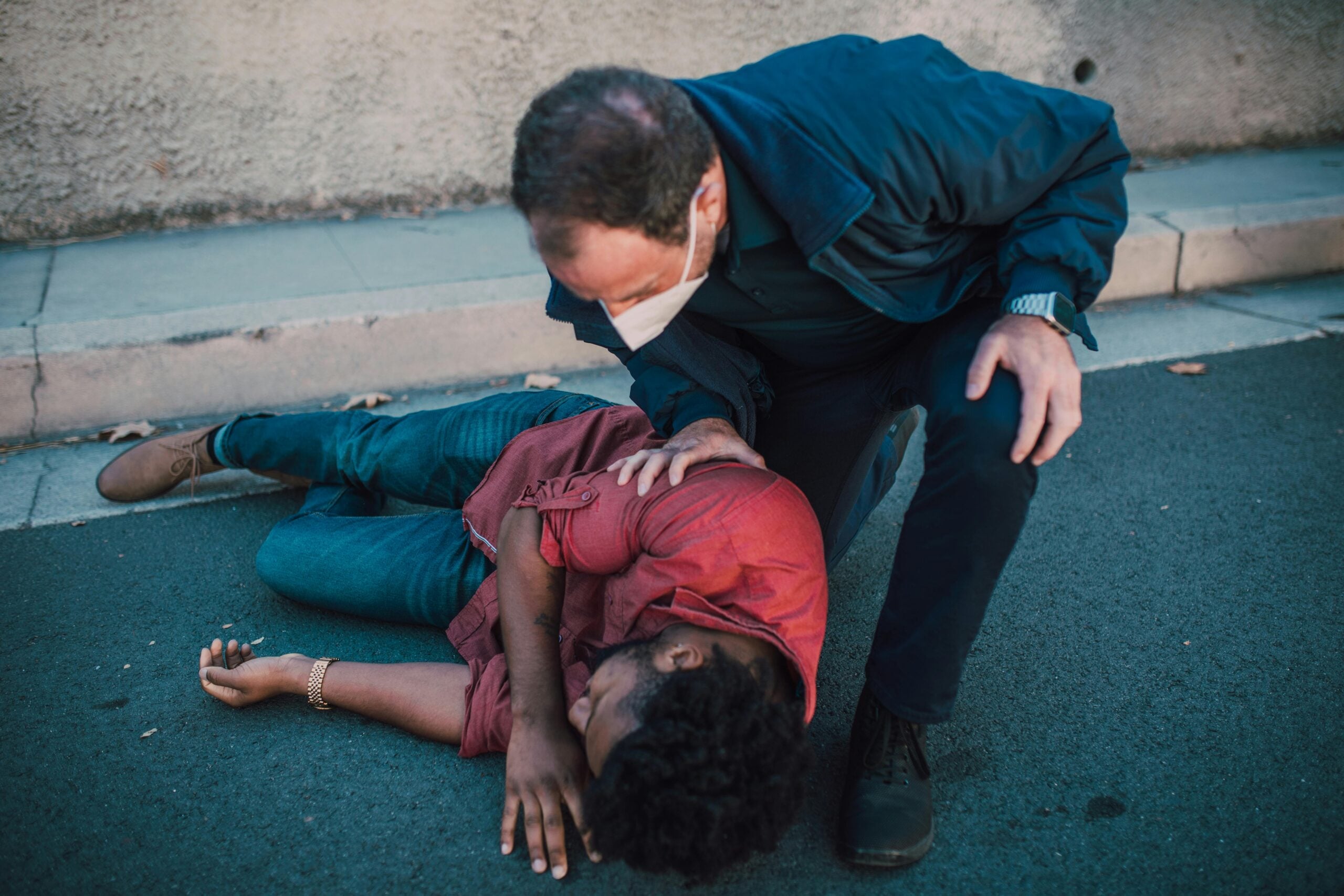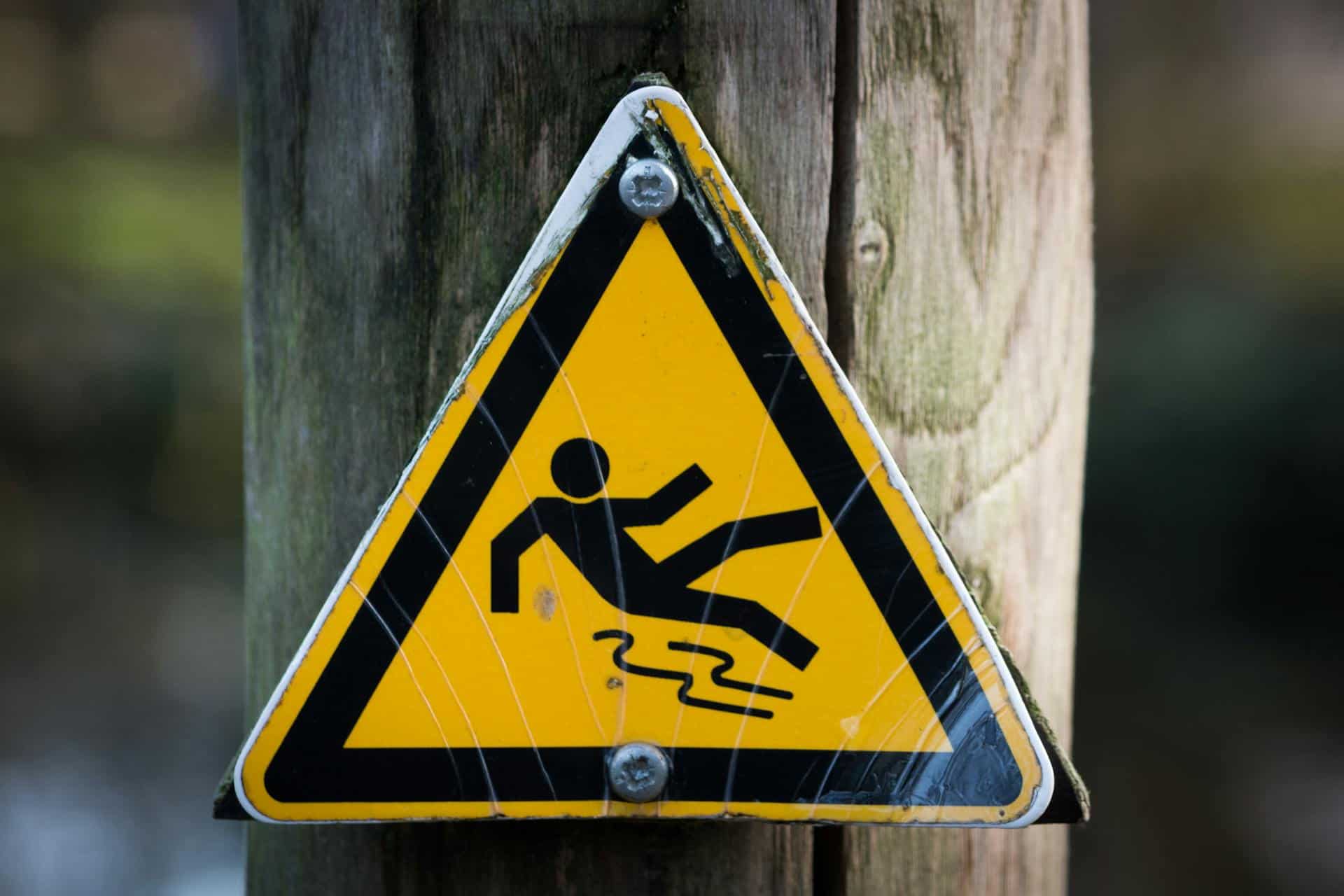
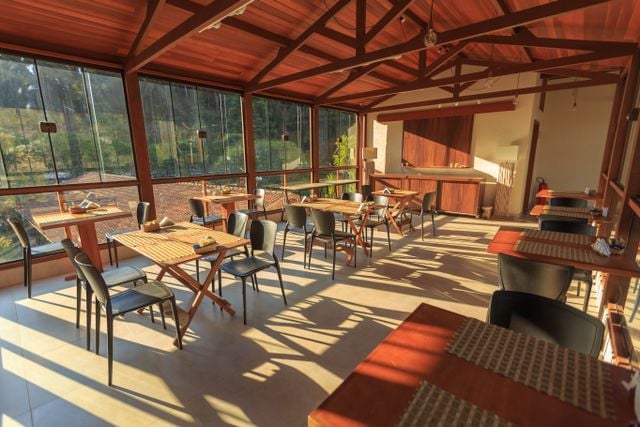

You walk into a restaurant expecting a meal, not an injury. But a spilled drink near the bar, grease tracked from the kitchen, a soaked entry mat, a leaking ice machine, or a freshly mopped floor with no warning sign can turn an ordinary visit into a painful fall.
In New York, the fact that you fell is only the starting point. The legal question is whether the restaurant, or another party that controlled the area, created the hazard, knew about it, or should have found it in time to fix it.
This guide explains the duty New York restaurants owe their customers and how notice works. It also covers who else may share responsibility, which evidence tends to decide these cases, and the deadlines that apply.
Prior results do not guarantee a similar outcome.
What Does New York Law Require From Restaurants?
Under New York premises liability law, whoever owns, occupies, or controls a property must use reasonable care to keep it in reasonably safe condition. For a restaurant, that duty covers dining rooms, bars, entrances, restrooms, hallways, stairs, patios, and any other space open to patrons. In practice, reasonable care generally means:
Inspecting customer areas regularly, especially busy ones
Cleaning up spills and slippery substances promptly
Warning customers about hazards that can’t be removed right away
Keeping floors, mats, stairs, and walkways in safe condition
Having inspection and cleanup procedures that staff actually follow
A restaurant is not an insurer of everyone who walks through the door. To hold it responsible for a dangerous condition, an injured customer generally must show one of three things:
The restaurant created the hazard.
The restaurant had actual notice of it.
The restaurant had constructive notice of it.
Much of a restaurant fall case turns on which of these can be proven.
When Does a Restaurant Have Actual Notice?
Actual notice means someone working at the restaurant knew about the hazard before you fell. Common examples include:
A server or busser saw grease or a spill on the floor
Another employee or a customer reported the problem
A manager was told about a leak from a cooler, ice machine, ceiling, or plumbing line
A staff member mopped the area
An employee dropped food or a drink and walked away without cleaning it or marking the area
The restaurant had prior complaints about the same leak, broken tile, or defective step
Once a restaurant knows about a hazard, it’s expected to take reasonable steps within a reasonable time. That can mean cleaning it, blocking it off, warning customers, or keeping watch until it’s fixed.
When an employee creates the hazard, notice may not need to be proven at all. A restaurant is generally responsible for what its employees do within the scope of their jobs.
What Is Constructive Notice and How Is It Proven?
Constructive notice applies when no employee saw the hazard, but it was visible and apparent and had been there long enough that a reasonable inspection would have found and fixed it.
Both parts matter. A hazard that was hard to see, or that appeared moments earlier, usually won’t support constructive notice. Evidence that can support it includes:
Footprints, cart tracks, or dirt running through the substance
Liquid that is sticky, discolored, drying, or smeared at the edges
A large or obvious accumulation of food, grease, or water
A torn, curled, or saturated mat that stayed that way for a long time
A slow leak that recurred over days or weeks
A location near a drink station, bar, or kitchen door where spills are common and traffic is heavy
Surveillance video showing the condition well before the fall
Missing inspection or cleaning logs, or employee admissions that the area hadn’t been checked
You usually don’t need to prove the exact number of minutes a spill sat on the floor. The practical question is whether the evidence allows a reasonable conclusion that the condition existed long enough to be found and fixed.
If video shows grease on the floor for half an hour while staff walk past it, that can support constructive notice. If a customer drops something seconds before you fall, constructive notice is much harder to show.
Can a Recurring Problem Strengthen a Claim?
It can. New York law treats a one-time spill differently from a condition that keeps coming back and is routinely left unaddressed.
Past complaints, employee reports, repair records, and prior falls in the same spot can help show that the restaurant knew about the risk and didn’t take reasonable steps to prevent it.
What Has to Be Proven in a Restaurant Slip and Fall Case?
A restaurant fall claim generally rests on these elements:
Duty. The restaurant, or whoever controlled the area, owed you reasonable care as a customer.
A dangerous condition. Something like a slippery substance or a hazardous surface existed.
Notice or creation. The responsible party created the condition, knew about it, or should have found it through reasonable inspection.
Failure to act. The responsible party didn’t clean, repair, block off, or warn about the hazard.
Causation. The condition was a substantial factor in causing your fall.
Injury. You were actually hurt as a result.
A restaurant can challenge any of these. Cases often fail on notice or on causation even when the fall and the injury aren’t disputed. Saying “the floor was slippery” usually isn’t enough without evidence of what made it slippery and why the restaurant should have found or fixed it.
What Evidence Helps Most After a Restaurant Fall?
Evidence in restaurant cases disappears quickly. Floors get mopped, video gets recorded over, and witnesses leave. These are the categories that tend to matter most.
Photos and video you take yourself. Capture:
The exact spot where you fell
The substance or residue, if it’s still there
The source, such as a leak, ice machine, bar, restroom, ceiling, or mop bucket
Nearby tables, equipment, service stations, and the kitchen door
The lighting
Any mats, signs, cones, or barriers
Uneven or damaged flooring
Your shoes and clothing while they still show the substance
Take both close-ups and wide shots. Wide shots help show whether staff and other customers could have seen the hazard. Note the time, the weather, and anything staff said.
Restaurant surveillance footage. Video may show when the spill happened, who walked past it, whether anyone inspected the area, and whether a warning sign was placed and when. It may also show exactly where and how you fell.
Many systems record over footage on a regular cycle, so a prompt written request to preserve it, sent to both the restaurant and the property owner, can be critical.
Witnesses. Get names and contact information for anyone who:
Saw you fall
Saw the substance beforehand
Watched employees walk past it
Heard staff acknowledge the spill
Helped you afterward
Noticed similar problems on earlier visits
Restaurant and property records. Ask the restaurant and property owner to preserve:
Incident and accident reports
Employee statements
Cleaning and inspection logs
Employee schedules showing who worked the area
Safety policies and training records
Prior complaints
Maintenance records, work orders, and repair invoices
Janitorial contractor records
Leases and property management agreements
Communications about leaks or recurring spills
Weather records can also matter in rain, snow, and ice cases. An incident report doesn’t prove negligence, but it can lock in facts and identify witnesses.
Schedules help identify employees who may have seen, created, or cleaned the condition. Repair invoices can show whether a defect existed before the fall.
Medical records. Your records should describe:
When and how you fell
The symptoms that followed
Your diagnoses and imaging results
Your treatment
Any work restrictions
Your expected recovery
Common restaurant fall injuries include wrist and ankle fractures, knee ligament tears, shoulder and back injuries, and brain injuries from striking the floor or a table. Falls are especially dangerous for older adults.
The CDC reports that more than 95 percent of hip fractures are caused by falling, usually sideways. Anyone who hits their head should get prompt medical evaluation, especially with confusion, vomiting, a severe or worsening headache, weakness, or loss of consciousness.
Can You Still Recover if You Were Partly at Fault?
Yes. Restaurant falls are governed by New York’s pure comparative negligence rule in CPLR 1411(a). Under that rule, a share of fault reduces what you can recover but doesn’t eliminate it.
If you’re found 20 percent at fault, for example, your recoverable damages are reduced by 20 percent. Fault percentages come from the evidence, not a fixed formula.
The 2026 amendment added CPLR 1411(b). It bars recovery when the injured person is more at fault than the defendants, but only in motor vehicle personal injury cases under the Insurance Law’s no-fault article. It does not apply to slip and fall claims.
How Long Do You Have to Take Action?
The deadline depends on who owns or operates the property. Missing one can end a claim regardless of the facts.
Situation | Deadline | Law |
|---|---|---|
Privately owned or operated restaurant | Lawsuit within 3 years of the fall | |
Restaurant or property owned or run by a city, county, town, village, or other public entity | Notice of claim within 90 days, and a lawsuit within 1 year and 90 days | GML 50-e and 50-i |
Fatal fall | Wrongful death lawsuit within 2 years of the death | EPTL 5-4.1 |
Injured child | The deadline is generally paused until the child turns 18 | CPLR 208 |
Don’t assume every restaurant fall comes with three years. A restaurant inside a government-owned building, an airport, a transit station, public housing, or a public market may bring short notice requirements into play.
Some public authorities also have their own notice rules. Settlement talks with an insurer generally don’t pause any of these deadlines. Identifying exactly who owns and operates the property early is often the first step in figuring out which clock applies.
Frequently Asked Questions About Restaurant Slip and Fall Claims
Do I have to report the fall before I leave the restaurant?
It’s strongly recommended but not legally required to bring a claim. Reporting right away creates a record of when and where the fall happened, often prompts an incident report, and gives staff a chance to identify witnesses. If you were too hurt to report it or left by ambulance, notify the restaurant in writing as soon as you can. Ask it to preserve video and records.
What if I don’t know exactly what I slipped on?
That can make a claim harder, but it doesn’t always end it. New York generally requires evidence of what caused a fall, since guesswork usually isn’t enough. The cause can sometimes be pieced together afterward from wet or stained clothing, photos taken by others, witness accounts, surveillance video, or cleanup records. Gathering those details quickly matters most when you didn’t see the hazard yourself.
What if I fell outside the restaurant, on the sidewalk or in a parking lot?
Different parties and rules may apply. A parking lot may be controlled by a landlord or a separate owner rather than the restaurant. In New York City, the owner of the property next to a public sidewalk is generally responsible for maintaining it. Snow and ice falls also involve their own timing questions about when the weather ended. Identifying who controlled the exact spot where you fell comes first.
Should I talk to the restaurant’s insurance company if they call me?
You aren’t required to give a recorded statement to the other side’s insurer. Adjusters often call quickly, sometimes before you know the full extent of your injuries. Early statements can be used to dispute fault or how serious an injury is. It’s reasonable to take their contact information and speak with an attorney first. Don’t sign a release or medical authorization without understanding what it covers.
Does it matter if the restaurant is inside a mall, hotel, or airport?
It can matter a lot. In those settings, the restaurant, the property owner, a management company, and outside cleaning contractors may each control different areas. If the property is run by a government body or public authority, a short notice deadline may apply. The lease terms and who maintained the exact spot where you fell often determine who is responsible. That’s why identifying every party early is important.
Summing It Up
If you were hurt in a fall at a New York restaurant, Porter Law Group can review what happened and explain your options. Our firm has recovered more than $500 million for injured New Yorkers. You can see examples on our results page.
We handle injury cases on a contingency basis, so you pay no attorney fee unless we recover compensation for you. Call 833-PORTER9, email info@porterlawteam.com, or contact us online to schedule a free consultation.
This article is for informational and educational purposes only. It is not a substitute for medical advice from a qualified healthcare provider or legal advice based on your specific circumstances.
Prior results do not guarantee a similar outcome.