
When you’re driving on a New York highway and witness a commercial truck swerving between lanes, tailgating, or otherwise driving in a way that puts everyone around it at risk, your first instinct might be to wonder what you can do about it. The answer is: you can and should report it, but how you do that depends on how immediate the danger is. Dangerous truck driving isn’t just a nuisance. It’s a genuine public safety crisis that kills and injures thousands of people every year, most of them in passenger vehicles rather than the trucks themselves.
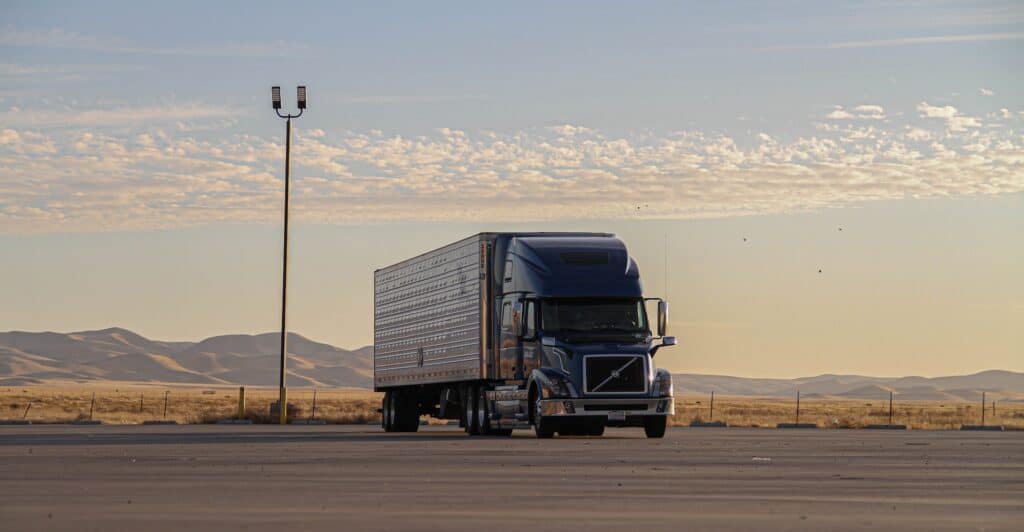
Large trucks can weigh up to 80,000 pounds when fully loaded. When a driver operating one of these massive vehicles is behaving recklessly, the consequences can be catastrophic. According to federal crash data, there are roughly 494,000 police-reported crashes involving large trucks in the United States each year, including more than 5,000 fatal crashes and around 110,000 injury crashes. What makes these statistics particularly sobering is that 70 to 80 percent of the people killed or injured in these crashes are not in the truck itself. They’re in the cars, SUVs, and motorcycles sharing the road.
Understanding how to report dangerous truck drivers, and why doing so matters, can genuinely help prevent tragedy.
When Should You Call 911 About a Dangerous Truck Driver?
If you witness driving behavior that poses an immediate threat to you or other people on the road, calling 911 is the right move. The New York State Police are clear about this: dial 911 if you need immediate help, if you’ve been in a crash, or if you’ve witnessed dangerous, aggressive, or erratic driving that’s putting other road users at risk.
What counts as an immediate threat? Think about behaviors like a truck driver swerving wildly across multiple lanes, driving the wrong way, running other vehicles off the road, or showing signs of impairment like extreme weaving or near-collisions. If a truck has an unsecured load that’s actively falling off, or if the driver is tailgating at high speeds in a way that could cause a pileup, those are 911 situations too.
When you call, the dispatcher will need specific information to send help to the right place and identify the vehicle. Be ready to describe where you are (the road name, direction of travel, and nearby exits or landmarks), what the truck looks like (the company name on the trailer, color, type of trailer, and license plate number if you can safely read it), and what the driver is doing. Keep your description brief but detailed enough that law enforcement can locate the vehicle. If the truck nearly caused a crash, say so. If you think the driver might be impaired or falling asleep, mention that.
The most important thing is your own safety. Don’t try to follow the truck closely to get more information, and don’t attempt to record video while you’re driving. Pull over if you need to, or have a passenger make the call and take notes.
How Do You Report Dangerous Truck Driving That Isn’t an Emergency?
Not every instance of unsafe truck driving rises to the level of calling 911. Sometimes you witness behavior that’s concerning and dangerous over time but doesn’t create an immediate crash risk. Maybe a truck driver is making repeated unsafe lane changes without signaling, driving with a clearly overweight or unbalanced load, or following too closely in heavy traffic. These situations still deserve attention, even if they’re not acute emergencies.
The New York State Police maintain a traffic complaint form specifically for reporting dangerous or aggressive driving you’ve witnessed. You can find this form on their website and submit details about what you saw, when and where it happened, and a description of the vehicle. This kind of report creates a record. Even if troopers don’t catch up with that specific truck that day, patterns of complaints can trigger increased enforcement in certain areas or investigations into specific drivers or companies.
If the dangerous driving happened on a local road rather than a state highway, you can also contact your county sheriff’s office or local municipal police department through their non-emergency number. Give them the same information you would provide to the State Police: the time, location, a description of the truck and the company it belongs to if visible, and what the driver was doing. Local departments can increase patrols in areas where dangerous truck driving has been reported, and they can follow up with trucking companies if there’s a pattern.
Can You Report a Dangerous Truck Driver to Federal Authorities?
Yes, and this is an important option that many people don’t know about. Commercial trucks that cross state lines are regulated by the Federal Motor Carrier Safety Administration, or FMCSA. This agency has real enforcement power over trucking companies and drivers, and they operate something called the National Consumer Complaint Database where anyone can report safety violations.
The kinds of things you can report to FMCSA include reckless driving, hours-of-service violations (drivers who have been on the road too long without rest breaks), unsecured or overweight loads, poorly maintained vehicles, and other safety problems. You can file a complaint online through the FMCSA website or call their safety violation hotline. The system is designed for investigation of past or ongoing safety issues rather than immediate emergencies, so if something dangerous is happening right now, call 911 first. But following up with an FMCSA complaint afterward can lead to real consequences.
When the FMCSA receives valid complaints, they can open investigations into trucking companies, impose civil penalties, and take enforcement actions that might include fines or restrictions on a company’s operating authority. These complaints go into a database that federal safety investigators use when deciding which companies to audit and inspect. If a company has multiple complaints about the same kinds of violations, that gets noticed.
What Makes Dangerous Truck Driving Illegal in New York?
New York law takes reckless driving seriously, and the consequences are even more severe for commercial drivers. Under New York’s Vehicle and Traffic Law, reckless driving is defined as operating a vehicle in a manner that unreasonably interferes with the free and proper use of the public highway or unreasonably endangers other people using the highway. It’s not just a traffic ticket. Reckless driving is a misdemeanor criminal offense that can result in fines, points on a license, and a criminal record.
For commercial truck drivers, the stakes are higher. Anyone operating a commercial vehicle needs a Commercial Driver’s License, or CDL, which comes with stricter rules and harsher penalties. The New York DMV can suspend or revoke CDL privileges for serious traffic violations, including reckless driving and impaired driving. A truck driver who gets convicted of reckless driving might lose the ability to work in their profession, which is why these cases matter so much.
This also means that when you report a dangerous truck driver, you’re not just helping to get one bad driver off the road temporarily. You might be contributing to a process that prevents that driver from endangering people again in the future.
Why Reporting Actually Makes a Difference
It’s easy to feel like one phone call or one online complaint won’t change anything, but that’s not true. Law enforcement agencies and federal regulators rely on reports from the public to identify dangerous drivers and problematic trucking companies. A single complaint might prompt a traffic stop that gets an impaired or fatigued driver off the road before they cause a crash. Multiple complaints about the same company can trigger an inspection or investigation that uncovers systematic safety violations.
The statistics on truck crashes make it clear why this matters. When a large truck crashes, the damage is rarely limited to the truck itself. The vast majority of people killed and injured in these crashes are in other vehicles. Reporting dangerous truck driving when you see it is one of the few tools ordinary people have to help prevent these tragedies.
That doesn’t mean you should put yourself at risk to gather information or play highway vigilante. Your safety comes first, always. But if you can safely make a call or file a report after witnessing dangerous truck driving, doing so is a small action that could have significant consequences.
What Happens After You Make a Report?
When you call 911 about dangerous driving, law enforcement will try to locate the vehicle and make a traffic stop if they can. Depending on what they observe and what you’ve reported, the driver might be cited for traffic violations, arrested for reckless driving or DWI, or ordered to park the vehicle if it’s unsafe. Not every 911 call results in a stop (sometimes the truck has already left the area), but the attempt is made.
When you file a complaint with the State Police online form or with local police, that report goes into their records. If the same truck or trucking company gets reported multiple times, that pattern becomes visible and can lead to targeted enforcement. Some police agencies will also follow up with the trucking company directly to let them know about the complaint, which can prompt internal discipline.
FMCSA complaints go through a different process. Federal investigators review the complaint to determine if it describes a violation of federal motor carrier safety regulations. If it does, they may add it to the carrier’s safety record, open an investigation, or include it as part of a broader audit of that company’s practices. The process isn’t always immediate, but valid complaints do get used in enforcement decisions.
You usually won’t get a follow-up call telling you what happened, but that doesn’t mean your report disappeared into a void. It became part of a system designed to identify and address safety problems in the trucking industry.
Summing It Up
Seeing a truck being driven dangerously is frightening because you know how much damage these vehicles can do. The good news is that you don’t have to just hope for the best and move on. You have real options for reporting what you saw, and those reports genuinely matter.
Call 911 if the danger is immediate. Use the State Police traffic complaint form or contact local police for situations that are dangerous but not emergencies. File a complaint with FMCSA to report federal safety violations. Each of these channels serves a different purpose, and sometimes it makes sense to use more than one.
The most important thing is to prioritize your safety and the safety of others around you. Don’t try to confront the driver, don’t follow too closely, and don’t do anything that could cause a crash while you’re trying to report one. Pull over if you need to. Ask a passenger to help. Get the information you can safely gather, and let the authorities handle the rest.
Every year, hundreds of thousands of people are involved in crashes with large trucks, and most of the people hurt or killed are not in the trucks themselves. Reporting dangerous truck driving when you witness it is one way to push back against those statistics and help make New York roads safer for everyone.